
A Guide to the Amphibians
and Reptiles of California
Click on a picture for a larger view
Western Terrestrial Gartersnake - Thamnophis elegans
Coast Gartersnake - Thamnophis elegans terrestris
Fox, 1951Description • Taxonomy • Species Description • Scientific Name • Alt. Names • Similar Herps • References • Conservation Status
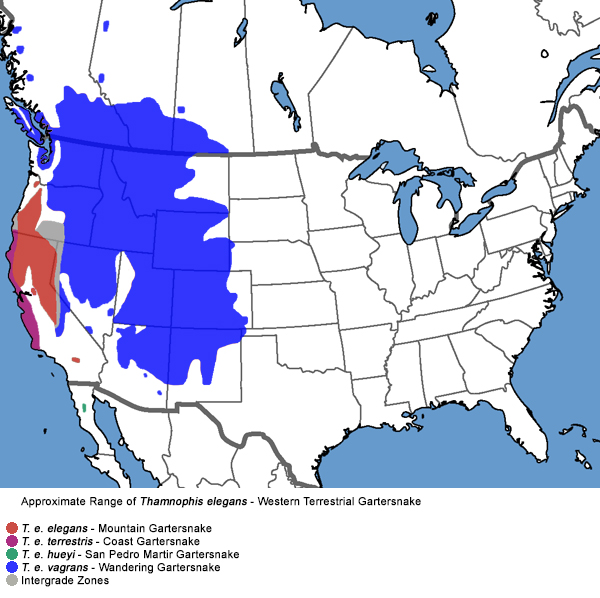
 Purple: Range of this subspecies in California
Thamnophis elegans terrestris - Coast Gartersnake
Range of other subspecies in California:
Red: Thamnophis elegans elegans - Mountain Gartersnake
Dark Blue: Thamnophis elegans vagrans -
Wandering Gartersnake
Gray: General area of intergradation
Click on the map for a topographical view
Map with California County Names

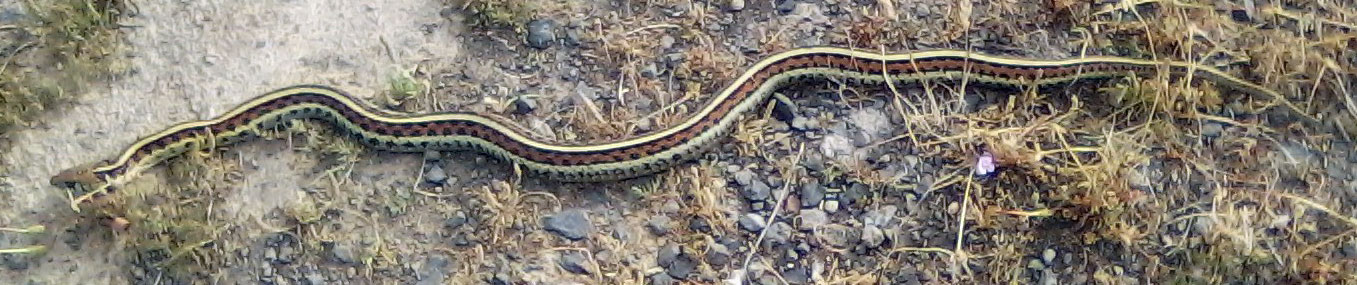
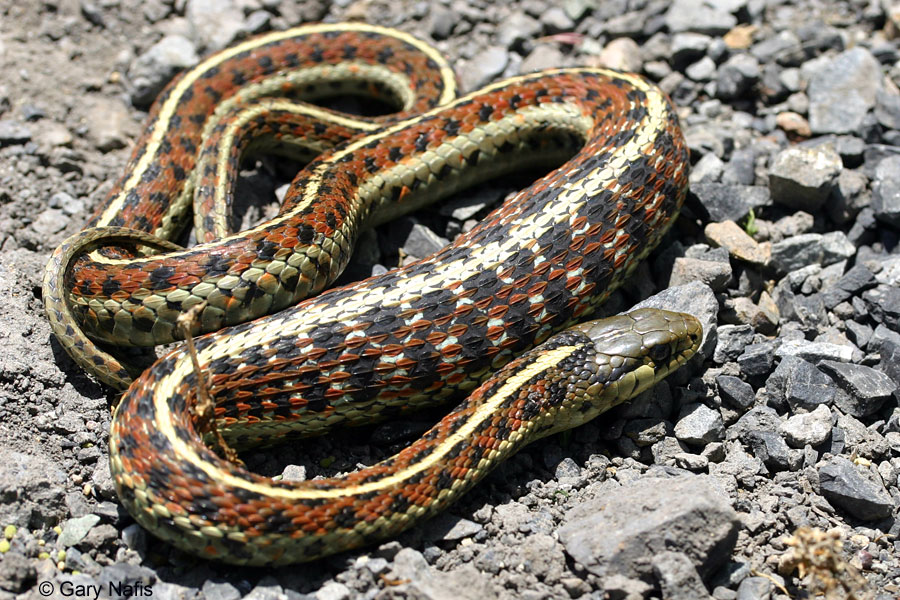
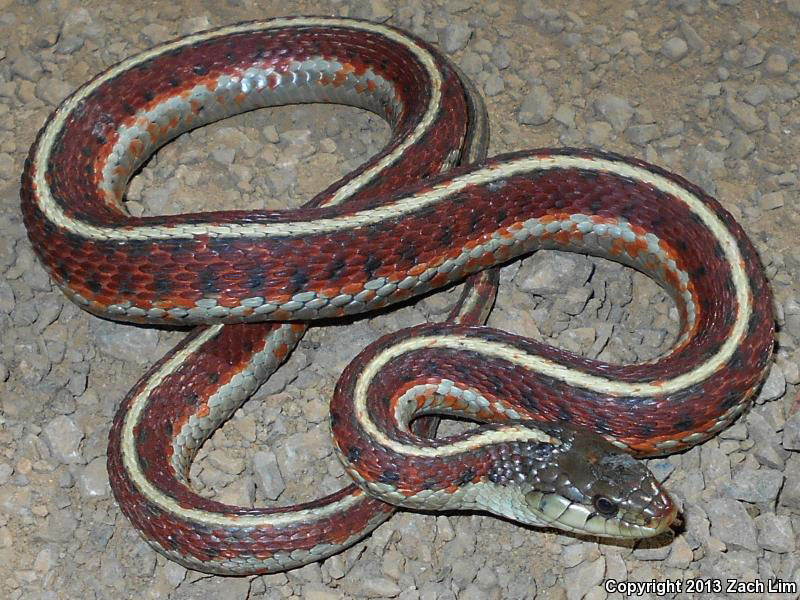
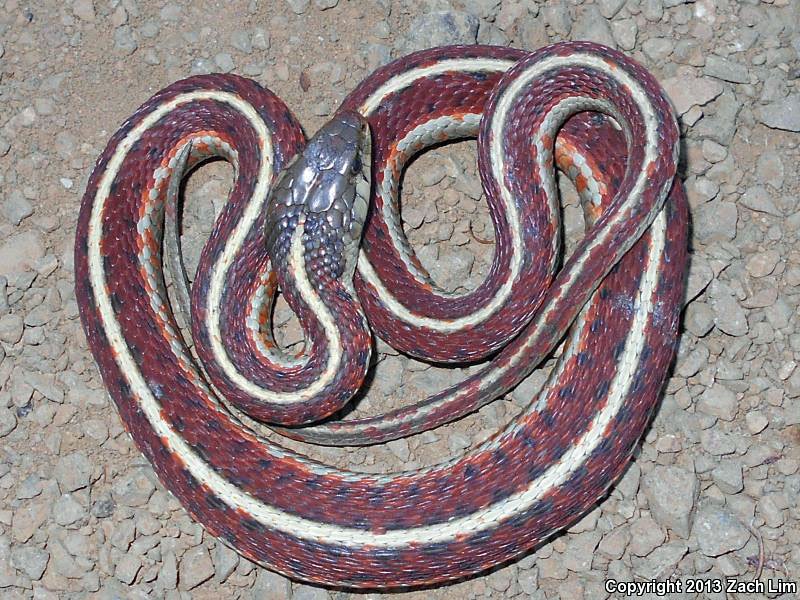
| These are all Coast Gartersnakes but because the subspecies is so variable in appearance I have separated the pictures into four sections - three loosely-defined color and pattern types of adults, plus juveniles. |
|||||||||||||||||||||||||||||||||||||||||||||||||||||||
| Coast Gartersnakes with Light Dorsal and Side Stripes and Black and Red Sides | |||||||||||||||||||||||||||||||||||||||||||||||||||||||
 |
|||||||||||||||||||||||||||||||||||||||||||||||||||||||
| Adult, Napa County | |||||||||||||||||||||||||||||||||||||||||||||||||||||||
 |
 |
 |
 |
||||||||||||||||||||||||||||||||||||||||||||||||||||
| Adult, San Mateo County | Adult, Humboldt County | ||||||||||||||||||||||||||||||||||||||||||||||||||||||
 |
 |
 |
 |
||||||||||||||||||||||||||||||||||||||||||||||||||||
| Adult, Marin County | Adult, Marin County | ||||||||||||||||||||||||||||||||||||||||||||||||||||||
 |
 |
 |
 |
||||||||||||||||||||||||||||||||||||||||||||||||||||
| Adult, Monterey County | Adult, Marin County | Adult, bulging from a recent meal, Marin County |
|||||||||||||||||||||||||||||||||||||||||||||||||||||
 |
 |
 |
 |
||||||||||||||||||||||||||||||||||||||||||||||||||||
| Adult, Marin County | Adult, San Mateo County © Faris K |
Adult, San Mateo County © Faris K |
|||||||||||||||||||||||||||||||||||||||||||||||||||||
 |
 |
 |
 |
||||||||||||||||||||||||||||||||||||||||||||||||||||
| Adult, San Francisco County © Luke Talltree |
Adult with only a little red on sides, Sonoma County © Jim Tracy | Adult, San Francisco County © Zach Lim | |||||||||||||||||||||||||||||||||||||||||||||||||||||
 |
 |
 |
 |
||||||||||||||||||||||||||||||||||||||||||||||||||||
| Adult, Del Norte County © Alan D. Barron | Adult, San Francisco County © Zach Lim | Adult, southern Napa County. |
|||||||||||||||||||||||||||||||||||||||||||||||||||||
 |
 |
 |
 |
||||||||||||||||||||||||||||||||||||||||||||||||||||
| Adult, San Mateo County © Yuval Helfman |
Adult, Marin County © Yuval Helfman |
Two adults from the same location in Marin County with different coloring. | This picture shows some of the variety of colors and patterns seen in a single population of this snake. All three snakes were all found at the same location in San Mateo County. © John Worden | ||||||||||||||||||||||||||||||||||||||||||||||||||||
 |
 |
 |
|||||||||||||||||||||||||||||||||||||||||||||||||||||
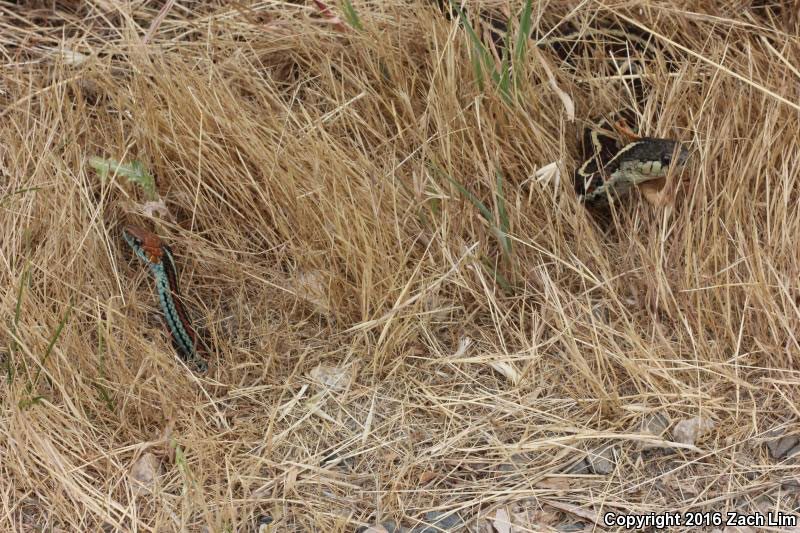
| A Coast Gartersnake (right) basks in dry grass next to a San Francisco Gartersnake (left) that is emerging from a gopher hole in San Mateo County. © Zach Lim |
This unusually colorful adult gartersnake from Humboldt county appears to be T. elegans by its small eyes and head shape, but I can't be certain of the ID and there is a chance it could be an unusual T. sirtalis or T. ordinoides. | ||||||||||||||||||||||||||||||||||||||||||||||||||||||
| Coast Gartersnakes with a Lot of Red on the Side Stripes | |||||||||||||||||||||||||||||||||||||||||||||||||||||||
 |
|||||||||||||||||||||||||||||||||||||||||||||||||||||||
| Adult with mostly red side stripes, San Mateo County © James Maughn | |||||||||||||||||||||||||||||||||||||||||||||||||||||||
 |
 |
 |
 |
||||||||||||||||||||||||||||||||||||||||||||||||||||
| Juvenile, Alameda County (SF Bay shoreline) | Adult, Monterey County coastal dunes | Adult, Santa Cruz County © Benjamin German |
|||||||||||||||||||||||||||||||||||||||||||||||||||||
 |
 |
 |
 |
||||||||||||||||||||||||||||||||||||||||||||||||||||
| Adult, Monterey County coastal dunes | Adult, Santa Cruz County © Zach Lim | ||||||||||||||||||||||||||||||||||||||||||||||||||||||
 |
 |
 |
 |
||||||||||||||||||||||||||||||||||||||||||||||||||||
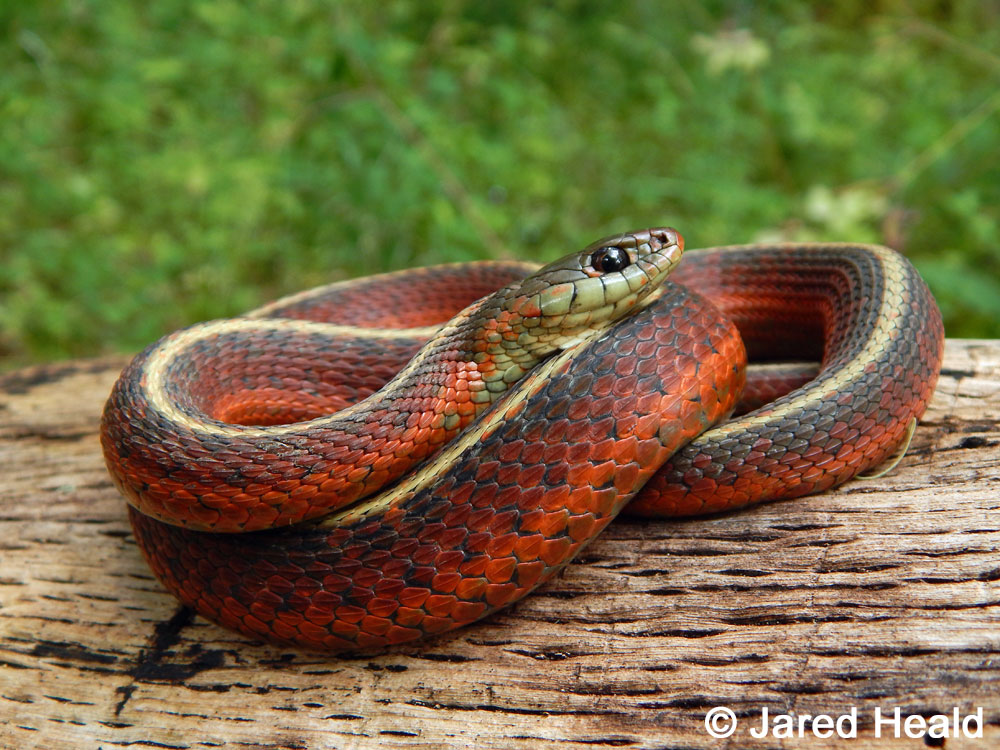
| Adult, San Mateo County © Jared Heald | Adult, San Mateo County © Jared Heald | Adult, San Mateo County © Jared Heald | Adult, San Mateo County © Jared Heald | ||||||||||||||||||||||||||||||||||||||||||||||||||||
 |
 |
 |
 |
||||||||||||||||||||||||||||||||||||||||||||||||||||
| Adult, Alameda County © Jim Tracy | Adult and juvenile found in a city park in Lodi, San Joaquin County. © Patrick Briggs (Somebody most likely transported the adult snake there since that is the range of the Mountain Gartersnake.) |
Adult, San Mateo County © Luke Talltree |
|||||||||||||||||||||||||||||||||||||||||||||||||||||
 |
 |
 |
 |
||||||||||||||||||||||||||||||||||||||||||||||||||||
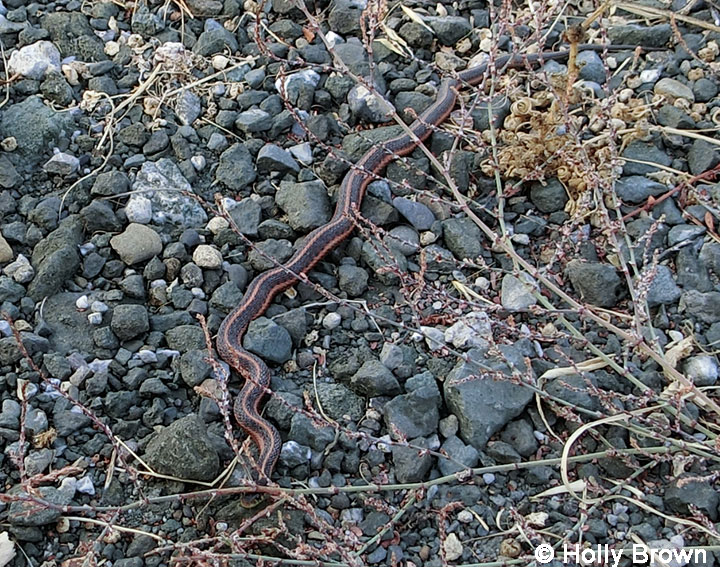
| This adult from Santa Clara County has red on all three stripes. © Holly Brown | This high red snake was found near the bay in Monterey County. © Phil Gervato | ||||||||||||||||||||||||||||||||||||||||||||||||||||||
 |
 |
 |
|||||||||||||||||||||||||||||||||||||||||||||||||||||
| Adult, Humboldt County | Adult, Santa Cruz County © 2005 Brad Alexander |
||||||||||||||||||||||||||||||||||||||||||||||||||||||
| Flame Phase Coast Gartersnakes | |||||||||||||||||||||||||||||||||||||||||||||||||||||||
| The term "flame coast gartersnake" is used by hobbyists to describe a color phase of the Coast Gartersnake with dark coloring on the upper sides, a red stripe on the lower sides, and a bright dorsal stripe. The term "flame garter" was originally used to describe some variants of the Eastern Gartersnake, (Thamnophis sirtalis sirtalis) found in southwestern Quebec with dark coloring on top of the sides and a solid red or orange side stripe on the bottom of the sides. Then hobbyists started using the term for other high red Eastern Gartersnakes with a similar appearance. |
|||||||||||||||||||||||||||||||||||||||||||||||||||||||
 |
 |
 |
|||||||||||||||||||||||||||||||||||||||||||||||||||||
| Flame phase adult, Contra Costa County (Berkeley Hills) | Flame phase adult, San Mateo County © Brian Hubbs |
||||||||||||||||||||||||||||||||||||||||||||||||||||||
 |
 |
 |
 |
||||||||||||||||||||||||||||||||||||||||||||||||||||
| Flame phase adult, Contra Costa County (Berkeley Hills) | Flame phase adult, Santa Cruz County © Susannah Goldston | Flame phase adult, Marin County (San Rafael) | |||||||||||||||||||||||||||||||||||||||||||||||||||||
 |
 |
 |
|||||||||||||||||||||||||||||||||||||||||||||||||||||
| Flame phase adult, San Mateo County © Jared Heald | Left: Adult with a lot of red coloring Right: Flame phase adult San Mateo County © Jared Heald |
Flame phase adults, San Mateo County © Faris K | |||||||||||||||||||||||||||||||||||||||||||||||||||||
| Coast Garternakes with Little or No Red Coloring | |||||||||||||||||||||||||||||||||||||||||||||||||||||||
 |
 |
 |
 |
||||||||||||||||||||||||||||||||||||||||||||||||||||
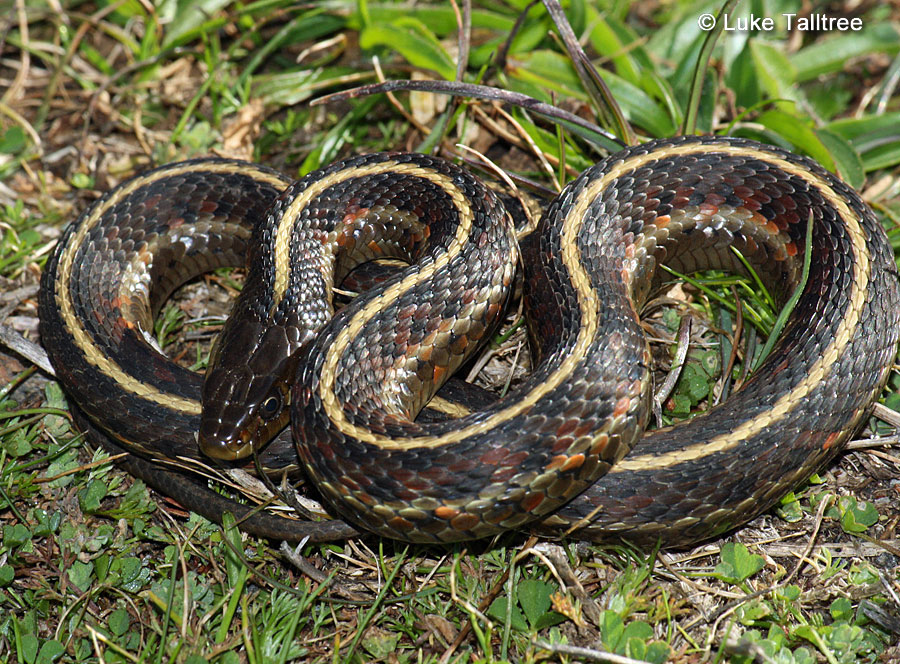
| Adult, with no red, San Luis Obispo County | Adult with little red, Marin County © Luke Talltree |
Adult, San Luis Obispo County © Patrick Briggs |
|||||||||||||||||||||||||||||||||||||||||||||||||||||
 |
 |
 |
 |
||||||||||||||||||||||||||||||||||||||||||||||||||||
| Adult, Del Norte County © Alan D. Barron | Large old adult with little red, San Mateo County |
Adult, Marin County (San Rafael) | |||||||||||||||||||||||||||||||||||||||||||||||||||||
 |
 |
 |
 |
||||||||||||||||||||||||||||||||||||||||||||||||||||
| A dark, bluish adult with only a few red spots from Santa Cruz County. © James Maughn |
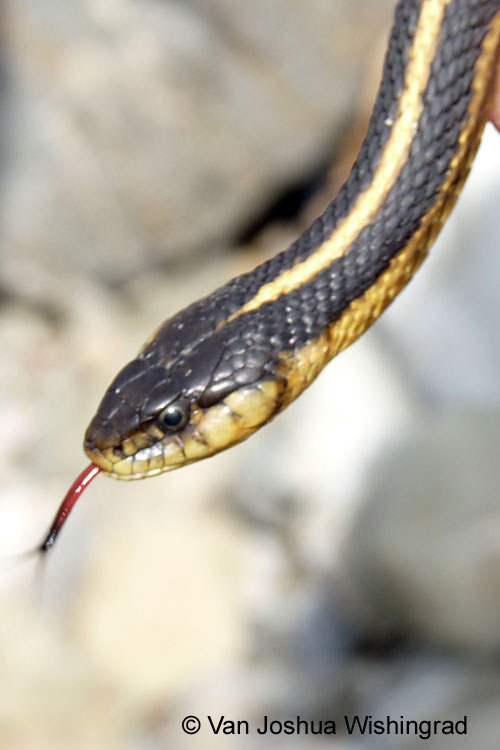
Adult, Monterey County. © Van Wishingrad |
Brown phase adult, Santa Clara County, from a location where this phase is very common. © Faris K | Black phase adult, Santa Clara County, from the same location as the brown phase to the left. © Faris K | ||||||||||||||||||||||||||||||||||||||||||||||||||||
 |
 |
 |
 |
||||||||||||||||||||||||||||||||||||||||||||||||||||
| Adult, Sonoma County © Jim Tracy | Grayish adult, Marin County © Jim Tracy |
Adult puffed up in a defensive pose, with head flattened into a triangular shape, Santa Barbara County @ Jeff Hopkins. |
Adult, Monterey County. © Van Wishingrad |
||||||||||||||||||||||||||||||||||||||||||||||||||||
 |
 |
 |
 |
||||||||||||||||||||||||||||||||||||||||||||||||||||
| Swimming adult, Monterey County. © Van Wishingrad |
Adult Terrestrial Gartersnake (presumed to be Thamnophis elegans terrestris) Santa Rosa Island © Marlon Harrington | ||||||||||||||||||||||||||||||||||||||||||||||||||||||
 |
 |
 |
 |
||||||||||||||||||||||||||||||||||||||||||||||||||||
| Adult, Humboldt County | Adult, Humboldt County | Adult, Sonoma County © Laura Baker This possibly melanistic snake has only faint remnants of dorsal and lateral stripes. |
|||||||||||||||||||||||||||||||||||||||||||||||||||||
| Juvenile Coast Gartersnakes | |||||||||||||||||||||||||||||||||||||||||||||||||||||||
 |
 |
 |
 |
||||||||||||||||||||||||||||||||||||||||||||||||||||
| Juvenile, Marin County | Juveniles found under the same board in Alameda County, with two different color patterns. |
Juvenile, San Mateo County © Zach Lim | |||||||||||||||||||||||||||||||||||||||||||||||||||||
 |
 |
||||||||||||||||||||||||||||||||||||||||||||||||||||||
| Juvenile, Del Norte County © Alan D. Barron | |||||||||||||||||||||||||||||||||||||||||||||||||||||||
| Comparisons With Sympatric Gartersnakes | |||||||||||||||||||||||||||||||||||||||||||||||||||||||
 |
 |
 |
 |
||||||||||||||||||||||||||||||||||||||||||||||||||||
| Three species of gartersnakes found at the same Marin County location: Right - Thamnophis atratus Bottom left - Thamnophis sirtalis Top - Thamnophis elegans © Luke Talltree |
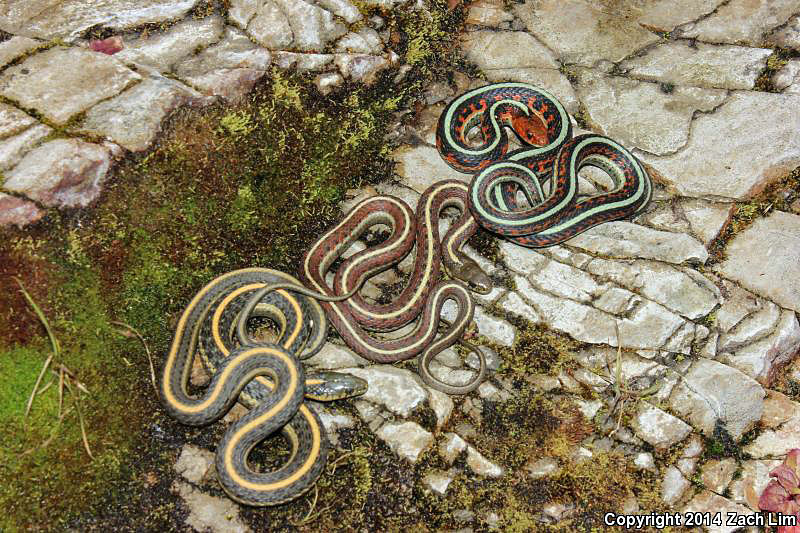
Three species of gartersnakes found at the same Marin County location: Top - Thamnophis sirtalis Middle - Thamnophis elegans Bottom - Thamnophis atratus © Zach Lim |
Two Marin County snakes: Coast Gartersnake on top; Aquatic Gartersnake on bottom. |
Two Marin County snakes: Aquatic Gartersnake on left; Coast Gartersnake on right. |
||||||||||||||||||||||||||||||||||||||||||||||||||||
 |
|||||||||||||||||||||||||||||||||||||||||||||||||||||||
| Two species of gartersnakes found at the same Marin County location: Left - Thamnophis atratus Right - Thamnophis elegans |
|||||||||||||||||||||||||||||||||||||||||||||||||||||||
| Coast Gartersnakes Feeding | |||||||||||||||||||||||||||||||||||||||||||||||||||||||
 |
 |
 |
 |
||||||||||||||||||||||||||||||||||||||||||||||||||||
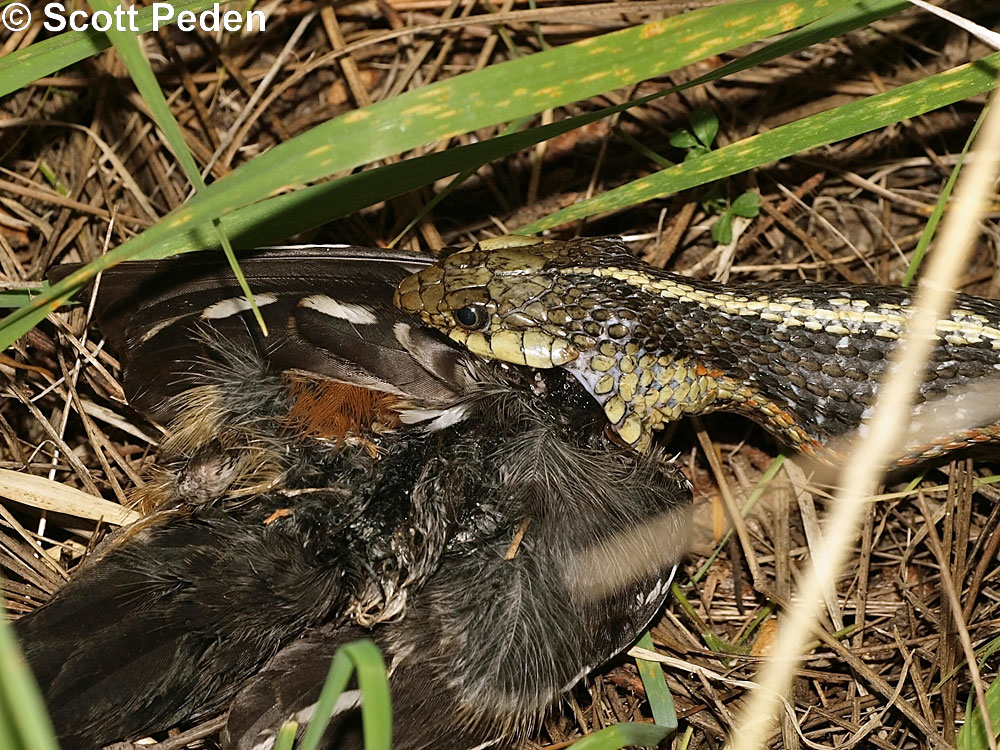
| A Coast Gartersnake eating a Spotted Towhee in Santa Cruz County. The bird looks too big for the snake to swallow, but the final outcome is unknown © Scott Peden |
Adult, San Mateo County, eating a bird, species unknown, found by Zach Mumbach, Photo © Aaron Reif |
||||||||||||||||||||||||||||||||||||||||||||||||||||||
 |
 |
 |
 |
||||||||||||||||||||||||||||||||||||||||||||||||||||
| This adult Coast Gartersnake was observed preying on a small rat in San Mateo County. © Jack Hankin |
Gartersnake eating a Coast Range Fence Lizard in San Luis Obispo County © Joel Germond |
||||||||||||||||||||||||||||||||||||||||||||||||||||||
 |
 |
 |
 |
||||||||||||||||||||||||||||||||||||||||||||||||||||
| Adult gartersnake of undetermined species eating a banana slug in Mendocino County. (It's either a Coast Gartersnake or an Oregon Gartersnake.) © Gail Jackson |
Adult eating a saltwater fish it found stranded in a tide pool on a rocky beach below the high tide mark in San Luis Obispo County © Randy Pickard | ||||||||||||||||||||||||||||||||||||||||||||||||||||||
 |
 |
||||||||||||||||||||||||||||||||||||||||||||||||||||||
| Adult eating a rodent in Monterey County © Regan Sikola | |||||||||||||||||||||||||||||||||||||||||||||||||||||||
 |
 |
||||||||||||||||||||||||||||||||||||||||||||||||||||||
| Adult eating a toxic California Newt in San Luis Obispo County © Ryan Sikola You can read about gartersnakes eating toxic newts below. |
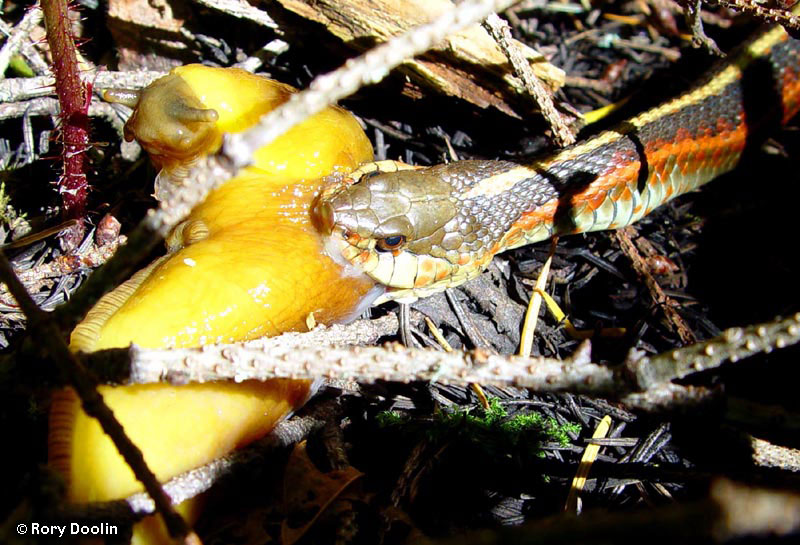
Adult eating a Banana Slug in San Mateo County © Rory Doolin | ||||||||||||||||||||||||||||||||||||||||||||||||||||||
| Habitat | |||||||||||||||||||||||||||||||||||||||||||||||||||||||
 |
 |
 |
 |
||||||||||||||||||||||||||||||||||||||||||||||||||||
| Coastal habitat, Monterey County |
Habitat, San Luis Obispo County | Coastal pond habitat, San Mateo County |
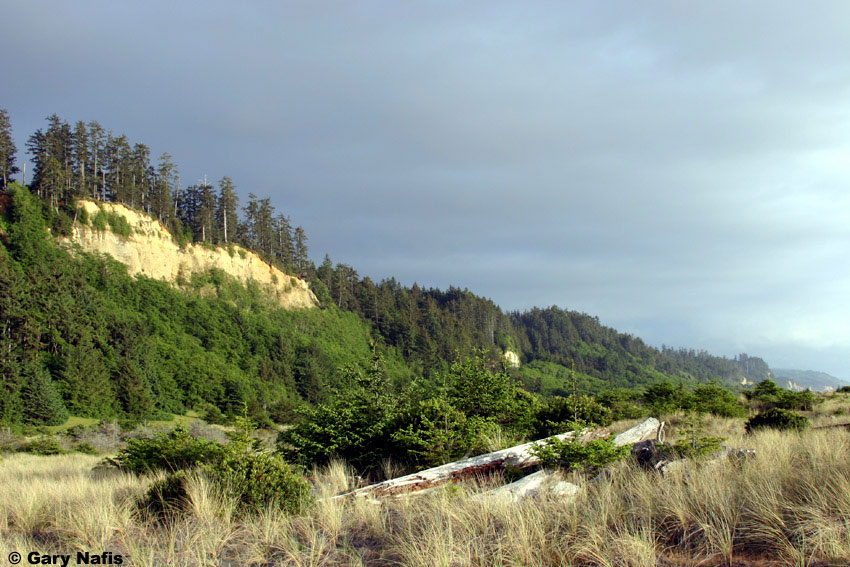
Riparian woodland habitat, Contra Costa County |
||||||||||||||||||||||||||||||||||||||||||||||||||||
 |
 |
 |
 |
||||||||||||||||||||||||||||||||||||||||||||||||||||
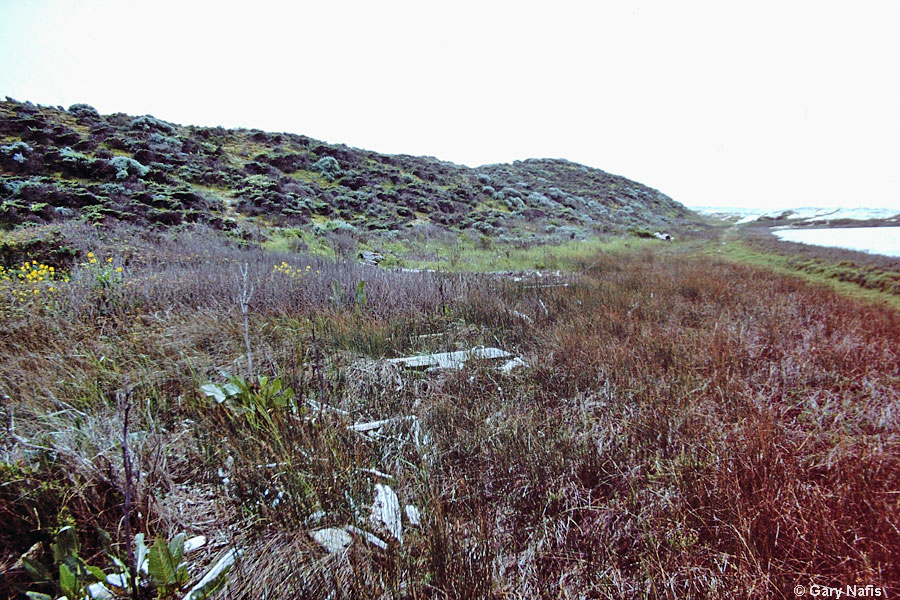
| Coastal riparian habitat, Marin County | Forest habitat, Humboldt County | Coastal meadow habitat, Humboldt County |
Habitat, Alameda County | ||||||||||||||||||||||||||||||||||||||||||||||||||||
 |
 |
 |
 |
||||||||||||||||||||||||||||||||||||||||||||||||||||
| Coastal pond habitat, San Mateo County |
Habitat, Santa Cruz County © Colin Byrne |
Coastal habitat, Monterey County | Habitat, Santa Cruz Mountains © Zachary Lim |
||||||||||||||||||||||||||||||||||||||||||||||||||||
 |
 |
||||||||||||||||||||||||||||||||||||||||||||||||||||||
| San Francisco County Habitats © Zachary Lim | |||||||||||||||||||||||||||||||||||||||||||||||||||||||
| Short Video | |||||||||||||||||||||||||||||||||||||||||||||||||||||||
 |
|||||||||||||||||||||||||||||||||||||||||||||||||||||||
| A couple of snakes from the coast of Marin County, doing what snakes do - trying to get away from an annoying human with a video camera. They finally did. |
|||||||||||||||||||||||||||||||||||||||||||||||||||||||
|
|||||||||||||||||||||||||||||||||||||||||||||||||||||||
|
|||||||||||||||||||||||||||||||||||||||||||||||||||||||

|
The following conservation status listings for this animal are taken from the July 2025 State of California Special Animals List and the July 2025 Federally Listed Endangered and Threatened Animals of California list (unless indicated otherwise below.) Both lists are produced by multiple agencies every year, and sometimes more than once per year, so the conservation status listing information found below might not be from the most recent lists, but they don't change a great deal from year to year.. To make sure you are seeing the most recent listings, go to this California Department of Fish and Wildlife web page where you can search for and download both lists: https://www.wildlife.ca.gov/Data/CNDDB/Plants-and-Animals. A detailed explanation of the meaning of the status listing symbols can be found at the beginning of the two lists. For quick reference, I have included them on my Special Status Information page. If no status is listed here, the animal is not included on either list. This most likely indicates that there are no serious conservation concerns for the animal. To find out more about an animal's status you can also go to the NatureServe and IUCN websites to check their rankings. Check the current California Department of Fish and Wildlife sport fishing regulations to find out if this animal can be legally pursued and handled or collected with possession of a current fishing license. You can also look at the summary of the sport fishing regulations as they apply only to reptiles and amphibians that has been made for this website. This snake is not included on the Special Animals List, which indicates that there are no significant conservation concerns for it in California. |
||
| Organization | Status Listing | Notes |
| NatureServe Global Ranking | ||
| NatureServe State Ranking | ||
| U.S. Endangered Species Act (ESA) | None | |
| California Endangered Species Act (CESA) | None | |
| California Department of Fish and Wildlife | None | |
| Bureau of Land Management | None | |
| USDA Forest Service | None | |
| IUCN | ||
|
|
||
Return to the Top
© 2000 -