
A Guide to the Amphibians
and Reptiles of California
Click on a picture for a larger view
approx
Striped Racer - Masticophis lateralis
California Striped Racer - Masticophis lateralis lateralis
(Hallowell, 1853)(California Whipsnake; Chaparral Whipsnake; Coluber lateralis lateralis)
Description • Taxonomy • Species Description • Scientific Name • Alt. Names • Similar Herps • References • Conservation Status

Masticophis lateralis lateralis - California Striped Racer
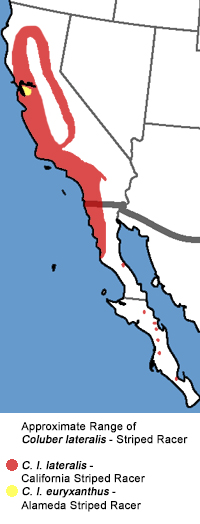
Range of other subspecies in California:
Dark Blue: Masticophis lateralis euryxanthus -
Alameda Striped Racer
Click on the map for a topographical view
Map with California County Names

 |
|||||||||||||||||||||||||||||||||||||||||||||||||||||||
| Adult, San Diego County (with an unusual shortened tail.) | |||||||||||||||||||||||||||||||||||||||||||||||||||||||
 |
 |
 |
 |
||||||||||||||||||||||||||||||||||||||||||||||||||||
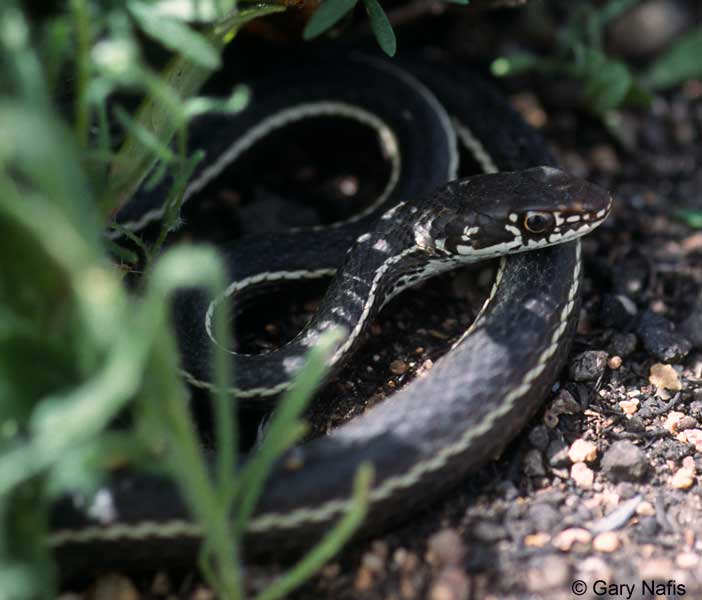
| Adult, San Diego County | Adult, Tuolumne County | ||||||||||||||||||||||||||||||||||||||||||||||||||||||
 |
 |
 |
 |
||||||||||||||||||||||||||||||||||||||||||||||||||||
| Adult, San Diego County | Adult, San Diego County | Adult, Kern County | |||||||||||||||||||||||||||||||||||||||||||||||||||||
 |
 |
 |
 |
||||||||||||||||||||||||||||||||||||||||||||||||||||
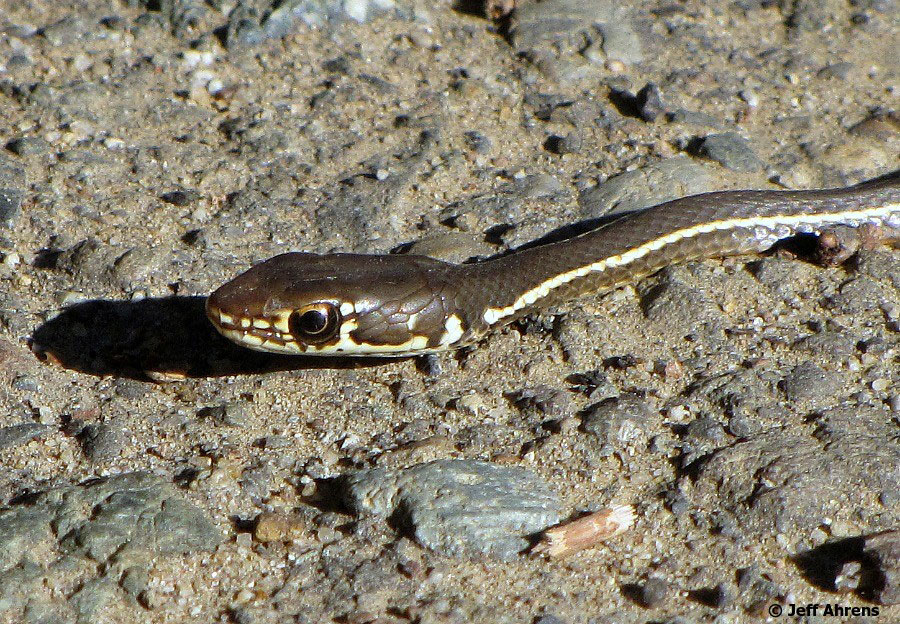
| Adult, Orange County © Jeff Ahrens |
Adult, Ventura County, © Patrick H. Briggs | Adult, Kern County © Ryan Sikola | |||||||||||||||||||||||||||||||||||||||||||||||||||||
 |
|||||||||||||||||||||||||||||||||||||||||||||||||||||||
| Adult, Orange County © Jeff Ahrens | |||||||||||||||||||||||||||||||||||||||||||||||||||||||
 |
 |
 |
 |
||||||||||||||||||||||||||||||||||||||||||||||||||||
| Adult, Santa Cruz County © Zach Lim | Adult, Santa Clara County. © Chad M. Lane |
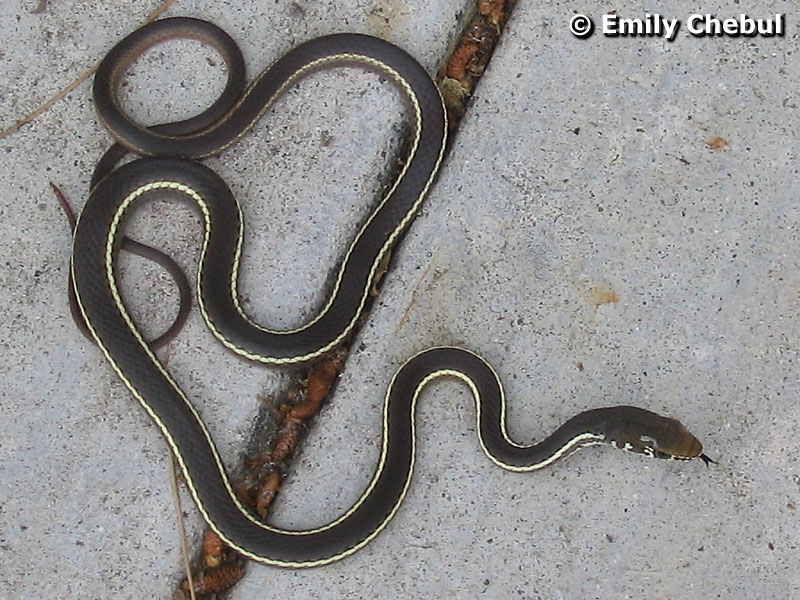
Adult, Los Angeles County © Emily Chebul |
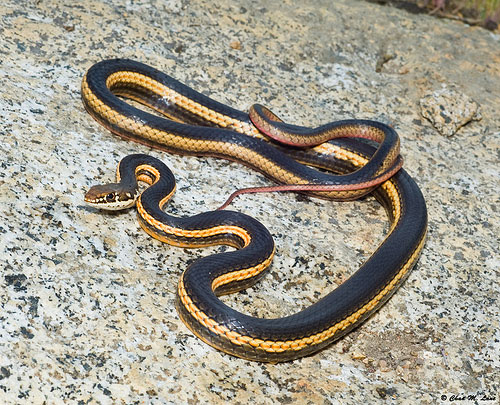
Adult, Calaveras County. © Chad M. Lane |
||||||||||||||||||||||||||||||||||||||||||||||||||||
 |
 |
 |
 |
||||||||||||||||||||||||||||||||||||||||||||||||||||
| Adult with a wide light stripe, very similar to the Alameda Striped Whipsnake subspecies, El Dorado County. © Chad M. Lane | Adult, Solano County © Adam G. Clause |
Adult, Orange County, © Jason Jones | |||||||||||||||||||||||||||||||||||||||||||||||||||||
 |
 |
 |
 |
||||||||||||||||||||||||||||||||||||||||||||||||||||
| Adult from Alameda County within range of the Alameda Striped Racer -M. l. euryxanthus, but showing characteristics of the California Striped Racer. © Lisa Williams |
Adult, Santa Clara County, just outside the range of the Alameda Striped Racer. © Douglas Brown |
Adult, Santa Cruz County © Spencer Riffle |
Adult, Butte County © Jackson Shedd | ||||||||||||||||||||||||||||||||||||||||||||||||||||
 |
 |
 |
 |
||||||||||||||||||||||||||||||||||||||||||||||||||||
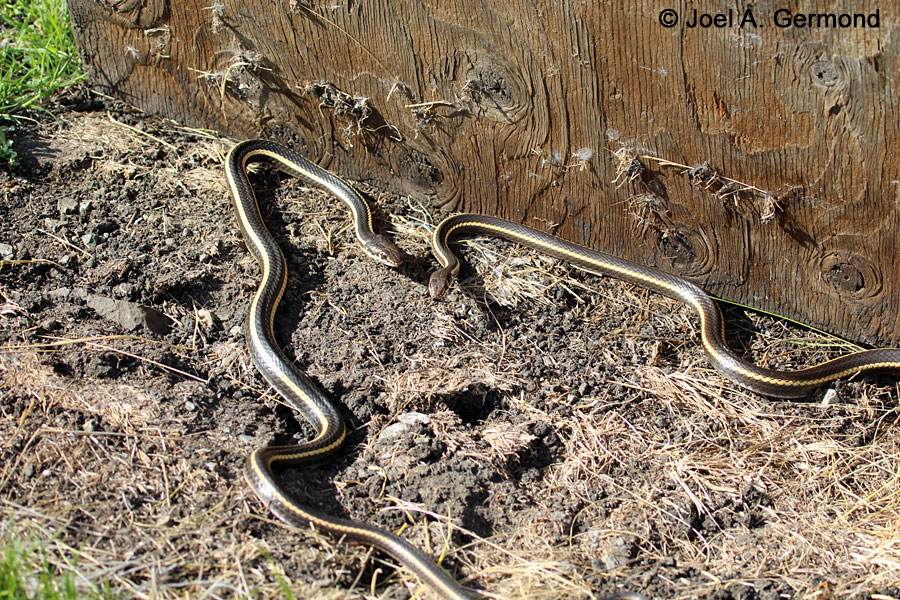
| Adult in sand dunes habitat, with head elevated in typical foraging posture, San Luis Obispo County © Joel A. Germond |
Adults, San Luis Obispo County © Joel A. Germond |
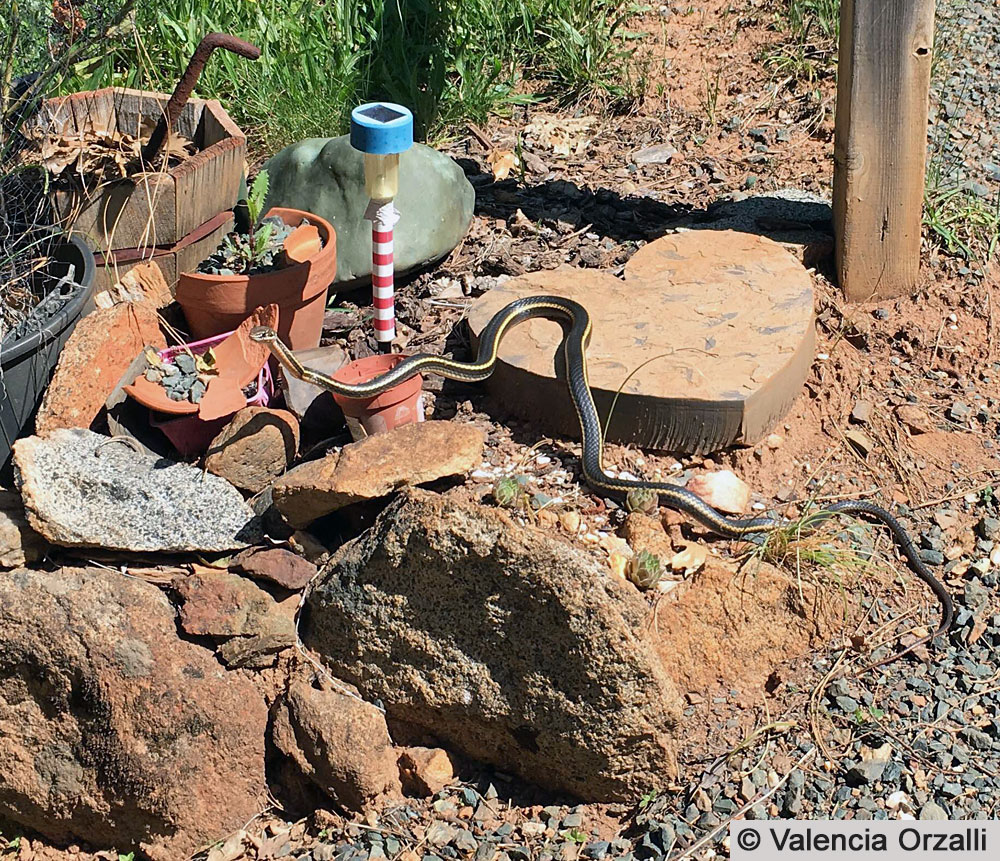
Adult, Nevada County © Valencia Orzalli | |||||||||||||||||||||||||||||||||||||||||||||||||||||
 |
 |
 |
|||||||||||||||||||||||||||||||||||||||||||||||||||||
| Adult, Santa Clara County, foraging with head elevated high off the ground. © Nancy Asquith |
This striped racer was photographed high up a tree in Santa Barbara County. © Francesca Heras | Adult, San Gabriel Mountains riparian habitat, Los Angeles County © Grigory Heaton |
|||||||||||||||||||||||||||||||||||||||||||||||||||||
 |
 |
 |
 |
||||||||||||||||||||||||||||||||||||||||||||||||||||
| Adult in habitat, West Santa Clara County © Neo S | The snake shown to the left is seen here as it was found in a shrub. Enlarge the picture and see if you can find it. © Neo S |
A very pale gray adult from San Luis Obispo County © Ryan Sikola | Adult basking on the side of a dirt road in the morning, San Diego County | ||||||||||||||||||||||||||||||||||||||||||||||||||||
| Juveniles | |||||||||||||||||||||||||||||||||||||||||||||||||||||||
 |
 |
 |
 |
||||||||||||||||||||||||||||||||||||||||||||||||||||
| Sub-adult, Orange County © Ivan Vershynin | This juvenile racer was found in a palm oasis in the Imperial County desert, not a typical area for the species. © Jeff Nordland |
||||||||||||||||||||||||||||||||||||||||||||||||||||||
 |
 |
 |
 |
||||||||||||||||||||||||||||||||||||||||||||||||||||
| Juvenile, Monterey County | Juvenile, Fresno County © Patrick H. Briggs |
||||||||||||||||||||||||||||||||||||||||||||||||||||||
 |
 |
 |
 |
||||||||||||||||||||||||||||||||||||||||||||||||||||
| Juvenile in defensive posture, Orange County © Ivan Vershynin | Adult at a creek in Santa Barbara County. There were lots of California Treefrogs in the area and it is possible that the snake was waiting in ambush for one of them to come within striking distance. © Max Roberts | Juvenile, Ventura County © Mark Kroenke |
|||||||||||||||||||||||||||||||||||||||||||||||||||||
 |
 |
 |
|||||||||||||||||||||||||||||||||||||||||||||||||||||
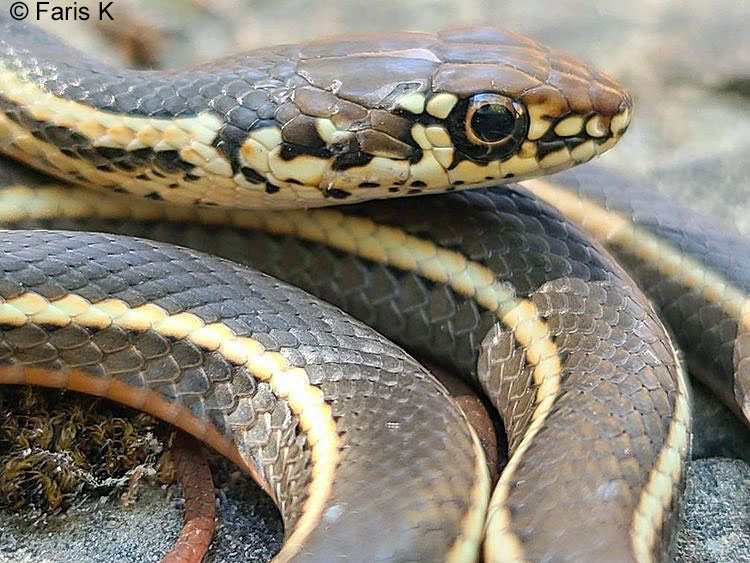
| Adult, Santa Clara County © Faris K | Adult, Santa Clara County © Faris K | Adult, Santa Clara County © Faris K | |||||||||||||||||||||||||||||||||||||||||||||||||||||
| Breeding | |||||||||||||||||||||||||||||||||||||||||||||||||||||||
 |
|||||||||||||||||||||||||||||||||||||||||||||||||||||||
| Two adults mating in May, Santa Barbara County © Doug Campbell |
|||||||||||||||||||||||||||||||||||||||||||||||||||||||
| Feeding | |||||||||||||||||||||||||||||||||||||||||||||||||||||||
 |
 |
 |
 |
||||||||||||||||||||||||||||||||||||||||||||||||||||
| Mark McCormick © shot this series of a San Diego Alligator Lizard biting onto the neck of a lizard-eating California Striped Racer in San Bernardino County. After the lizard finally let go, the snake quickly raced up a steep 15 foot high cliff up into some branches. | A California Striped Racer has caught a California Alligator Lizard in El Dorado County © Jim Bennett |
||||||||||||||||||||||||||||||||||||||||||||||||||||||
 |
 |
 |
 |
||||||||||||||||||||||||||||||||||||||||||||||||||||
| Sean Kelly © shot this series of a California Striped Racer eating a male Great Basin Fence lizard in San Diego County. | A California Striped Racer swallows a male Northwestern Fence Lizard in El Dorado County © Jim Bennett |
||||||||||||||||||||||||||||||||||||||||||||||||||||||
 |
 |
 |
 |
||||||||||||||||||||||||||||||||||||||||||||||||||||
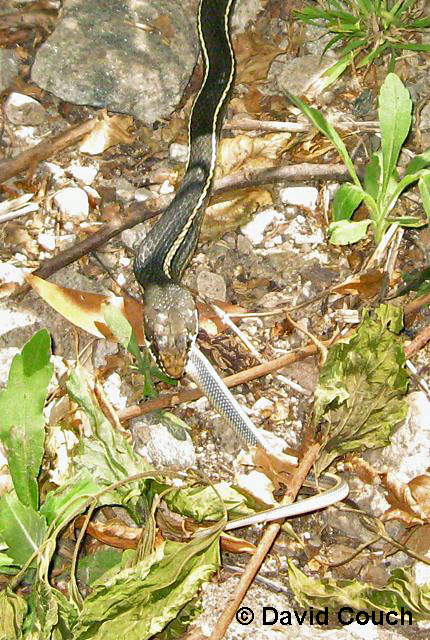
| Lonnie Fehr discovered this adult racer trying to eat a juvenile racer in an area adjacent to a smoldering fire in the San Gabriel Mountains of Los Angeles County. | A California Striped Racer eats a Coast Patch-nosed Snake in Los Angeles County, near Altadena. © David Couch |
||||||||||||||||||||||||||||||||||||||||||||||||||||||
 |
 |
 |
 |
||||||||||||||||||||||||||||||||||||||||||||||||||||
| A California Striped Racer, eats a juvenile Southern Pacific Rattlesnake - Crotalus oreganus helleri, in Los Angeles County. © Anthony |
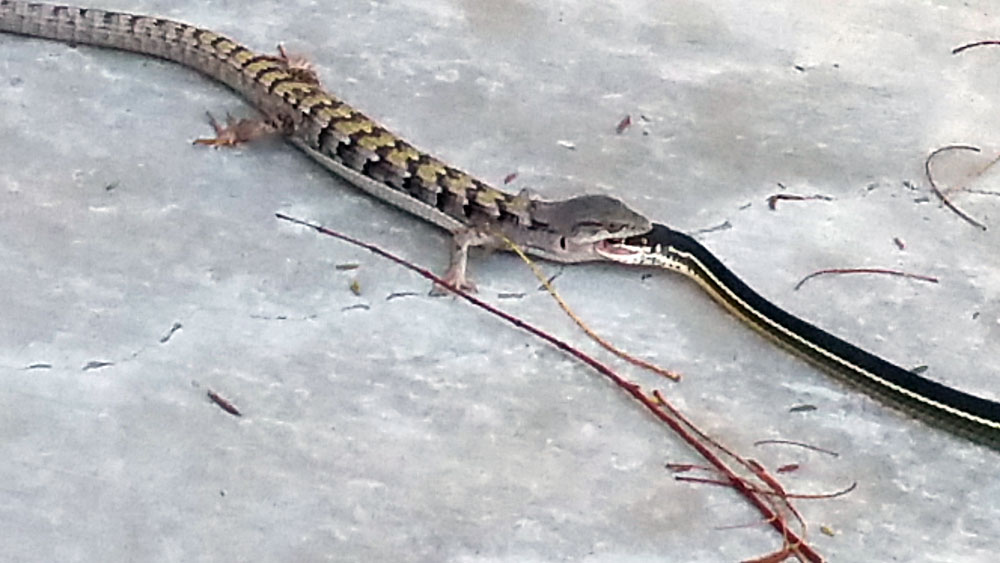
Adult hidden in the grass with head elevated high off the ground, eating a Western Fence Lizard, Sonoma County. | ||||||||||||||||||||||||||||||||||||||||||||||||||||||
 |
 |
 |
 |
||||||||||||||||||||||||||||||||||||||||||||||||||||
| This San Diego Alligator Lizard was found biting the head of a California Striped Racer on a driveway in Riverside County. My guess is that the snake tried to eat the lizard but the lizard defended itself by biting onto the snake's head. The outcome is unknown. | Mindy Langfus sent me a link to her YouTube video showing a San Diego Alligator Lizard biting onto the head of a predatory California Striped Racer in a Los Angeles County park, both of them spinning around trying to get the other one to let go. | ||||||||||||||||||||||||||||||||||||||||||||||||||||||
 |
 |
||||||||||||||||||||||||||||||||||||||||||||||||||||||
| A Ventura County San Diego Alligator Lizard bites onto the nose of a predatory California Striped Racer, leaving it unable to strike. Eventually the lizard released its grip and the two ran in opposite directions. © Melissa Wantz |
Adult California Striped Racer eating a juvenile Northern Pacific Rattlesnake in Lake County. © Anonymous |
||||||||||||||||||||||||||||||||||||||||||||||||||||||
| Habitat | |||||||||||||||||||||||||||||||||||||||||||||||||||||||
 |
 |
 |
 |
||||||||||||||||||||||||||||||||||||||||||||||||||||
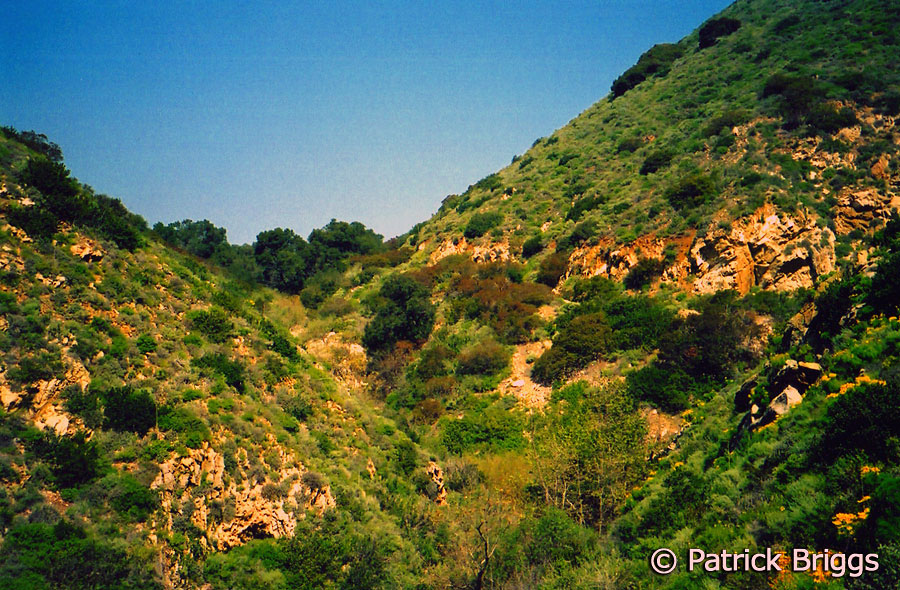
| Habitat, Napa County | Habitat, Monterey County | Habitat, Sierra Nevada Mountains, Tuolumne County | Coastal San Diego County grassland habitat. © Brian Hinds | ||||||||||||||||||||||||||||||||||||||||||||||||||||
 |
 |
 |
 |
||||||||||||||||||||||||||||||||||||||||||||||||||||
| Habitat, 4,500 ft., Sierra Nevada Mountains, Kern County | Habitat, Sierra Nevada Mountains, Kern County. The large crack in this rock served as a den which also contained Western Yellow-bellied Racers and Northern Pacific Rattlesnakes. | Habitat, Ventura County © Patrick Briggs |
Coastal habitat, San Diego County | ||||||||||||||||||||||||||||||||||||||||||||||||||||
 |
 |
 |
 |
||||||||||||||||||||||||||||||||||||||||||||||||||||
| Habitat, San Diego County Mountains |
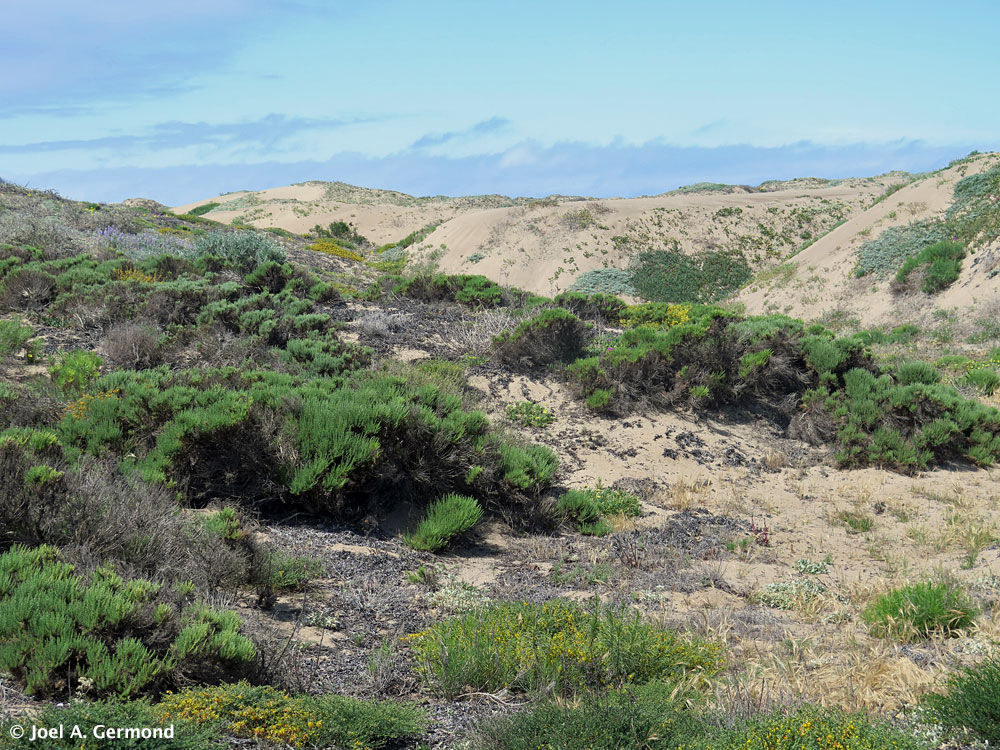
Habitat, San Diego County mountains | Sand dunes habitat, San Luis Obispo County © Joel A. Germond | |||||||||||||||||||||||||||||||||||||||||||||||||||||
| Short Video | |||||||||||||||||||||||||||||||||||||||||||||||||||||||
 |
|||||||||||||||||||||||||||||||||||||||||||||||||||||||
| A San Diego County California Striped Racer sits on the ground, then races off into the chaparral. | |||||||||||||||||||||||||||||||||||||||||||||||||||||||
|
|||||||||||||||||||||||||||||||||||||||||||||||||||||||
|
|||||||||||||||||||||||||||||||||||||||||||||||||||||||
|
The following conservation status listings for this animal are taken from the July 2025 State of California Special Animals List and the July 2025 Federally Listed Endangered and Threatened Animals of California list (unless indicated otherwise below.) Both lists are produced by multiple agencies every year, and sometimes more than once per year, so the conservation status listing information found below might not be from the most recent lists, but they don't change a great deal from year to year.. To make sure you are seeing the most recent listings, go to this California Department of Fish and Wildlife web page where you can search for and download both lists: https://www.wildlife.ca.gov/Data/CNDDB/Plants-and-Animals. A detailed explanation of the meaning of the status listing symbols can be found at the beginning of the two lists. For quick reference, I have included them on my Special Status Information page. If no status is listed here, the animal is not included on either list. This most likely indicates that there are no serious conservation concerns for the animal. To find out more about an animal's status you can also go to the NatureServe and IUCN websites to check their rankings. Check the current California Department of Fish and Wildlife sport fishing regulations to find out if this animal can be legally pursued and handled or collected with possession of a current fishing license. You can also look at the summary of the sport fishing regulations as they apply only to reptiles and amphibians that has been made for this website. This snake is not included on the Special Animals List, which indicates that there are no significant conservation concerns for it in California. |
||
| Organization | Status Listing | Notes |
| NatureServe Global Ranking | ||
| NatureServe State Ranking | ||
| U.S. Endangered Species Act (ESA) | None | |
| California Endangered Species Act (CESA) | None | |
| California Department of Fish and Wildlife | None | |
| Bureau of Land Management | None | |
| USDA Forest Service | None | |
| IUCN | ||
|
|
||
Return to the Top
© 2000 -