
A Guide to the Amphibians
and Reptiles of California
Click on a picture for a larger view
Western Rattlesnake - Crotalus oreganus
Northern Pacific Rattlesnake - Crotalus oreganus oreganus
Holbrook, 1840(Crotalus oreganus)

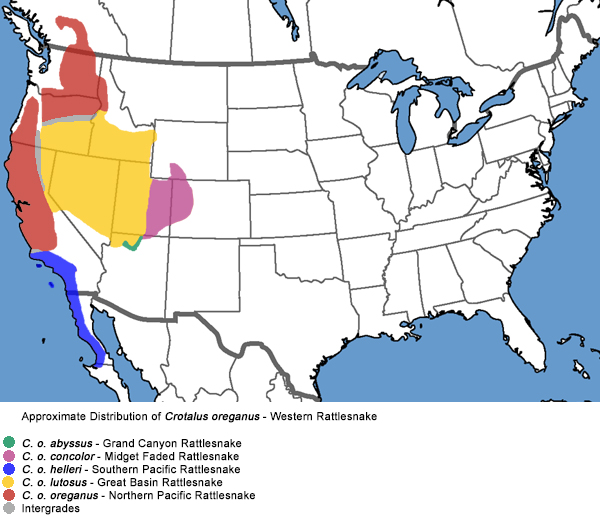
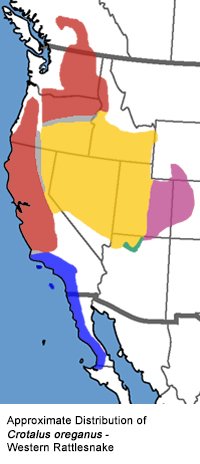
Red: Range of this subspecies in California
Crotalus oreganus oreganus - Northern Pacific Rattlesnake
Range of other subspecies in California:
Dark Blue: Crotalus oreganus helleri -
Southern Pacific Rattlesnake
Orange: Crotalus oreganus lutosus -
Great Basin Rattlesnake
Gray: Intergrade Range
Click on the map for a topographical view
Map with California County Names
More Pictures of Northern Pacific Rattlesnakes

Venomous and Potentially Dangerous!
Adults |
|||||||||||||||||||||||||||||||||||||||||||||||||||||||
 |
|||||||||||||||||||||||||||||||||||||||||||||||||||||||
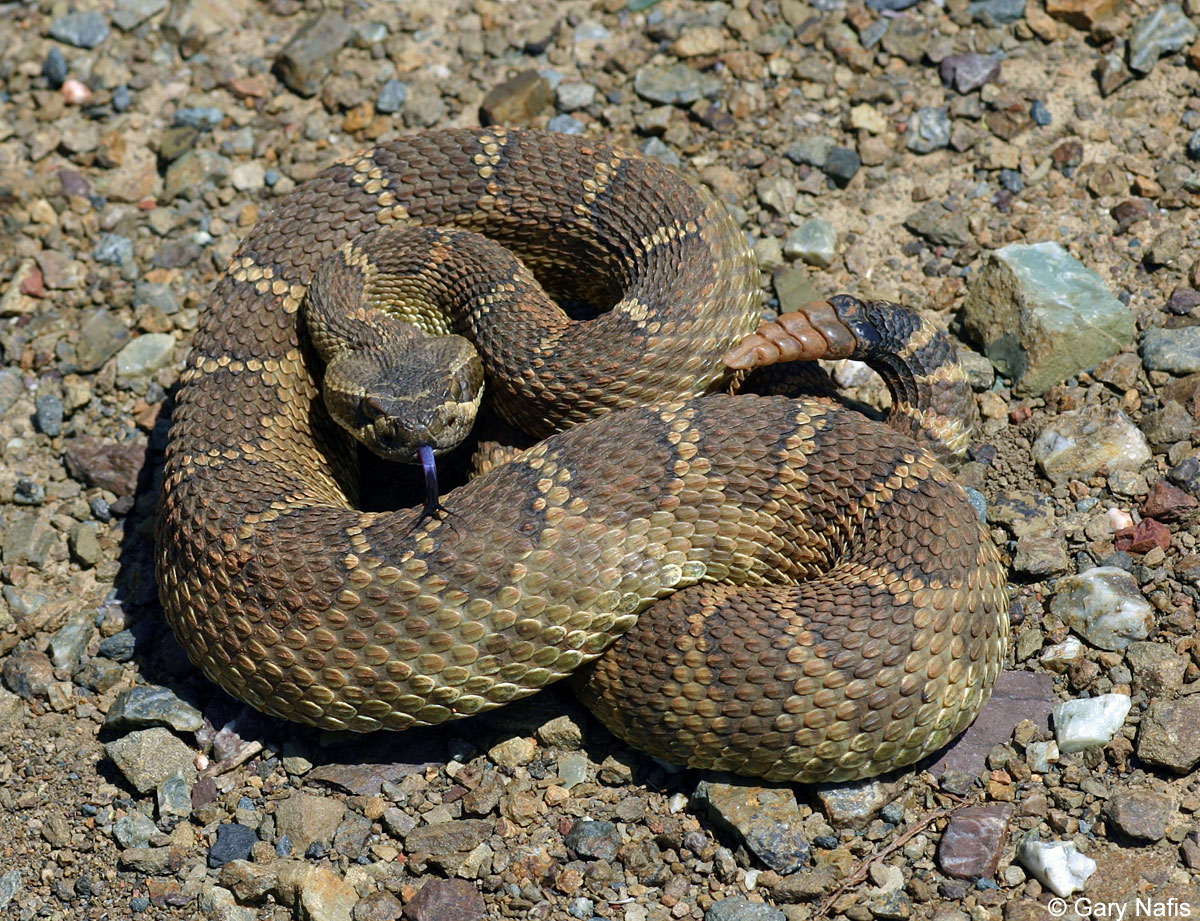
| Adult, Fresno County | |||||||||||||||||||||||||||||||||||||||||||||||||||||||
 |
 |
 |
 |
||||||||||||||||||||||||||||||||||||||||||||||||||||
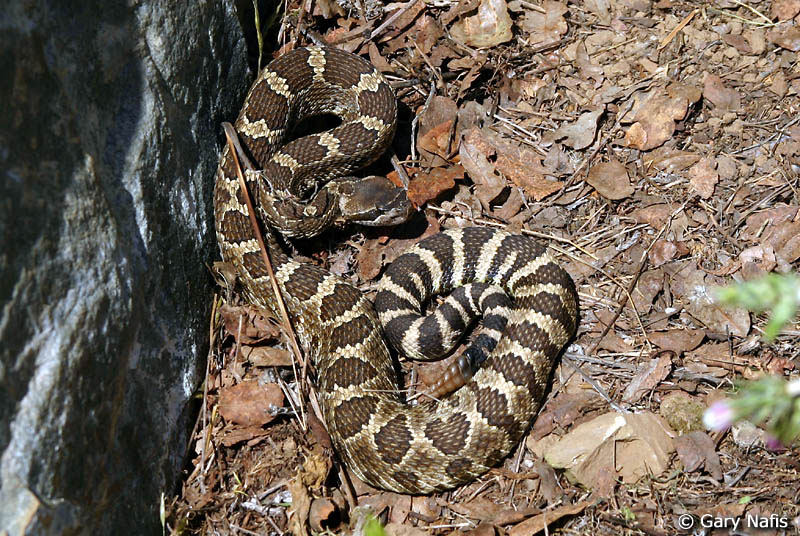
| Adult, Contra Costa County | Adult, Fresno County | Adult, Yuba County | Adult, Contra Costa County | ||||||||||||||||||||||||||||||||||||||||||||||||||||
 |
 |
 |
 |
||||||||||||||||||||||||||||||||||||||||||||||||||||
| Adult, Humboldt County © Lee Hecker | Adult, 5,600 ft., Tuolumne County | Adult, Santa Cruz County |
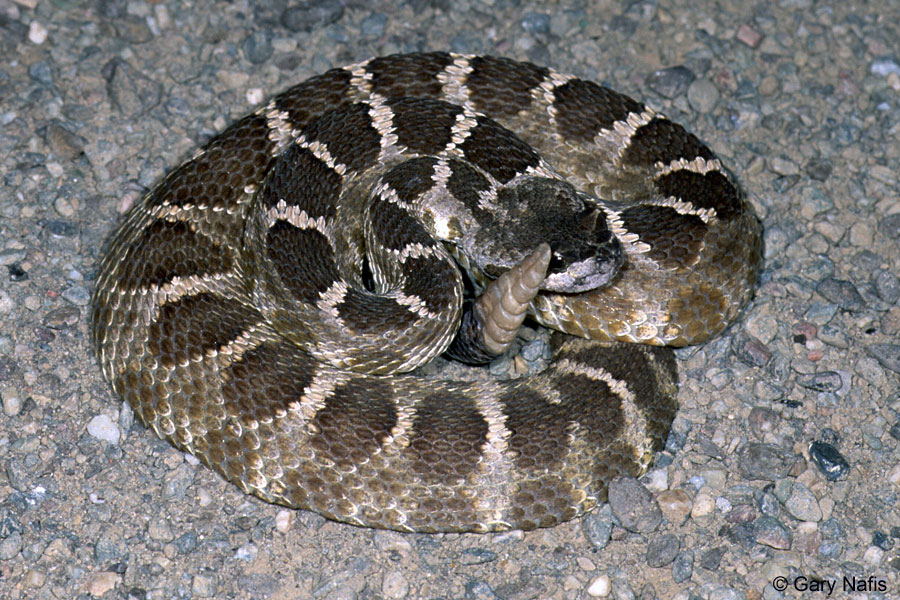
Adult, San Joaquin County | ||||||||||||||||||||||||||||||||||||||||||||||||||||
 |
 |
 |
 |
||||||||||||||||||||||||||||||||||||||||||||||||||||
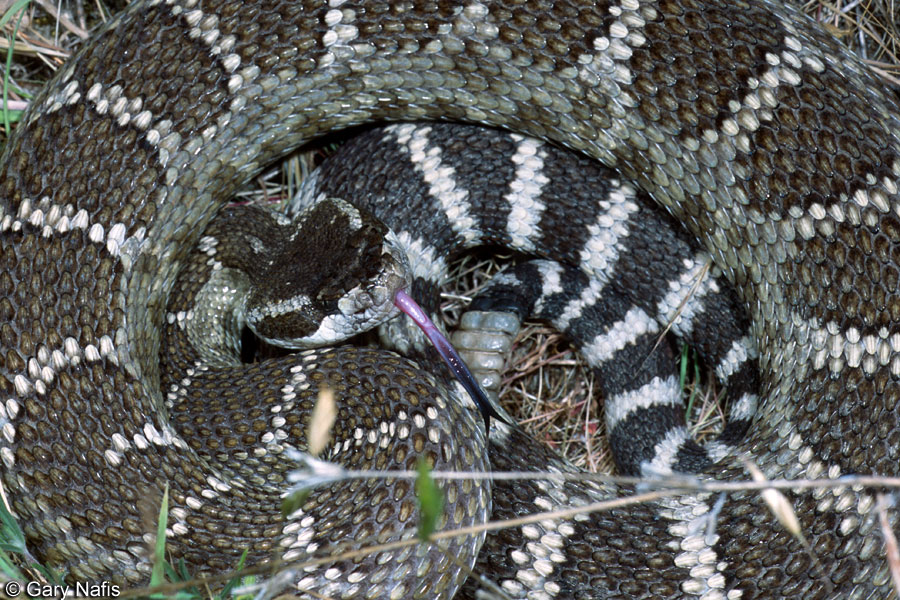
| Adult, San Joaquin County | Adult, Alameda County | Adult, Napa County | Adult, Del Norte County © Alan Barron | ||||||||||||||||||||||||||||||||||||||||||||||||||||
 |
 |
 |
 |
||||||||||||||||||||||||||||||||||||||||||||||||||||
| Adult, Mare Island, Solano County | Adult that was scaring chipmunks into making alarm calls at my campsite, 6,200 ft., Tuolumne County. | Adult, San Mateo County | |||||||||||||||||||||||||||||||||||||||||||||||||||||
 |
 |
 |
 |
||||||||||||||||||||||||||||||||||||||||||||||||||||
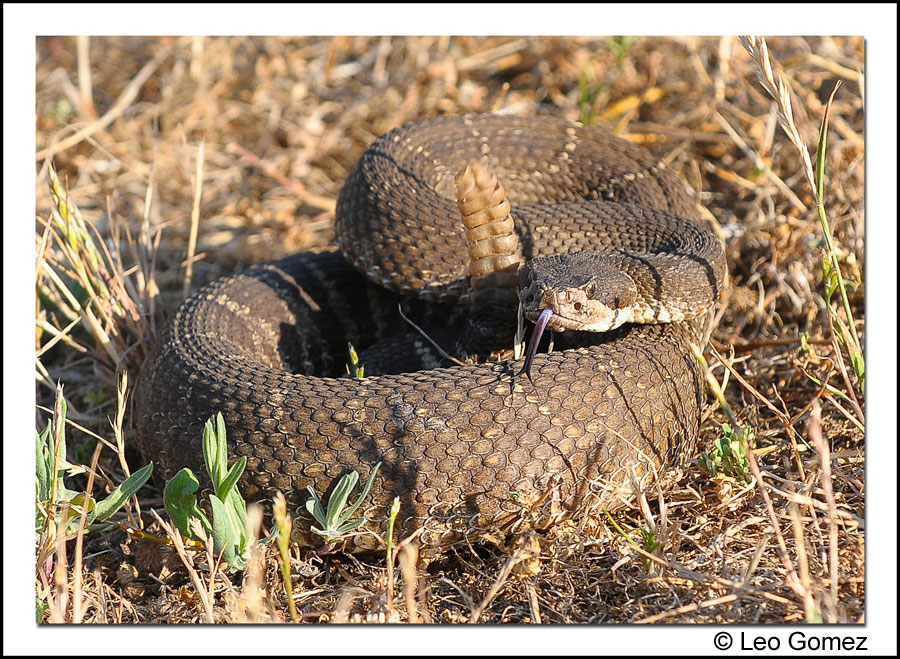
| Adult, Napa County © John Hodgson | Adult, Santa Clara County © Leo Gomez |
Adult, Sutter Buttes, Sutter County. © Jackson Shedd. Specimen courtesy of Eric Olson. |
Adult, Sacramento County © Connor Long |
||||||||||||||||||||||||||||||||||||||||||||||||||||
 |
 |
 |
 |
||||||||||||||||||||||||||||||||||||||||||||||||||||
| Adult head close-up, Siskiyou County |
Adult head close-up, Washington |
Adult, Kern County | Adult, Santa Clara County © John Worden |
||||||||||||||||||||||||||||||||||||||||||||||||||||
 |
|||||||||||||||||||||||||||||||||||||||||||||||||||||||
| This adult was found in a desert canyon on the east side of the southern Sierra Nevada Mountains © Ryan Sikola | |||||||||||||||||||||||||||||||||||||||||||||||||||||||
 |
 |
 |
 |
||||||||||||||||||||||||||||||||||||||||||||||||||||
| Adult, Santa Clara County © John Worden |
Adult, San Mateo County, about a half mile east of the ocean © Jared Heald | © Ryan Hunter | Adult, 8280 ft., Tulare County. © Scott Wiley |
||||||||||||||||||||||||||||||||||||||||||||||||||||
 |
 |
 |
 |
||||||||||||||||||||||||||||||||||||||||||||||||||||
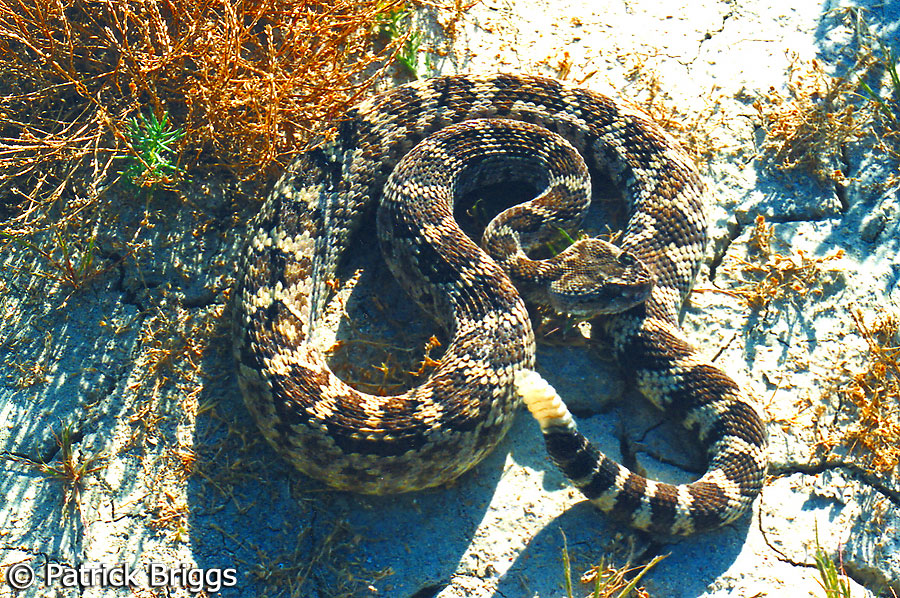
| Adult, Fresno County © Patrick Briggs |
Adult in Yosemite National Park © Kenneth D. Cohn |
Adult, Plumas County © Railfan |
Pale adult, Alameda County © Emile Bado |
||||||||||||||||||||||||||||||||||||||||||||||||||||
 |
 |
 |
 |
||||||||||||||||||||||||||||||||||||||||||||||||||||
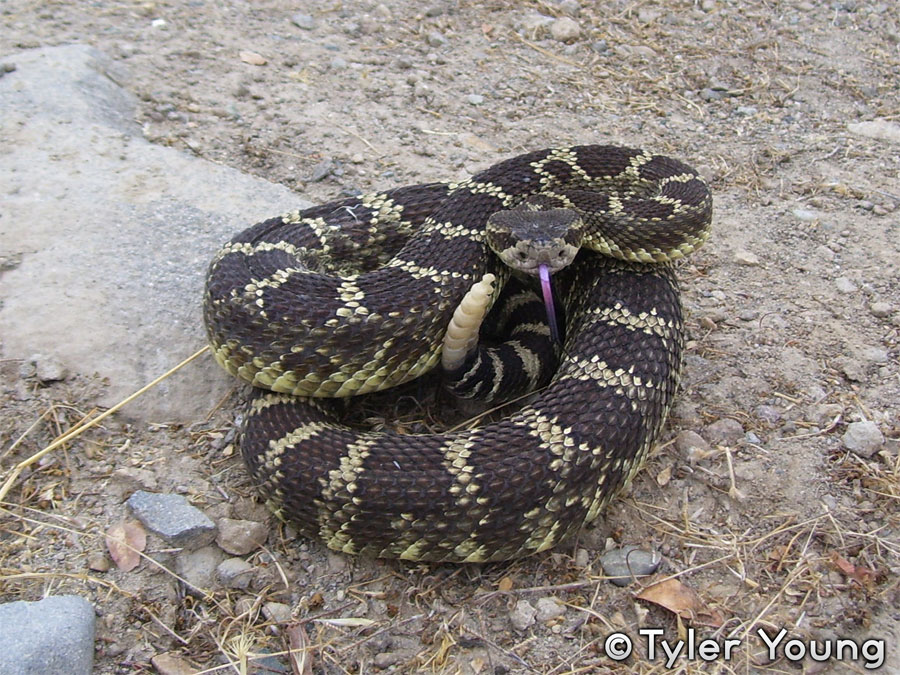
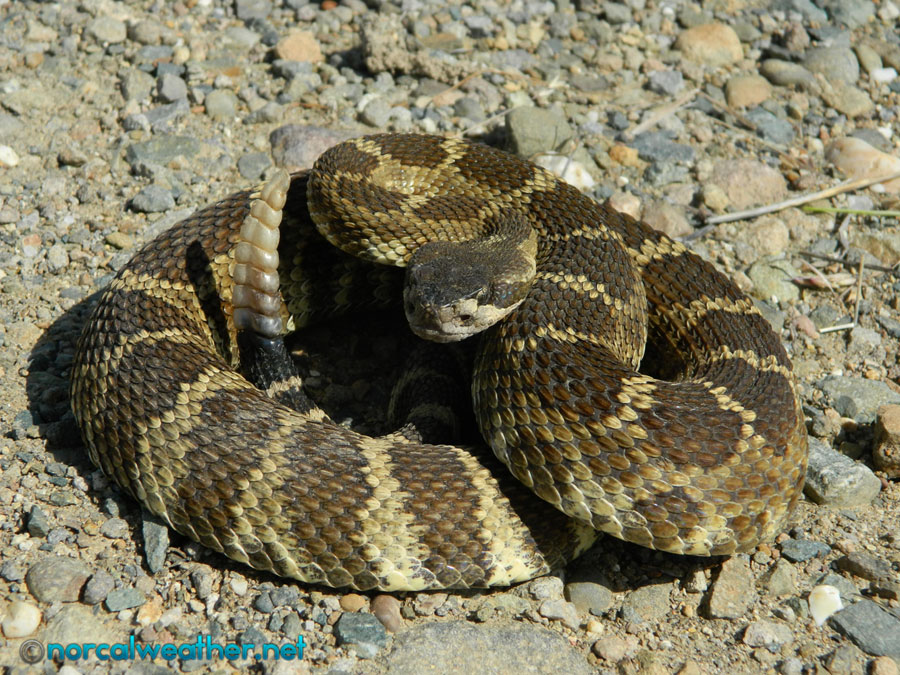
| Sub-adult, Placer County © Tyler Young | Sub-adult, Placer County © Tyler Young | Adult, Placer County © Tyler Young | Adult, Placer County © Tyler Young | ||||||||||||||||||||||||||||||||||||||||||||||||||||
 |
 |
 |
 |
||||||||||||||||||||||||||||||||||||||||||||||||||||
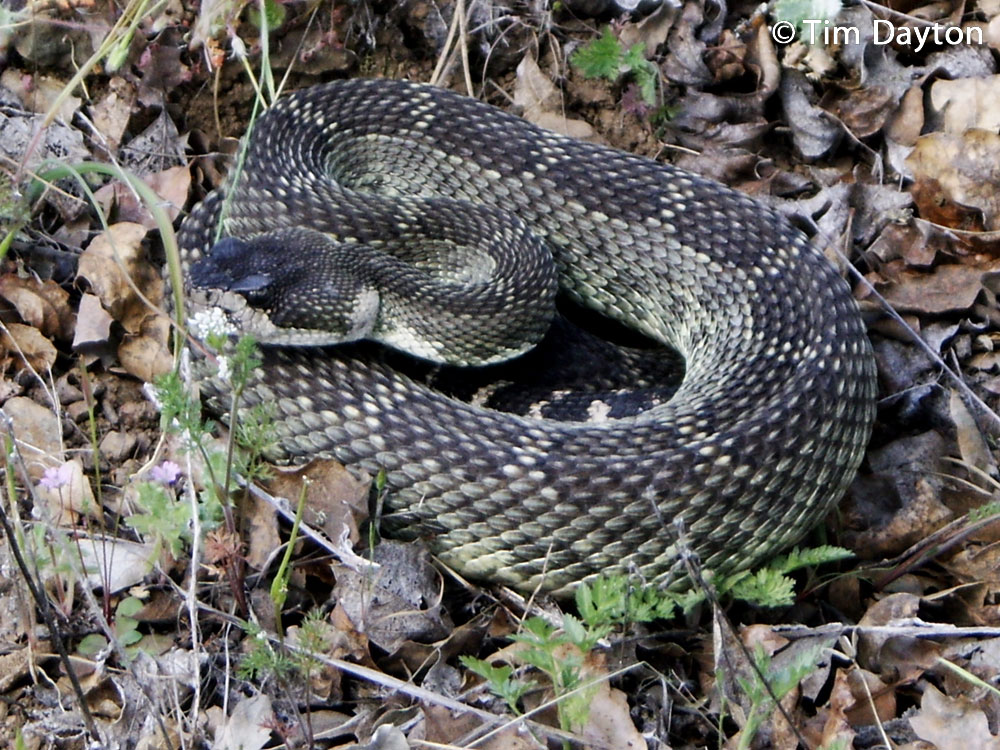
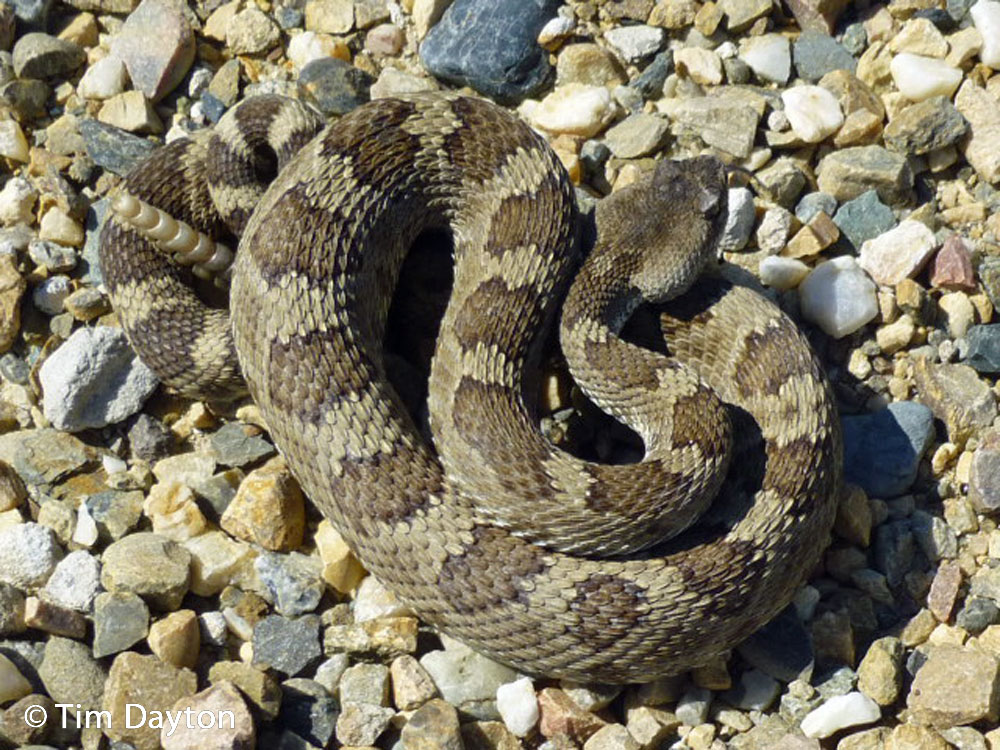
| Adult, El Dorado County © Tyler Young | Adult, El Dorado County © Tyler Young | Adult, Placer County © Tyler Young | Adult, Napa County © Tim Dayton |
||||||||||||||||||||||||||||||||||||||||||||||||||||
 |
 |
 |
 |
||||||||||||||||||||||||||||||||||||||||||||||||||||
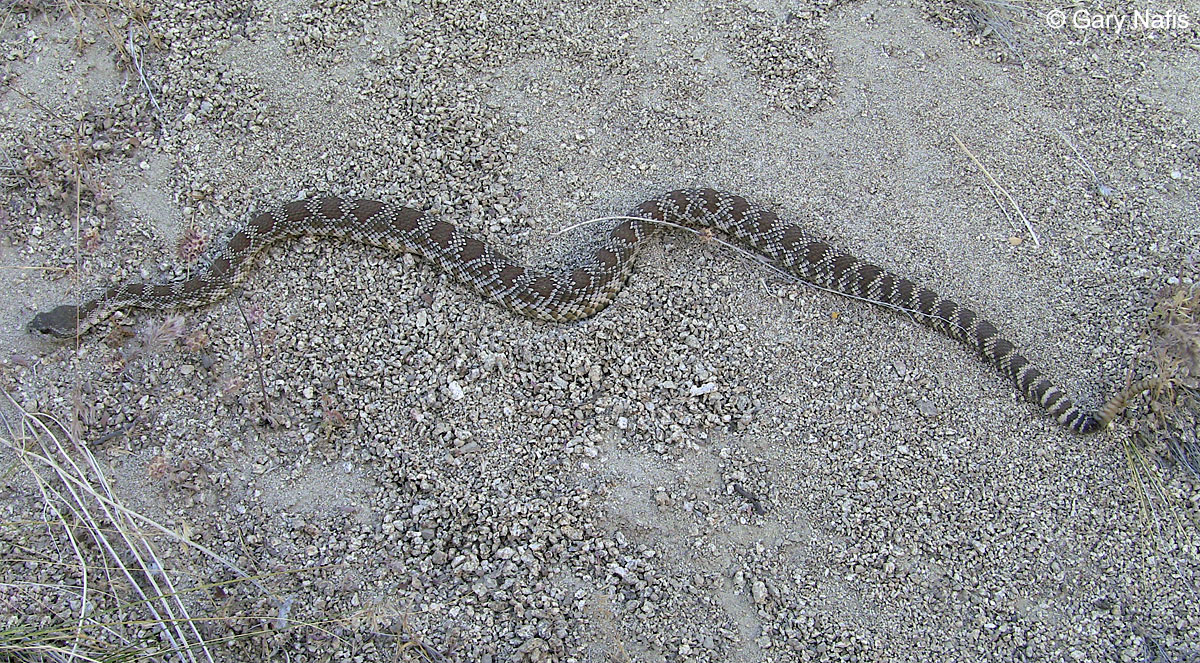
| Adult, Calaveras County © Tim Dayton | Adult, Calaveras County © Tim Dayton | Adult, San Mateo County © Tim Dayton | Adult, El Dorado County © Tim Dayton | ||||||||||||||||||||||||||||||||||||||||||||||||||||
 |
 |
||||||||||||||||||||||||||||||||||||||||||||||||||||||
| Adult, Kern County | Adult, Siskiyou County © Doug Jeffries |
||||||||||||||||||||||||||||||||||||||||||||||||||||||
 |
 |
 |
 |
||||||||||||||||||||||||||||||||||||||||||||||||||||
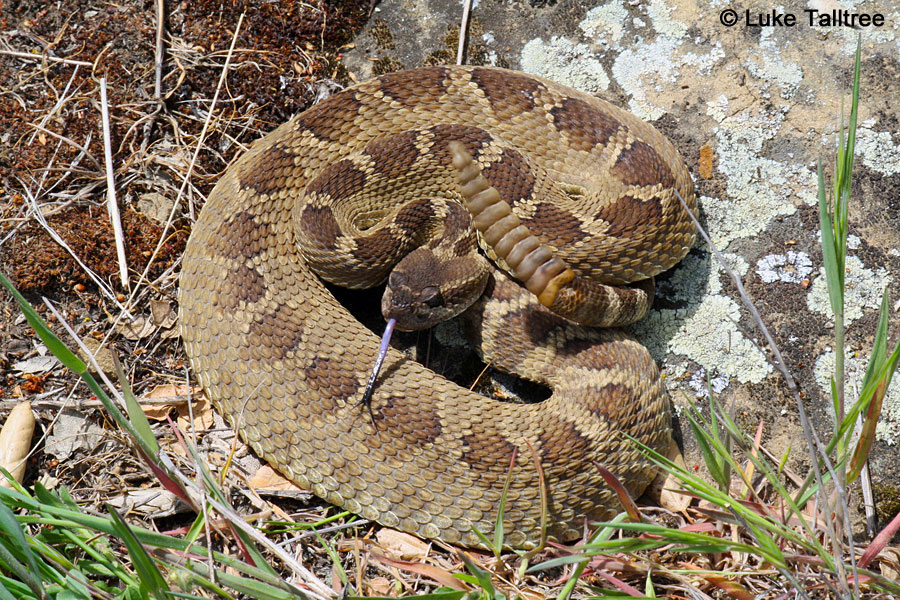
| Adult, Contra Costa County © Luke Talltree |
Part of a group of 5 adults found sheltering under the same rock in San Mateo County © Luke Talltree | Adult, Santa Clara County © Yuval Helfman | |||||||||||||||||||||||||||||||||||||||||||||||||||||
 |
 |
 |
 |
||||||||||||||||||||||||||||||||||||||||||||||||||||
| Adult with blue coloring, Lake County © John Delgado | Adult, Lake County © John Delgado | ||||||||||||||||||||||||||||||||||||||||||||||||||||||
 |
 |
 |
 |
||||||||||||||||||||||||||||||||||||||||||||||||||||
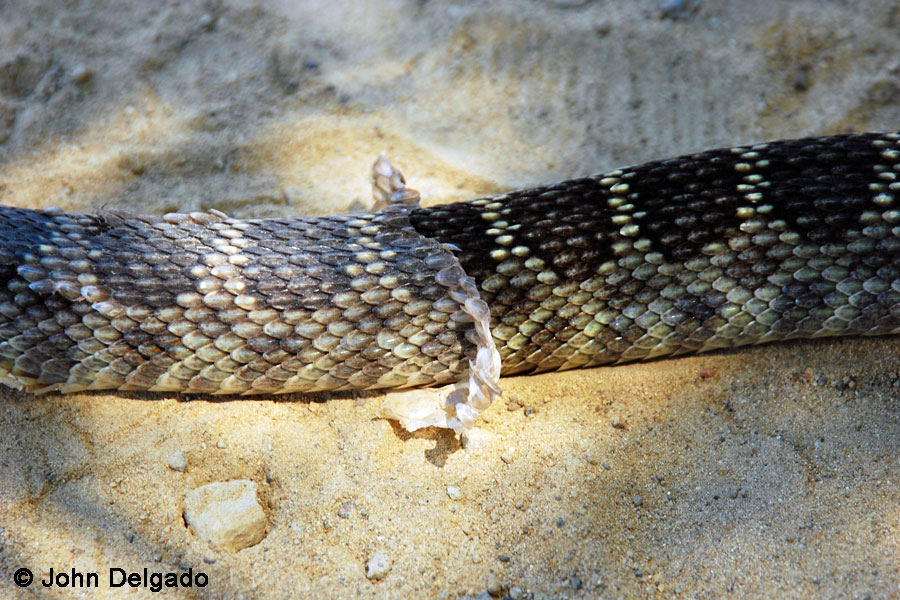
| Lake County adult in the middle of shedding its skin. © John Delgado | Adult, Shasta County © Richard Gentile |
||||||||||||||||||||||||||||||||||||||||||||||||||||||
 |
 |
 |
 |
||||||||||||||||||||||||||||||||||||||||||||||||||||
| Rattlesnakes are often difficult to see due to their cryptic color and pattern when they bask outside of their shelter or sit and wait for prey to run by. There is a snake in this picture taken near Folsom Lake. Enlarge it and see if you can find it. © Rod | Adult in sunny basking spot in March, San Joaquin County |
This dark adult was observed basking and rattling on a high rocky ridge on an early August afternoon at a little over 11,000 ft. elevation (3,353 m.) in the Sierra Nevada Mountains of Fresno County. It's hard to believe they live so high in the mountains, but the species has also been documented as high as 12,112 ft. (3962 m.) in Nevada. © Rick Wachs | |||||||||||||||||||||||||||||||||||||||||||||||||||||
 |
 |
 |
 |
||||||||||||||||||||||||||||||||||||||||||||||||||||
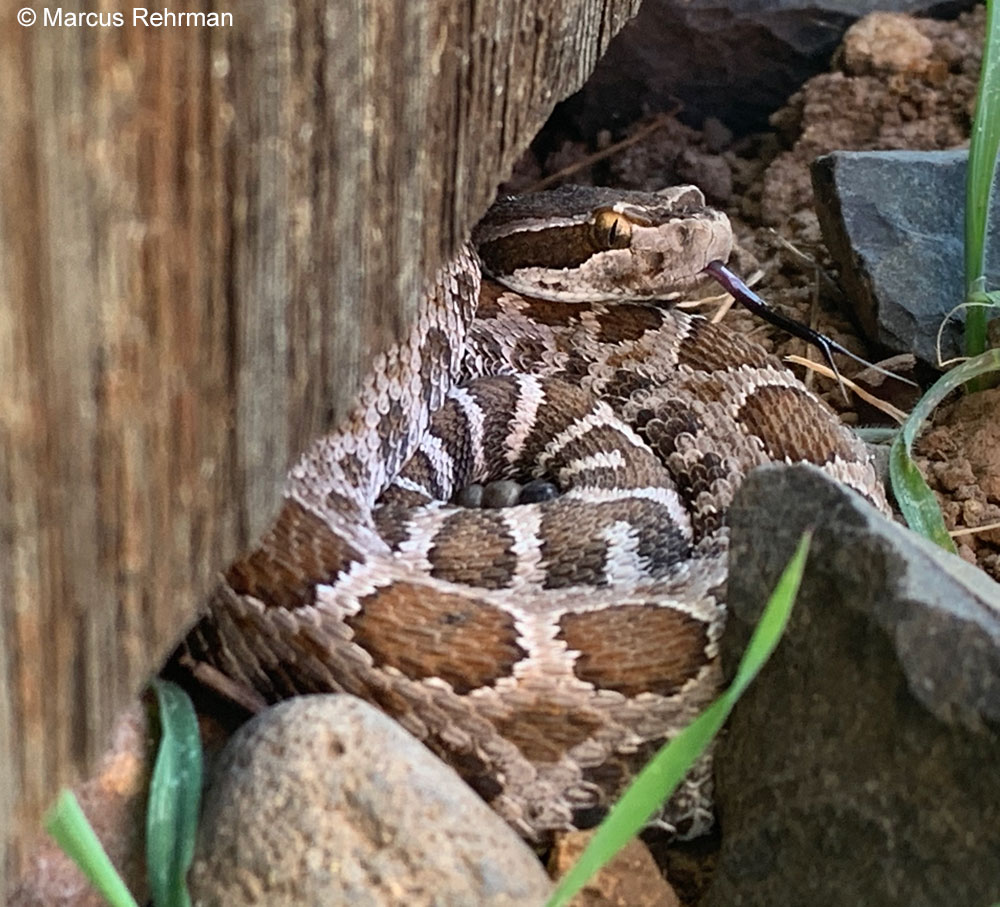
| Adult, Butte County © Marcus Rehrman | Adult with some irregular blotches, Santa Clara County © Yuval Helfman | Adult at the opening of a burrow or hibernaculum in Santa Clara County © Yuval Helfman |
Dark adult, San Luis Obispo County in vegetation at the edge of the ocean. © Ryan Sikola |
||||||||||||||||||||||||||||||||||||||||||||||||||||
 |
 |
||||||||||||||||||||||||||||||||||||||||||||||||||||||
| Adult, Contra Costa County © Ryan Dugan | Adult, Contra Costa County © Yuval Helfman |
||||||||||||||||||||||||||||||||||||||||||||||||||||||
 |
 |
 |
|||||||||||||||||||||||||||||||||||||||||||||||||||||
| Copper and brown adult, coastal San Luis Obispo County © Ryan Sikola | Straw-colored adult, coastal San Luis Obispo County © Ryan Sikola | Subadult, San Luis Obispo County © Ryan Sikola |
|||||||||||||||||||||||||||||||||||||||||||||||||||||
 |
 |
 |
 |
||||||||||||||||||||||||||||||||||||||||||||||||||||
| Huge adult at the edge of a pond in Conta Costa County © Mark Gary | Dark adult, Yuba County © John Berge |
Adult coiled up under a drinking bowl for dogs in a park in Monterey County © Mike German |
|||||||||||||||||||||||||||||||||||||||||||||||||||||
 |
 |
 |
 |
||||||||||||||||||||||||||||||||||||||||||||||||||||
Differently-colored Northern Pacific Rattlesnakes from the same den in Santa Clara County. © Faris K |
Two different color-contrasting snakes from the same Santa Clara County den as those on the left. © Faris K |
Adult, Santa Clara County © Yuval Helfman | |||||||||||||||||||||||||||||||||||||||||||||||||||||
 |
 |
 |
|||||||||||||||||||||||||||||||||||||||||||||||||||||
| Adult, San Luis Obispo County coast, after eating a large meal, © Dan Boyd | Adult soaking in an Alameda County pond, possibly just before shedding. It seems to be intentionally trying to keep its rattle dry, but that's not certain. © Mark Gary |
Adult taking a dip in a creek in Alameda County © Mark Gary |
|||||||||||||||||||||||||||||||||||||||||||||||||||||
 |
 |
 |
|||||||||||||||||||||||||||||||||||||||||||||||||||||
| An adult from Fresno County with red markings. © Daniel Koury | Adult in situ, Alameda County © Matthias Lemm |
Adult, Plumas County © Brett Hayslett |
|||||||||||||||||||||||||||||||||||||||||||||||||||||
| Adut Northern Pacific Rattlesnakes From Intergrade Areas | |||||||||||||||||||||||||||||||||||||||||||||||||||||||
 |
|||||||||||||||||||||||||||||||||||||||||||||||||||||||
| Intergrade with C. o. helleri , Santa Barbara County © Benjamin German |
|||||||||||||||||||||||||||||||||||||||||||||||||||||||
Juveniles Northern Pacific Rattlesnakes |
|||||||||||||||||||||||||||||||||||||||||||||||||||||||
 |
|||||||||||||||||||||||||||||||||||||||||||||||||||||||
| Neonate, Solano County © Lou Silva | |||||||||||||||||||||||||||||||||||||||||||||||||||||||
 |
|||||||||||||||||||||||||||||||||||||||||||||||||||||||
| Juvenile, San Benito County | |||||||||||||||||||||||||||||||||||||||||||||||||||||||
 |
 |
 |
 |
||||||||||||||||||||||||||||||||||||||||||||||||||||
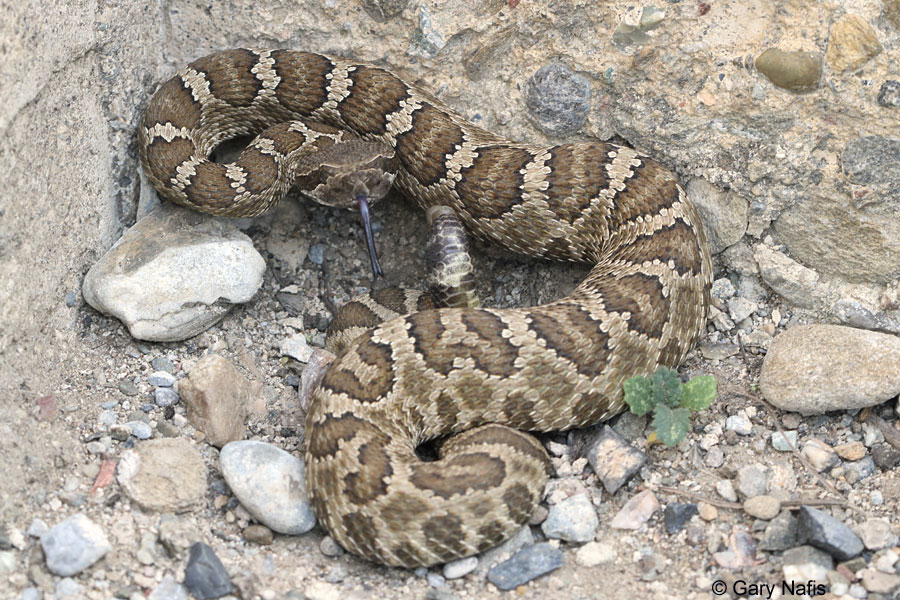
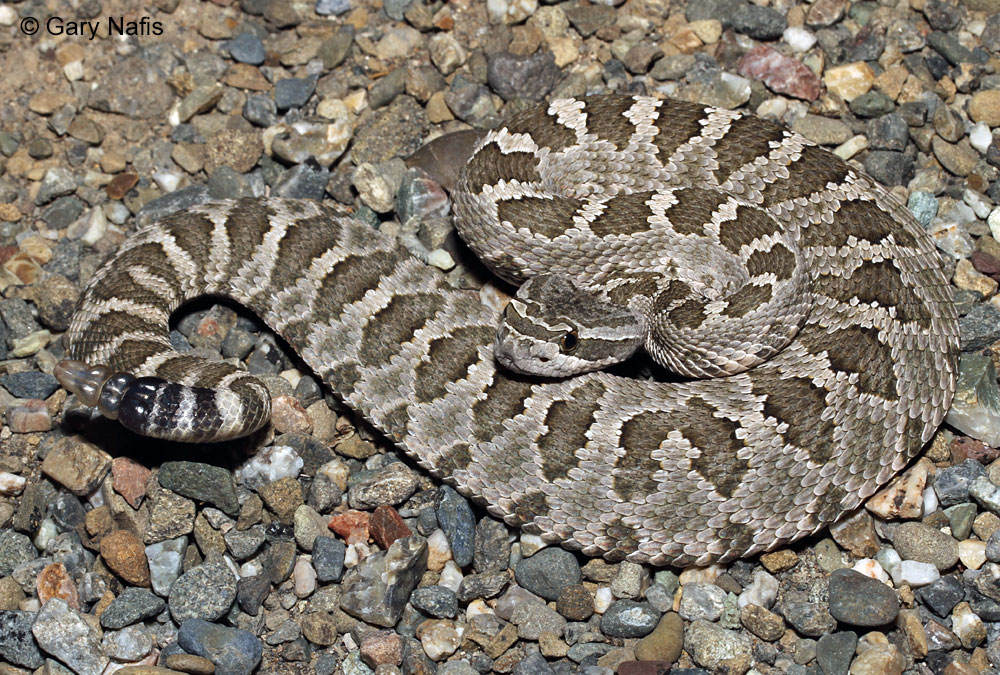
| Juvenile, Placer County | Juvenile, Santa Cruz County | Juvenile, San Joaquin County | |||||||||||||||||||||||||||||||||||||||||||||||||||||
 |
 |
 |
 |
||||||||||||||||||||||||||||||||||||||||||||||||||||
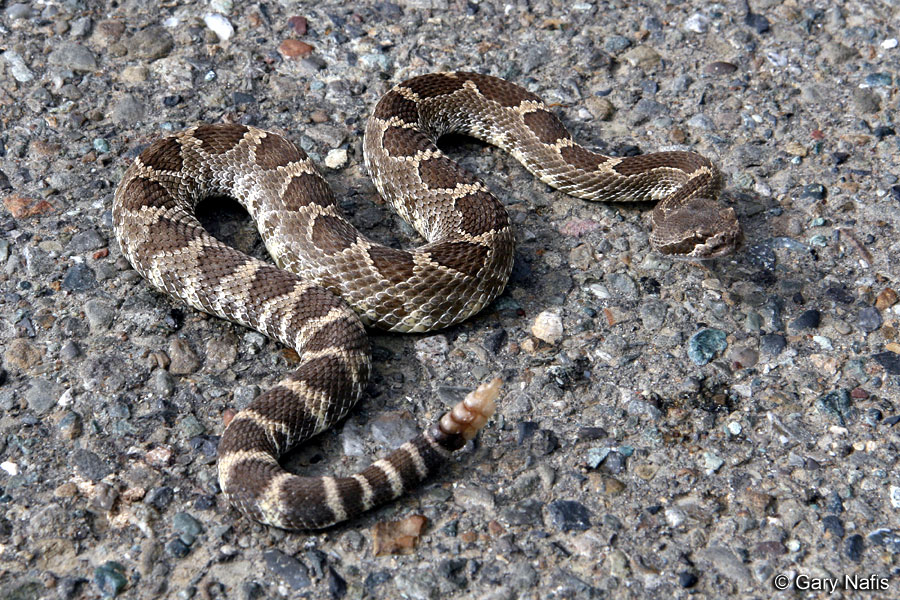
| Juvenile, Kings County | Juvenile, Alameda County | ||||||||||||||||||||||||||||||||||||||||||||||||||||||
 |
 |
 |
 |
||||||||||||||||||||||||||||||||||||||||||||||||||||
| Juvenile, San Benito County | Juvenile, Carrizo Plain, San Luis Obispo County |
Juvenile, Calaveras County © Joe Lazzara |
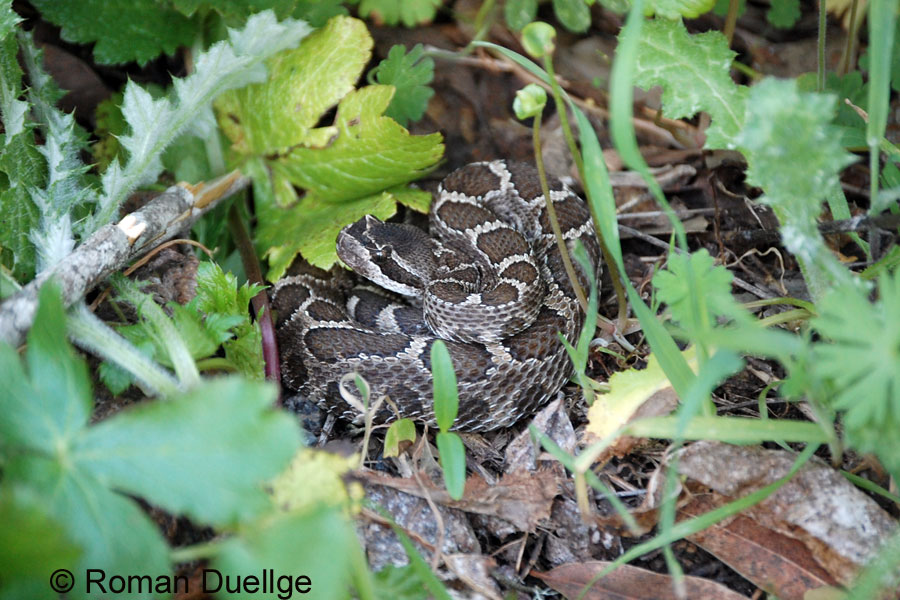
Juvenile, Sonoma County © Roman Duellge |
||||||||||||||||||||||||||||||||||||||||||||||||||||
 |
 |
 |
|||||||||||||||||||||||||||||||||||||||||||||||||||||
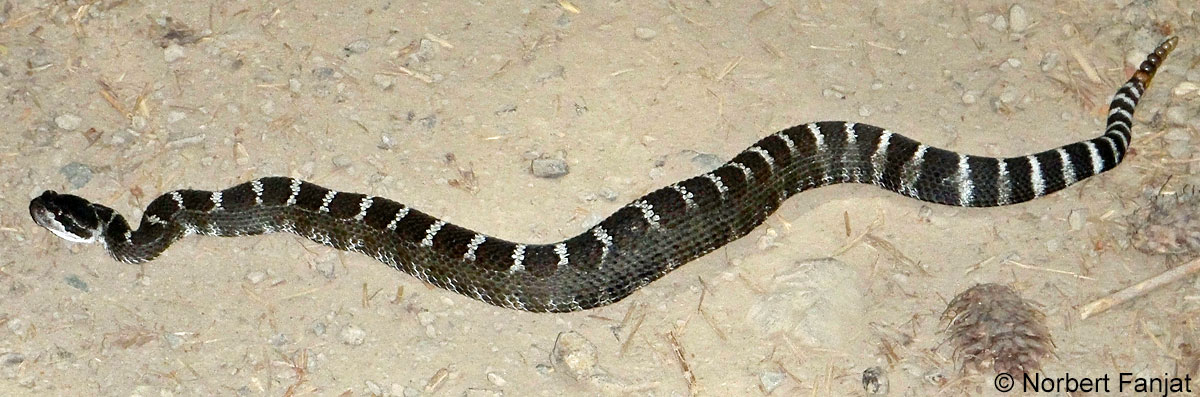
| Sub-adult, Santa Cruz County © Norbert Fanjat | Juvenile, Sacramento County © Connor Long |
||||||||||||||||||||||||||||||||||||||||||||||||||||||
 |
 |
 |
 |
||||||||||||||||||||||||||||||||||||||||||||||||||||
| Juvenile, San Luis Obispo County © Nate Smith |
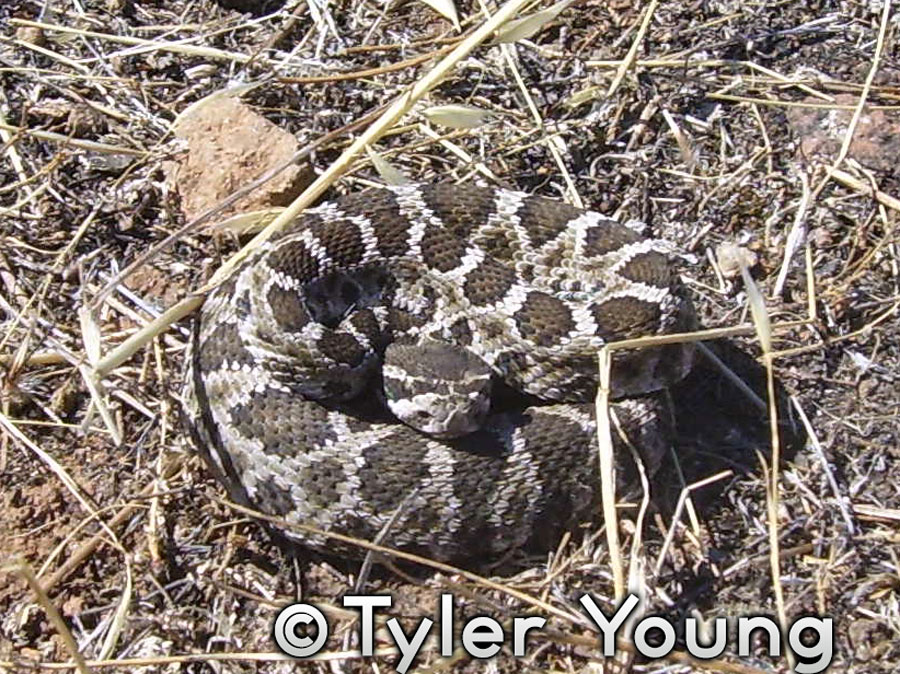
Tiny neonate with one rattle button, Stanislaus County © Chris Glover | Juvenile, Placer County © Tyler Young |
|||||||||||||||||||||||||||||||||||||||||||||||||||||
 |
 |
 |
 |
||||||||||||||||||||||||||||||||||||||||||||||||||||
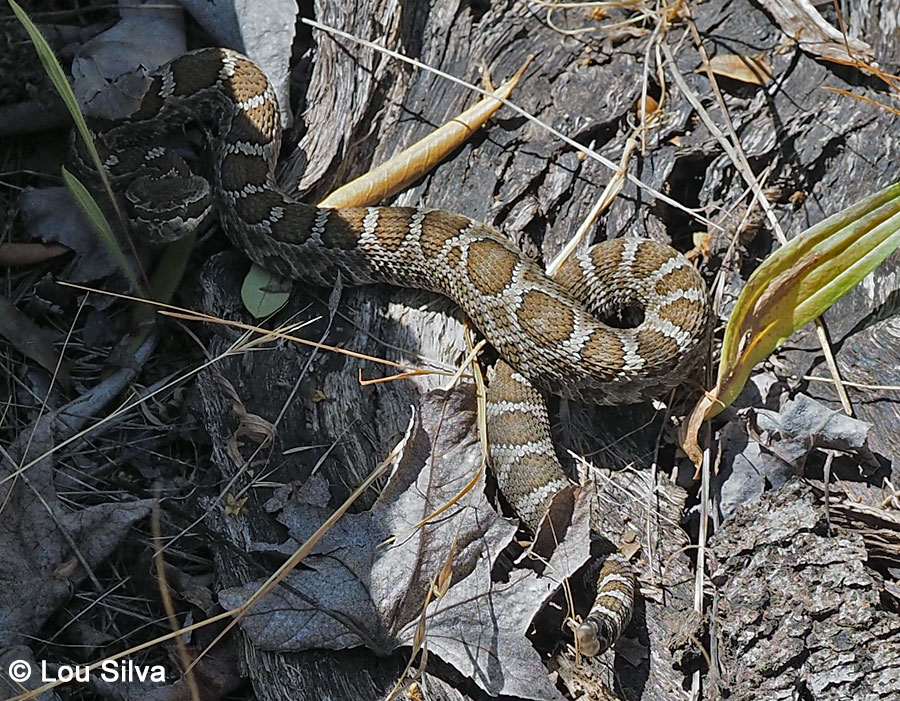
| Juvenile, Mare Island, Solano County © Lou Silva |
Juvenile, Plumas County © Railfan |
Juvenile, Calaveras County © Tim Dayton |
Juvenile, San Mateo County © BJP |
||||||||||||||||||||||||||||||||||||||||||||||||||||
 |
 |
 |
 |
||||||||||||||||||||||||||||||||||||||||||||||||||||
| Juvenile found under a rock with its recent shed skin, Santa Clara County © Luke Talltree |
Juvenile, Napa County © Lou Silva |
Juvenile, Santa Clara County © Douglas Brown |
Juvenile, Sacramento County © Connor Long |
||||||||||||||||||||||||||||||||||||||||||||||||||||
 |
 |
 |
|
||||||||||||||||||||||||||||||||||||||||||||||||||||
| Juvenile, Marin County © Terry Goyan |
Juvenile, Marin County © Terry Goyan |
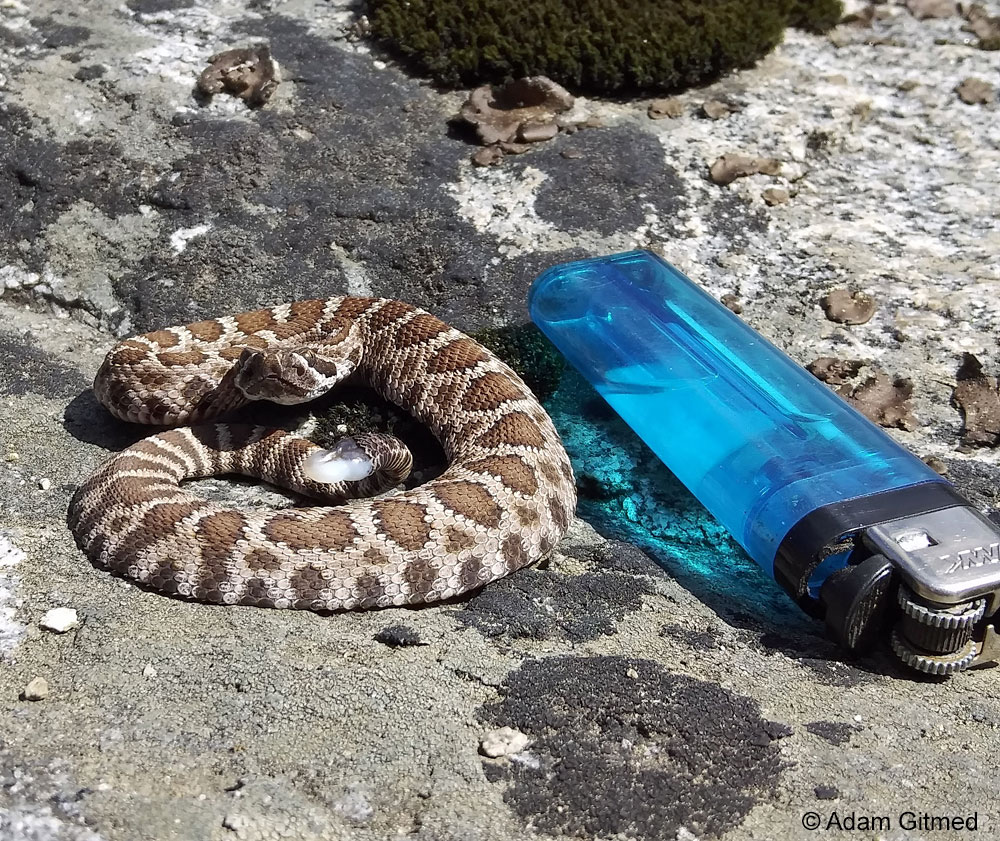
Very tiny neonate, 5500 ft. elevation, Tuolumne County. The lighter on the right is approximately two inches in length (5 cm) © Adam Gitmed | |||||||||||||||||||||||||||||||||||||||||||||||||||||
 |
 |
||||||||||||||||||||||||||||||||||||||||||||||||||||||
| Juvenile with a fresh meal inside, Contra Costa County © Yuval Helfman | |||||||||||||||||||||||||||||||||||||||||||||||||||||||
 |
 |
 |
 |
||||||||||||||||||||||||||||||||||||||||||||||||||||
| Neonate about 5 inches long with single yellow button on tail, observed in May in Santa Clara County © Todd Campbell-Crow |
Juvenile, Santa Clara County © Yuval Helfman |
Neonate, San Mateo County © Zeev Nitzan Ginsberg | |||||||||||||||||||||||||||||||||||||||||||||||||||||
 |
|||||||||||||||||||||||||||||||||||||||||||||||||||||||
| Juvenile, Humboldt County © Lee Hecker |
|||||||||||||||||||||||||||||||||||||||||||||||||||||||
Northern Pacific Rattlesnakes With Unusual or Interesting Color and Pattern Variations |
|||||||||||||||||||||||||||||||||||||||||||||||||||||||
Northern Pacific Rattlesnakes With Green-ish Coloring |
|||||||||||||||||||||||||||||||||||||||||||||||||||||||
| I've heard reports of "bright green" Northern Pacific rattlesnakes, but so far nobody has sent me a picture of a snake any greener than those shown below, none of which I would call "bright green." If you have any pictures of green Northern Pacific Rattlesnakes, please send them to me to use here. |
|||||||||||||||||||||||||||||||||||||||||||||||||||||||
 |
 |
 |
 |
||||||||||||||||||||||||||||||||||||||||||||||||||||
| Adult, San Joaquin County © Chad Lane |
Greenish adult, Lake County. © Lawrence Anderson |
A patternless green adult from Santa Cruz County © Ben Witzke | |||||||||||||||||||||||||||||||||||||||||||||||||||||
 |
 |
 |
 |
||||||||||||||||||||||||||||||||||||||||||||||||||||
| Adult with dark olive-green coloring, San Luis Obispo County coast © Joel A. Germond (The large version of the image also shows a juvenile on the top.) | Dark olive-green adult found sheltering with juveniles, San Luis Obispo County coast © Dan Boyd | Adult with some green coloring, San Joaquin County © Colin Miller | Adult with a greenish tint, Yuba County © John Berge |
||||||||||||||||||||||||||||||||||||||||||||||||||||
 |
 |
 |
 |
||||||||||||||||||||||||||||||||||||||||||||||||||||
| Adult with a green tint, Santa Clara County © Yuval Helfman | Adult, Sutter County © Marcus Rehrman | ||||||||||||||||||||||||||||||||||||||||||||||||||||||
 |
 |
 |
 |
||||||||||||||||||||||||||||||||||||||||||||||||||||
| Adult with green tint, Santa Clara County © Annette Herz | Adult with a greenish tint, Contra Costa County.© James McCloskey from North Bay Rattlesnake Removal in Napa, CA. | Adult, Monterey County © Heather Gent |
|||||||||||||||||||||||||||||||||||||||||||||||||||||
| Northern Pacific Rattlesnakes with Unusual or Interesting Coloring, Patterns, or Lacking a Pattern | |||||||||||||||||||||||||||||||||||||||||||||||||||||||
 |
 |
 |
 |
||||||||||||||||||||||||||||||||||||||||||||||||||||
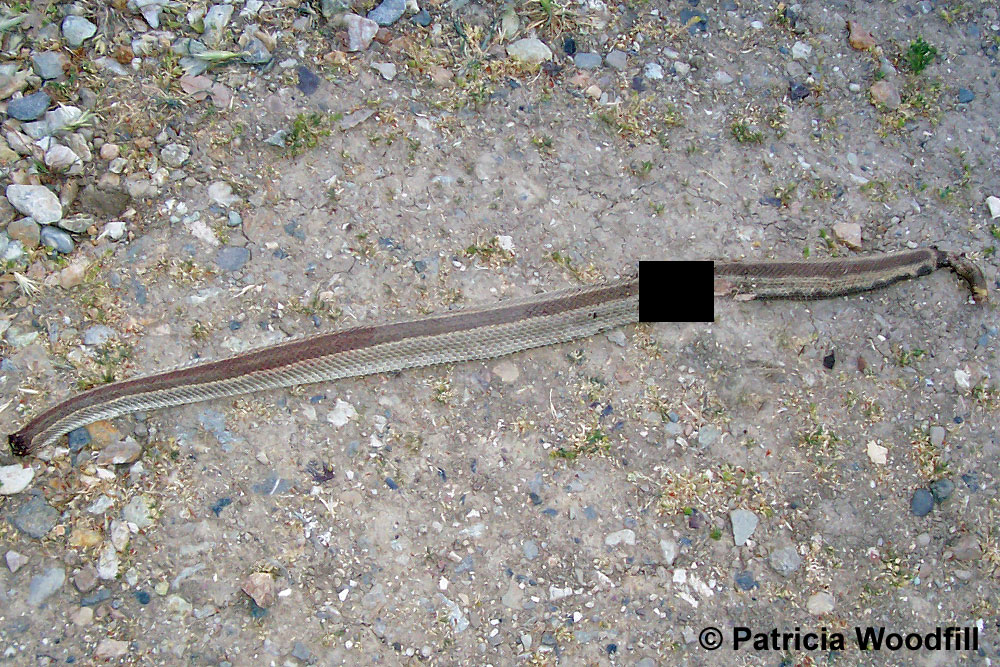
| This unusually-patterned snake from coastal dunes in San Luis Obispo County has a mostly patternless body with a pale dorsal stripe (similar to a garter snake) and the usual rings around the tail. © Kevin Crouch | This juvenile rattlesnake with a very wide dorsal stripe and not a trace of a pattern or banding on the tail was found shot, killed, and decapitated in the San Antonio Valley in southern Monterey County. (Some of the gore has been censored in one of the enlarged versions.) © Patricia Woodfill | ||||||||||||||||||||||||||||||||||||||||||||||||||||||
 |
 |
|
|
||||||||||||||||||||||||||||||||||||||||||||||||||||
| Very dark adult from western Kern County © Mike Waters | A patternless green adult from Santa Cruz County © Ben Witzke | ||||||||||||||||||||||||||||||||||||||||||||||||||||||
 |
 |
 |
 |
||||||||||||||||||||||||||||||||||||||||||||||||||||
| Low-contrast pattern reddish adult, Tulare County © Zachary Lemon |
Low-contrast pattern reddish adult found at 8,280 feet elevation, Tulare County. © Ken D. Wiley |
Low-contrast pattern reddish adult, Kern Plateau, Kern County © Sam Wilson |
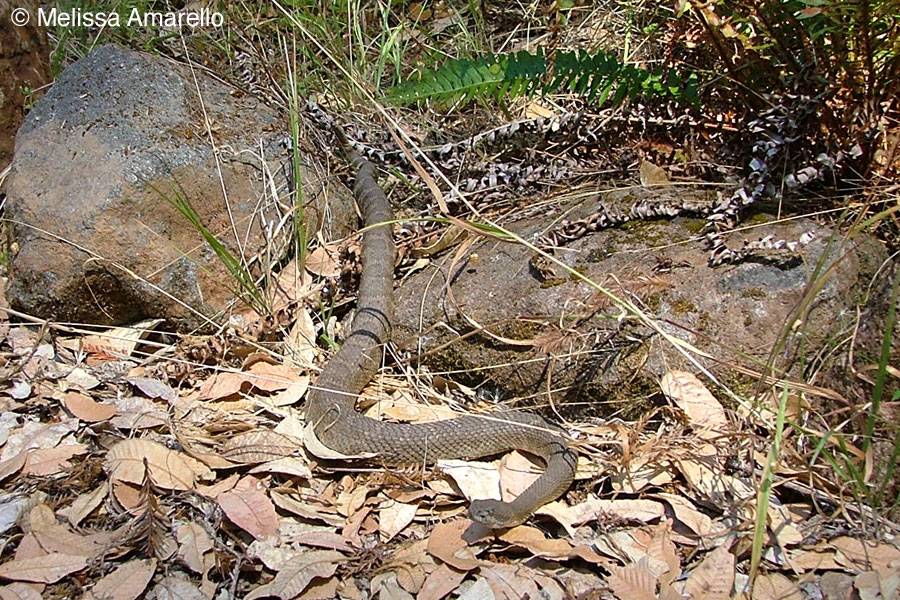
Adult, San Mateo County, ready to shed - showing very little contrast in its pattern. © Melissa Amarello | ||||||||||||||||||||||||||||||||||||||||||||||||||||
 |
 |
 |
 |
||||||||||||||||||||||||||||||||||||||||||||||||||||
| Patternless adult, Contra Costa County © Ameet Zaveri |
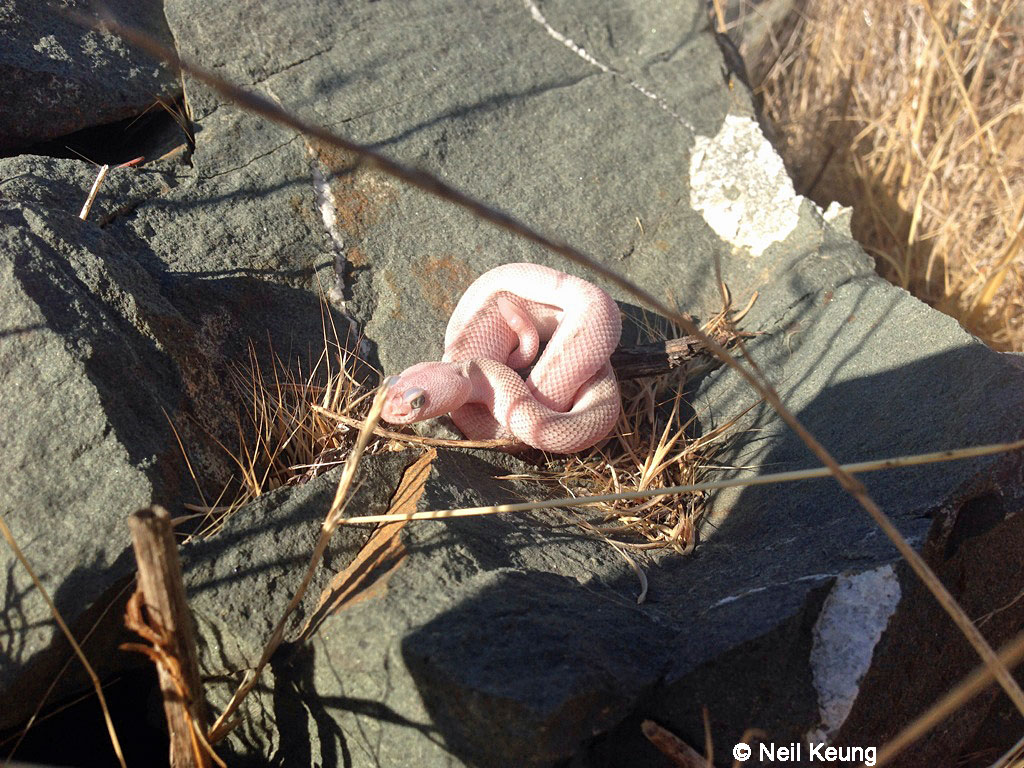
Leucistic neonate, Santa Clara County © Neil Keung This was originally labelled as an Albino but someone pointed out that there is pigment in the eyes which is not present in albinos. |
Adult snake from Alameda County with very little pattern © David Rodriguez | |||||||||||||||||||||||||||||||||||||||||||||||||||||
 |
 |
 |
 |
||||||||||||||||||||||||||||||||||||||||||||||||||||
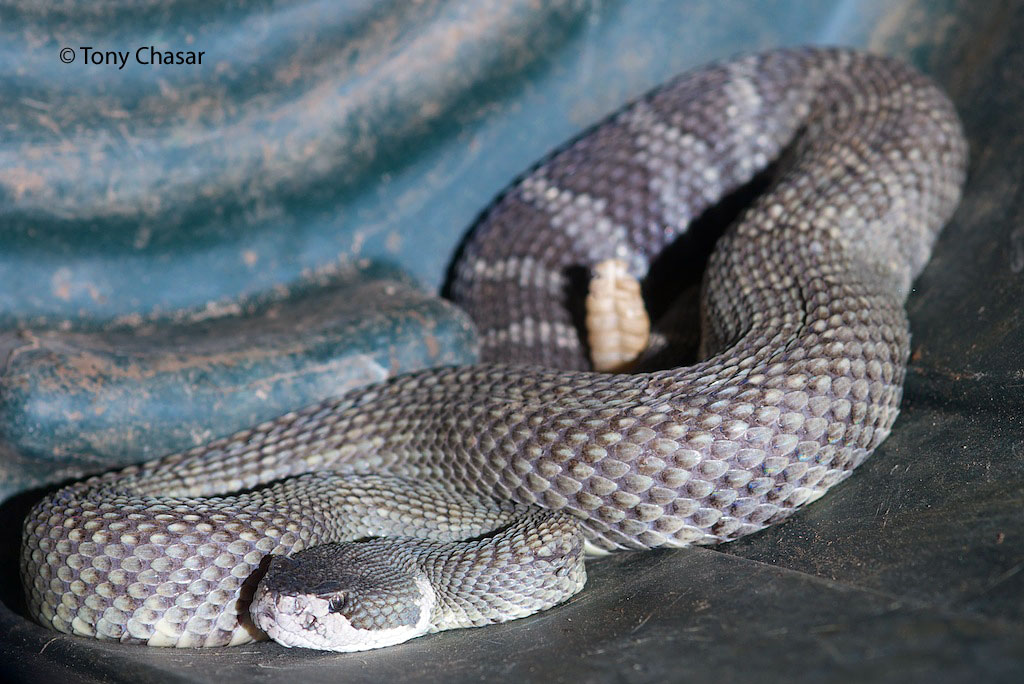
| Adult from the Humboldt/Mendocino County line with a nearly- patternless front and a normal rear. © Tony Chasar |
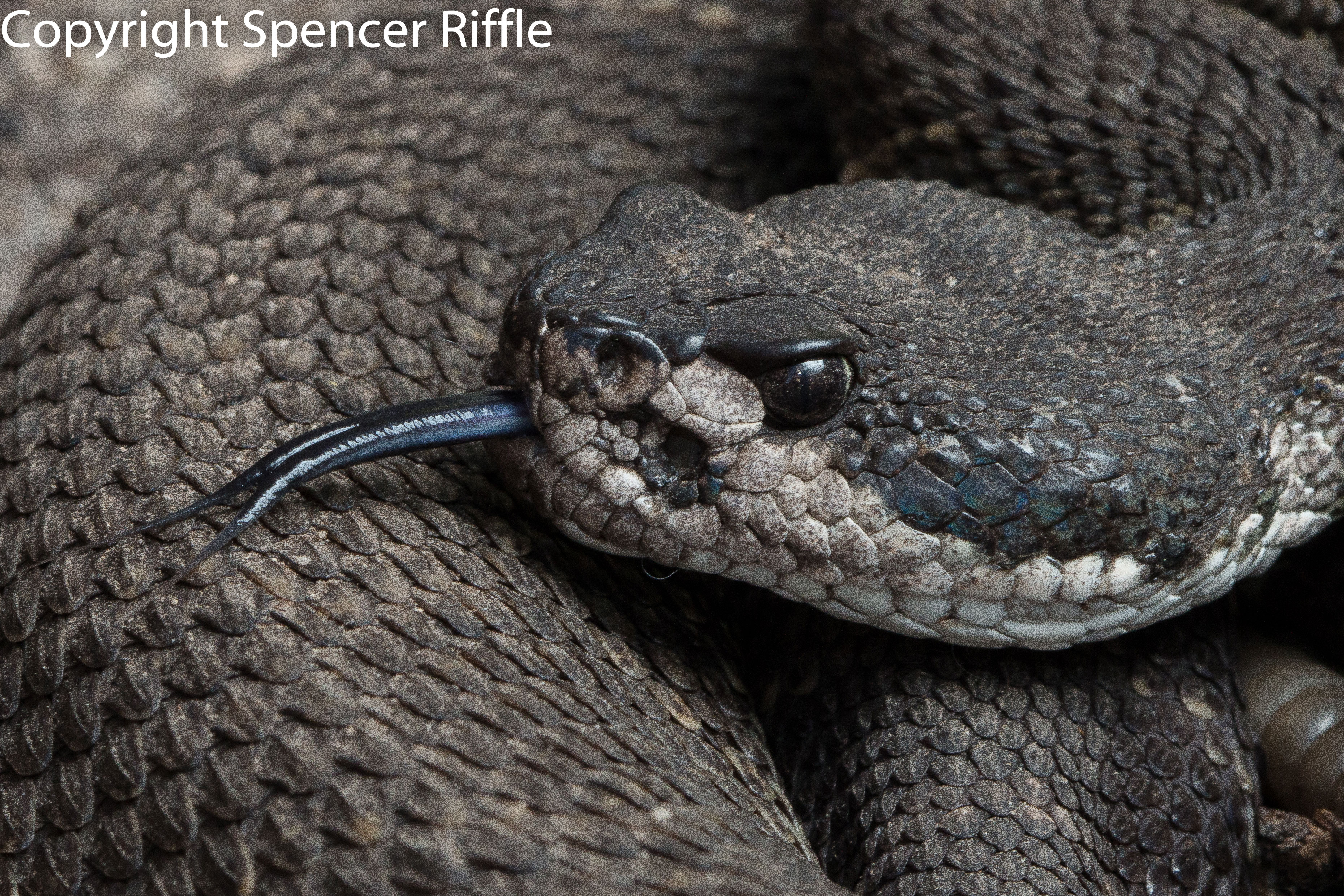
This adult from Santa Cruz County is nearly patternless. © Spencer Riffle | ||||||||||||||||||||||||||||||||||||||||||||||||||||||
 |
 |
 |
 |
||||||||||||||||||||||||||||||||||||||||||||||||||||
| A nearly colorless adult, Humboldt County | Oddly-patterned juvenile from western Kern County © Mike Waters |
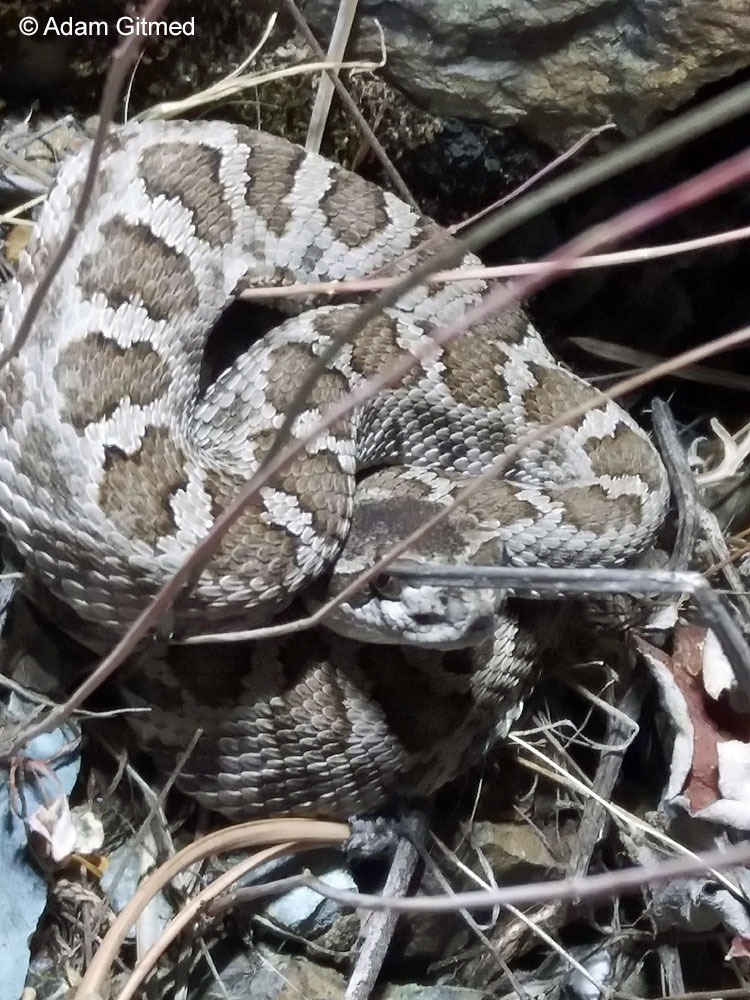
Very light-colored adult, Stanislaus County © Adam Gitmed |
|||||||||||||||||||||||||||||||||||||||||||||||||||||
 |
|||||||||||||||||||||||||||||||||||||||||||||||||||||||
| This adult snake from Merced County has some atypical dark blotches and an unusual pattern on the tail end. © Mark Hilands | |||||||||||||||||||||||||||||||||||||||||||||||||||||||
 |
 |
 |
 |
||||||||||||||||||||||||||||||||||||||||||||||||||||
| Partly-striped adult, Alameda County © Adam Gitmed |
The pattern on this unusual juvenile photographed in Alameda County is very faint. It might be missing its black pigment. © Yuval Helfman | This large melanistic adult was seen in Contra Costa County. © Jeffrey Finder | Partially-striped sub-adult, San Luis Obispo County © Daniel Koury | ||||||||||||||||||||||||||||||||||||||||||||||||||||
 |
 |
 |
|||||||||||||||||||||||||||||||||||||||||||||||||||||
| Adult with yellow coloring, Carrizo Plain, eastern San Luis Obispo County © John Sullivan |
Adult with yellow coloring, Carrizo Plain, eastern San Luis Obispo County © John Sullivan |
Adult with yellow coloring, from the eastern edge of San Luis Obispo County © Ryan Sikola |
|||||||||||||||||||||||||||||||||||||||||||||||||||||
 |
 |
||||||||||||||||||||||||||||||||||||||||||||||||||||||
| Unusually rusty-colored adult, Santa Clara County © Parsa Fard This snake appears to be missing melanin but has retained other pigments. Notice the golden eyes. The tongue was also pink instead of black. |
|||||||||||||||||||||||||||||||||||||||||||||||||||||||
Northern Pacific Rattlesnake Tails and Rattles |
|||||||||||||||||||||||||||||||||||||||||||||||||||||||
 |
 |
 |
 |
||||||||||||||||||||||||||||||||||||||||||||||||||||
| Adult tail and rattle, Tuolumne County | Adult tail and rattle, Fresno County | Adult tail and rattle, Santa Cruz County | Tail of adult, Kern County | ||||||||||||||||||||||||||||||||||||||||||||||||||||
 |
 |
|
 |
||||||||||||||||||||||||||||||||||||||||||||||||||||
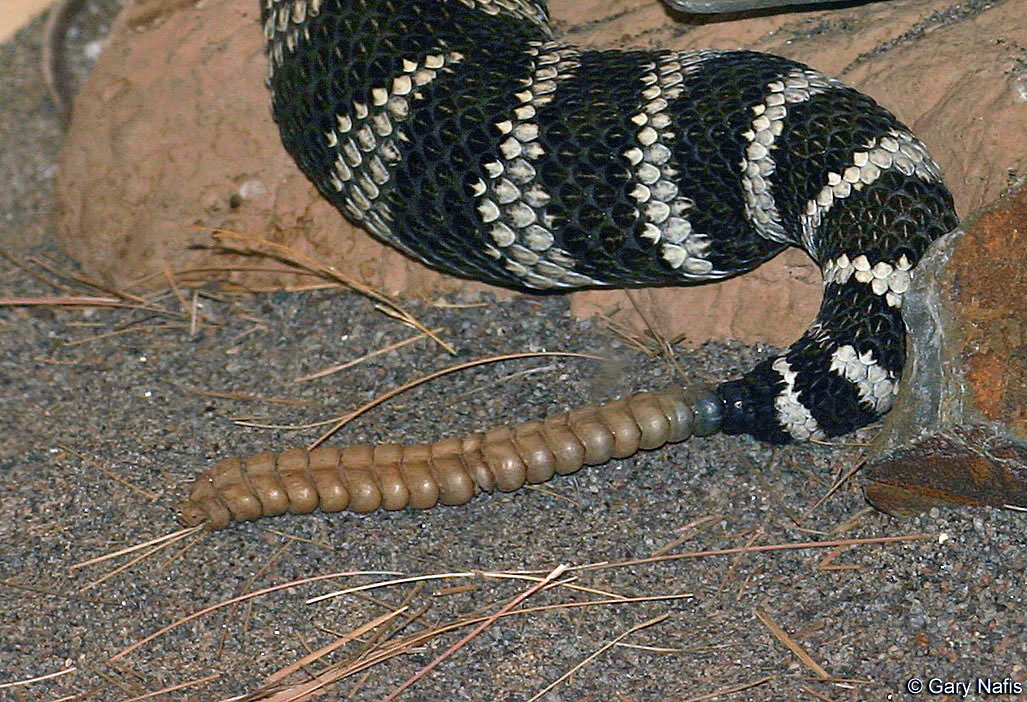
| Captive adult on display in a museum in Bend, Oregon. Old rattlesnakes, especially those in captivity, often have a very long string of rattles, as we see on this one. |
Juvenile, Alameda County. This juvenile has grown two rattle segments behind the original button. | Juvenile tail with small rattle, San Benito County |
|||||||||||||||||||||||||||||||||||||||||||||||||||||
 |
 |
||||||||||||||||||||||||||||||||||||||||||||||||||||||
| Photo © Dave Hood This adult Northern Pacific Rattlesnake from San Mateo County is missing its rattle, possibly the result of a predator attack or maybe it was crushed off by a bike or car tire. It's rare to find a rattlesnake without a rattle, but it proves the importance of recognizing the pattern, body shape, and head shape of the rattlesnakes in your area, because you can't always identify a rattlesnake just by the rattle at the end of the tail. There are stories circulating that rattlesnakes are evolving and losing their rattles because they no longer use them due to the fact that it's safer for them to remain silent around humans. There's no real proof that this is happening. Here's more information about that. |
|||||||||||||||||||||||||||||||||||||||||||||||||||||||
| Neonate Tails | |||||||||||||||||||||||||||||||||||||||||||||||||||||||
 |
|
 |
|
||||||||||||||||||||||||||||||||||||||||||||||||||||
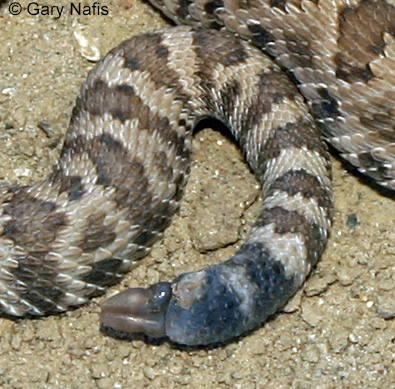
| The tail of a neonate has only a single silent yellow button on the end of its tail. As it grows it will add rattle segments at the end of the tail behind the button, which remains at the end. | Neonate tail with single yellow button. A single silent button on the end of the tail is all that is present before the snake grows its rattle. Stanislaus County © Chris Glover | This Kings County neonate has only a single silent button, but unlike others it is not a light yellow color. | Neonate, approx. 5 inches long, with single yellow button on tail, observed in May in Santa Clara County © Todd Campbell-Crow |
||||||||||||||||||||||||||||||||||||||||||||||||||||
Northern Pacific Rattlesnake Breeding Season Behavior |
|||||||||||||||||||||||||||||||||||||||||||||||||||||||
 |
 |
 |
|||||||||||||||||||||||||||||||||||||||||||||||||||||
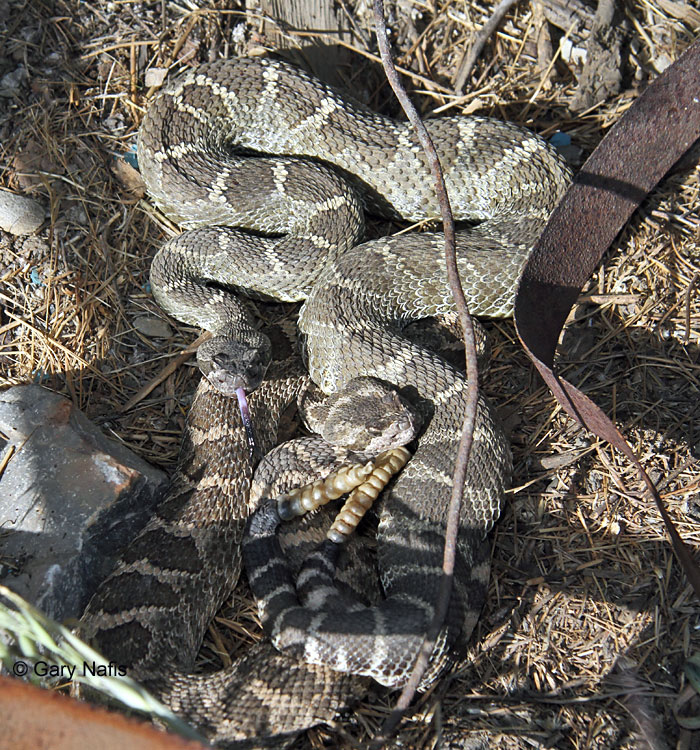
| Breeding adults discovered together under a piece of tin, San Joaquin County | Breeding adults, San Mateo County © Zach Lim |
Male and female mating in a hole in Alameda County © Emily Mastrelli | |||||||||||||||||||||||||||||||||||||||||||||||||||||
 |
 |
||||||||||||||||||||||||||||||||||||||||||||||||||||||
| Adult female, San Luis Obispo County © Dan Boyd. Rattlesnakes don't lay eggs. Females carry their eggs inside until they hatch and the young are born live. This causes a female rattlesnake to grow very large when she's full of babies. The ridges you can see on the sides of this snake are postpartum skin folds formed after she delivered her young. The snake was photographed in late July when females begin to deliver from 4 to 12 live babies about 10 inches in length so she most likely just gave birth. The folds will start to fill out after she eats. |
|||||||||||||||||||||||||||||||||||||||||||||||||||||||
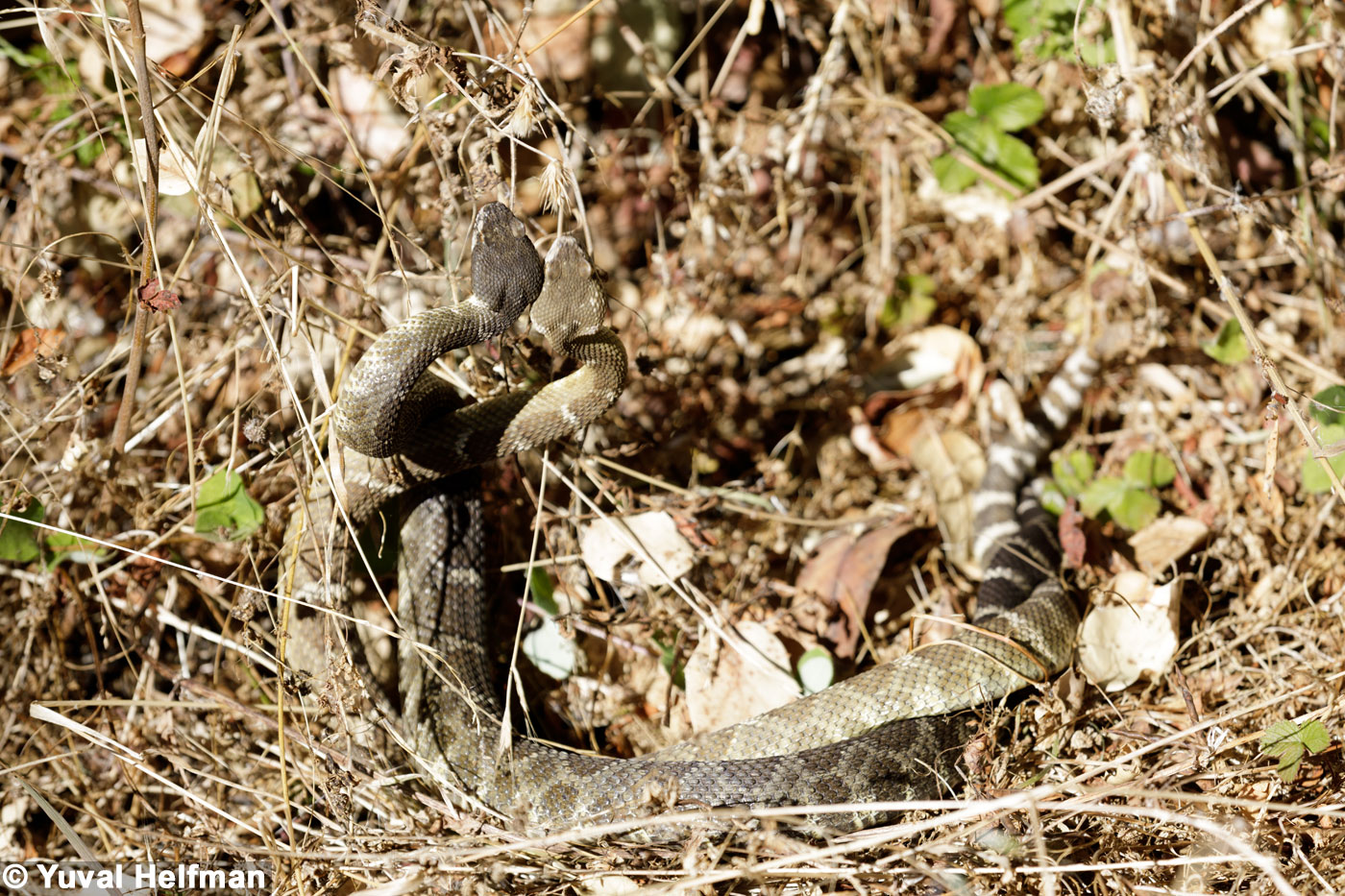
| Breeding Male Northern Pacific Rattlesnakes in "Combat Dance" | |||||||||||||||||||||||||||||||||||||||||||||||||||||||
 |
 |
 |
 |
||||||||||||||||||||||||||||||||||||||||||||||||||||
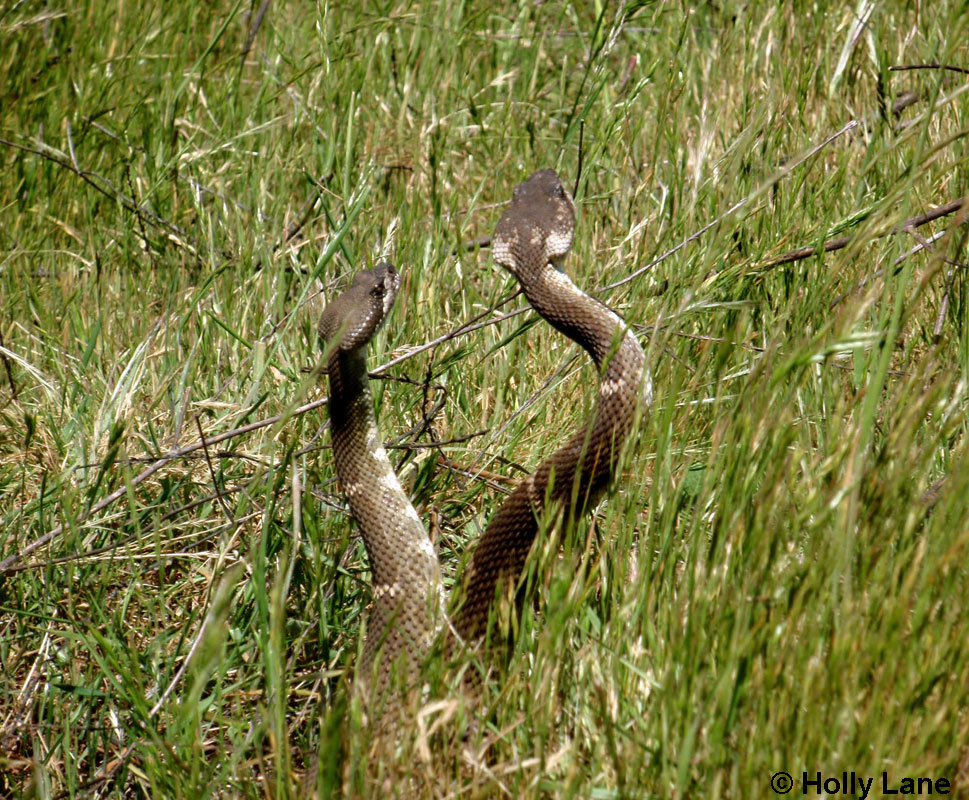
| Two males in a wrestling match in late April in Santa Clara County. The shot on the far right shows a snake on the ground, probably the female, with one of the males above her. During the action, a third male also entered the scene, which is not shown here. © Holly Lane | Two Northern Pacific Rattlesnakes observed in early September in San Mateo County that are presumed to be males in a combat dance not related to breeding. © Yuval Helfman | ||||||||||||||||||||||||||||||||||||||||||||||||||||||
 |
 |
 |
 |
||||||||||||||||||||||||||||||||||||||||||||||||||||
| Two males in combat near Big Sur in Monterey County in early August. © Melissa Witte | |||||||||||||||||||||||||||||||||||||||||||||||||||||||
 |
 |
 |
 |
||||||||||||||||||||||||||||||||||||||||||||||||||||
| Two adult males engaged in a combat dance in early August in Kern County © Christopher J. Evelyn Watch the combat dance in a YouTube Video. |
Click the thumbnail to watch a short YouTube video of two adult snakes engaged in a combat dance in tall grass in August in San Mateo County © Chris Hansen | ||||||||||||||||||||||||||||||||||||||||||||||||||||||
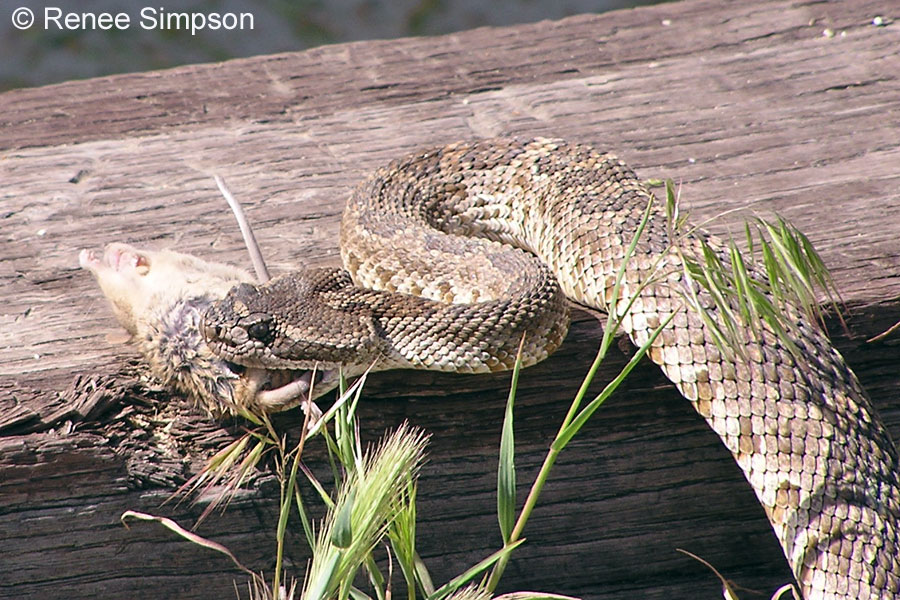
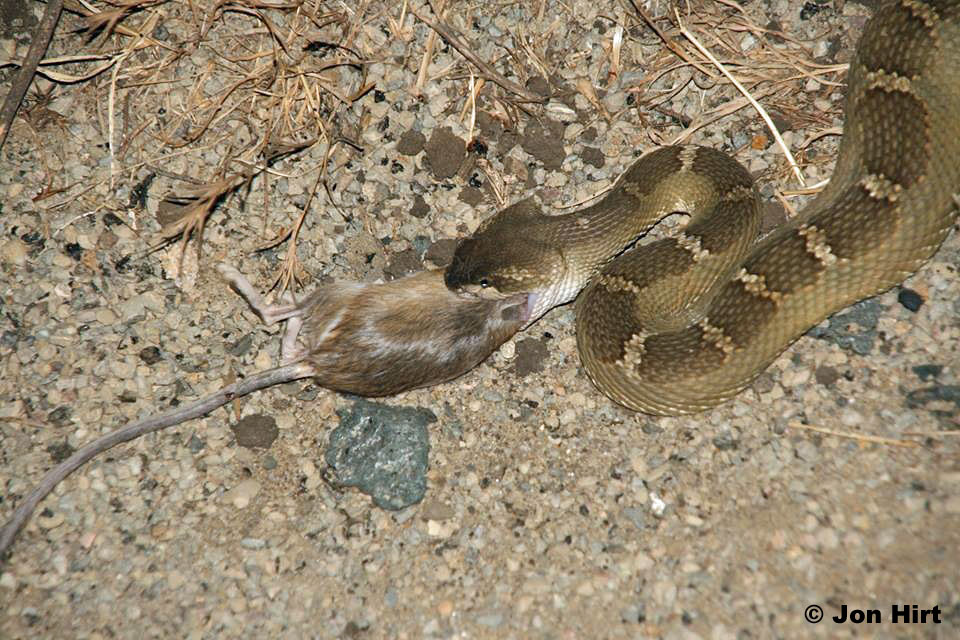
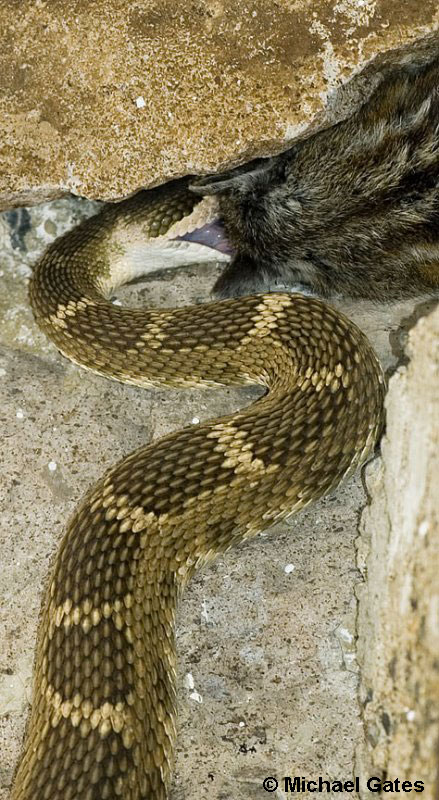
Northern Pacific Rattlesnakes Feeding |
|||||||||||||||||||||||||||||||||||||||||||||||||||||||
 |
 |
 |
 |
||||||||||||||||||||||||||||||||||||||||||||||||||||
| Adult eating a rodent, Kern County. © Renee Simpson |
A large adult eating an even larger rabbit in Sonoma County. © Chris Arai | ||||||||||||||||||||||||||||||||||||||||||||||||||||||
 |
 |
 |
 |
||||||||||||||||||||||||||||||||||||||||||||||||||||
| A Northern Pacific Rattlesnake eating a kangaroo rat in Alameda County © Jon Hirt | |||||||||||||||||||||||||||||||||||||||||||||||||||||||
 |
 |
 |
 |
||||||||||||||||||||||||||||||||||||||||||||||||||||
 |
 |
 |
 |
||||||||||||||||||||||||||||||||||||||||||||||||||||
 |
 |
 |
|||||||||||||||||||||||||||||||||||||||||||||||||||||
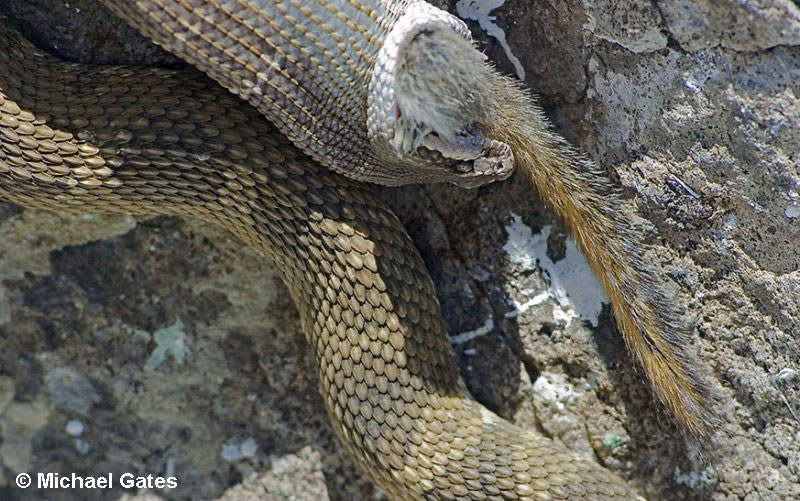
| In the ten pictures above, sequenced from left to right, top to bottom, a Northern Pacific Rattlesnake is shown eating a chipmunk at the top of the rocky fire lookout shown here in Sierra County. Notice the huge lump in the snake in the last picture where the chipmunk has ended up. © Michael Gates |
|||||||||||||||||||||||||||||||||||||||||||||||||||||||
 |
 |
 |
|||||||||||||||||||||||||||||||||||||||||||||||||||||
| This adult snake was seen shortly after it killed a California Ground Squirrel in Santa Clara County. It started to swallow the squirrel, but because it was on a popular hiking trail, it was frightened and stopped, probably to swallow later it after the spectators were gone. © Douglas Brown | |||||||||||||||||||||||||||||||||||||||||||||||||||||||
 |
 |
 |
|||||||||||||||||||||||||||||||||||||||||||||||||||||
| Juvenile eating a rodent in Tehama County © Tobis Felbeck | |||||||||||||||||||||||||||||||||||||||||||||||||||||||
 |
 |
||||||||||||||||||||||||||||||||||||||||||||||||||||||
| Adult eating a California Ground Squirrel in Santa Clara County © Parsa Fard | |||||||||||||||||||||||||||||||||||||||||||||||||||||||
Northern Pacific Rattlesnake Predation |
|||||||||||||||||||||||||||||||||||||||||||||||||||||||
 |
 |
 |
 |
||||||||||||||||||||||||||||||||||||||||||||||||||||
| California Kingsnakes eat snakes along with other animals. They are immune to rattlesnake venom, so they sometimes eat rattlesnakes. This one is eating a juvenile Southern Pacific Rattlesnake. © Kimberly Deutsch |
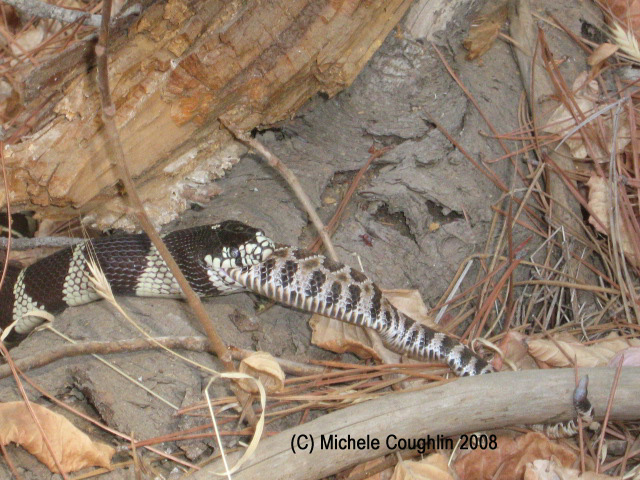
This California Kingsnake is almost finished eating a juvenile Northern Pacific Rattlesnake. © Michele Coughlin | ||||||||||||||||||||||||||||||||||||||||||||||||||||||
 |
 |
 |
 |
||||||||||||||||||||||||||||||||||||||||||||||||||||
| A California Striped Racer - Coluber lateralis lateralis, eats a juvenile Southern Pacific Rattlesnake - Crotalus oreganus helleri, in Los Angeles County. © Anthony |
This Sierra Mountain Kingsnake is eating a juvenile Northern Pacific Rattlesnake. © Patrick Briggs |
||||||||||||||||||||||||||||||||||||||||||||||||||||||
 |
|||||||||||||||||||||||||||||||||||||||||||||||||||||||
| Adult California Striped Racer eating a juvenile Northern Pacific Rattlesnake in Lake County. © Anonymous |
|||||||||||||||||||||||||||||||||||||||||||||||||||||||
Variations in Appearance of the Northern Pacific Rattlesnakes Near the Southern Range Limit |
|||||||||||||||||||||||||||||||||||||||||||||||||||||||
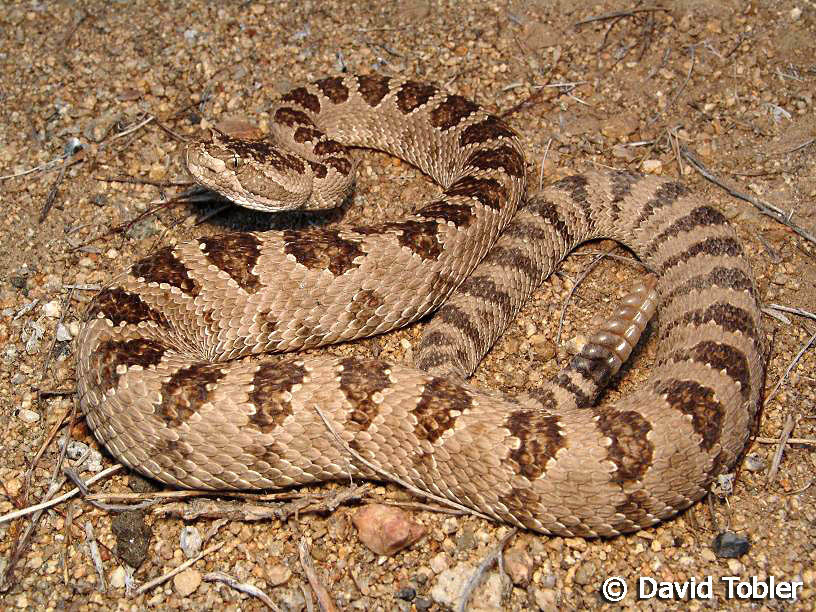
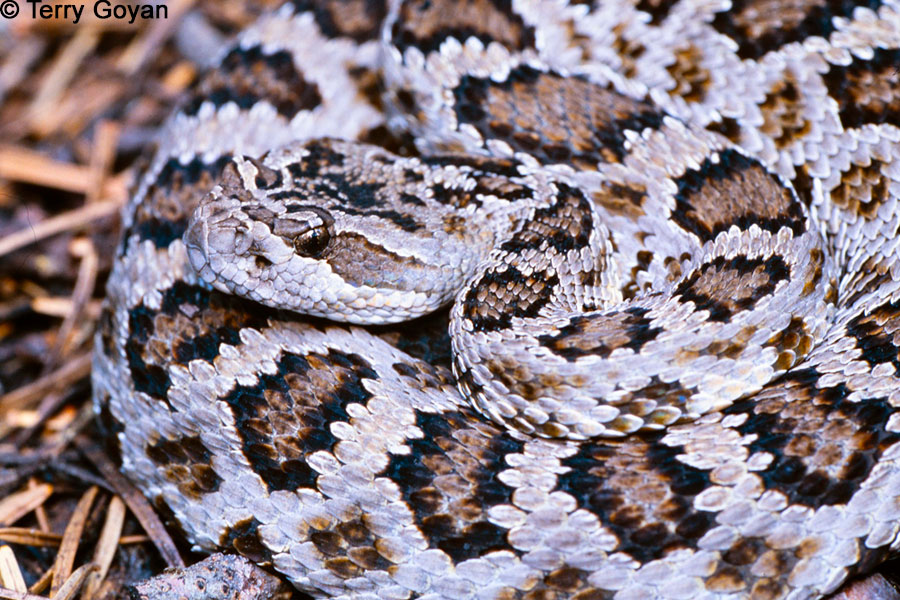
| C. o. oreganus near its southern range limit is variable in appearance, sometimes with markings similar to C. o. lutosus. Identification of rattlesnakes found in this region can be confusing and open to debate. I have received several comments that I might have mis-identified snakes from this region - that they could be intergrades or hybrids, or that the Kern County snake from the Greenhorn Mountains shown in the row below on the left is actually C. o. lutosus. However, it is a C. o. oreganus, based on appearance, location, and some preliminary genetics work that has been done in the area on other rattlesnakes. The Inyo County rattlesnake depicted in the top row below on the far right from the southern Sierras has been identified by various viewers of the photo as C. o. oreganus or C. o. lutosus, but it is actually a young Panamint Rattlesnake - Crotalus stephensi. Rumors of C. oreganus x C. stephensi hybrids have not yet been confirmed by genetic analysis. Some of these controversies should be resolved when the results of further studies on these species are published. According to herpetologist Robert Hansen, who has studied in depth the reptiles and amphibians of the Southern Sierra Nevada Mountains and the surrounding regions: "Among populations of 'oreganus' inhabiting arid landscapes near their southern range limits (e.g., southern San Joaquin Valley, Carrizo Plain), there is a tendency toward small size, light ground color, and reduced dorsal blotch size...features that cause these snakes to superficially resemble lutosus."..."The southern extent of the range of lutosus in eastern California (e.g., the Mono/Inyo counties region) has been mapped in reasonable detail, and thus far, there are no known instances where the ranges of oreganus and lutosus come into contact. However, farther north, where the Sierra Nevada crest is much lower and the potential for populations of oreganus and lutosus to meet is likely greater, careful field studies are lacking. Ultimately, reliance on features of coloration and pattern to distinguish one form from the other in areas of potential contact is not advised." |
|||||||||||||||||||||||||||||||||||||||||||||||||||||||
 |
 |
 |
 |
||||||||||||||||||||||||||||||||||||||||||||||||||||
| Adult C. o. oreganus , Greenhorn Mountains, Kern County | Adult C. o. oreganus from near Three Rivers in Tulare County. © Robert Herndon |
Adult C. o. lutosus, Mono County © David Tobler |
Panamint Rattlesnake - Crotalus stephensi, Inyo County © Carl Brune | ||||||||||||||||||||||||||||||||||||||||||||||||||||
 |
 |
 |
 |
||||||||||||||||||||||||||||||||||||||||||||||||||||
| Juvenile C. o. oreganus, southern Sierra Nevada, Kern County © Jared Heald |
Adult C. o. oreganus, Tulare County © Steven Elliiott |
Adult C. o. oreganus, 9,000 ft. elevation, Sierra Nevada Mountains, Fresno County © Terry Goyan |
Juvenile Crotalus stephensi, White/Inyo Mountains, Inyo County | ||||||||||||||||||||||||||||||||||||||||||||||||||||
Northern Pacific Rattlesnake Hibernacula ( Dens) |
|||||||||||||||||||||||||||||||||||||||||||||||||||||||
 |
 |
 |
 |
||||||||||||||||||||||||||||||||||||||||||||||||||||
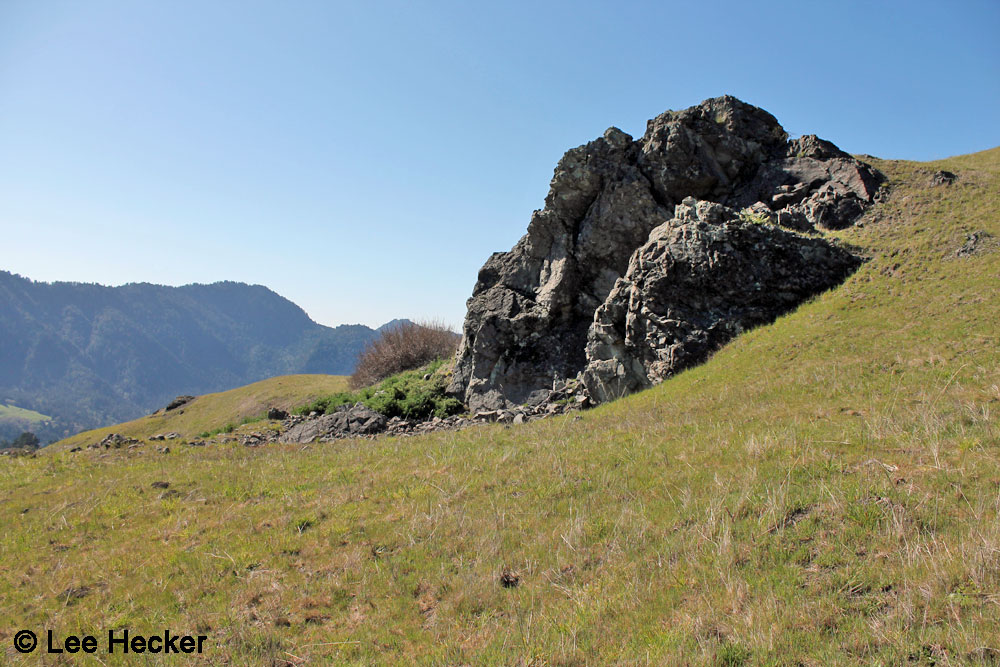
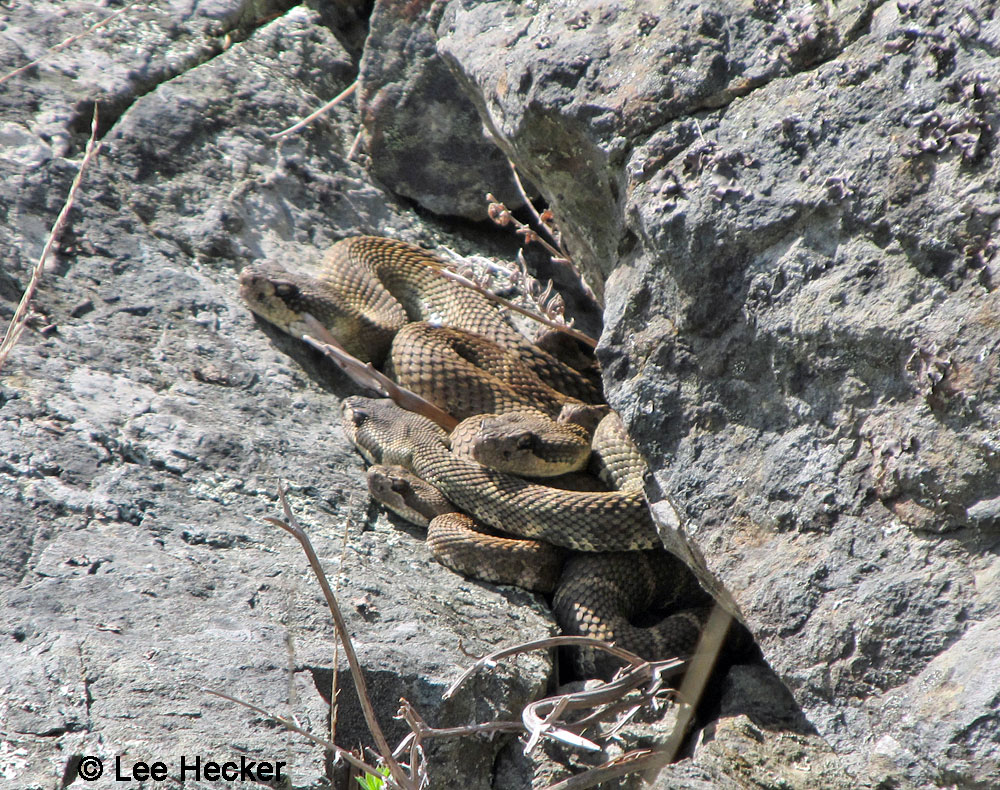
| Adults at hibernaculum, Humboldt County © Lee Hecker |
Den site, Contra Costa County © Erik Grouell |
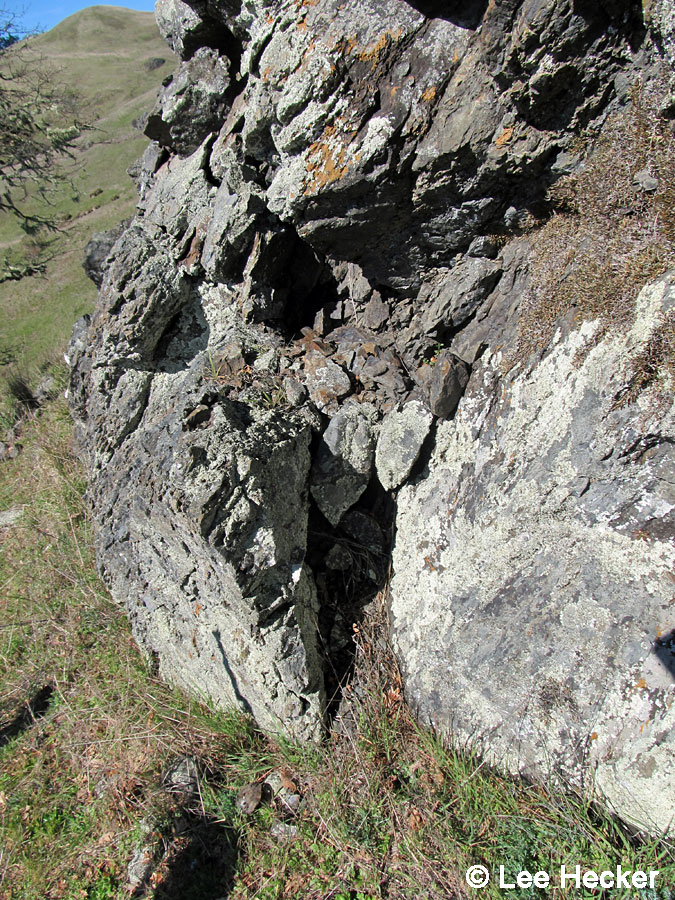
Hibernaculum - a deep crack in a large boulder, during emergence in early March, Kern County. An adult rattlesnake can be seen basking in front of the crack. |
|||||||||||||||||||||||||||||||||||||||||||||||||||||
 |
 |
 |
 |
||||||||||||||||||||||||||||||||||||||||||||||||||||
| Hibernaculum, Humboldt County © Lee Hecker |
Hibernaculum, Humboldt County © Lee Hecker |
Hibernaculum, Humboldt County © Lee Hecker |
Hibernaculum, Humboldt County © Lee Hecker |
||||||||||||||||||||||||||||||||||||||||||||||||||||
 |
 |
 |
 |
||||||||||||||||||||||||||||||||||||||||||||||||||||
| Hibernaculum, Humboldt County © Lee Hecker |
Adults at hibernaculum, Humboldt County © Lee Hecker |
Adults at hibernaculum, Humboldt County © Lee Hecker |
Adults at hibernaculum, Humboldt County © Lee Hecker |
||||||||||||||||||||||||||||||||||||||||||||||||||||
 |
 |
 |
 |
||||||||||||||||||||||||||||||||||||||||||||||||||||
| Adults at hibernaculum, Humboldt County © Lee Hecker |
Adults at hibernaculum, Humboldt County © Lee Hecker |
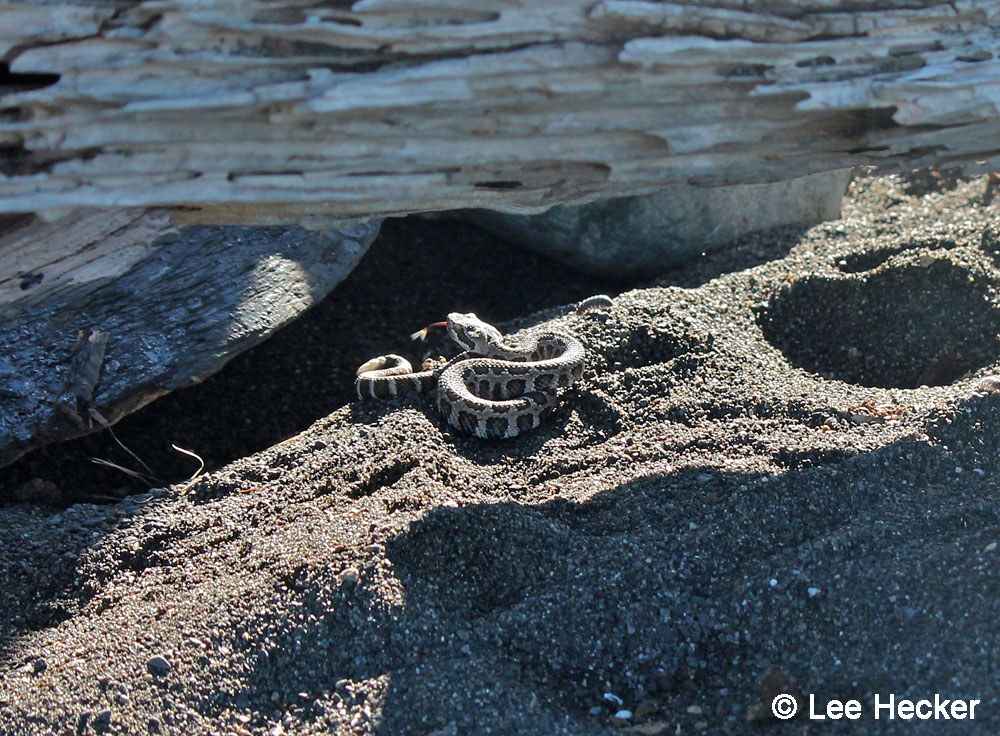
Juvenile at hibernaculum, Humboldt County © Lee Hecker |
Adult at hibernaculum, Humboldt County © Lee Hecker |
||||||||||||||||||||||||||||||||||||||||||||||||||||
 |
 |
 |
 |
||||||||||||||||||||||||||||||||||||||||||||||||||||
| Adults at hibernaculum, Humboldt County © Lee Hecker |
Juvenile basking outside hibernaculum in Alameda County © Emily Mastrelli | Several snakes outside a den site in Santa Clara County © Parsa Fard | |||||||||||||||||||||||||||||||||||||||||||||||||||||
 |
|||||||||||||||||||||||||||||||||||||||||||||||||||||||
| Adult and juvenile at the entrance of a den in Marin County in March © Andre Giraldi |
|||||||||||||||||||||||||||||||||||||||||||||||||||||||
How to Tell the Difference Between Rattlesnakes and Gophersnakes |
|||||||||||||||||||||||||||||||||||||||||||||||||||||||
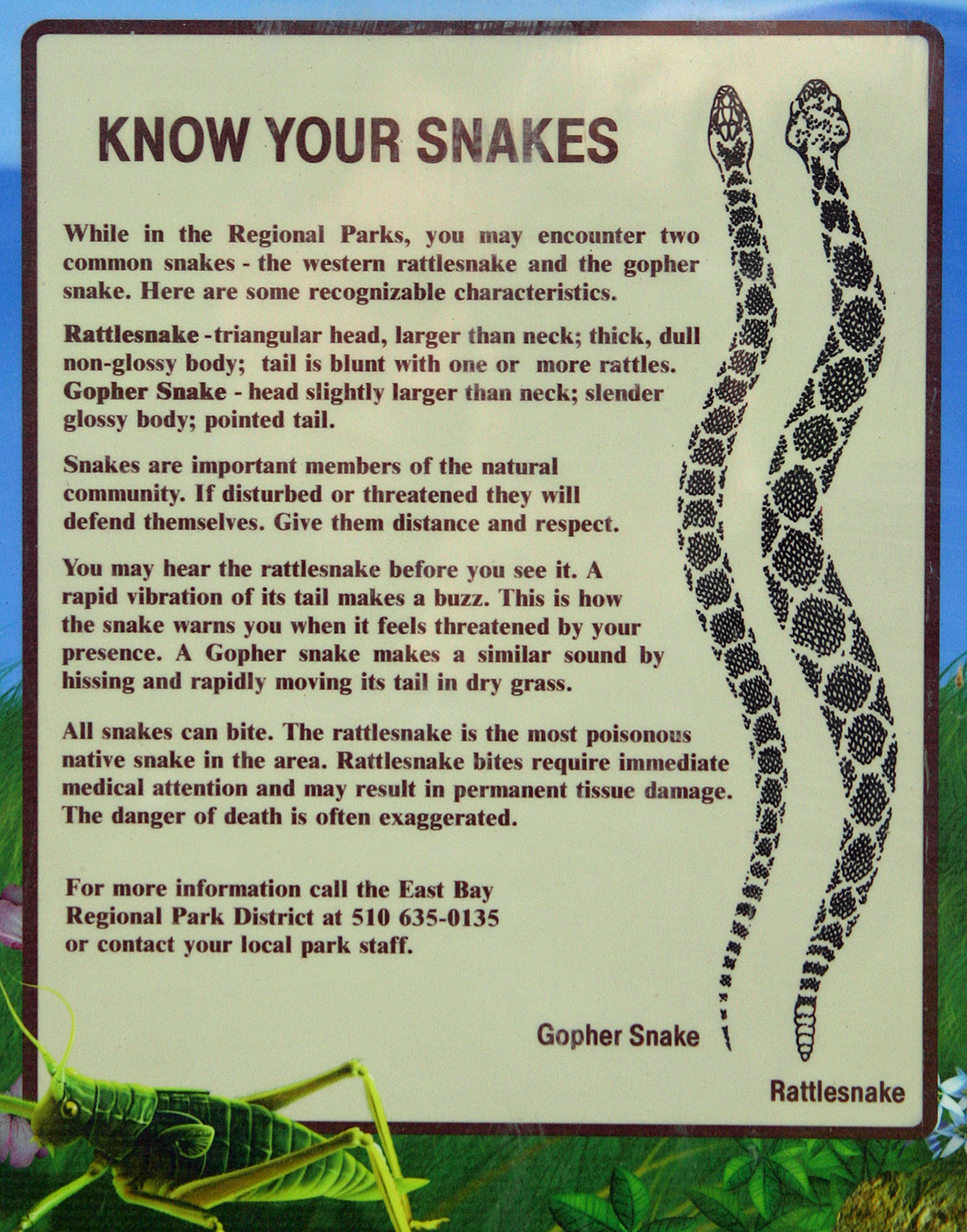 |
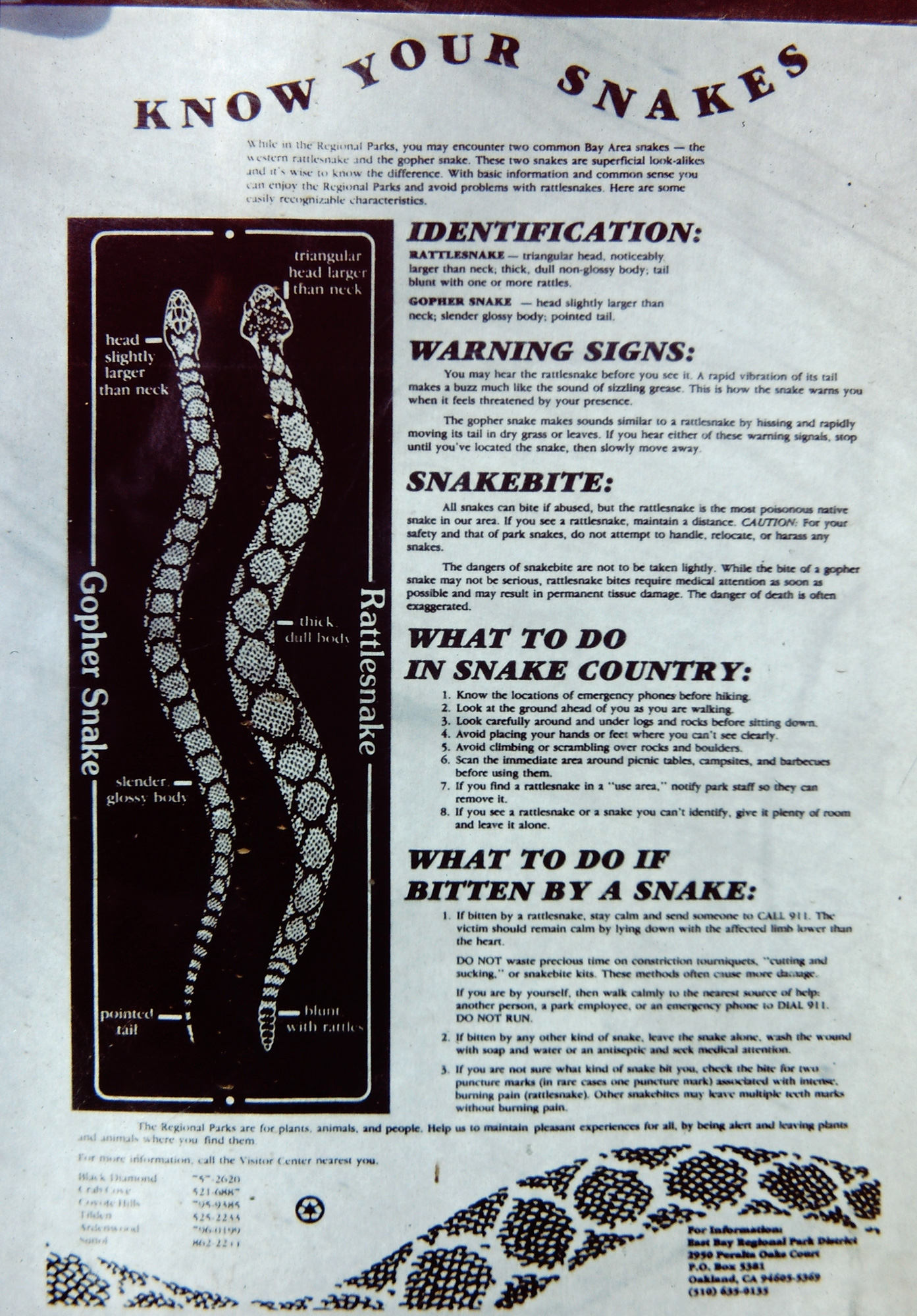 |
 |
 |
||||||||||||||||||||||||||||||||||||||||||||||||||||
|
Harmless and beneficial gophersnakes are sometimes mistaken for dangerous rattlesnakes. Gophersnakes are often killed unnecessarily because of this confusion. (It's also not necessary to kill every rattlesnake.) It is easy to avoid this mistake by learning to tell the difference between the two families of snakes. The informational signs shown above can help to educate you about these differences. (Click to enlarge). If you can't see enough detail on a snake to be sure it is not a rattlesnake or if you have any doubt that it is harmless, leave it alone. You should never handle a snake unless you are absolutely sure that it is not dangerous. |
|||||||||||||||||||||||||||||||||||||||||||||||||||||||
Habitat |
|||||||||||||||||||||||||||||||||||||||||||||||||||||||
 |
 |
 |
 |
||||||||||||||||||||||||||||||||||||||||||||||||||||
| Habitat, San Joaquin County | Habitat, Alameda County | Habitat, San Joaquin County | Habitat, Contra Costa County |
||||||||||||||||||||||||||||||||||||||||||||||||||||
 |
 |
 |
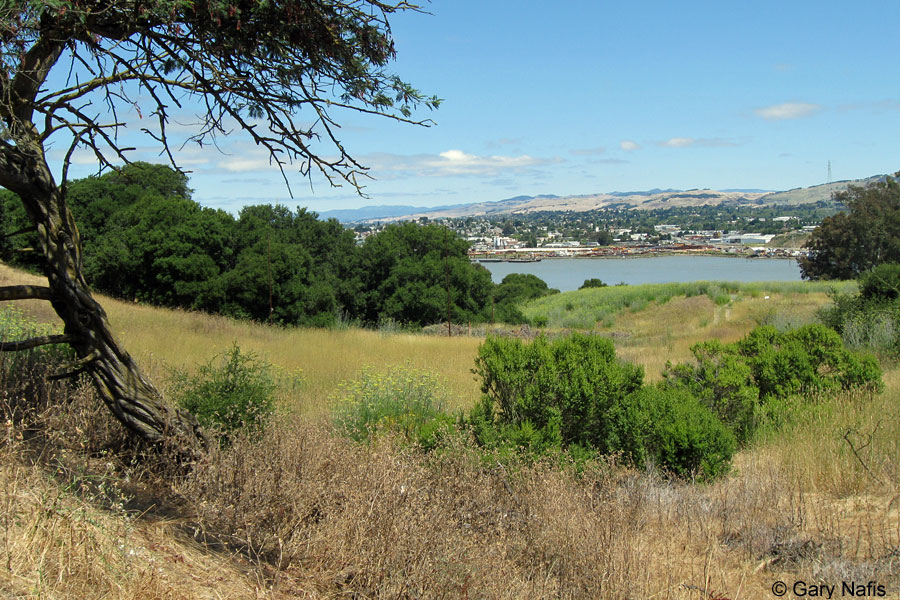 |
||||||||||||||||||||||||||||||||||||||||||||||||||||
| Habitat, Alameda County | Habitat, Contra Costa County | Habitat, Yuba County | Habitat, Mare Island, Solano County | ||||||||||||||||||||||||||||||||||||||||||||||||||||
 |
 |
 |
 |
||||||||||||||||||||||||||||||||||||||||||||||||||||
| Habitat, western Fresno County | Habitat, western Kings County | Chaparral Habitat, Lake County © Lawrence Anderson |
Habitat, Sonoma County © Roman Duellge |
||||||||||||||||||||||||||||||||||||||||||||||||||||
 |
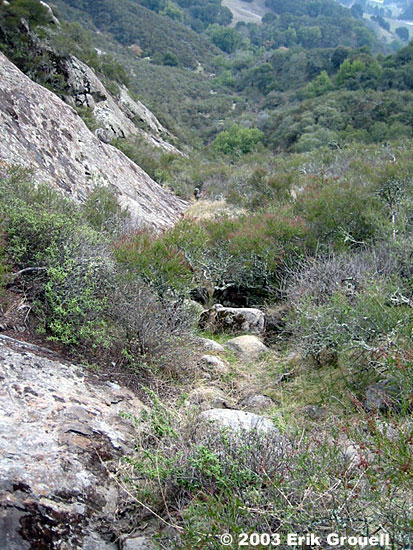 |
 |
 |
||||||||||||||||||||||||||||||||||||||||||||||||||||
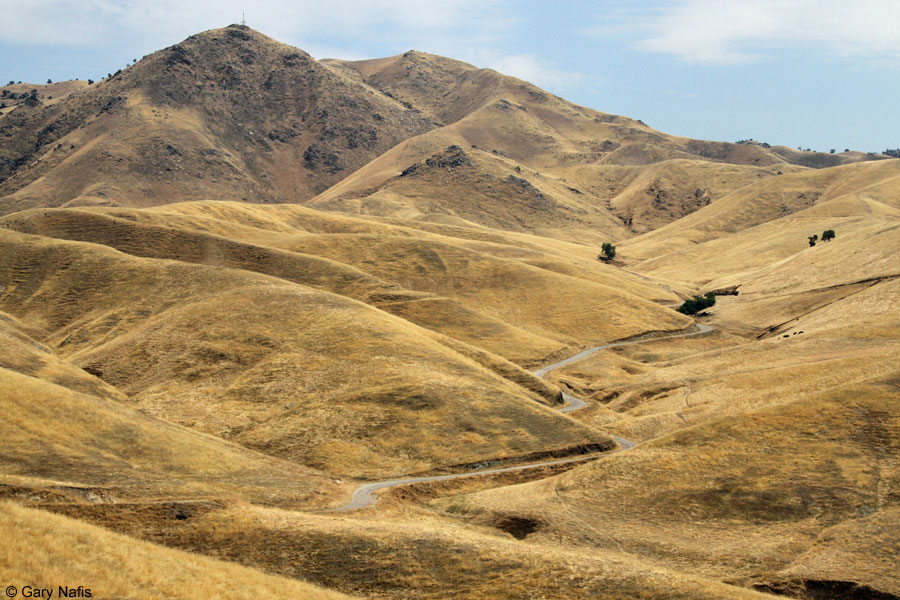
| Habitat, San Joaquin County | Habitat, Contra Costa County © Erik Grouell |
Habitat, aprox. 3,000 ft. Siskiyou County © Doug Jeffries | Habitat, Temblor Range, San Luis Obispo County |
||||||||||||||||||||||||||||||||||||||||||||||||||||
 |
 |
 |
 |
||||||||||||||||||||||||||||||||||||||||||||||||||||
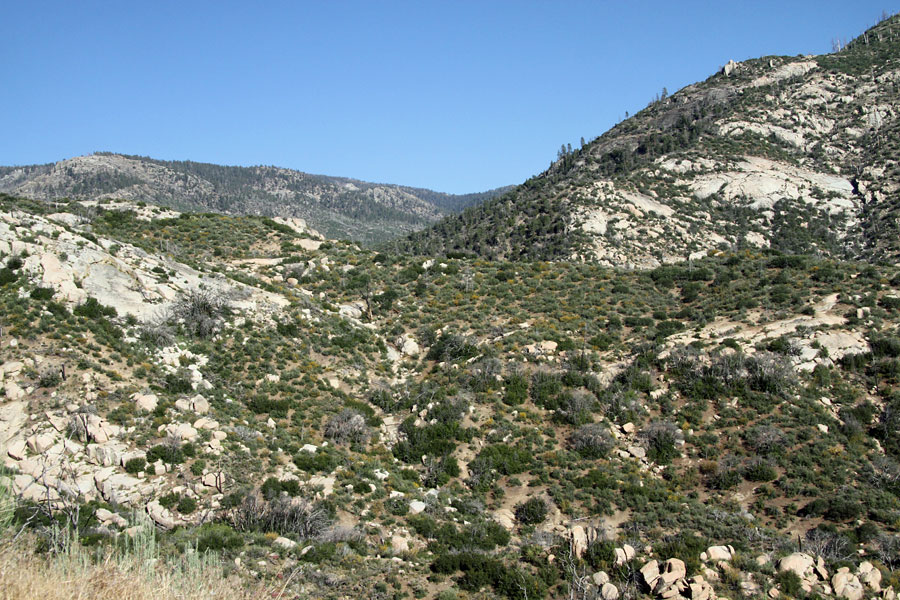
| Habitat, 5,600 ft., Tuolumne County | Habitat, Mt. Breckenridge, Kern County | Habitat, 5,400 ft. Sierra Nevada Mountains, Kern County | Habitat, Carrizo Plain, San Luis Obispo County |
||||||||||||||||||||||||||||||||||||||||||||||||||||
 |
 |
 |
 |
||||||||||||||||||||||||||||||||||||||||||||||||||||
| Habitat, Carrizo Plain, San Luis Obispo County |
Habitat, Humboldt County © Lee Hecker |
Habitat, Humboldt County © Lee Hecker |
Habitat, Humboldt County © Lee Hecker |
||||||||||||||||||||||||||||||||||||||||||||||||||||
 |
 |
 |
 |
||||||||||||||||||||||||||||||||||||||||||||||||||||
| Habitat, Humboldt County © Lee Hecker |
Habitat, Humboldt County © Lee Hecker |
Habitat, Monterey County mountains © Heather Gent |
Habitat, Santa Clara County © Yuval Helfman |
||||||||||||||||||||||||||||||||||||||||||||||||||||
 |
 |
 |
 |
||||||||||||||||||||||||||||||||||||||||||||||||||||
| Grasslands habitat, Santa Clara County © Yuval Helfman | Snake in habitat, Santa Clara County © Annette Herz |
Habitat, Tulare County | Habitat, Fresno County |
||||||||||||||||||||||||||||||||||||||||||||||||||||
 |
|
|
 |
||||||||||||||||||||||||||||||||||||||||||||||||||||
| Habitat, Sutter County |
Neonate in Habitat, San Mateo County © Zeev Nitzan Ginsberg |
Adult in sunny basking spot habitat, San Joaquin County |
Habitat, Plumas County © Brett Hayslett |
||||||||||||||||||||||||||||||||||||||||||||||||||||
Short Videos and Sounds |
|||||||||||||||||||||||||||||||||||||||||||||||||||||||
 |
 |
 |
 |
||||||||||||||||||||||||||||||||||||||||||||||||||||
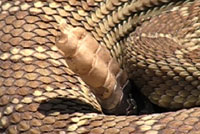
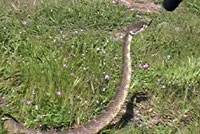
| A Northern Pacific Rattlesnake crossed a mountain road on a windy spring morning in Contra Costa County then coiled defensively at the edge of the road. Concerned with my presence a few yards away, it is seen here sensing the air with its tongue and rattling its tail, then pausing to watch a bicycle speed down the road, then rattling some more. | A juvenile rattlesnake rattles and crawls off a road in the foothills of Fresno County in early Fall. | A Northern Pacific Rattlesnake shakes its tail. |
The snake here is seen slowly following a snake hook with curiosity, not aggression. The hook had been used earlier to pick up a breeding pair of snakes, and we decided that this one was probably a male that smelled the scent of the breeding female on the hook. | ||||||||||||||||||||||||||||||||||||||||||||||||||||
 |
 |
 |
 |
||||||||||||||||||||||||||||||||||||||||||||||||||||
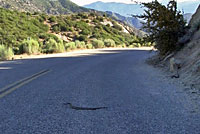
| Most rattlesnakes will do exactly what this one did when I encountered it in the late afternoon on a mountain road - turn and crawl quickly away, with a little rattling thrown in as a warning. Rattlesnakes are often depicted in fiction as aggressors, leaping and striking viciously, often for no reason other than to give the hero an excuse to kill it to prove himself. The truth is that rattlesnakes are almost always defensive, not offensive, when they encounter humans, wanting nothing more than to escape, and the least heroic thing someone can do is to automatically kill them. |
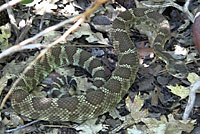
This video begins with a squirrel's high-pitched alarm call coming from a large group of shrubs in the Sierra Nevada mountains. When I got closer the squirrel ran away and I saw this rattlesnake climbing down a branch then farther back into the bushes. Later, after the camera batteries died, the snake returned and crawled outside the shrubs while the squirrel called and ran around outside the bushes near the snake, but outside of its striking range. I suspect the squirrel was harassing the snake to distract it from young squirrels in a nest. | A Northern Pacific Rattlesnake in the Sierra Nevada mountains crawls into a crack and shakes its tail. | Click the thumbnail to watch two adult males engaged in a combat dance in early August in Kern County © Christopher J. Evelyn |
||||||||||||||||||||||||||||||||||||||||||||||||||||
 |
|||||||||||||||||||||||||||||||||||||||||||||||||||||||
| Listen to a Northern Pacific Rattlesnake rattling. |
|||||||||||||||||||||||||||||||||||||||||||||||||||||||
 |
 |
 |
|||||||||||||||||||||||||||||||||||||||||||||||||||||
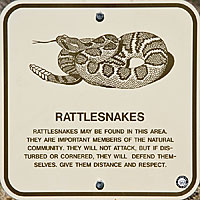
| Click on the picture to see more rattlesnake signs. |
|||||||||||||||||||||||||||||||||||||||||||||||||||||||
|
|||||||||||||||||||||||||||||||||||||||||||||||||||||||
"Rattlesnakes are also among the most reasonable forms of dangerous wildlife: their first line of defense is to remain motionless; if you surprise them or cut off their retreat, they offer an audio warning; if you get too close, they head for cover. Venom is intended for prey so they're reluctant to bite, and 25 to 50 percent of all bites are dry - no venom is injected." |
|||||||||||||||||||||||||||||||||||||||||||||||||||||||
|
|||||||||||||||||||||||||||||||||||||||||||||||||||||||
|
|||||||||||||||||||||||||||||||||||||||||||||||||||||||
|
|||||||||||||||||||||||||||||||||||||||||||||||||||||||



|
The following conservation status listings for this animal are taken from the July 2025 State of California Special Animals List and the July 2025 Federally Listed Endangered and Threatened Animals of California list (unless indicated otherwise below.) Both lists are produced by multiple agencies every year, and sometimes more than once per year, so the conservation status listing information found below might not be from the most recent lists, but they don't change a great deal from year to year.. To make sure you are seeing the most recent listings, go to this California Department of Fish and Wildlife web page where you can search for and download both lists: https://www.wildlife.ca.gov/Data/CNDDB/Plants-and-Animals. A detailed explanation of the meaning of the status listing symbols can be found at the beginning of the two lists. For quick reference, I have included them on my Special Status Information page. If no status is listed here, the animal is not included on either list. This most likely indicates that there are no serious conservation concerns for the animal. To find out more about an animal's status you can also go to the NatureServe and IUCN websites to check their rankings. Check the current California Department of Fish and Wildlife sport fishing regulations to find out if this animal can be legally pursued and handled or collected with possession of a current fishing license. You can also look at the summary of the sport fishing regulations as they apply only to reptiles and amphibians that has been made for this website. This snake is not included on the Special Animals List, which indicates that there are no significant conservation concerns for it in California. |
||
| Organization | Status Listing | Notes |
| NatureServe Global Ranking | ||
| NatureServe State Ranking | ||
| U.S. Endangered Species Act (ESA) | None | |
| California Endangered Species Act (CESA) | None | |
| California Department of Fish and Wildlife | None | |
| Bureau of Land Management | None | |
| USDA Forest Service | None | |
| IUCN | ||
|
|
||
Return to the Top
© 2000 -