
A Guide to the Amphibians
and Reptiles of California
Click on a picture for a larger view
Pond Slider - Trachemys scripta
Red-eared Slider - Trachemys scripta elegans
(Wied-Neuwied, 1838)
Red: Locations where this non-native species
has been observed and may be established.
More locations are likely to exist.
Click on the map for a topographical view
Map with California County Names
List of Non-Native Reptiles and Amphibians
Established in California

This species has been introduced into California. It is not a native species. |
|||||||||||||||||||||||||||||||||||||||||||||||||||||||
 |
 |
 |
 |
||||||||||||||||||||||||||||||||||||||||||||||||||||
| Adult in city park lake, San Francisco County |
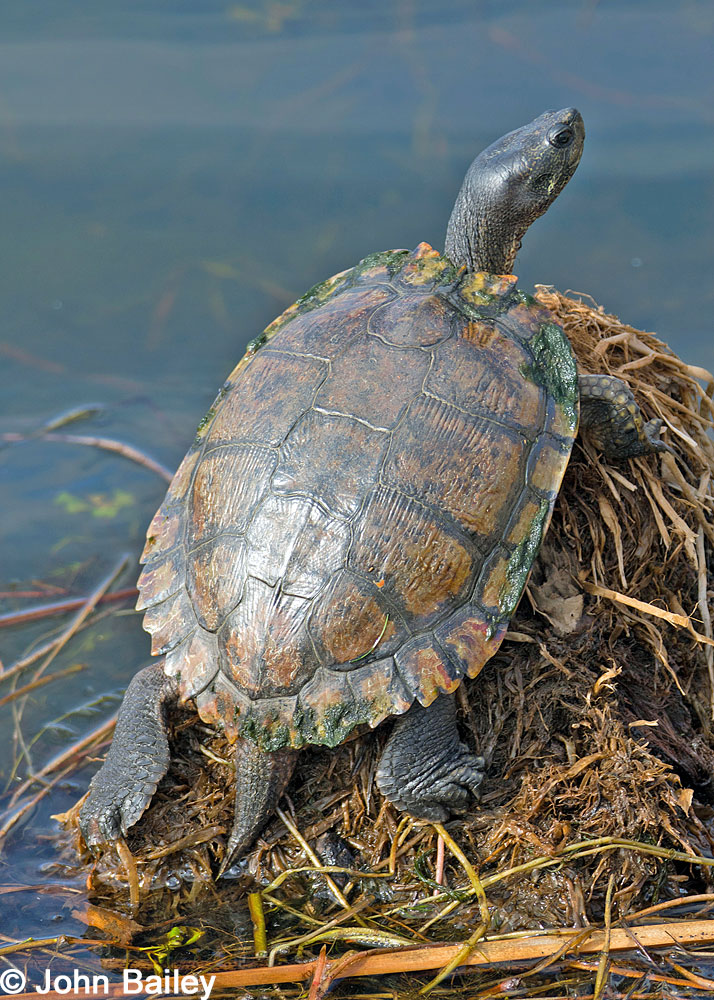
Adult, El Dorado County © John Bailey | Adult, El Dorado County © John Bailey | Melanistic adult, El Dorado County, without red "ears" © John Bailey | ||||||||||||||||||||||||||||||||||||||||||||||||||||
 |
 |
 |
|||||||||||||||||||||||||||||||||||||||||||||||||||||
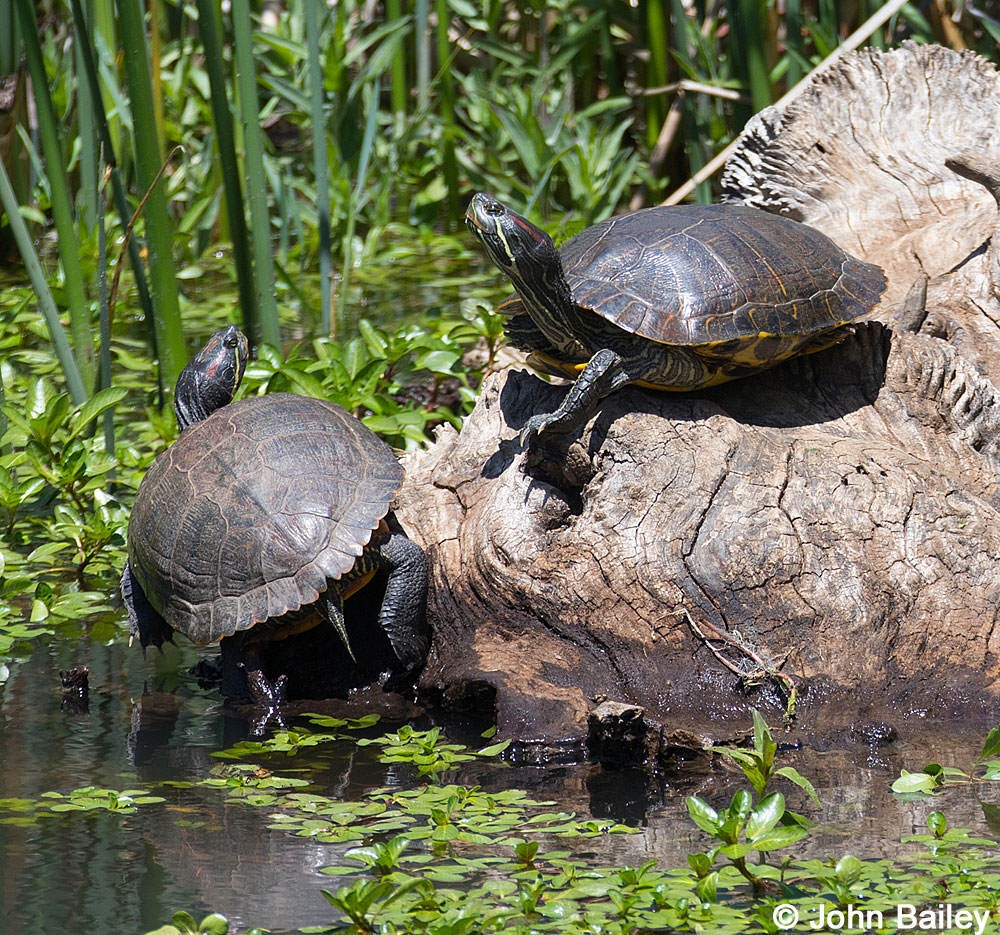
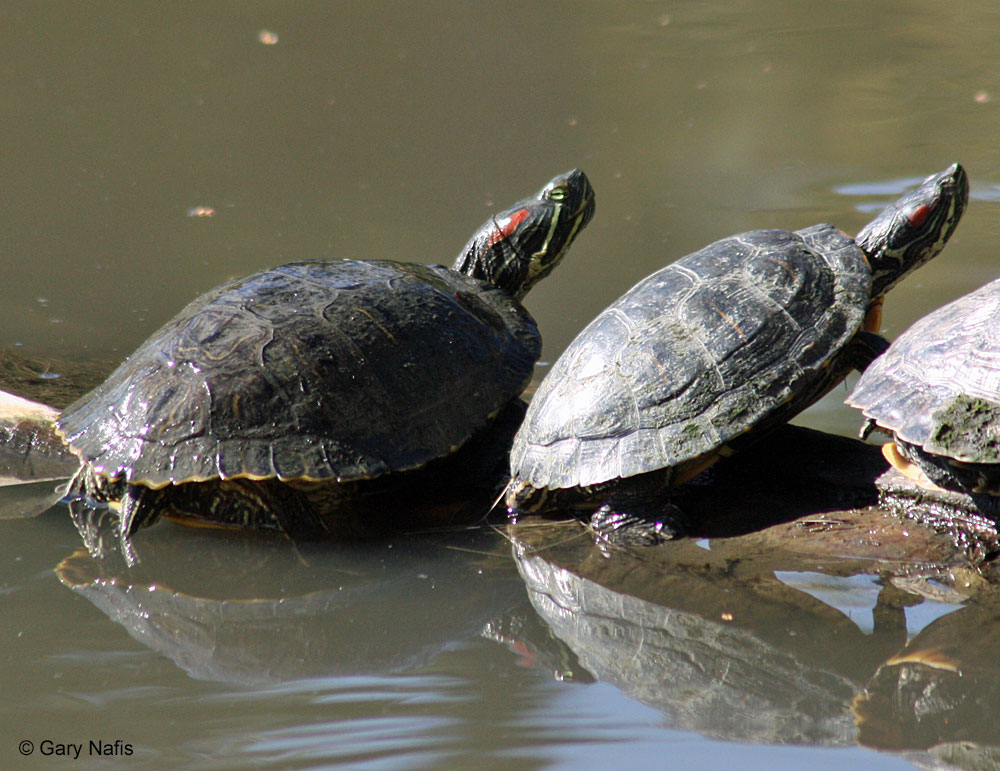
| Adult, Los Angeles County | Adults, El Dorado County © John Bailey | Adult in city park lake, San Francisco County |
|||||||||||||||||||||||||||||||||||||||||||||||||||||
 |
 |
 |
 |
||||||||||||||||||||||||||||||||||||||||||||||||||||
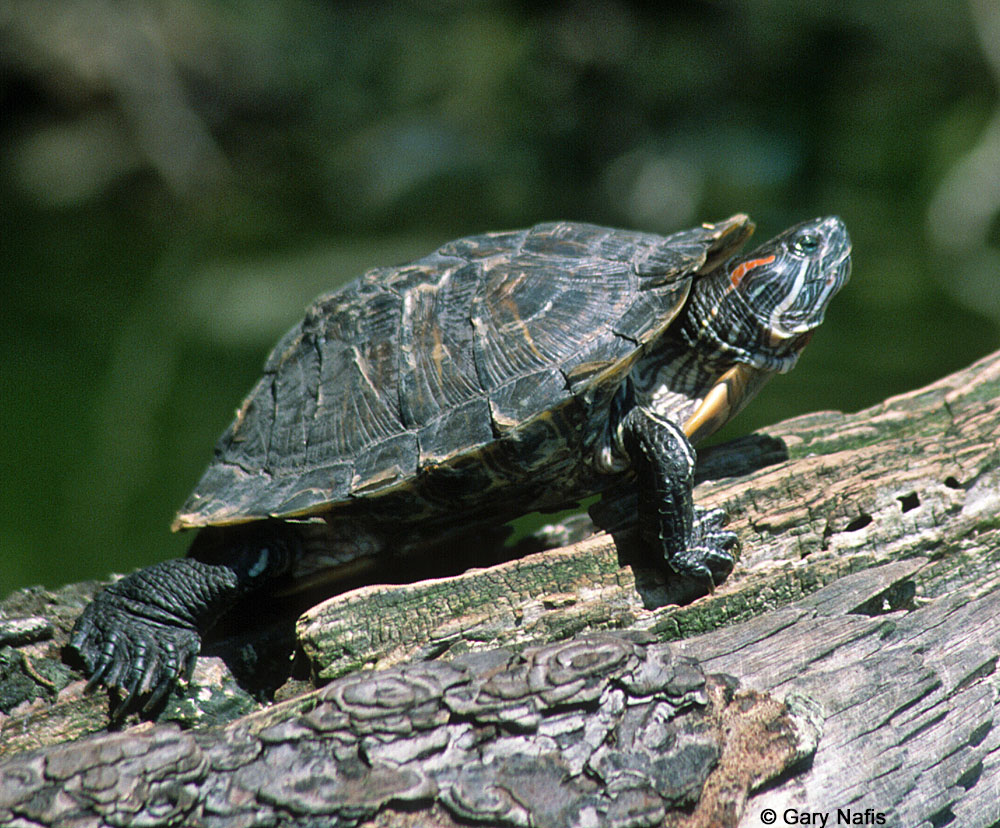
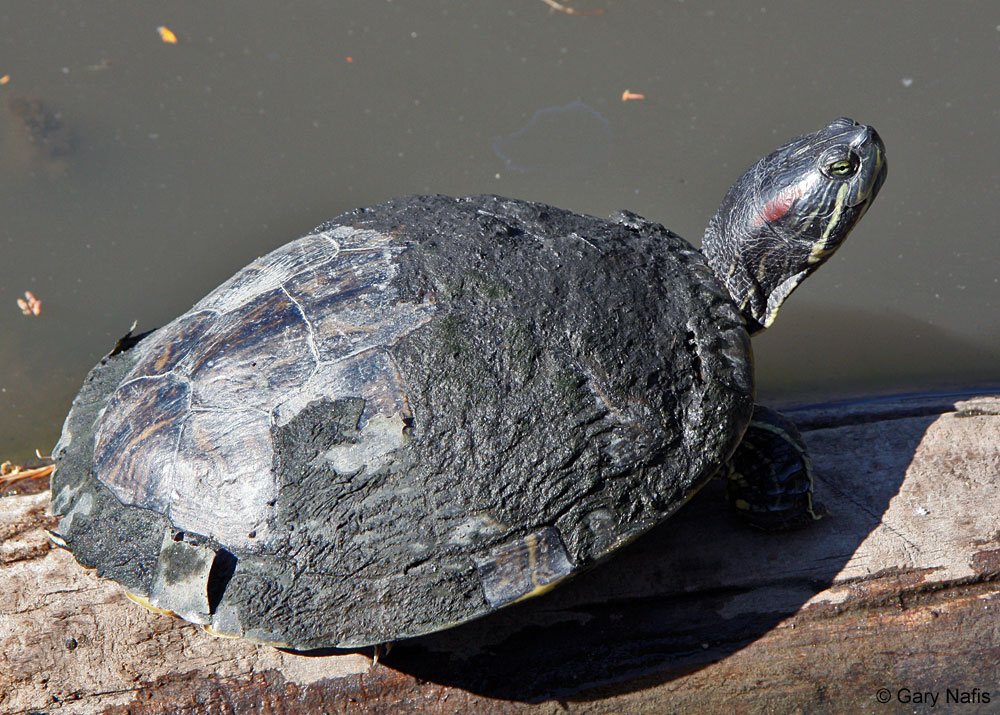
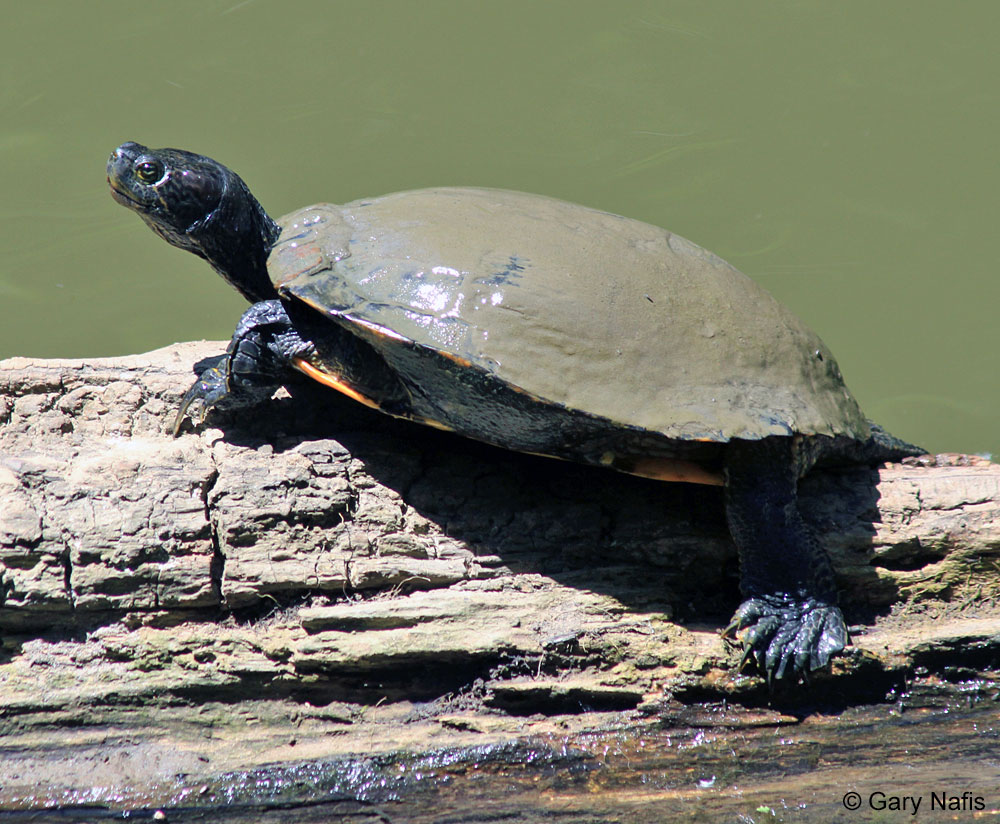
| Adult, Los Angeles County | Adults, Los Angeles County | Mud-covered adult, Contra Costa County |
This adult slider is holding its legs out more parallel to the suns rays to warm them up more efficiently. |
||||||||||||||||||||||||||||||||||||||||||||||||||||
 |
 |
||||||||||||||||||||||||||||||||||||||||||||||||||||||
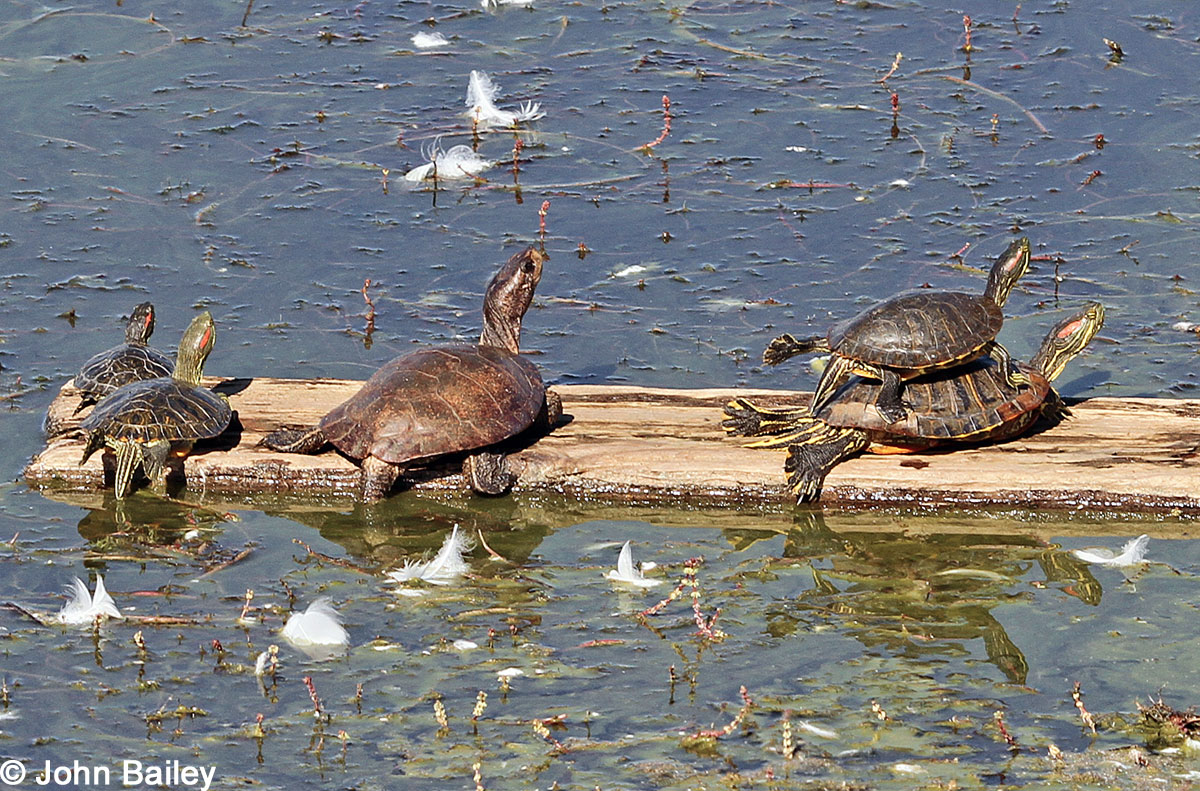
| Two Red-eared Sliders on each side of a Northwestern Pond Turtle, El Dorado County © John Bailey | Adults, El Dorado County © John Bailey | ||||||||||||||||||||||||||||||||||||||||||||||||||||||
 |
 |
 |
 |
||||||||||||||||||||||||||||||||||||||||||||||||||||
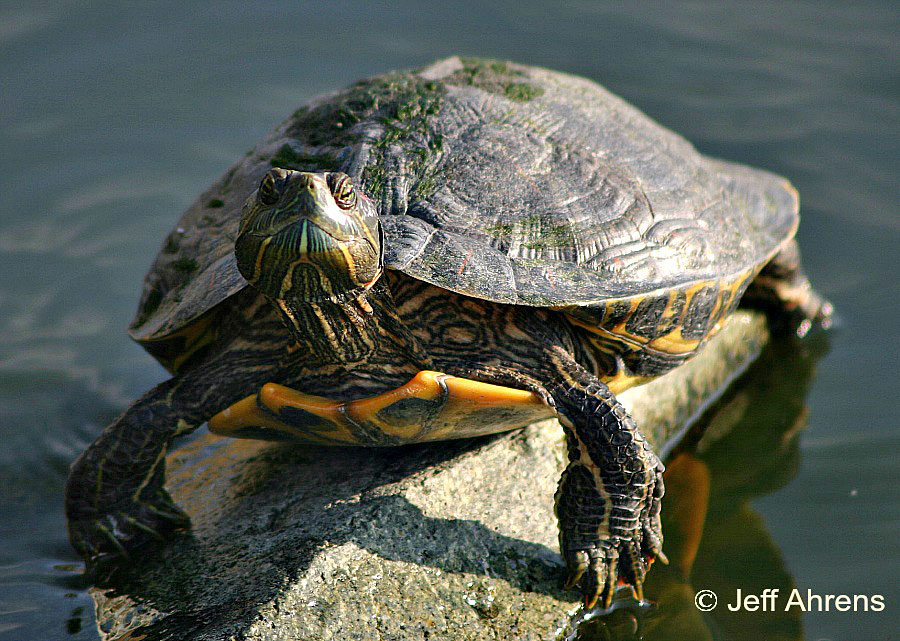
| Adult and juvenile, Orange County © Jeff Ahrens | Juvenile, Orange County © Jeff Ahrens Animal capture and handling authorized under SCP or specific authorization from CDFW. | ||||||||||||||||||||||||||||||||||||||||||||||||||||||
 |
 |
 |
 |
||||||||||||||||||||||||||||||||||||||||||||||||||||
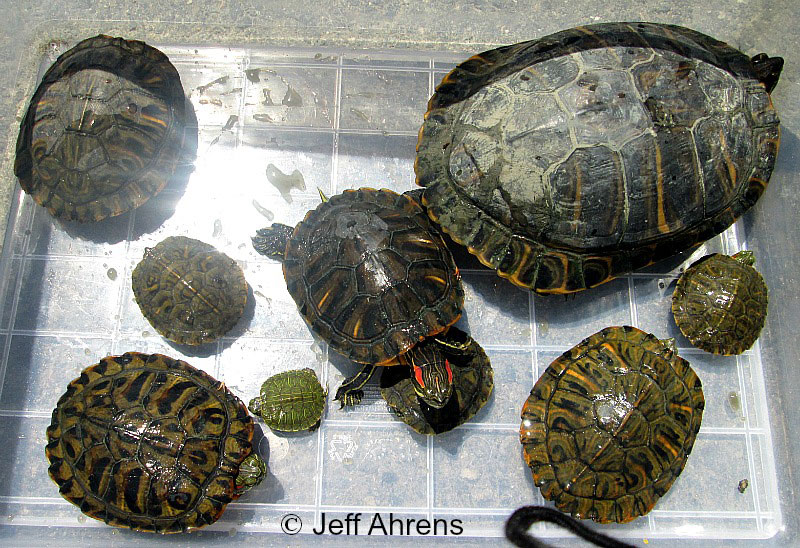
| Red-eared sliders of all ages © Jeff Ahrens Animal capture and handling authorized under SCP or specific authorization from CDFW. |
Adult in city park lake, San Francisco County |
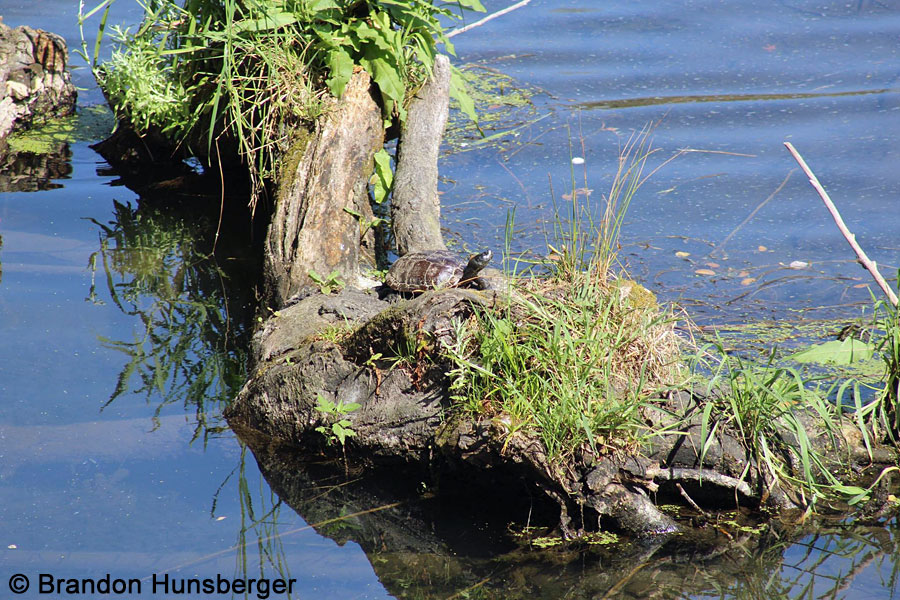
Adult and Juvenile, Sacramento County © Noah Morales | Adults, Sacramento County © Brandon Huntsberger |
||||||||||||||||||||||||||||||||||||||||||||||||||||
 |
 |
 |
 |
||||||||||||||||||||||||||||||||||||||||||||||||||||
| Adult, Sacramento County © Brandon Huntsberger |
Captive adult in an aquarium | This adult in El Dorado County is shedding the scutes on its shell © John Bailey |
This slider from Napa County has three large leeches on its shell. Leeches often attach themselves to the fleshy parts of turtles but they can also suck blood from the scutes on the shell. © Hank Miller |
||||||||||||||||||||||||||||||||||||||||||||||||||||
 |
|||||||||||||||||||||||||||||||||||||||||||||||||||||||
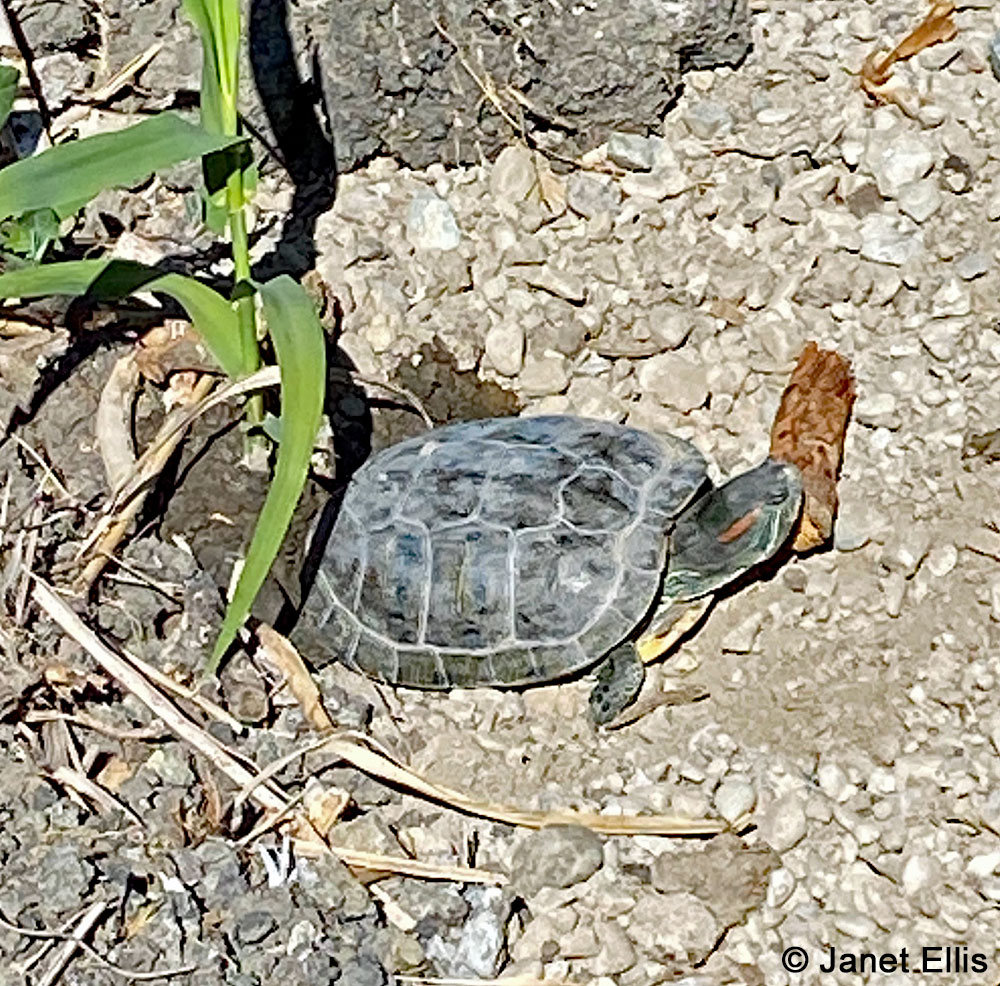
| This adult female was photographed in early June laying eggs in a nest she dug near an urban lake in Alameda County.. © Janet Ellis |
|||||||||||||||||||||||||||||||||||||||||||||||||||||||
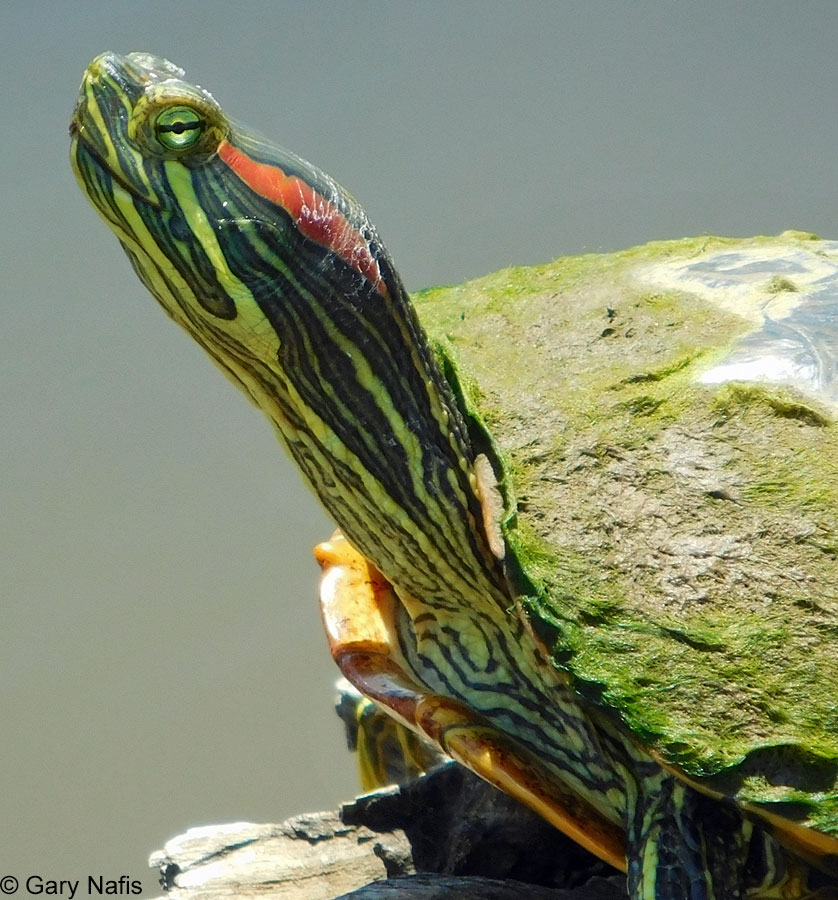
| Red Markings on Head | |||||||||||||||||||||||||||||||||||||||||||||||||||||||
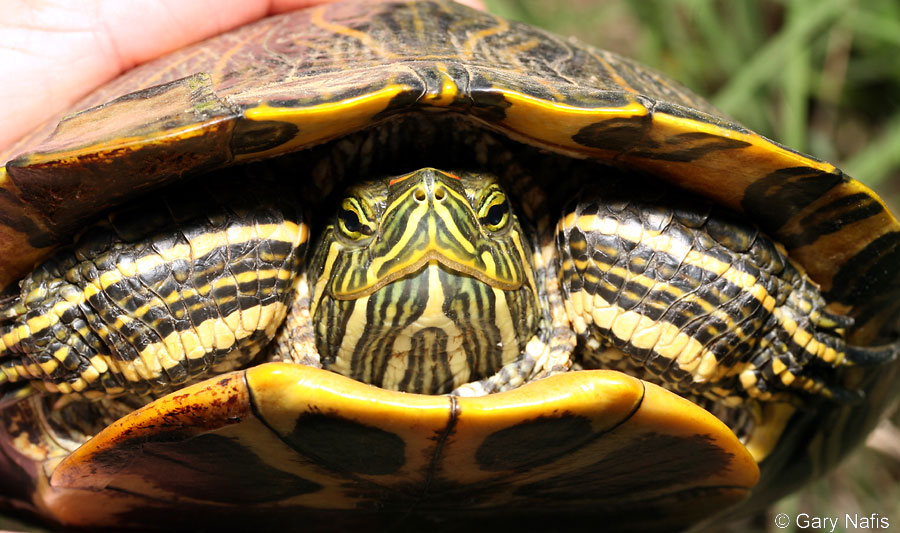
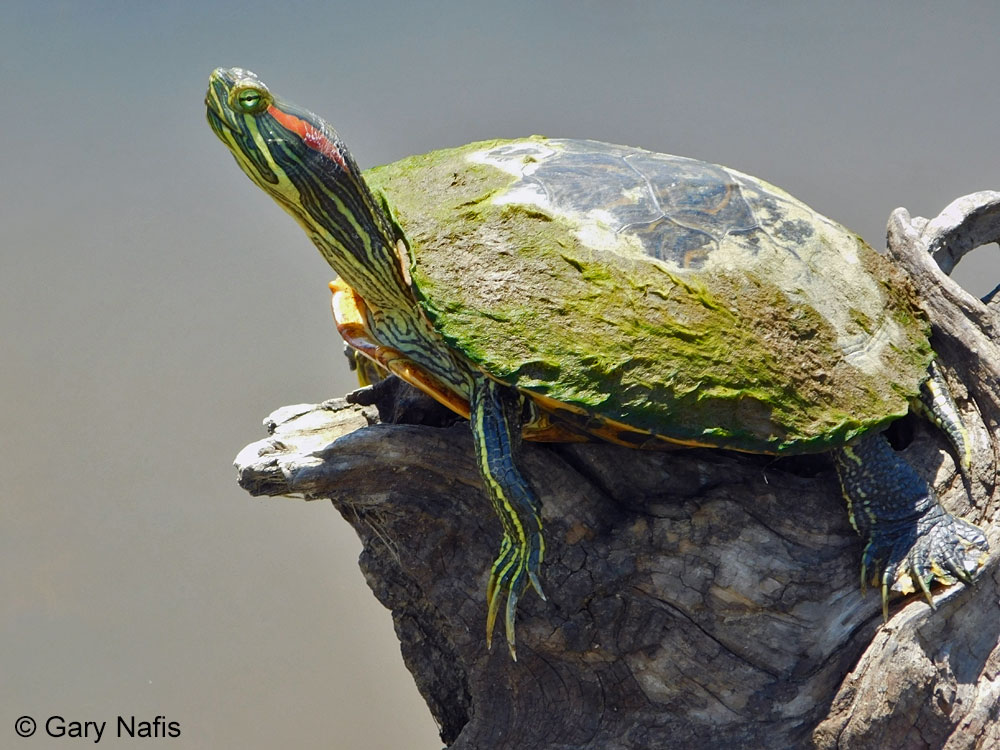
The Red-eared Slider has a characteristic red stripe behind eye, which gives it the name "Red-eared." The red stripe is not always prominent. Sometimes it is very thin or pale red or pink, and sometimes it is missing. |
|||||||||||||||||||||||||||||||||||||||||||||||||||||||
 |
 |
 |
 |
||||||||||||||||||||||||||||||||||||||||||||||||||||
 |
 |
 |
|
||||||||||||||||||||||||||||||||||||||||||||||||||||
 |
|||||||||||||||||||||||||||||||||||||||||||||||||||||||
| © Yuval Helfman | |||||||||||||||||||||||||||||||||||||||||||||||||||||||
| Red-eared Sliders From Outside California | |||||||||||||||||||||||||||||||||||||||||||||||||||||||
 |
 |
 |
 |
||||||||||||||||||||||||||||||||||||||||||||||||||||
| Adult, Travis County, Texas | Adult, Travis County, Texas | Adult, Miami-Dade County, Florida | Adult, Bastrop County, Texas | ||||||||||||||||||||||||||||||||||||||||||||||||||||
 |
 |
 |
 |
||||||||||||||||||||||||||||||||||||||||||||||||||||
| Carapace | Plastron | Adult, King County, Washington | Adult, Travis County, Texas | ||||||||||||||||||||||||||||||||||||||||||||||||||||
 |
 |
 |
 |
||||||||||||||||||||||||||||||||||||||||||||||||||||
| Adults, Cameron County, Texas | Adult, Tennessee | Captive adult swimming under water, Charlton County, Georgia |
|||||||||||||||||||||||||||||||||||||||||||||||||||||
 |
 |
 |
 |
||||||||||||||||||||||||||||||||||||||||||||||||||||
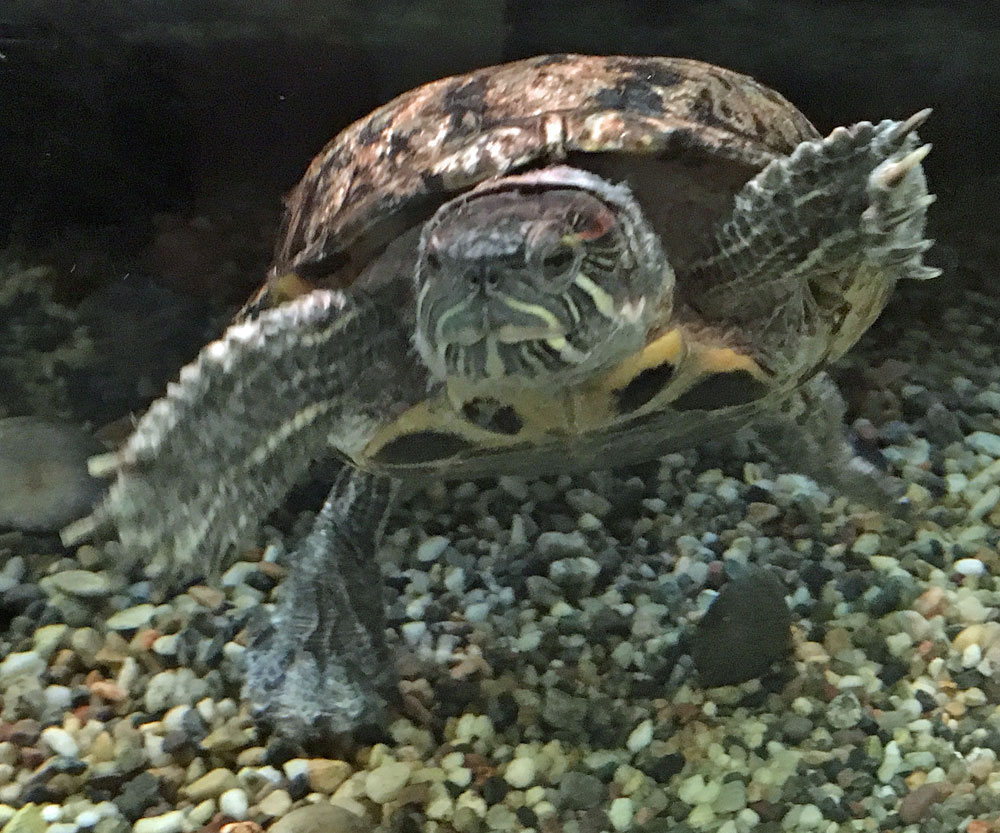
| Serrated rear edge of carapace of adult, Chambers County, Texas | Adult, Fairfax County, Virginia | Small adult swimming underwater, Las Vegas, NV |
Adult, Harris County, Texas | ||||||||||||||||||||||||||||||||||||||||||||||||||||
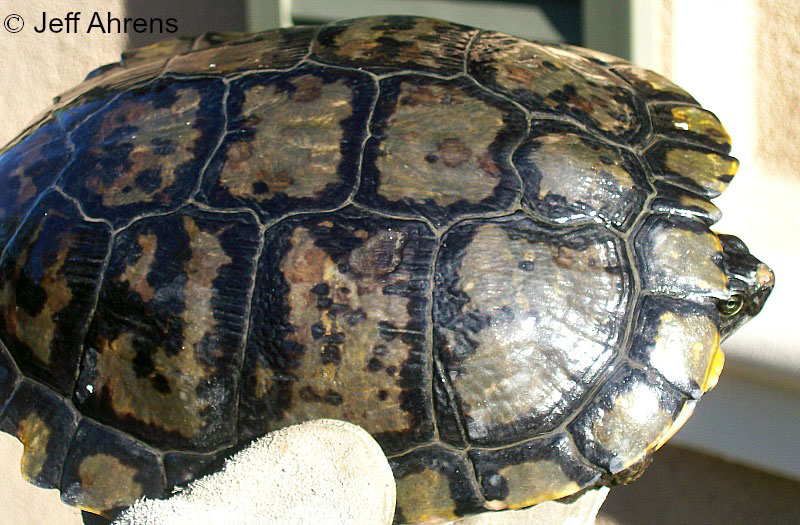
Comparison of Normal and Melanistic Red-eared Sliders |
|||||||||||||||||||||||||||||||||||||||||||||||||||||||
 |
 |
 |
 |
||||||||||||||||||||||||||||||||||||||||||||||||||||
| Shell of normal adult (left), dark shell of melanistic adult (middle), shell of Juvenile (right.) Orange County © Jeff Ahrens. Animal capture and handling authorized under SCP or specific authorization from CDFW. |
The same three turtles seen to the left: normal adult plastron (left), juvenile plastron (middle), melanistic adult plastron (right.) © Jeff Ahrens. Animal capture and handling authorized under SCP or specific authorization from CDFW. |
Normal adult (top) Melanistic adult (bottom) Orange County © Jeff Ahrens. Animal capture and handling authorized under SCP or specific authorization from CDFW. |
Carapace of melanistic adult with dark edging and little color, Orange County © Jeff Ahrens. Animal capture and handling authorized under SCP or specific authorization from CDFW. |
||||||||||||||||||||||||||||||||||||||||||||||||||||
 |
 |
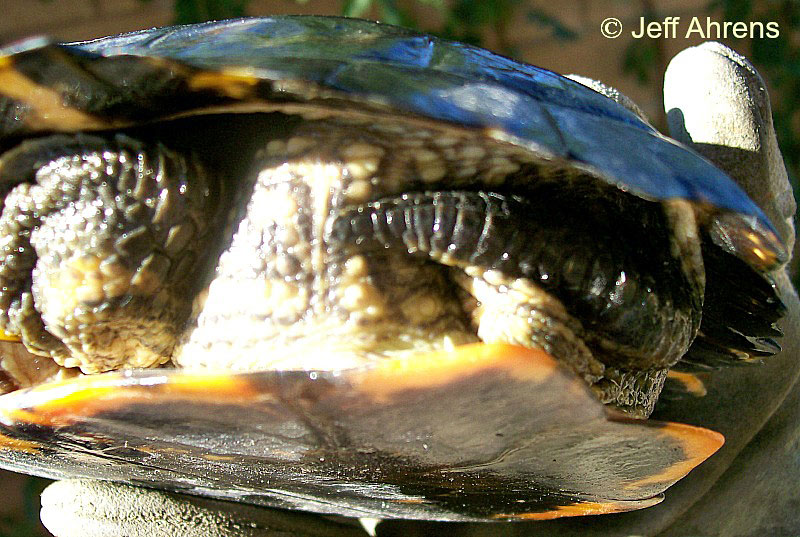 |
 |
||||||||||||||||||||||||||||||||||||||||||||||||||||
| Dark head with no red "ear" marking and dark front legs of melanistic adult, Orange County. © Jeff Ahrens. Animal capture and handling authorized under SCP or specific authorization from CDFW. |
Head and front legs of normal adult with yellow markings, Orange County. © Jeff Ahrens. Animal capture and handling authorized under SCP or specific authorization from CDFW. |
Dark tail of melanistic adult, Orange County. © Jeff Ahrens. Animal capture and handling authorized under SCP or specific authorization from CDFW. |
Tail of normal adult with yellow markings,, Orange County. © Jeff Ahrens. Animal capture and handling authorized under SCP or specific authorization from CDFW. |
||||||||||||||||||||||||||||||||||||||||||||||||||||
 |
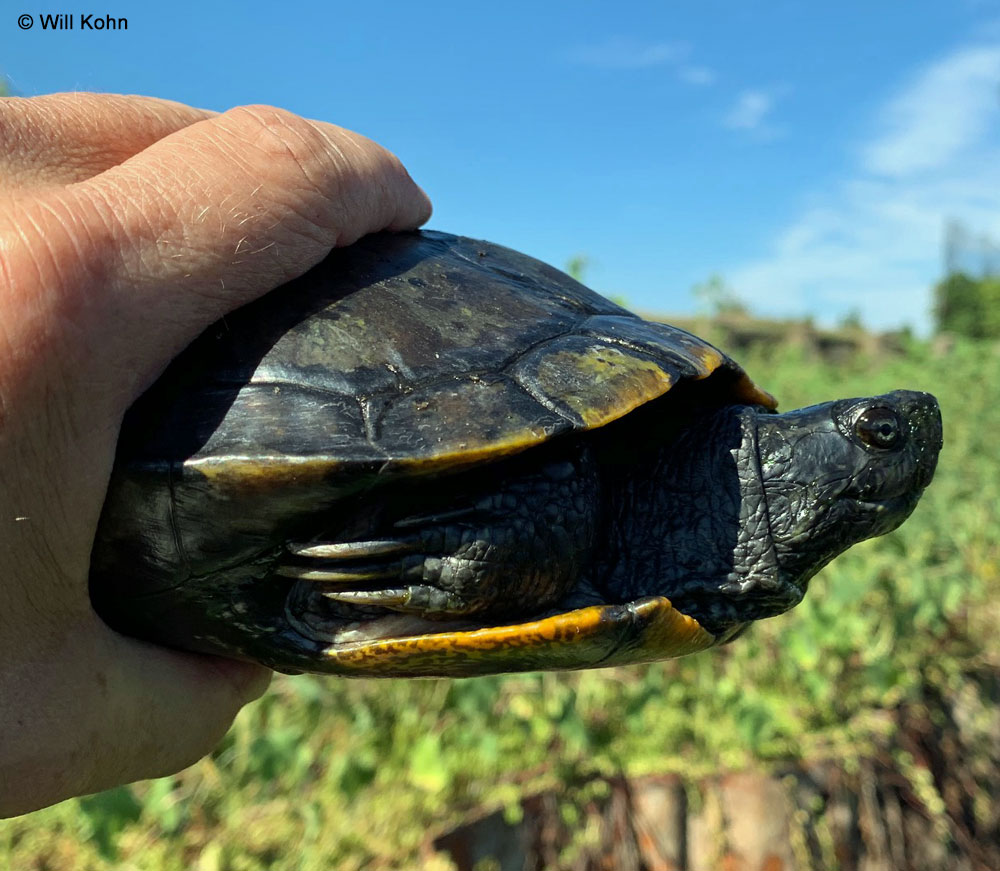 |
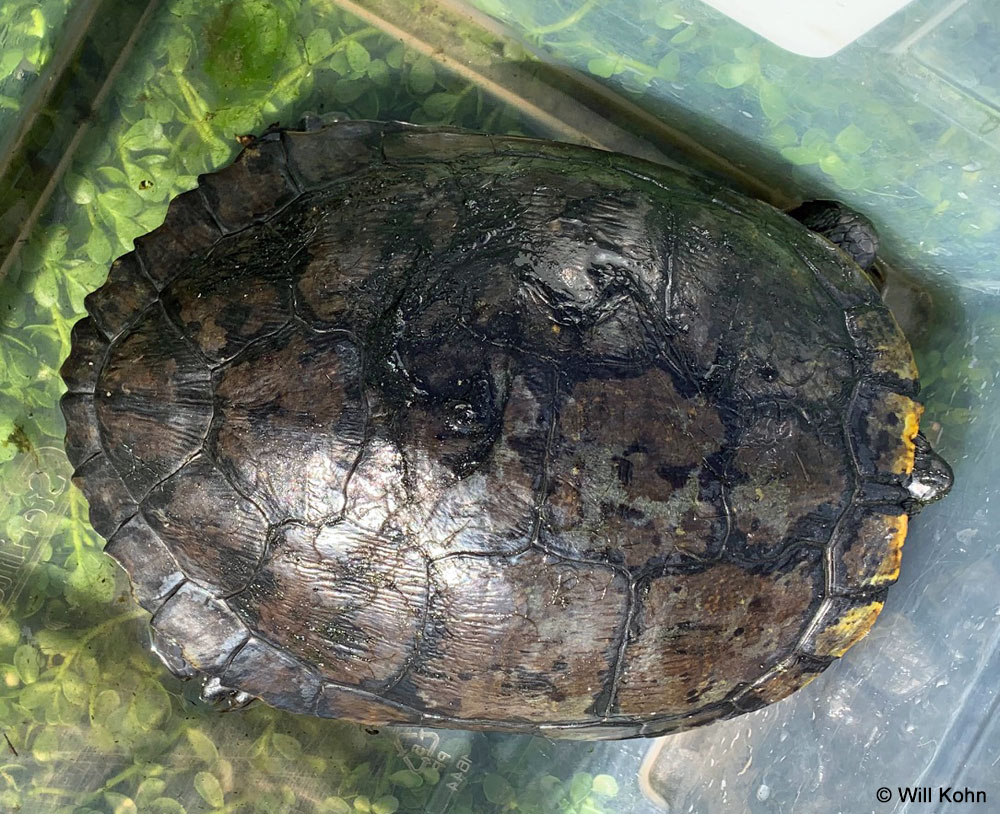 |
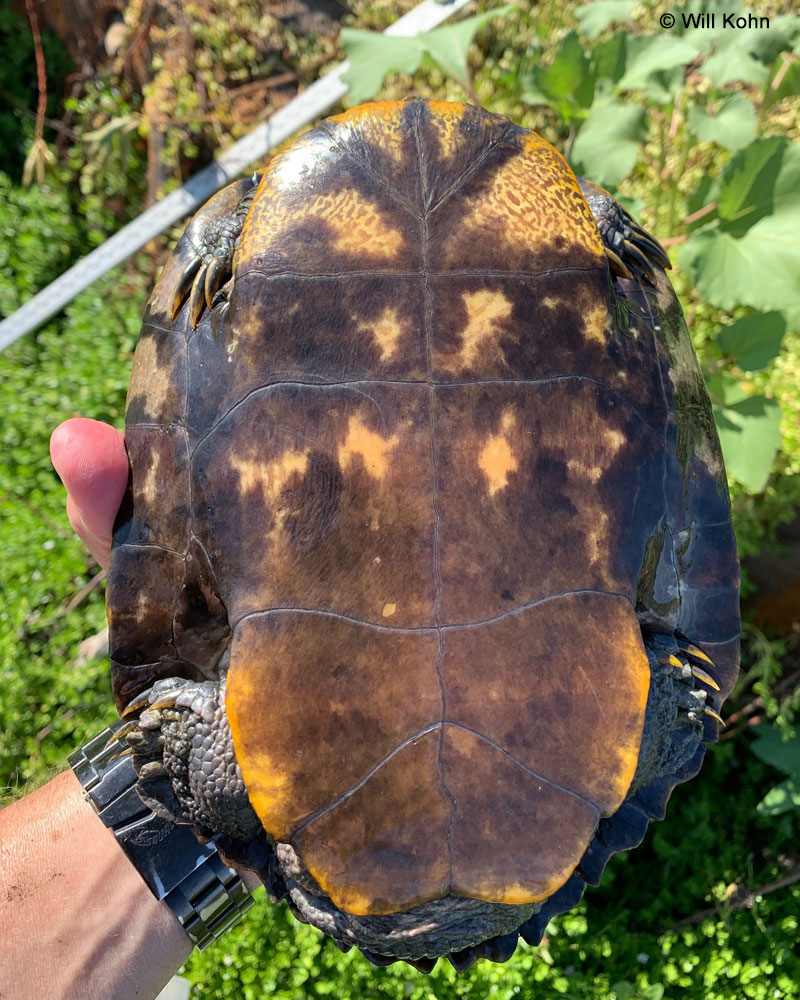 |
||||||||||||||||||||||||||||||||||||||||||||||||||||
| Melanistic Red-eared Sliders found in San Diego County. © Will Kohn | |||||||||||||||||||||||||||||||||||||||||||||||||||||||
| Comparison With Pacific Pond Turtle - Actinemys marmorata | |||||||||||||||||||||||||||||||||||||||||||||||||||||||
 |
 |
|
|
||||||||||||||||||||||||||||||||||||||||||||||||||||
| The head, neck, and throat of the female Western Pond Turtle is mottled, with no red stripe behind the eye. | The head of the male Western Pond Turtle is dark with no red stripe behind the eye, and the throat is white. © Grayson B. Sandy |
There is usually a prominent red stripe behind the eye of the Red-eared Slider. | Some older or melanistic adult Red-eared Sliders do not have a red stripe behind the eye. © Will Kohn (See Below) |
||||||||||||||||||||||||||||||||||||||||||||||||||||
 |
 |
||||||||||||||||||||||||||||||||||||||||||||||||||||||
| A useful way to differentiate Western Pond Turtles from Red-eared Sliders, according to wildlife biologist Brandon Stidum, is to "...look at the marginal scutes 8-12 (...the scutes above the tail, or back scutes). Sliders have bifid or slightly forked scutes, where Western Pond Turtles do not; theirs are all smooth and do not split (except for traumatic injuries, but it’s usually only one or a few, not all scutes). The forking in the tail gives red-eared sliders the appearance that the tail is serrated or split in appearance. While looking for the presence and size of inguinal and axillary scutes is the best way to differentiate between the 2 once you have them in hand, a good way to do it from a distance is to look at the back scutes of the turtles." | Left: Red-eared Slider Right: Western Pond Turtle |
||||||||||||||||||||||||||||||||||||||||||||||||||||||
 |
 |
||||||||||||||||||||||||||||||||||||||||||||||||||||||
| Two adult Red-eared Sliders (left) compared with a much smaller adult Western Pond Turtle (right). © Jeff Ahrens. Animal capture and handling authorized under SCP or specific authorization from CDFW. |
Ventral view of four adult Red-eared Sliders, with a much smaller adult Western Pond Turtle in the middle. © Jeff Ahrens. Animal capture and handling authorized under SCP or specific authorization from CDFW. |
||||||||||||||||||||||||||||||||||||||||||||||||||||||
Identification Confusion with Melanistic Red-eared Sliders and Pacific Pond Turtles |
|||||||||||||||||||||||||||||||||||||||||||||||||||||||
 |
 |
 |
|
||||||||||||||||||||||||||||||||||||||||||||||||||||
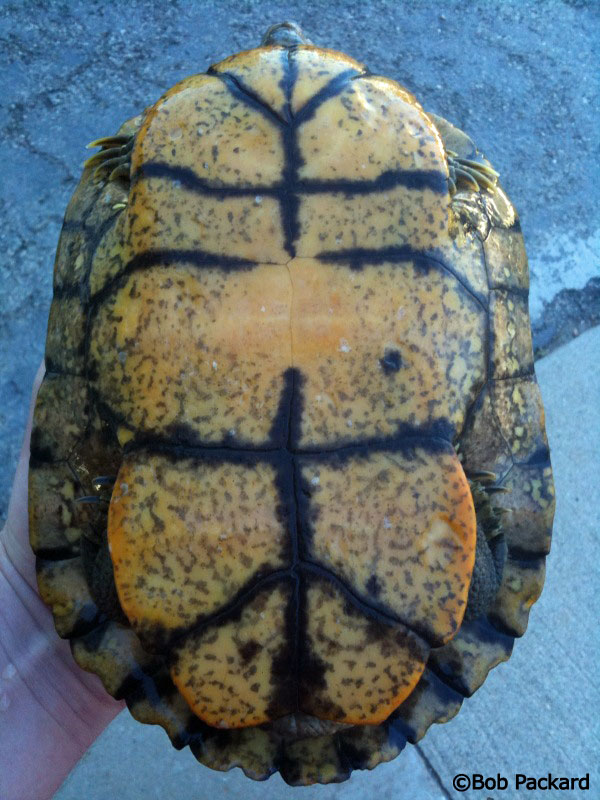
| Melanistic adult Red-eared slider Riverside County © Bob Parkard | Melanistic adult Red-eared slider, (without red on the head) Riverside County © Bob Parkard |
Melanistic adult Red-eared with no red marks behind the eyes © Will Kohn | |||||||||||||||||||||||||||||||||||||||||||||||||||||
 |
 |
 |
|
||||||||||||||||||||||||||||||||||||||||||||||||||||
| Adult Pond Turtle, Mendocino county | Adult female Pond Turtle © Grayson Sandy |
Adult male Pond Turtle | |||||||||||||||||||||||||||||||||||||||||||||||||||||
 Click to enlarge |
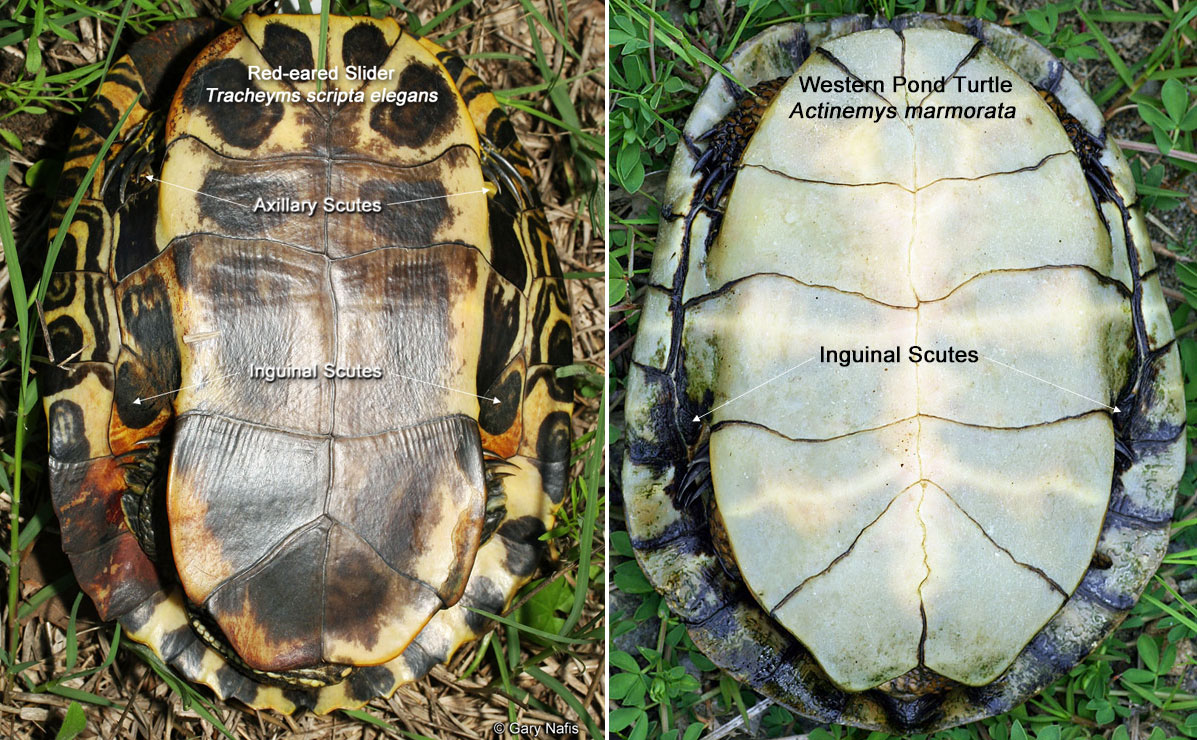
Introduced melanistic sliders and old sliders whose red "ears" have faded, are often difficult to distinguish from the California native Western Pond Turtle, especially at a distance in the field, and even in hand. According to Bob Packard, with the Western Riverside County MSHCP Biological Monitoring Program, his organization confirms the identification of these turtles based on the presence of large inguinal and axillary scutes on the sliders, which are absent on the pond turtles (see illustration to the left) and by an interesting behavioral clue: the majority of sliders tend to be aggressive, biting readily, while pond turtles are far more reluctant to bite. You can also use the information illustrated above about differentiating the two species from a distance by observing the rear marginal scutes, or back scutes, (scutes above the tail). More pictures of melanistic sliders can be seen above. |
||||||||||||||||||||||||||||||||||||||||||||||||||||||
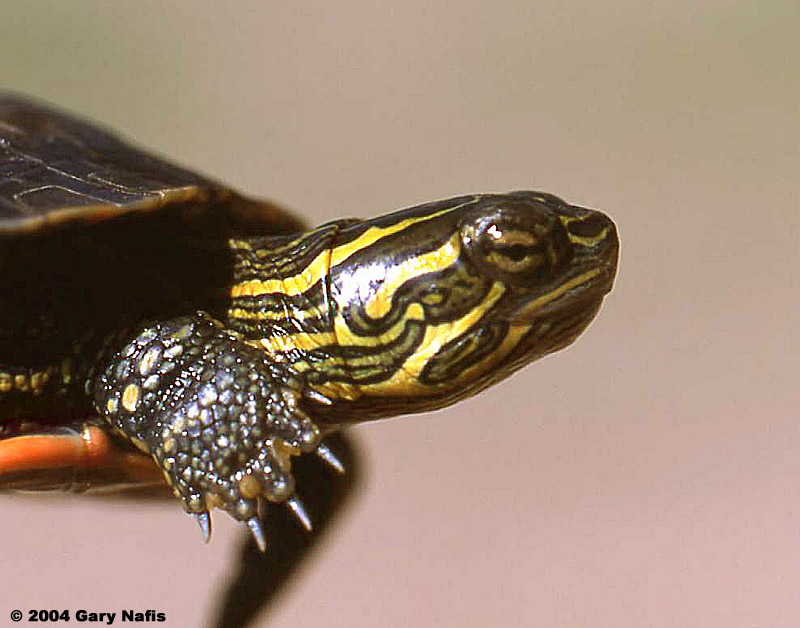
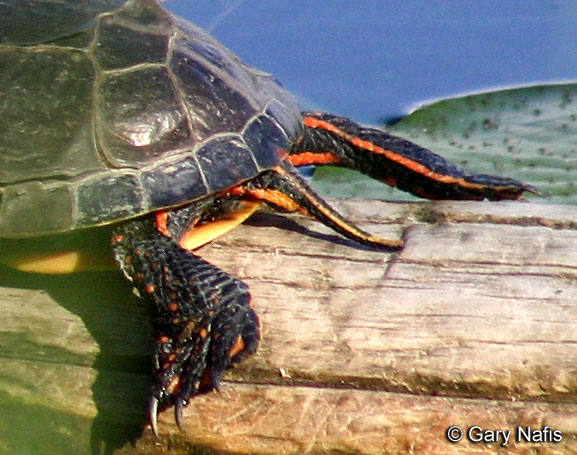
Identifying Red-eared Sliders and Western Painted Turtles (More Here) |
|||||||||||||||||||||||||||||||||||||||||||||||||||||||
| Red-eared Slider | Western Painted Turtle | ||||||||||||||||||||||||||||||||||||||||||||||||||||||
 |
 |
 |
 |
||||||||||||||||||||||||||||||||||||||||||||||||||||
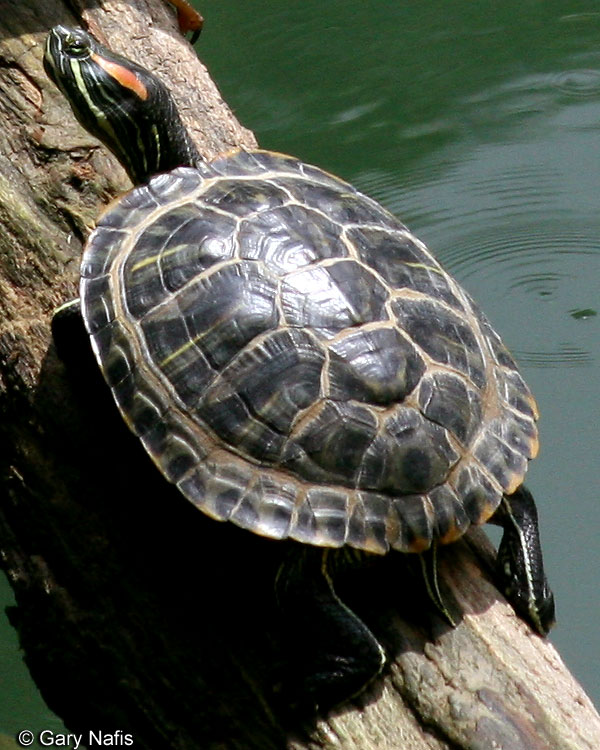
| Red stripes occur behind the eyes (sometimes missing on older individuals) |
Yellow stripes occur on the head with no red markings. | ||||||||||||||||||||||||||||||||||||||||||||||||||||||
|
 |
 |
 |
||||||||||||||||||||||||||||||||||||||||||||||||||||
| The large scales on the rear edge of the shell are serrated. The shell is not marked with red. |
The large scales on the rear edge of the shell are smooth, not serrated. The shell is usually marked with red. |
||||||||||||||||||||||||||||||||||||||||||||||||||||||
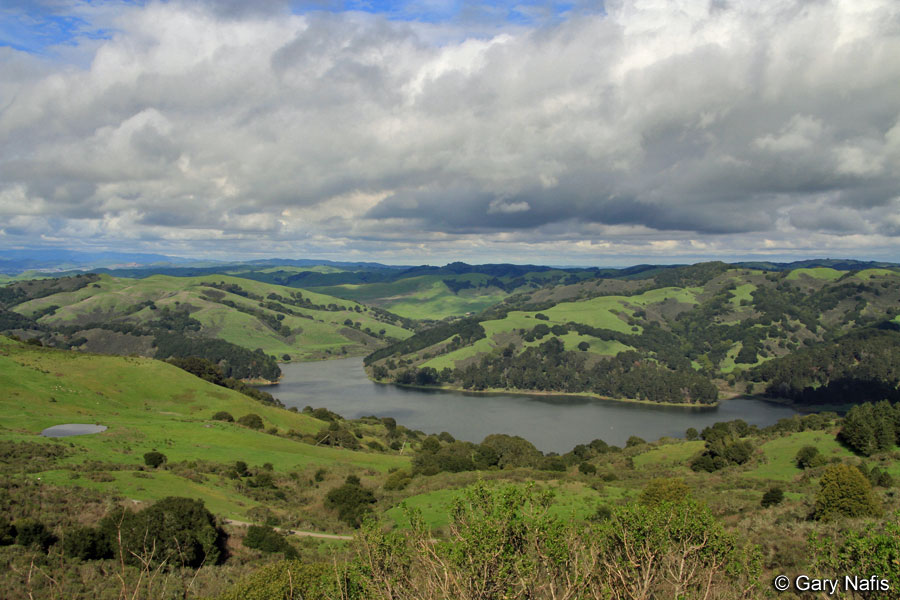
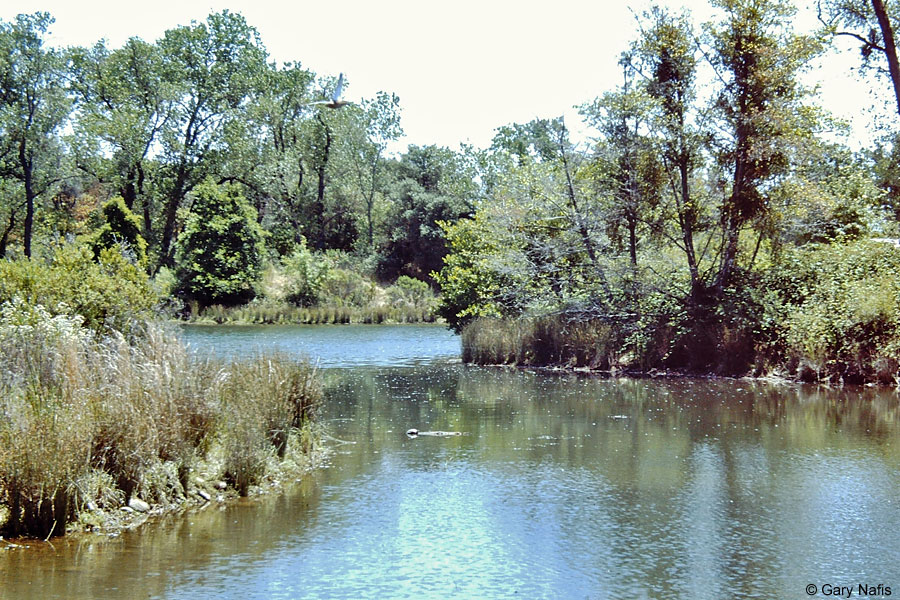
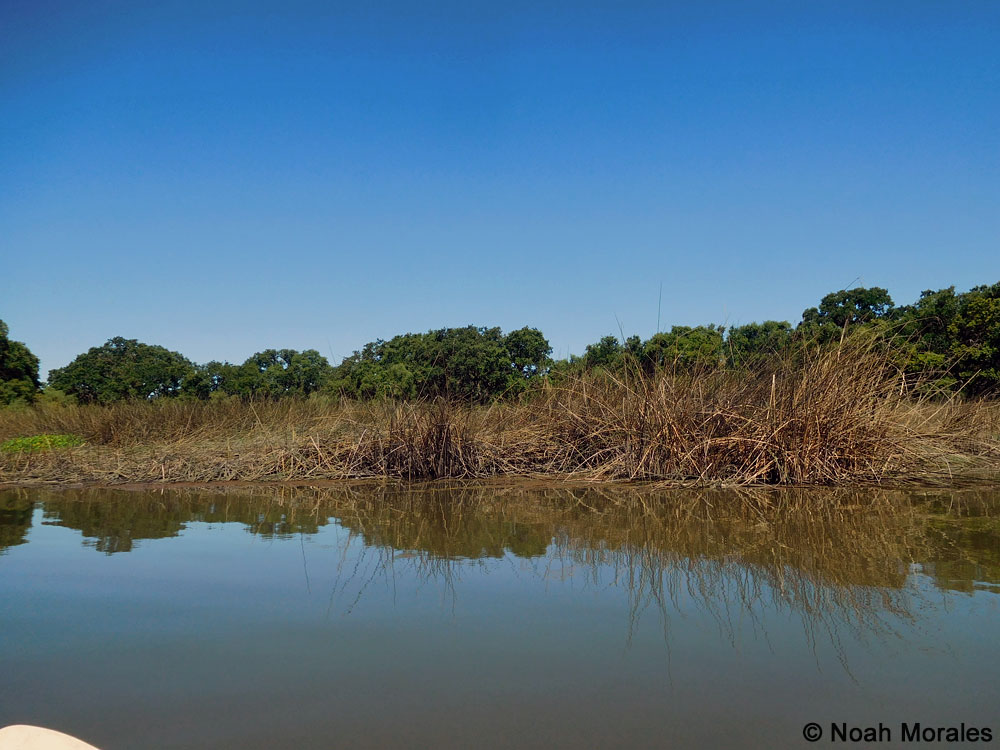
| Habitat | |||||||||||||||||||||||||||||||||||||||||||||||||||||||
 |
 |
 |
 |
||||||||||||||||||||||||||||||||||||||||||||||||||||
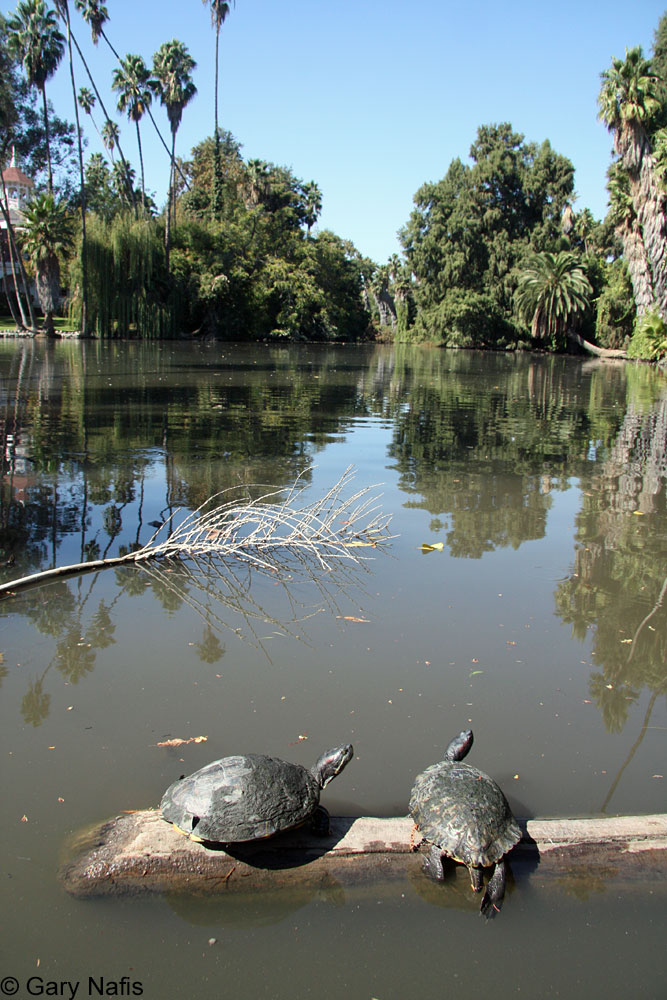
| Habitat, Contra Costa County reservoir | Habitat, irrigation canal, Sacramento County |
Habitat, park pond, Contra Costa County | Habitat, Los Angeles County | ||||||||||||||||||||||||||||||||||||||||||||||||||||
 |
 |
 |
 |
||||||||||||||||||||||||||||||||||||||||||||||||||||
| Habitat, city park lake, San Francisco County |
Habitat, large lake, Sacramento County | Habitat, river, Sacramento County © Noah Morales |
Adults in city park pond habitat, Los Angeles County |
||||||||||||||||||||||||||||||||||||||||||||||||||||
 |
|||||||||||||||||||||||||||||||||||||||||||||||||||||||
| Urban park lake habitat, Alameda County © King of Hearts, CC BY-SA 3.0, via Wikimedia Commons |
|||||||||||||||||||||||||||||||||||||||||||||||||||||||
| Short Videos | |||||||||||||||||||||||||||||||||||||||||||||||||||||||
 |
 |
 |
|||||||||||||||||||||||||||||||||||||||||||||||||||||
| Red-eared Sliders basking, swimming, and sliding into a pond in LA County. | Red-eared Sliders basking at a small lake in Contra Costa County. | A Red-eared Slider swims in a small lake in Contra Costa County then hauls out onto a log. | |||||||||||||||||||||||||||||||||||||||||||||||||||||
|
|||||||||||||||||||||||||||||||||||||||||||||||||||||||
|
|||||||||||||||||||||||||||||||||||||||||||||||||||||||

|
The following conservation status listings for this animal are taken from the July 2025 State of California Special Animals List and the July 2025 Federally Listed Endangered and Threatened Animals of California list (unless indicated otherwise below.) Both lists are produced by multiple agencies every year, and sometimes more than once per year, so the conservation status listing information found below might not be from the most recent lists, but they don't change a great deal from year to year.. To make sure you are seeing the most recent listings, go to this California Department of Fish and Wildlife web page where you can search for and download both lists: https://www.wildlife.ca.gov/Data/CNDDB/Plants-and-Animals. A detailed explanation of the meaning of the status listing symbols can be found at the beginning of the two lists. For quick reference, I have included them on my Special Status Information page. If no status is listed here, the animal is not included on either list. This most likely indicates that there are no serious conservation concerns for the animal. To find out more about an animal's status you can also go to the NatureServe and IUCN websites to check their rankings. Check the current California Department of Fish and Wildlife sport fishing regulations to find out if this animal can be legally pursued and handled or collected with possession of a current fishing license. You can also look at the summary of the sport fishing regulations as they apply only to reptiles and amphibians that has been made for this website. This animal is not included on the Special Animals List, which indicates that there are no significant conservation concerns for it in California. |
||
| Organization | Status Listing | Notes |
| NatureServe Global Ranking | ||
| NatureServe State Ranking | ||
| U.S. Endangered Species Act (ESA) | None | |
| California Endangered Species Act (CESA) | None | |
| California Department of Fish and Wildlife | None | |
| Bureau of Land Management | None | |
| USDA Forest Service | None | |
| IUCN | ||
|
|
||
Return to the Top
© 2000 -