
A Guide to the Amphibians
and Reptiles of California
Click on a picture for a larger view
Common Sharp-tailed Snake - Contia tenuis
(Baird and Girard, 1852)
Description • Taxonomy • Original Citation • Scientific Name • Alt. Names • Similar Herps • References • Conservation Status

Red: Range of this species in California
Contia tenuis - Common Sharp-tailed Snake
Orange: Range of Contia longicauda -
Forest Sharp-tailed Snake
Dark Blue: Area that might contain both species
Click on the map for a topographical view
Map with California County Names
Contia tenuis - Common Sharp-tailed Snake
Orange: Range of Contia longicauda -
Forest Sharp-tailed Snake
Dark Blue: Area that might contain both species
Click on the map for a topographical view
Map with California County Names

 |
|||||||||||||||||||||||||||||||||||||||||||||||||||||||||||
 |
 |
 |
 |
||||||||||||||||||||||||||||||||||||||||||||||||||||||||
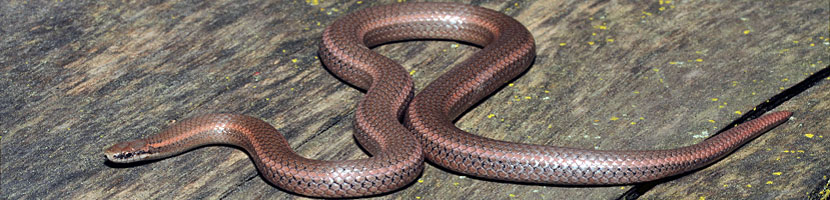
| Adult, Butte County | Adult, Butte County | Adult, coiled into a defensive position that hides its head, Contra Costa County | Adult, Yuba County | ||||||||||||||||||||||||||||||||||||||||||||||||||||||||
 |
 |
 |
 |
||||||||||||||||||||||||||||||||||||||||||||||||||||||||
| Adult, Placer County | Adult, Contra Costa County | ||||||||||||||||||||||||||||||||||||||||||||||||||||||||||
 |
 |
 |
 |
||||||||||||||||||||||||||||||||||||||||||||||||||||||||
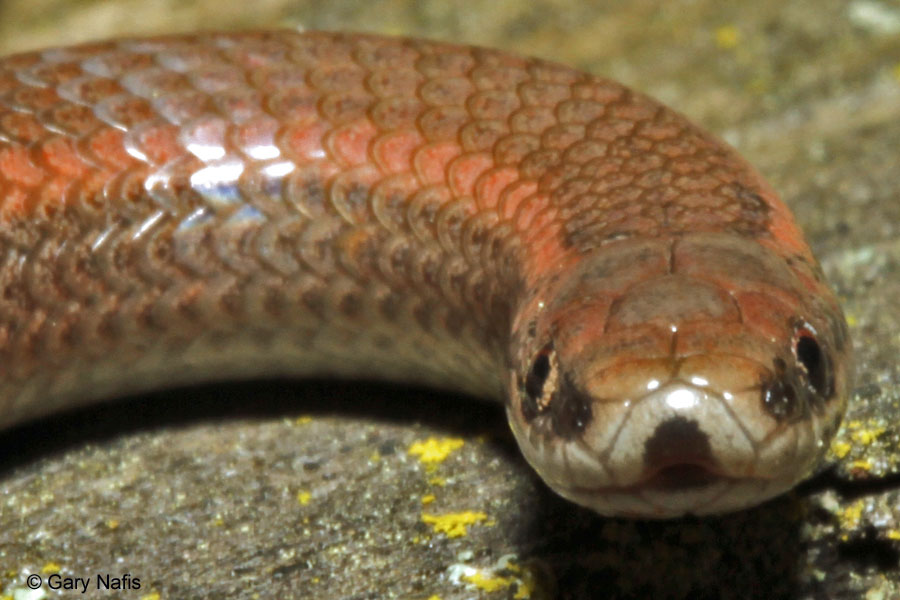
| Adult, Placer County | Adult, Contra Costa County | ||||||||||||||||||||||||||||||||||||||||||||||||||||||||||
 |
 |
 |
 |
||||||||||||||||||||||||||||||||||||||||||||||||||||||||
| The underside is pale with black markings on the edge of each scale. | Underside of adult, Santa Clara County | Adult, Lake County | |||||||||||||||||||||||||||||||||||||||||||||||||||||||||
 |
 |
 |
 |
||||||||||||||||||||||||||||||||||||||||||||||||||||||||
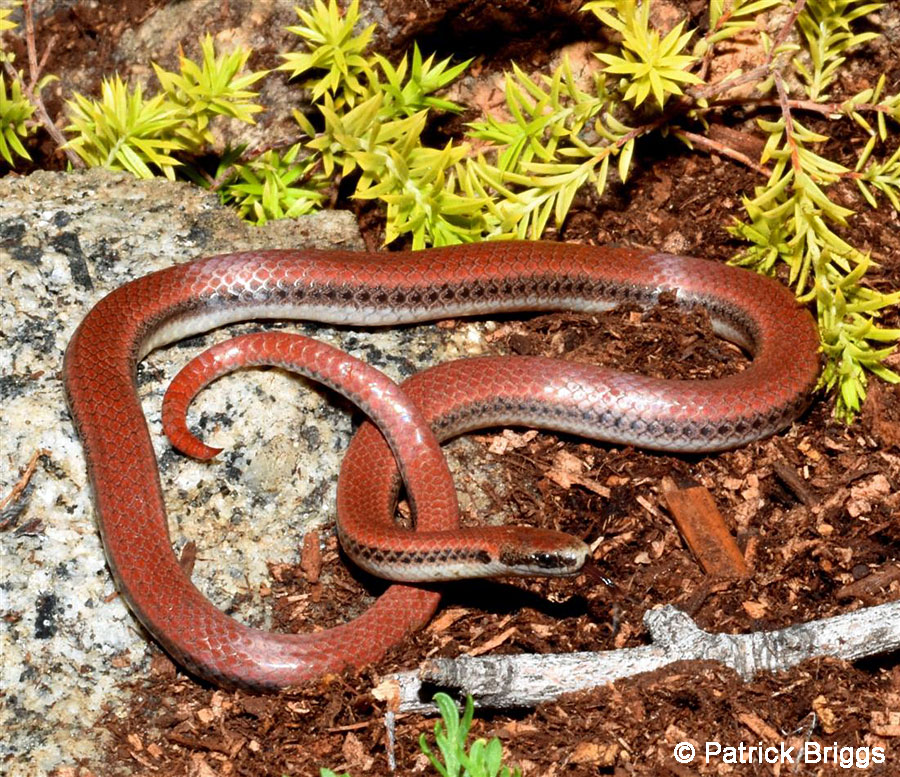
| Adult, Monterey County © Patrick Briggs |
Adult, San Mateo County © Rory Doolin |
Adult, Alameda County © David Kositchek |
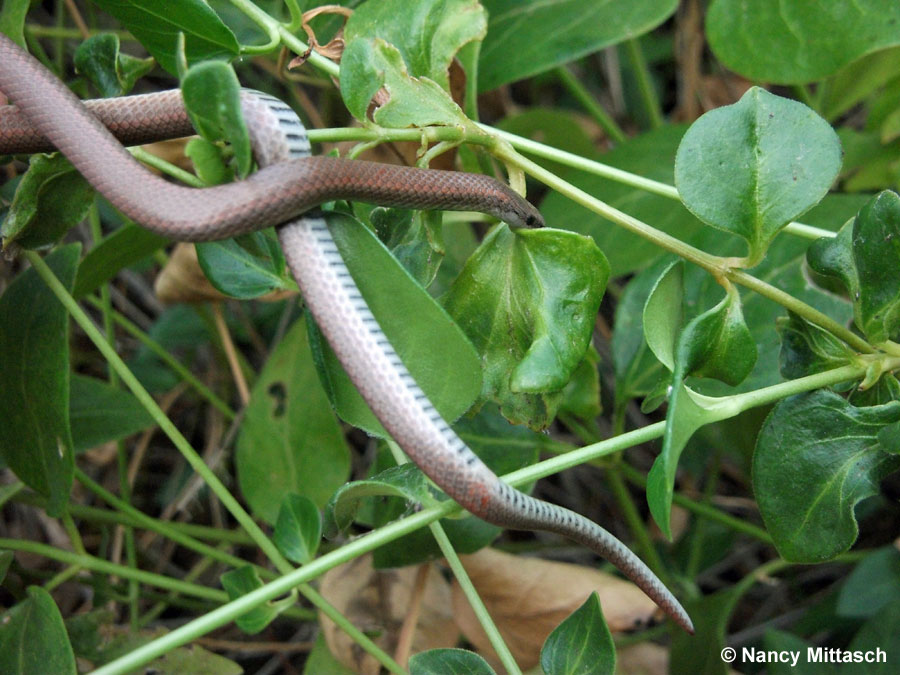
Adult, Lake County. © Nancy Mittasch | ||||||||||||||||||||||||||||||||||||||||||||||||||||||||
 |
 |
 |
 |
||||||||||||||||||||||||||||||||||||||||||||||||||||||||
| Adult, Carmel Valley, Monterey County © Huck Triggs |
Adult, Carmel Valley, Monterey County © Huck Triggs |
Adult, Sierra Nevada Mountains, Fresno County © Mike Pecora |
Adult, Sierra Nevada Mountains, Fresno County © Patrick Briggs |
||||||||||||||||||||||||||||||||||||||||||||||||||||||||
 |
 |
 |
 |
||||||||||||||||||||||||||||||||||||||||||||||||||||||||
| Adult in habitat, Alameda County © Jared Heald |
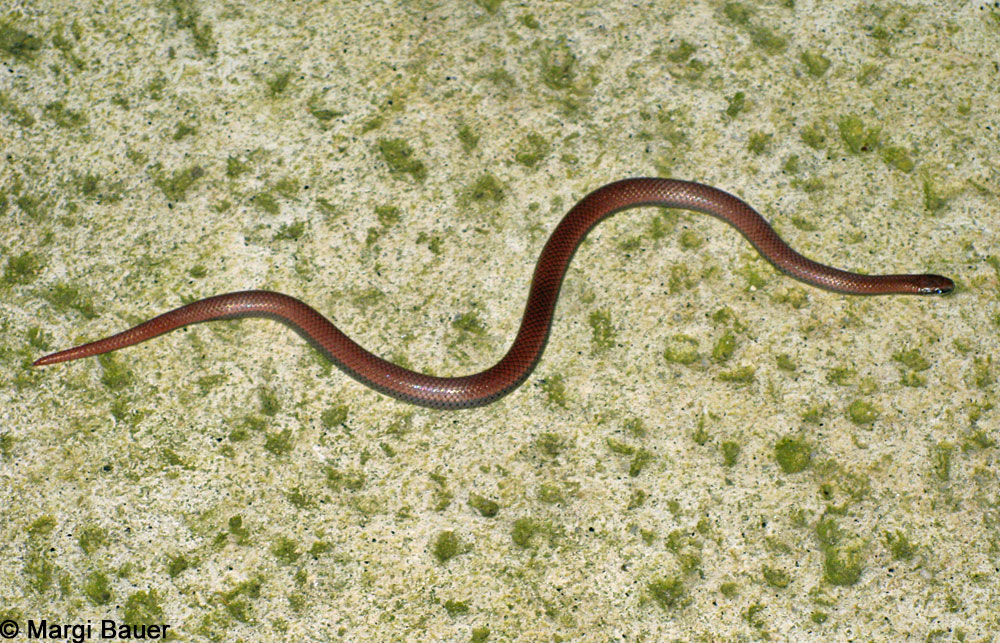
Adult, San Luis Obispo County © Margi Bauer |
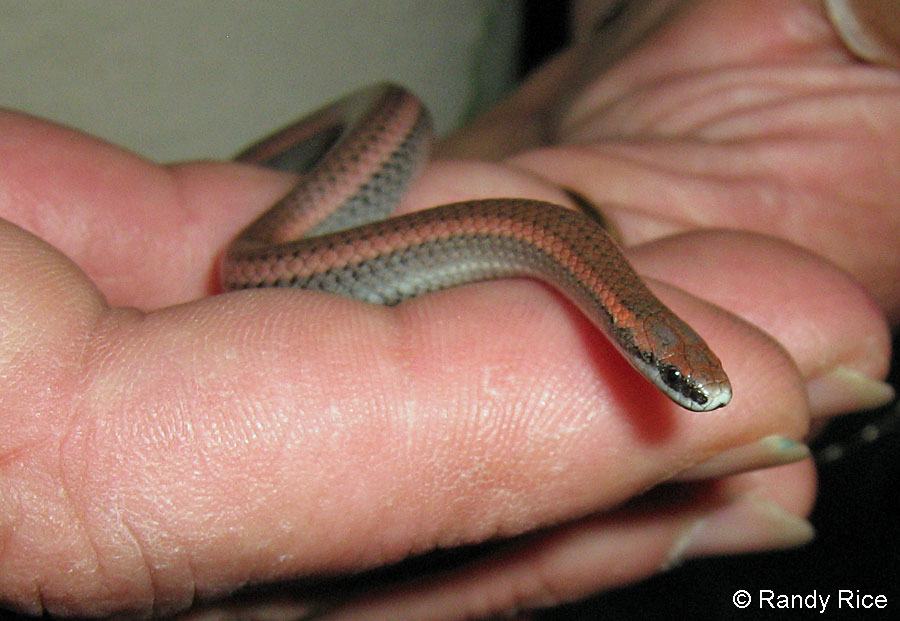
Adult, Sonoma County © Jared Heald | Adult, Shasta County © Randy Rice | ||||||||||||||||||||||||||||||||||||||||||||||||||||||||
 |
 |
 |
 |
||||||||||||||||||||||||||||||||||||||||||||||||||||||||
| Adult with pale markings, Sonoma County © Ric DelMar |
Typical and pinkish-orange morphs © Rodney Lacey, who finds both morphs together in Butte County. |
Often several Sharp-tailed Snakes are found underneath the same cover object, in this case a large board in San Mateo County. © Rory Doolin |
Four snakes (coiled up in defensive positions) found together after a December rainstorm in Alameda County © Jared Heald |
||||||||||||||||||||||||||||||||||||||||||||||||||||||||
 |
 |
 |
 |
||||||||||||||||||||||||||||||||||||||||||||||||||||||||
| Adult San Luis Obispo County © Ryan Sikola | Adult, Lake County | Top of adult head close-up, San Luis Obispo County Ryan Sikola | |||||||||||||||||||||||||||||||||||||||||||||||||||||||||
 |
 |
||||||||||||||||||||||||||||||||||||||||||||||||||||||||||
| Adult, Alameda County © Faris K | Adult, San Mateo County © Zach Lim | ||||||||||||||||||||||||||||||||||||||||||||||||||||||||||
| A sharp point at the tip of the tail gives this snake its name. | |||||||||||||||||||||||||||||||||||||||||||||||||||||||||||
 |
 |
 |
 |
||||||||||||||||||||||||||||||||||||||||||||||||||||||||
| Adult, Lake County | Adult, Kittitas County, Washington | Adult, San Luis Obispo County © Margi Bauer |
Tiny juvenile, Madera County © Ryan Sikola |
||||||||||||||||||||||||||||||||||||||||||||||||||||||||
| Juveniles | |||||||||||||||||||||||||||||||||||||||||||||||||||||||||||
 |
 |
 |
 |
||||||||||||||||||||||||||||||||||||||||||||||||||||||||
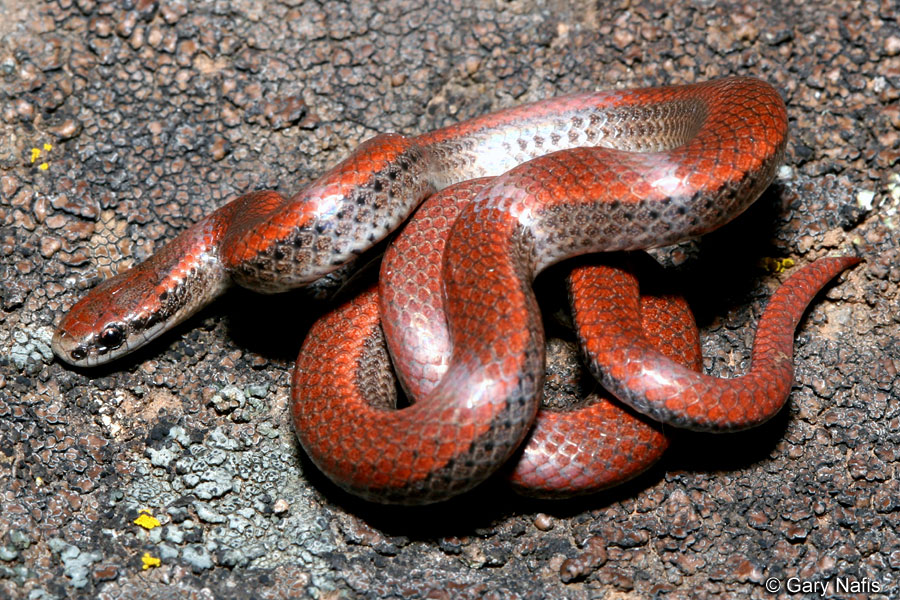
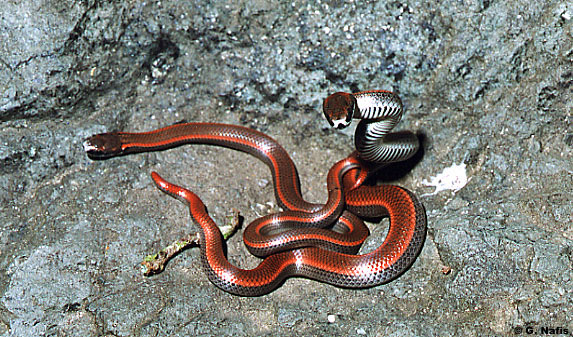
| Juvenile, Butte County | Two juveniles found under a rock in Contra Costa County | Juvenile, Contra Costa County | |||||||||||||||||||||||||||||||||||||||||||||||||||||||||
 |
 |
 |
 |
||||||||||||||||||||||||||||||||||||||||||||||||||||||||
| Juvenile, Sacramento County © Dona Walker | Juvenile, about 4 inches in length, Monterey County © Katie Zarn. | Juvenile, Fresno County © Patrick Briggs |
|||||||||||||||||||||||||||||||||||||||||||||||||||||||||
 |
 |
 |
 |
||||||||||||||||||||||||||||||||||||||||||||||||||||||||
| Juvenile, Stanislaus County © Noah Morales |
Tiny juvenile, Shasta County | Juvenile, from near San Rafael, Marin County © Deborah LaFleur | Juvenile, Alameda County © Amie Rashé Conrad Common Sharp-tailed snakes are often found in suburban northern California yards and gardens while raking or turning over surface objects, especially on sunny days after rain in the Winter and Spring. |
||||||||||||||||||||||||||||||||||||||||||||||||||||||||
 |
|
 |
 |
||||||||||||||||||||||||||||||||||||||||||||||||||||||||
| Tiny juvenile, Madera County © Ryan Sikola | |||||||||||||||||||||||||||||||||||||||||||||||||||||||||||
 |
|||||||||||||||||||||||||||||||||||||||||||||||||||||||||||
| Hatchling, 2100' elevation Tuolumne County © Adam Gitmed |
|||||||||||||||||||||||||||||||||||||||||||||||||||||||||||
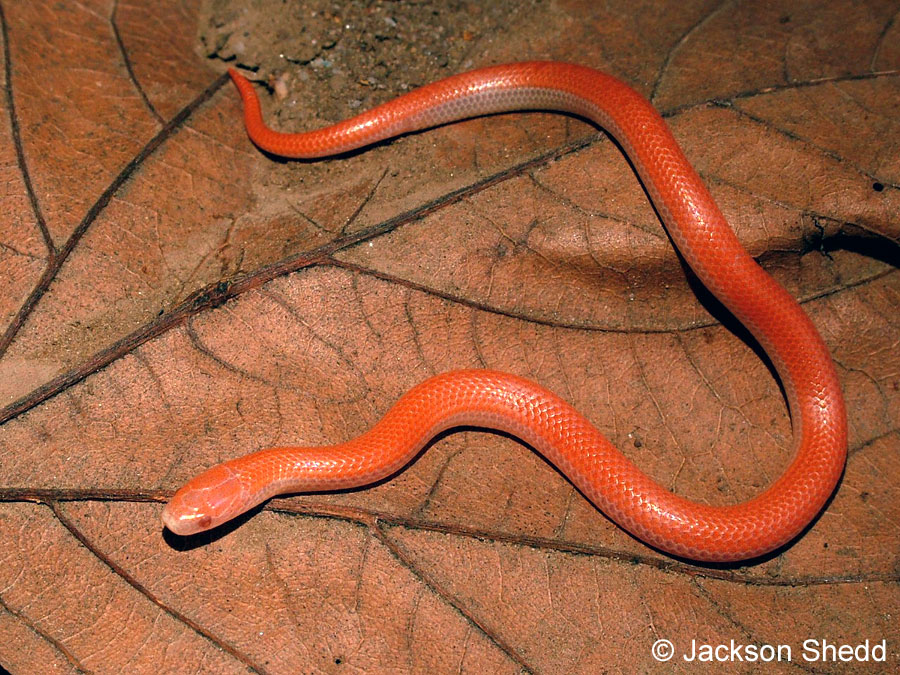
| Aberrant Common Sharp-tailed Snakes | |||||||||||||||||||||||||||||||||||||||||||||||||||||||||||
 |
 |
 |
 |
||||||||||||||||||||||||||||||||||||||||||||||||||||||||
| Unusually-colored juvenile from Butte County, probably hypomelanistic or amelanistic. © Jackson Shedd | These two hypomelanistic juveniles with red eyes were found while raking leaves in Butte County © Mike Thiede & Jon Thiede | ||||||||||||||||||||||||||||||||||||||||||||||||||||||||||
| Habitat | |||||||||||||||||||||||||||||||||||||||||||||||||||||||||||
 |
 |
 |
 |
||||||||||||||||||||||||||||||||||||||||||||||||||||||||
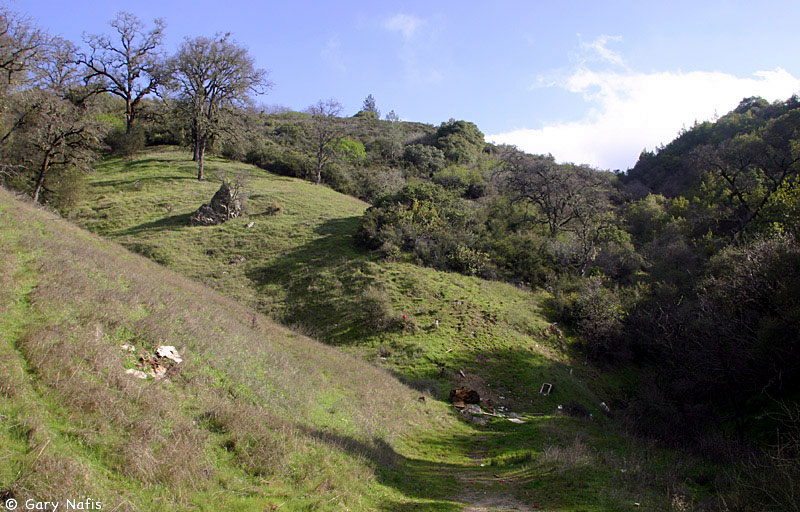
| Riparian mixed woodland/grassland habitat, Contra Costa County | Mixed woodland/grassland habitat beside reservoir, Contra Costa County | Habitat, Butte County | Habitat, rocky grassy hillside, Contra Costa County |
||||||||||||||||||||||||||||||||||||||||||||||||||||||||
 |
 |
 |
|||||||||||||||||||||||||||||||||||||||||||||||||||||||||
| Habitat, next to small creek, Lake County |
Riparian mixed woodland/grassland habitat, Contra Costa County |
Habitat, Placer County | |||||||||||||||||||||||||||||||||||||||||||||||||||||||||
Comparisons of the Two Species of Sharp-tailed Snakes (Contia) |
|||||||||||||||||||||||||||||||||||||||||||||||||||||||||||
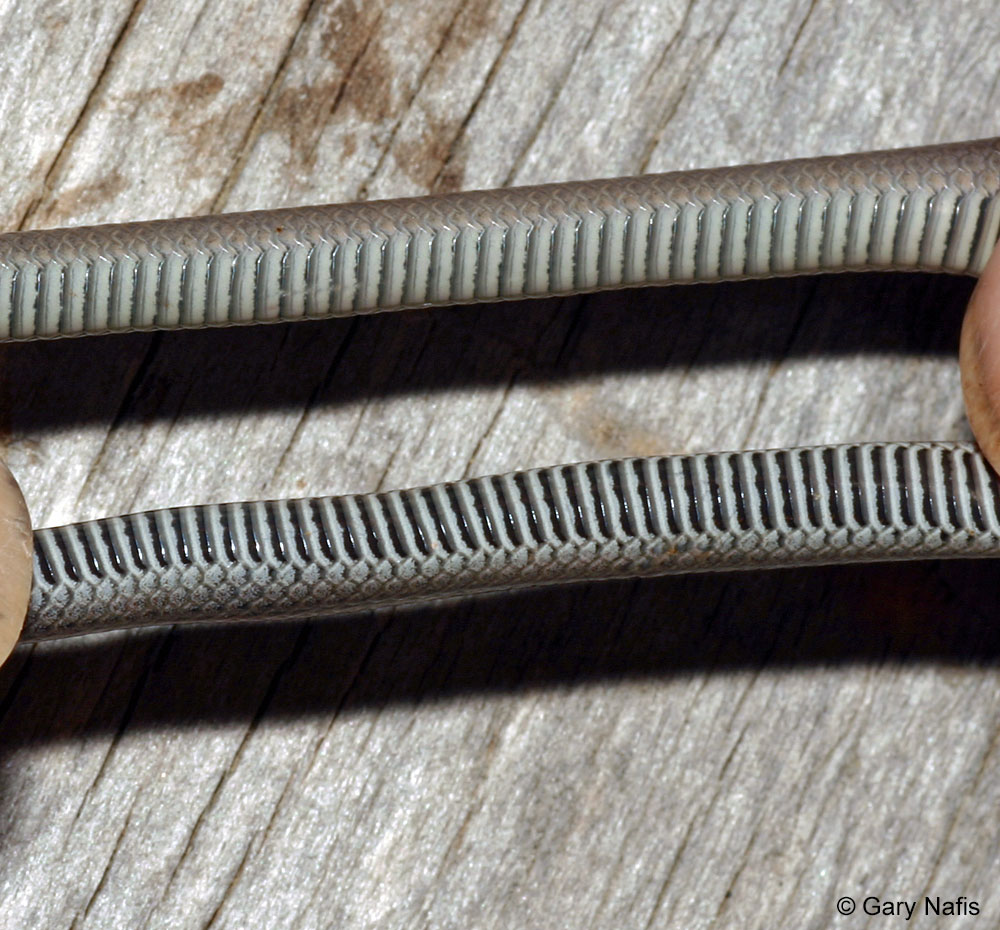
Below: C. longicauda from Santa Cruz County C. tenuis from Santa Clara County. |
|||||||||||||||||||||||||||||||||||||||||||||||||||||||||||
 |
 |
 |
|||||||||||||||||||||||||||||||||||||||||||||||||||||||||
| C. tenuis on right C. longicauda on left (In shed with duller than usual coloring) |
C. tenuis on the left C. longicauda on the right C. longicauda has a longer tail with more subcaudal scales that lack black crossbars |
C. tenuis on bottom C. longicauda on top C. tenuis has wider dark crossbars on the ventral scales |
|||||||||||||||||||||||||||||||||||||||||||||||||||||||||
| Identifying the Species | |||||||||||||||||||||||||||||||||||||||||||||||||||||||||||
Subcaudal scale count and tail length The easiest way to differentiate the two species in the field is to look at the subcaudal scales and the tail length. (Subcaudal scales are the scales on the tail behind the cloaca.) C. longicauda has a longer tail with more subcaudal scales than C. tenuis. C. longicauda has from 43 to 58 subcaudal scales. C. tenuis has from 42 to 43 subcaudal scales. The tail of C. longicauda averages 20 percent of the total length of the snake. The tail of C. tenuis averages 14.5 percent of the total length. Width of the dark crossbars on the ventral scales C. longicauda has narrow black crossbars marking the anterior portion of the ventral scales, covering only 1/3 to 1/4 of each ventral scale. The black crossbars are usually absent from the subcaudal scales. C. tenuis has wider black crossbars on the anterior part of the ventral scales, covering 1/2 to 1/3 of each ventral scale.The black crossbars usually extend onto the subcaudal scales. C. longicaudae is also larger overall and there are subtle differences in dorsal and ventral coloration and pigmentation, but these probably won't help in identification. Check the range map - there is little range overlap. (From Feldman and Hoyer, 2010) |
|||||||||||||||||||||||||||||||||||||||||||||||||||||||||||
| Short Video | |||||||||||||||||||||||||||||||||||||||||||||||||||||||||||
 |
 |
||||||||||||||||||||||||||||||||||||||||||||||||||||||||||
| Sharp-tailed snakes found under trash in April in Placer County. | Common Sharp-tailed Snakes are found under objects in Washington State, and two of the flips also turn up Northwestern Gartersnakes with the sharp-tails. | ||||||||||||||||||||||||||||||||||||||||||||||||||||||||||
|
|||||||||||||||||||||||||||||||||||||||||||||||||||||||||||
|
|||||||||||||||||||||||||||||||||||||||||||||||||||||||||||

|
The following conservation status listings for this animal are taken from the July 2025 State of California Special Animals List and the July 2025 Federally Listed Endangered and Threatened Animals of California list (unless indicated otherwise below.) Both lists are produced by multiple agencies every year, and sometimes more than once per year, so the conservation status listing information found below might not be from the most recent lists, but they don't change a great deal from year to year.. To make sure you are seeing the most recent listings, go to this California Department of Fish and Wildlife web page where you can search for and download both lists: https://www.wildlife.ca.gov/Data/CNDDB/Plants-and-Animals. A detailed explanation of the meaning of the status listing symbols can be found at the beginning of the two lists. For quick reference, I have included them on my Special Status Information page. If no status is listed here, the animal is not included on either list. This most likely indicates that there are no serious conservation concerns for the animal. To find out more about an animal's status you can also go to the NatureServe and IUCN websites to check their rankings. Check the current California Department of Fish and Wildlife sport fishing regulations to find out if this animal can be legally pursued and handled or collected with possession of a current fishing license. You can also look at the summary of the sport fishing regulations as they apply only to reptiles and amphibians that has been made for this website. This snake is not included on the Special Animals List, which indicates that there are no significant conservation concerns for it in California. |
||
| Organization | Status Listing | Notes |
| NatureServe Global Ranking | ||
| NatureServe State Ranking | ||
| U.S. Endangered Species Act (ESA) | None | |
| California Endangered Species Act (CESA) | None | |
| California Department of Fish and Wildlife | None | |
| Bureau of Land Management | None | |
| USDA Forest Service | None | |
| IUCN | ||
|
|
||
Return to the Top
© 2000 -