
A Guide to the Amphibians
and Reptiles of California
Click on a picture for a larger view
California Black-headed Snake - Tantilla planiceps
(Blainville, 1835)(= Western Black-headed Snake)
Description • Taxonomy • Original Citation • Scientific Name • Alt. Names • Similar Herps • References • Conservation Status

 |
 |
||||||||||||||||||||||||||||||||||||||||||||||||||
| Adult, coastal Orange County © Ryan Sikola | |||||||||||||||||||||||||||||||||||||||||||||||||||
 |
 |
||||||||||||||||||||||||||||||||||||||||||||||||||
| Adult, Alameda County | Adult, Alameda County | ||||||||||||||||||||||||||||||||||||||||||||||||||
 |
 |
 |
 |
||||||||||||||||||||||||||||||||||||||||||||||||
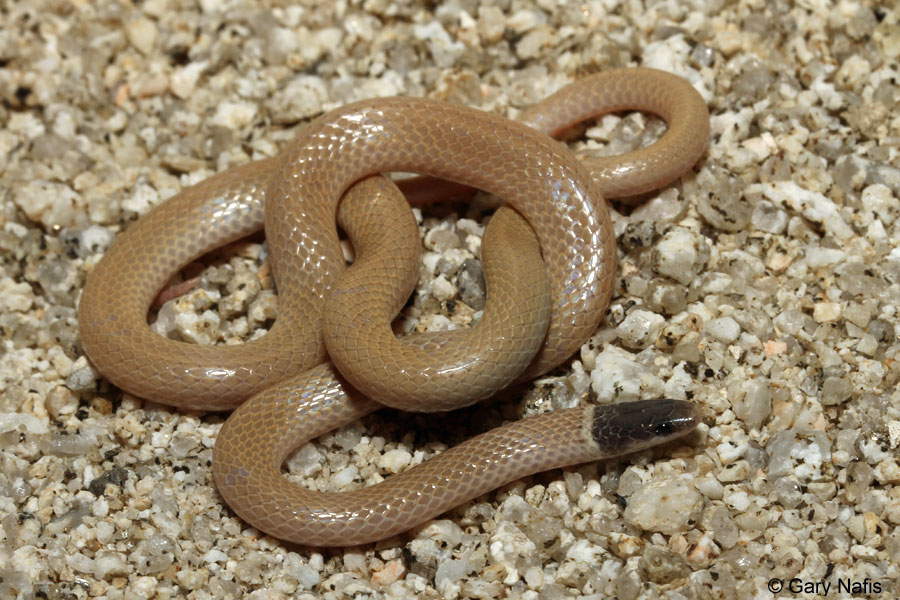
| Adult, Imperial County. | |||||||||||||||||||||||||||||||||||||||||||||||||||
 |
 |
 |
 |
||||||||||||||||||||||||||||||||||||||||||||||||
| Adult, San Diego County © Dick Bartlett | Adult, San Diego County | ||||||||||||||||||||||||||||||||||||||||||||||||||
 |
 |
 |
 |
||||||||||||||||||||||||||||||||||||||||||||||||
| Adult, Riveside County © Brad Alexander | Adult, coastal Orange County © Ryan Sikola | ||||||||||||||||||||||||||||||||||||||||||||||||||
 |
 |
 |
|||||||||||||||||||||||||||||||||||||||||||||||||
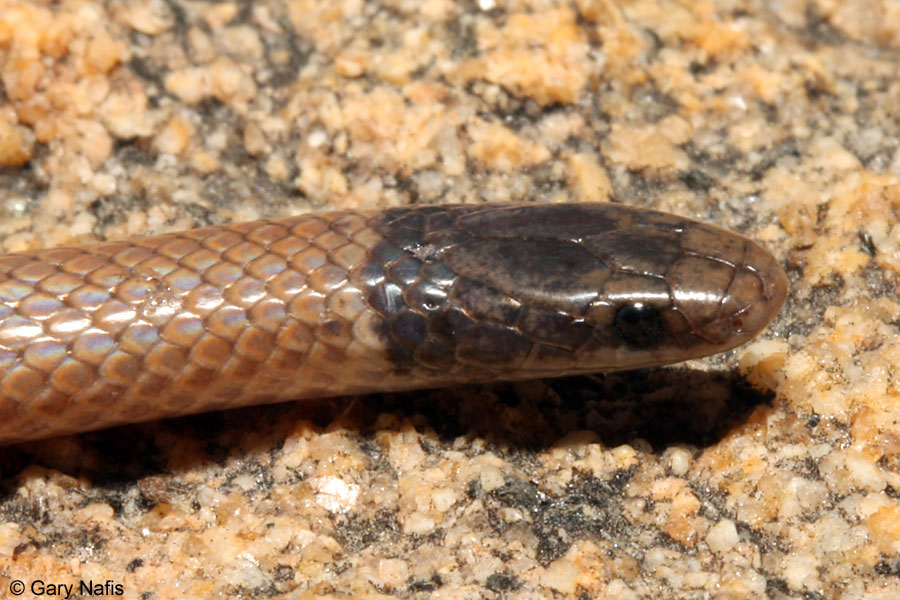
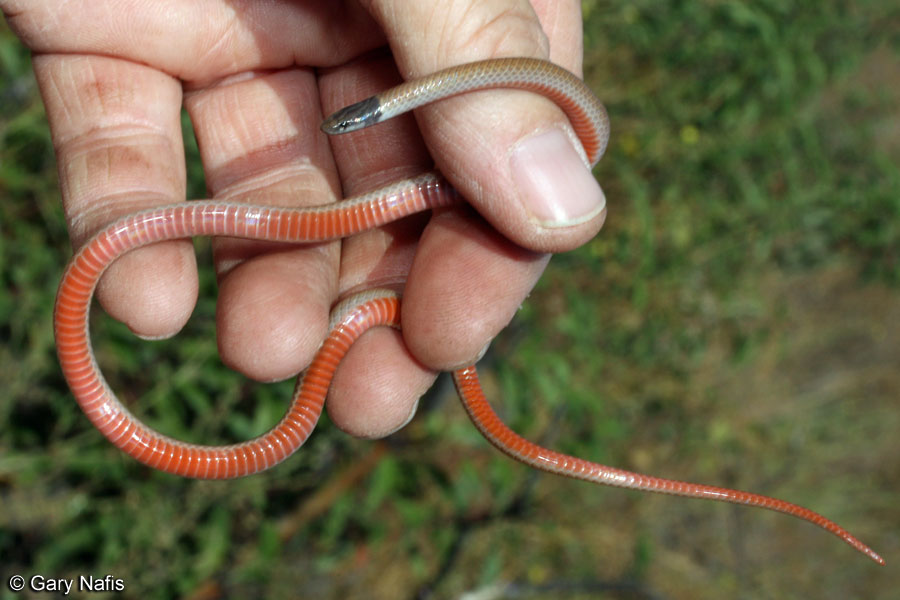
| Adult, Riverside County © Grigory Heaton | Adult, San Diego County with very faint white band on neck. |
||||||||||||||||||||||||||||||||||||||||||||||||||
 |
 |
 |
 |
||||||||||||||||||||||||||||||||||||||||||||||||
| Adult, Alameda County. © Gary Nafis. Specimen courtesy of John Worden. | Adult, Imperial County | ||||||||||||||||||||||||||||||||||||||||||||||||||
 |
 |
 |
 |
||||||||||||||||||||||||||||||||||||||||||||||||
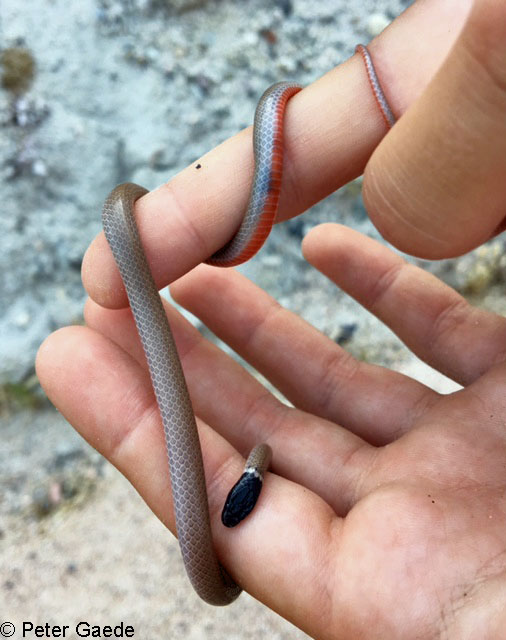
| Adult, San Luis Obispo County © Peter Gaede | Adult, Ojai, Ventura County © Michael Inaba |
||||||||||||||||||||||||||||||||||||||||||||||||||
 |
 |
 |
 |
||||||||||||||||||||||||||||||||||||||||||||||||
| Adult, Los Angeles County, found active on the surface during daylight on a summer evening. © Trevor Yehle |
Adult, Riverside County © Brian Hinds |
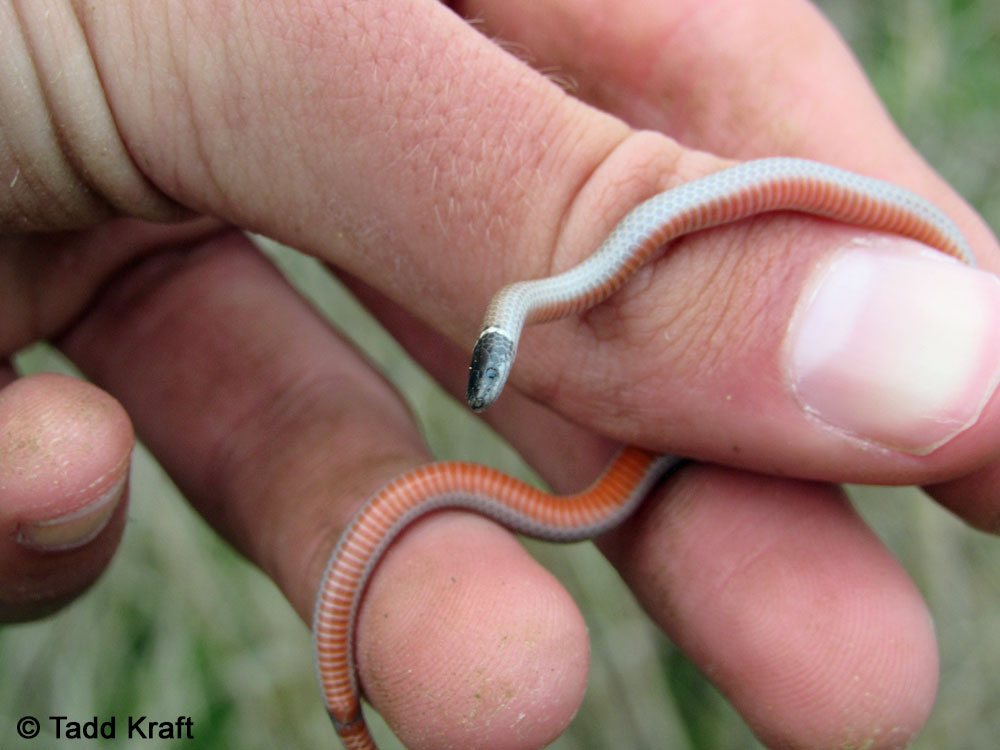
Adult, coastal Orange County © Tadd Kraft | |||||||||||||||||||||||||||||||||||||||||||||||||
 |
 |
 |
 |
||||||||||||||||||||||||||||||||||||||||||||||||
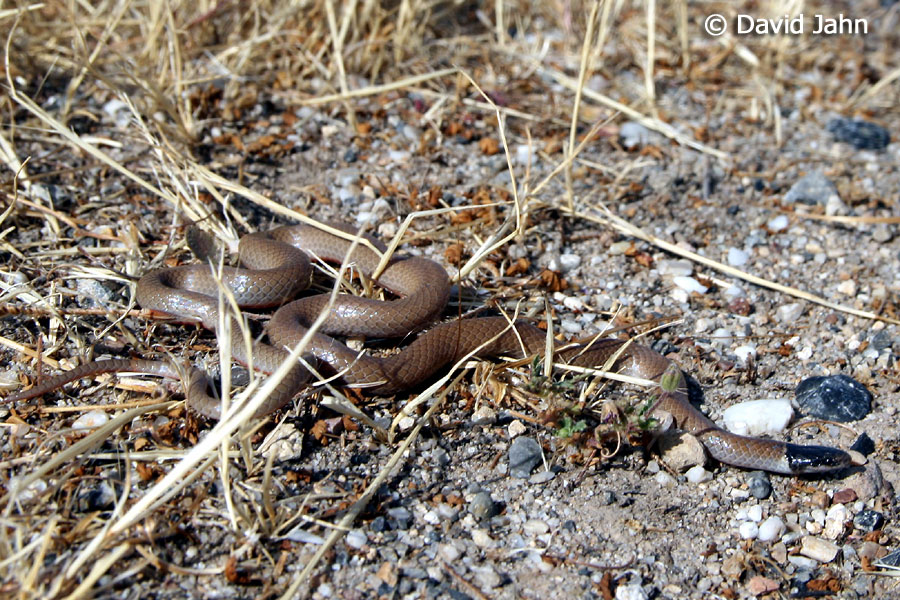
| Adult, Alameda County © David Jahn | Adult, San Diego County © Dan Kennedy |
||||||||||||||||||||||||||||||||||||||||||||||||||
 |
 |
 |
 |
||||||||||||||||||||||||||||||||||||||||||||||||
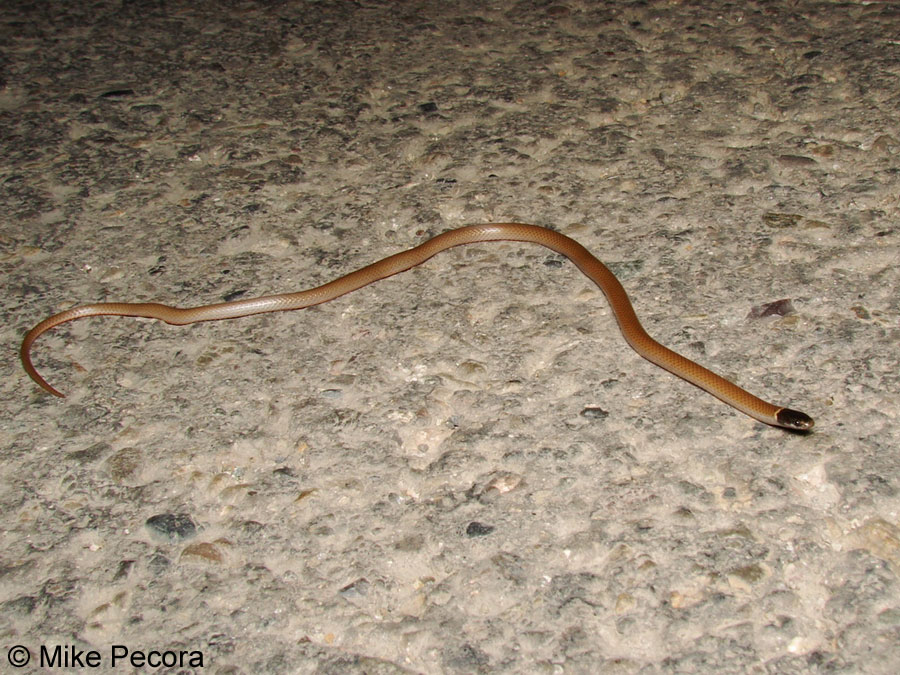
| Adult, San Bernardino County © Jeff Teel | Adult, Orange County © Mike Pecora |
||||||||||||||||||||||||||||||||||||||||||||||||||
 |
 |
 |
 |
||||||||||||||||||||||||||||||||||||||||||||||||
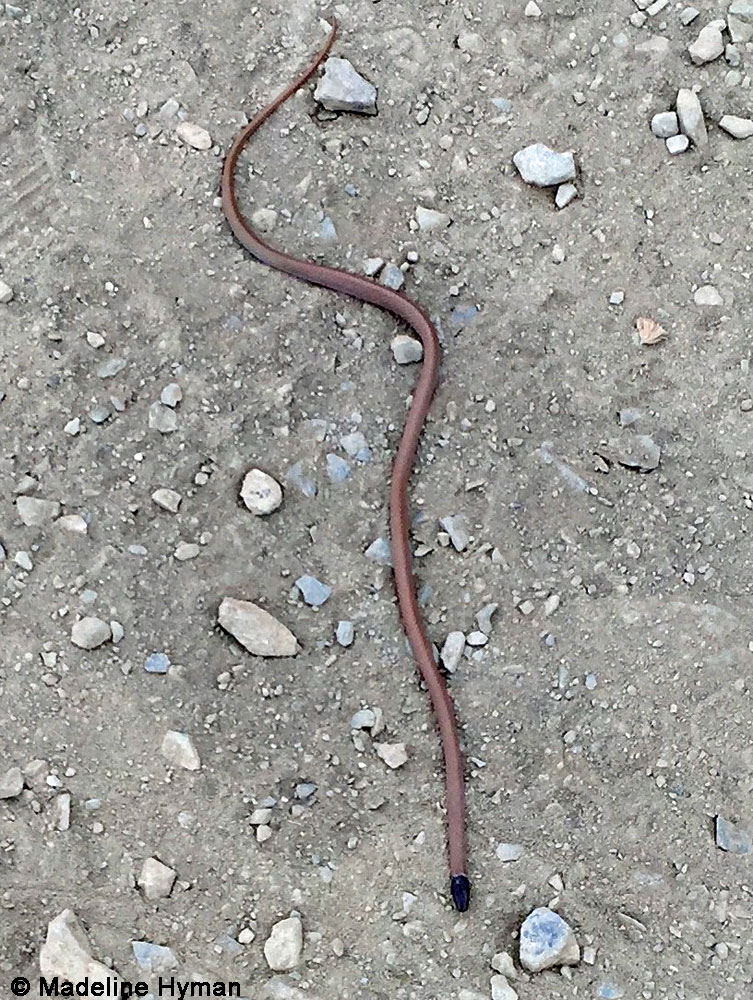
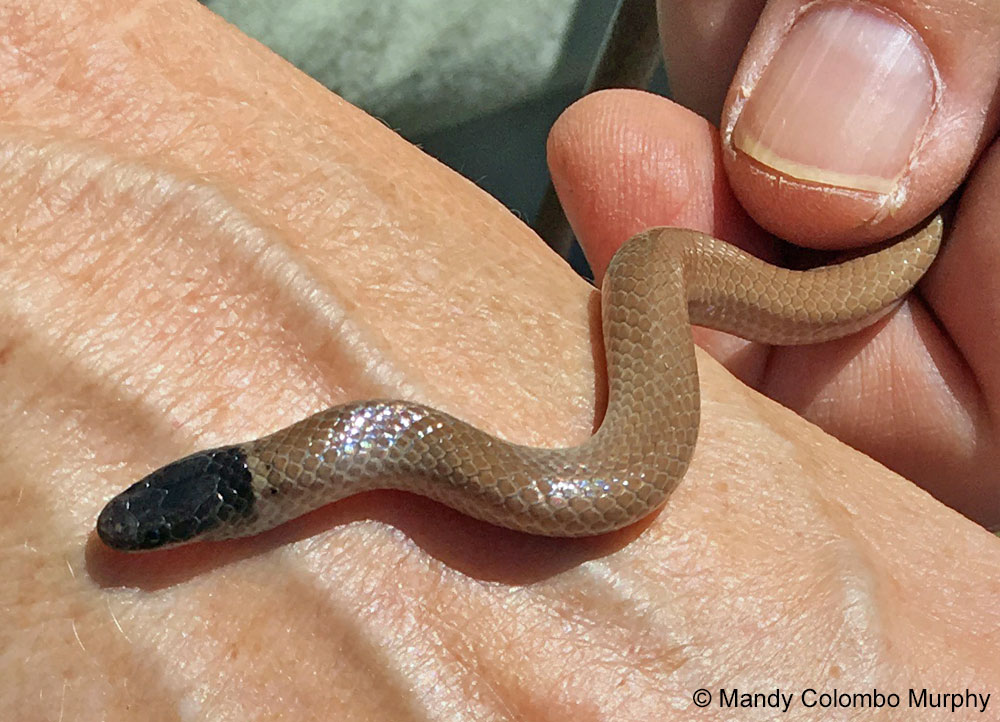
| Adult found near Brentwood, Los Angeles County © Madeline Hyman | Adult, Alameda County © Mandy Colombo Murphy | ||||||||||||||||||||||||||||||||||||||||||||||||||
 |
 |
 |
 |
||||||||||||||||||||||||||||||||||||||||||||||||
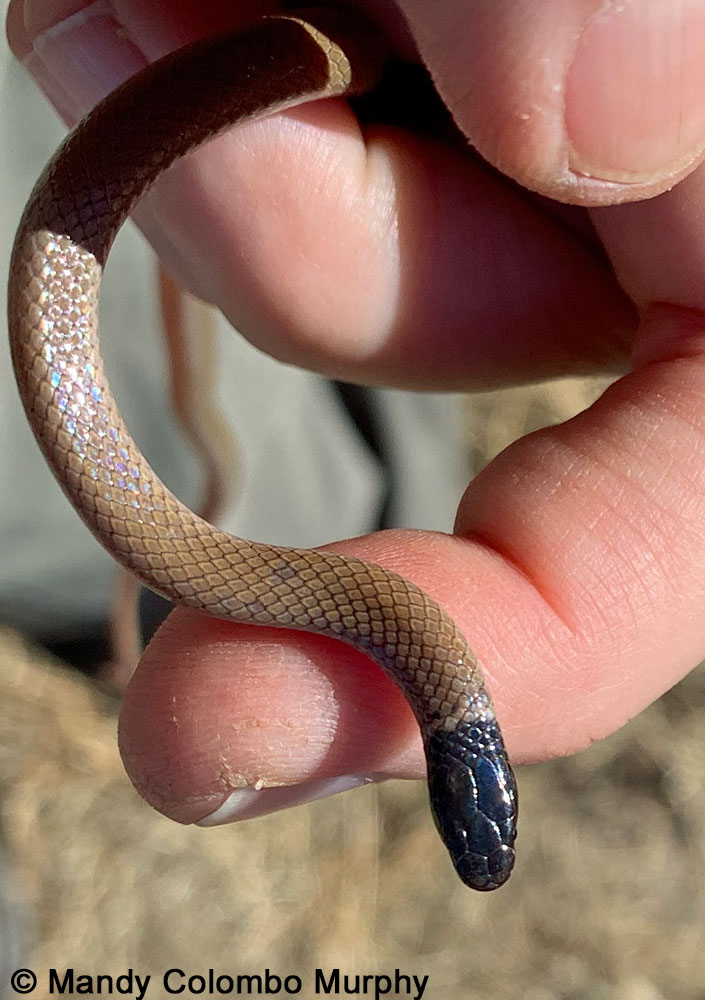
| Adult, Alameda County © Mandy Colombo Murphy | This adult Black-headed Snake was found on a wet sidewalk in Thousand Oaks, Ventura County, after tropical storm Hilary. © Anonymous | Adult, Santa Clara County © Faris K |
|||||||||||||||||||||||||||||||||||||||||||||||||
| Juveniles | |||||||||||||||||||||||||||||||||||||||||||||||||||
 |
 |
 |
 |
||||||||||||||||||||||||||||||||||||||||||||||||
| Juvenile, San Luis Obispo County © Ryan Sikola | |||||||||||||||||||||||||||||||||||||||||||||||||||
 |
 |
 |
|||||||||||||||||||||||||||||||||||||||||||||||||
| Juvenile, Alameda County © Mark Gary |
|||||||||||||||||||||||||||||||||||||||||||||||||||
| Habitat | |||||||||||||||||||||||||||||||||||||||||||||||||||
 |
 |
 |
 |
||||||||||||||||||||||||||||||||||||||||||||||||
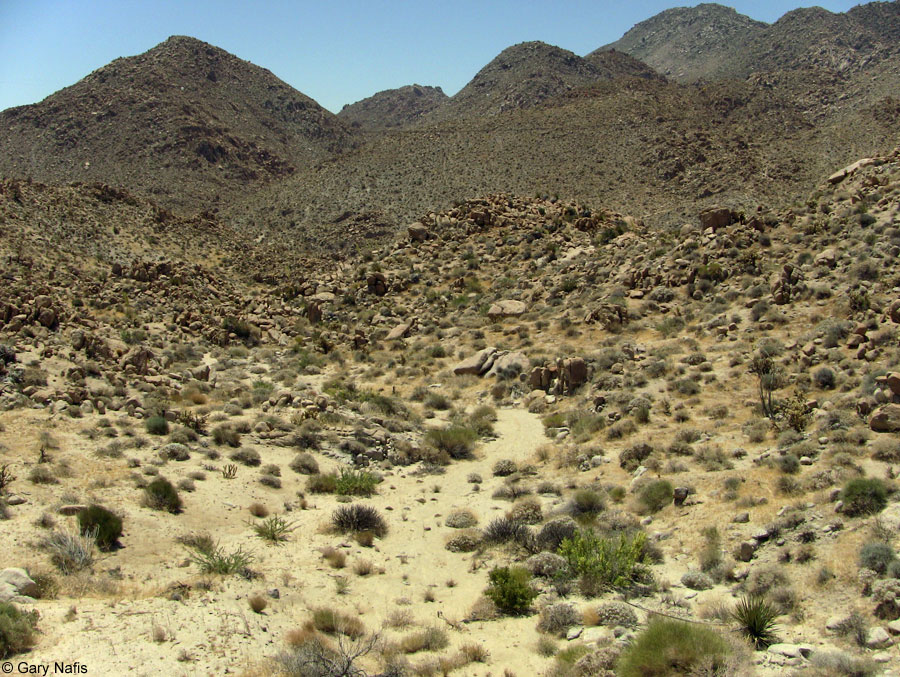
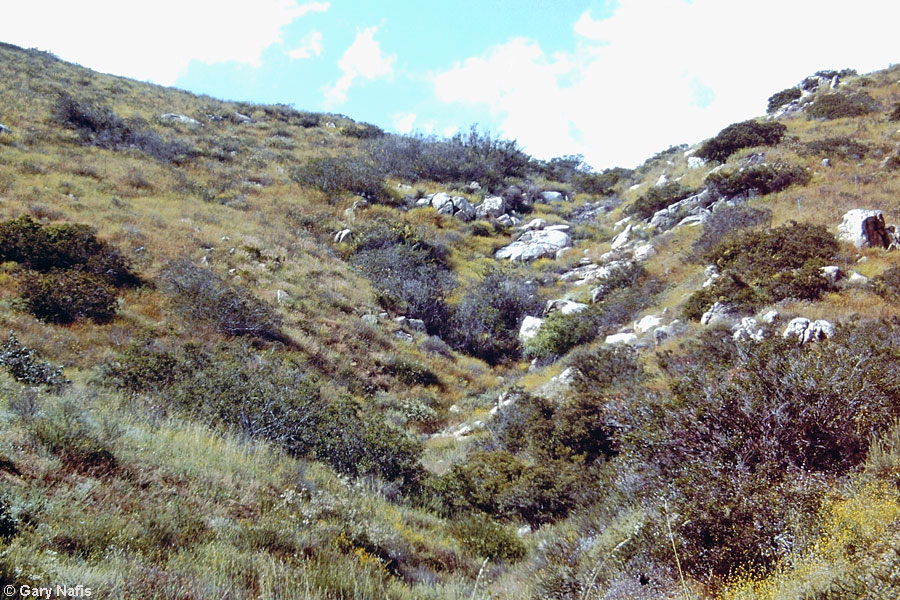
| Habitat, Imperial County desert | Habitat, grassland, Alameda County | Habitat, grassland, San Joaquin County | Habitat, grassland, Alameda County | ||||||||||||||||||||||||||||||||||||||||||||||||
 |
 |
 |
 |
||||||||||||||||||||||||||||||||||||||||||||||||
| Habitat, Riverside County hills | Habitat, San Diego County | San Diego County coastal sage habitat |
San Diego County coastal sage habitat |
||||||||||||||||||||||||||||||||||||||||||||||||
 |
 |
 |
|||||||||||||||||||||||||||||||||||||||||||||||||
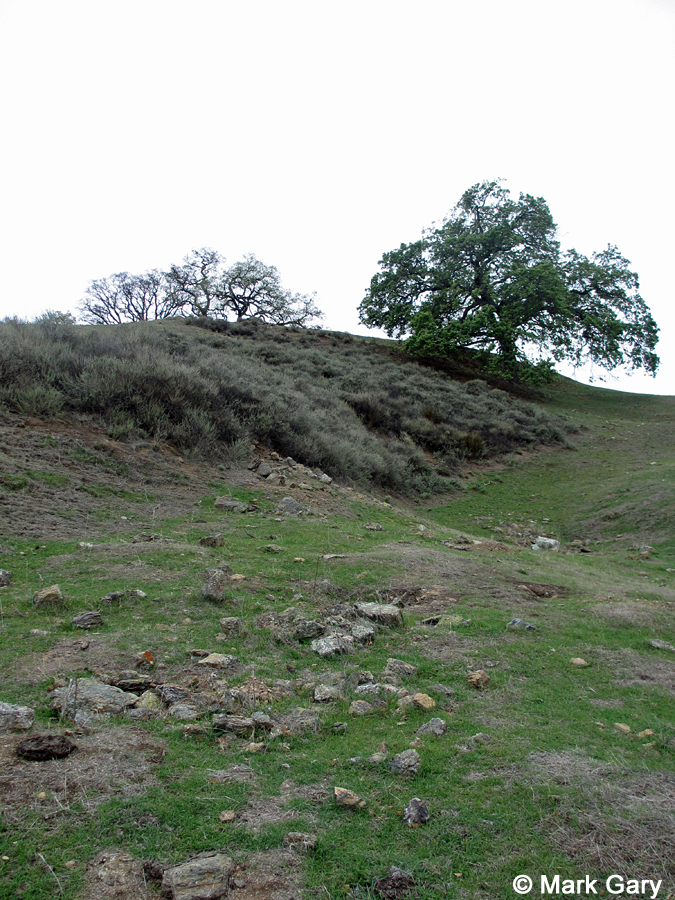
| Habitat, Alameda County © Mark Gary |
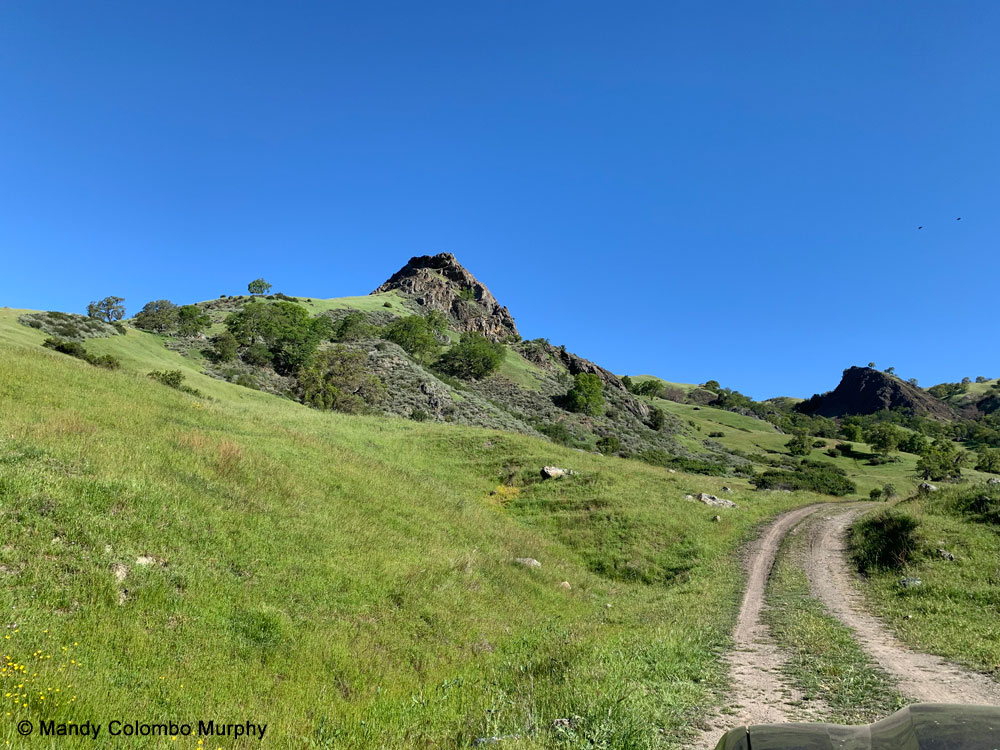
Habitat near Brentwood, Los Angeles County © Madeline Hyman | Habitat, Alameda County © Mandy Colombo Murphy |
|||||||||||||||||||||||||||||||||||||||||||||||||
| Short Videos |
|||||||||||||||||||||||||||||||||||||||||||||||||||
 |
 |
||||||||||||||||||||||||||||||||||||||||||||||||||
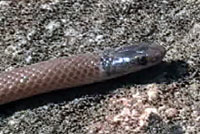
| A California Black-headed Snake discovered at night crawling in a sandy wash in Imperial County. This little Tantilla was crawling at night in a sandy wash in the desert. It was filmed exactly it was found so it could crawl away in its known territory. The video starts out with the frightened reptile moving at escape velocity, and the camera has trouble keeping up with it before the snake slows down. |
A tiny California Black-headed Snake crawls around in San Diego County. This snake was found in the early morning in a small pit trap set out to survey the reptiles, rodents, and other small animals that were crawling around in the coastal chaparral habitat. It was filmed with some difficulty where it was found and then was allowed to crawl away into the brush to find a place to hide until night fell when it would be more comfortable continuing its nocturnal foraging (and hopefully would not fall in the trap again.) |
||||||||||||||||||||||||||||||||||||||||||||||||||
|
|||||||||||||||||||||||||||||||||||||||||||||||||||
|
|||||||||||||||||||||||||||||||||||||||||||||||||||

|
The following conservation status listings for this animal are taken from the July 2025 State of California Special Animals List and the July 2025 Federally Listed Endangered and Threatened Animals of California list (unless indicated otherwise below.) Both lists are produced by multiple agencies every year, and sometimes more than once per year, so the conservation status listing information found below might not be from the most recent lists, but they don't change a great deal from year to year.. To make sure you are seeing the most recent listings, go to this California Department of Fish and Wildlife web page where you can search for and download both lists: https://www.wildlife.ca.gov/Data/CNDDB/Plants-and-Animals. A detailed explanation of the meaning of the status listing symbols can be found at the beginning of the two lists. For quick reference, I have included them on my Special Status Information page. If no status is listed here, the animal is not included on either list. This most likely indicates that there are no serious conservation concerns for the animal. To find out more about an animal's status you can also go to the NatureServe and IUCN websites to check their rankings. Check the current California Department of Fish and Wildlife sport fishing regulations to find out if this animal can be legally pursued and handled or collected with possession of a current fishing license. You can also look at the summary of the sport fishing regulations as they apply only to reptiles and amphibians that has been made for this website. This snake is not included on the Special Animals List, which indicates that there are no significant conservation concerns for it in California. |
||
| Organization | Status Listing | Notes |
| NatureServe Global Ranking | ||
| NatureServe State Ranking | ||
| U.S. Endangered Species Act (ESA) | None | |
| California Endangered Species Act (CESA) | None | |
| California Department of Fish and Wildlife | None | |
| Bureau of Land Management | None | |
| USDA Forest Service | None | |
| IUCN | ||
|
|
||
Return to the Top
© 2000 -