
A Guide to the Amphibians
and Reptiles of California
Click on a picture for a larger view
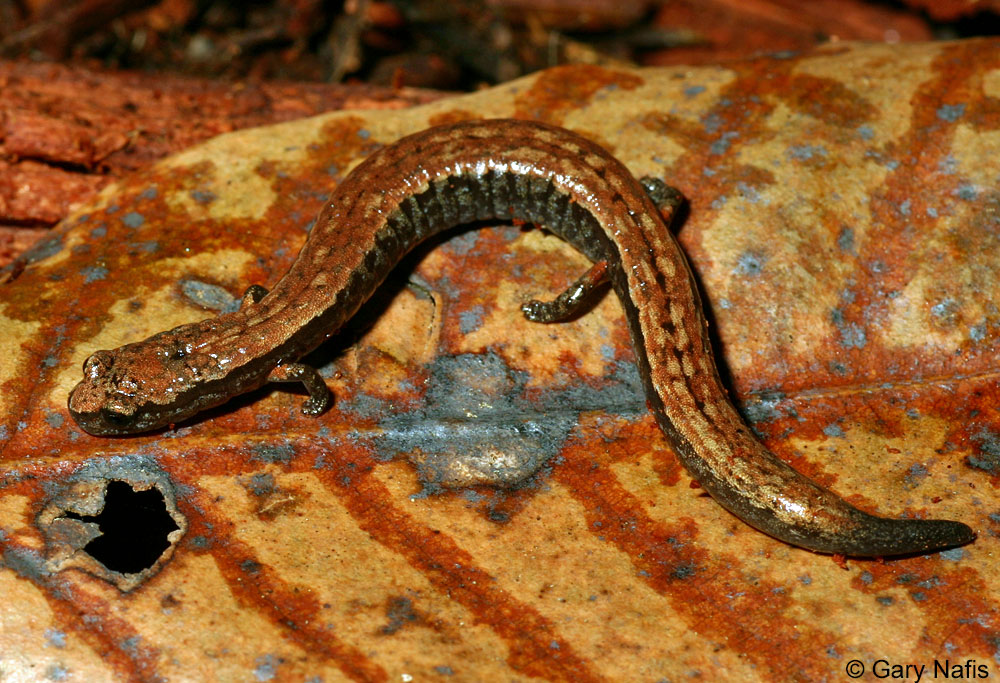
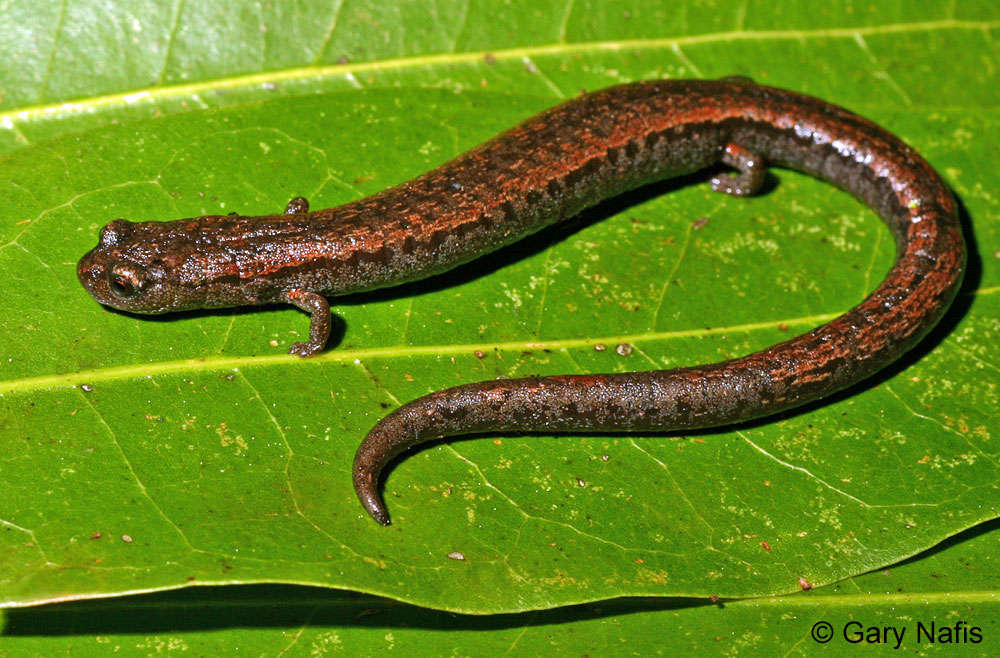
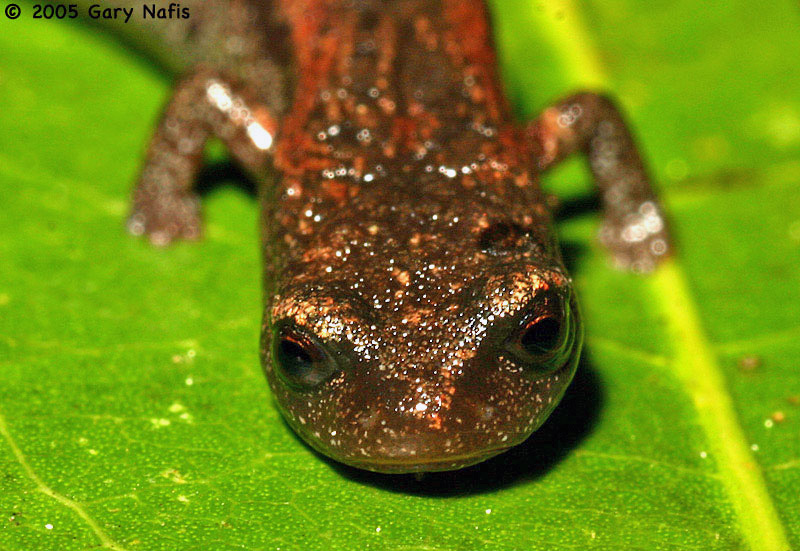
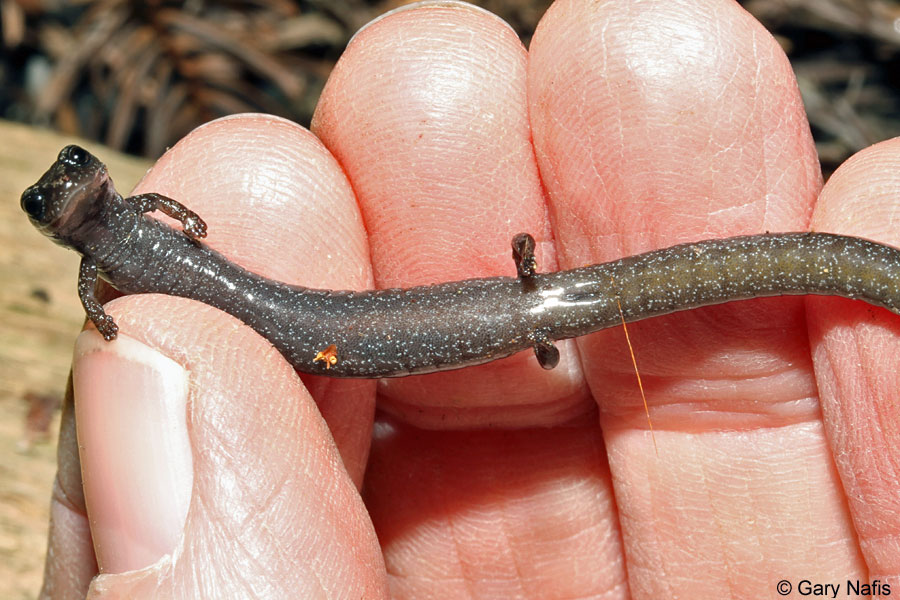
California Slender Salamander - Batrachoseps attenuatus
(Eschscholtz, 1833) Red: Range in California
Range Map of all Slender Salamanders in California
Click on the map for a topographical view
Map with California County Names

 |
 |
||||||||||||||||||||||||||||||||||||||||||||||||||||||||||
| Adult, Del Norte County | Adult, Humboldt County | ||||||||||||||||||||||||||||||||||||||||||||||||||||||||||
 |
 |
 |
 |
||||||||||||||||||||||||||||||||||||||||||||||||||||||||
| Adult, Del Norte County | Adult, Santa Clara County | Adult, Del Norte County | Adult, Santa Clara County | ||||||||||||||||||||||||||||||||||||||||||||||||||||||||
 |
 |
 |
 |
||||||||||||||||||||||||||||||||||||||||||||||||||||||||
| Adult, Humboldt County | Adult, Del Norte County | Adult, Humboldt County | |||||||||||||||||||||||||||||||||||||||||||||||||||||||||
 |
 |
||||||||||||||||||||||||||||||||||||||||||||||||||||||||||
| Adult Solano County | Adult, Butte County | ||||||||||||||||||||||||||||||||||||||||||||||||||||||||||
 |
 |
 |
 |
||||||||||||||||||||||||||||||||||||||||||||||||||||||||
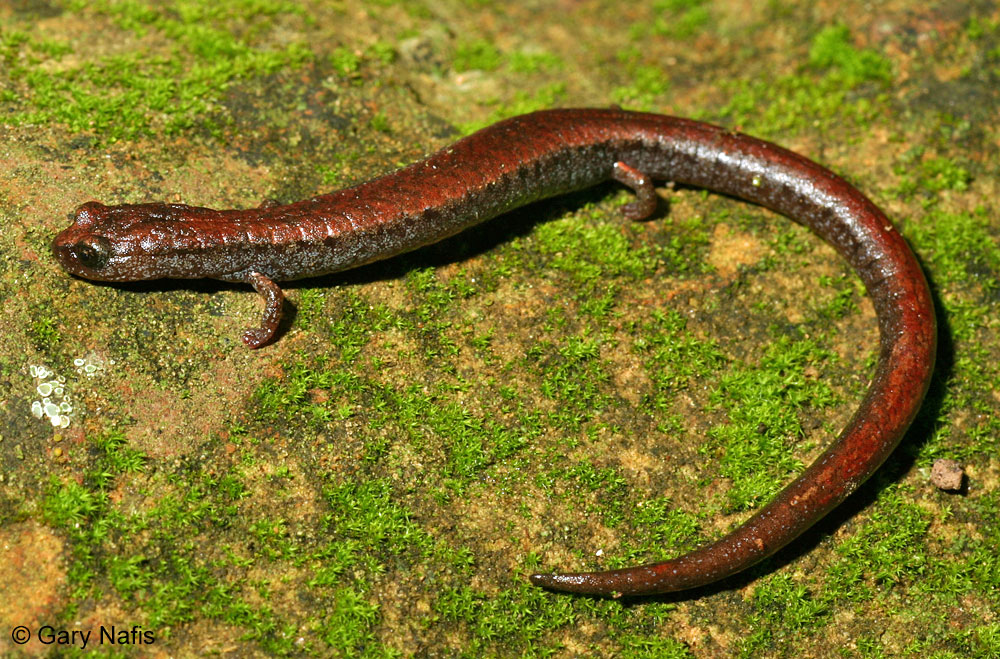
| Adult, Solano County | Adult, Santa Clara County | Adult, Contra Costa County. When uncovered, slender salamanders are often found resting in this coiled defensive position. |
|||||||||||||||||||||||||||||||||||||||||||||||||||||||||
 |
 |
 |
 |
||||||||||||||||||||||||||||||||||||||||||||||||||||||||
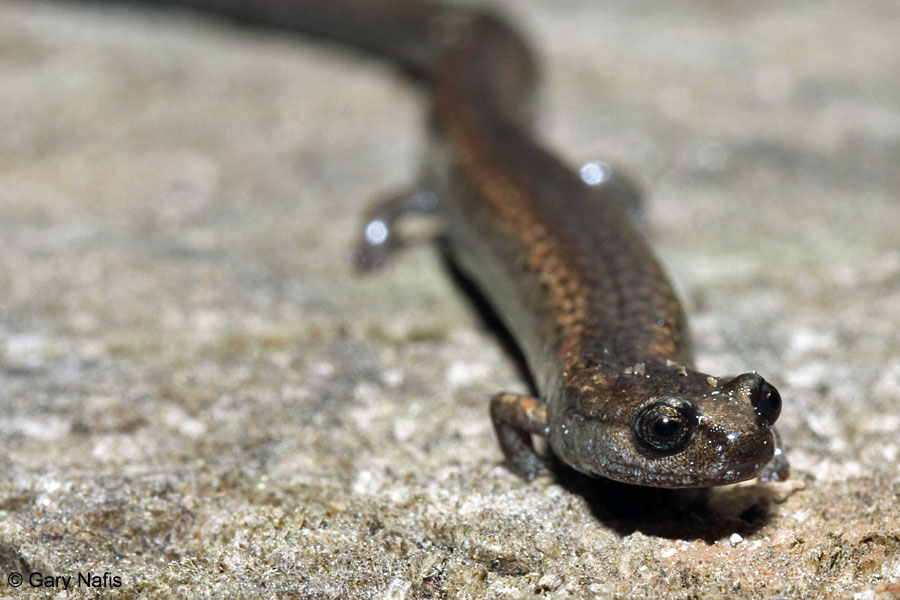
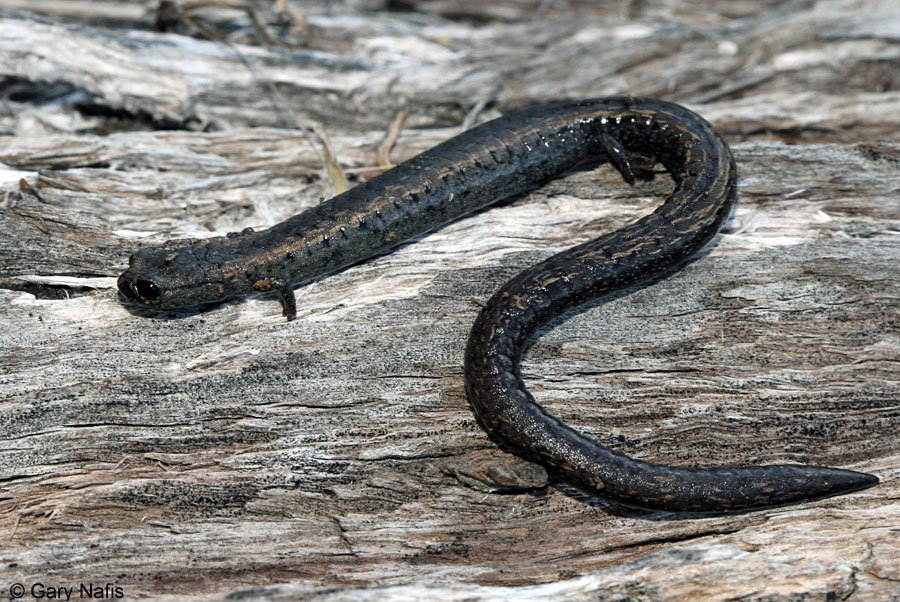
| Adult, Humboldt County | Adult, Mendocino County | Adult, Sonoma County | |||||||||||||||||||||||||||||||||||||||||||||||||||||||||
 |
 |
 |
 |
||||||||||||||||||||||||||||||||||||||||||||||||||||||||
| Adult, Solano County | Adult, Alameda County | Adult, Humboldt County | |||||||||||||||||||||||||||||||||||||||||||||||||||||||||
 |
 |
 |
 |
||||||||||||||||||||||||||||||||||||||||||||||||||||||||
| Adult, Contra Costa County, coiled in defense |
Adult, Sonoma County | Adult, Contra Costa County | Adult, Napa County | ||||||||||||||||||||||||||||||||||||||||||||||||||||||||
 |
 |
 |
 |
||||||||||||||||||||||||||||||||||||||||||||||||||||||||
| Adult, Bodega Bay, Sonoma County | Adult underside, Santa Cruz County | ||||||||||||||||||||||||||||||||||||||||||||||||||||||||||
 |
 |
 |
 |
||||||||||||||||||||||||||||||||||||||||||||||||||||||||
| Adult, Marin County | Adult, Napa County | ||||||||||||||||||||||||||||||||||||||||||||||||||||||||||
 |
 |
 |
 |
||||||||||||||||||||||||||||||||||||||||||||||||||||||||
| Adult underside, Napa County | Adult, underside, Santa Clara County | Adult, Santa Cruz County © Lou Silva |
Adults, Santa Cruz County © Lou Silva |
||||||||||||||||||||||||||||||||||||||||||||||||||||||||
 |
 |
 |
 |
||||||||||||||||||||||||||||||||||||||||||||||||||||||||
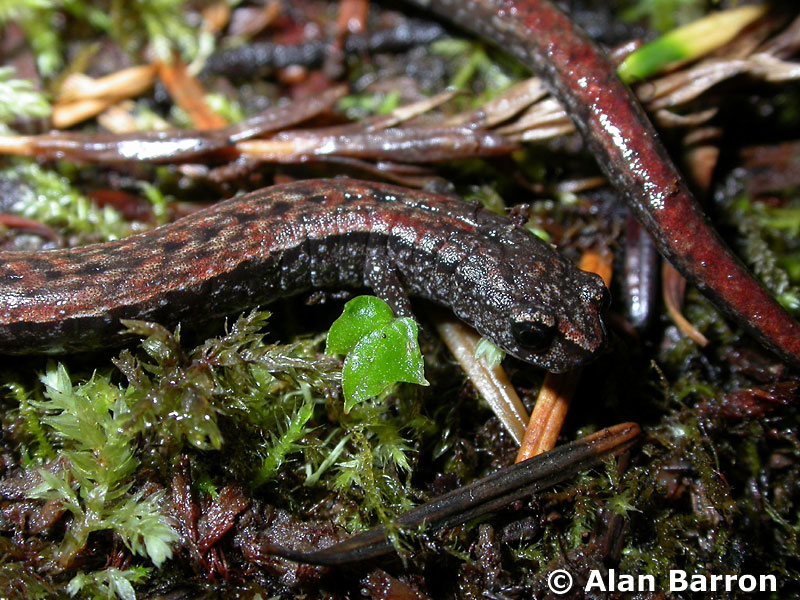
| Adult from, Del Norte County © Alan Barron |
Adult from Whaler Island, Del Norte County © Alan Barron | ||||||||||||||||||||||||||||||||||||||||||||||||||||||||||
 |
 |
 |
 |
||||||||||||||||||||||||||||||||||||||||||||||||||||||||
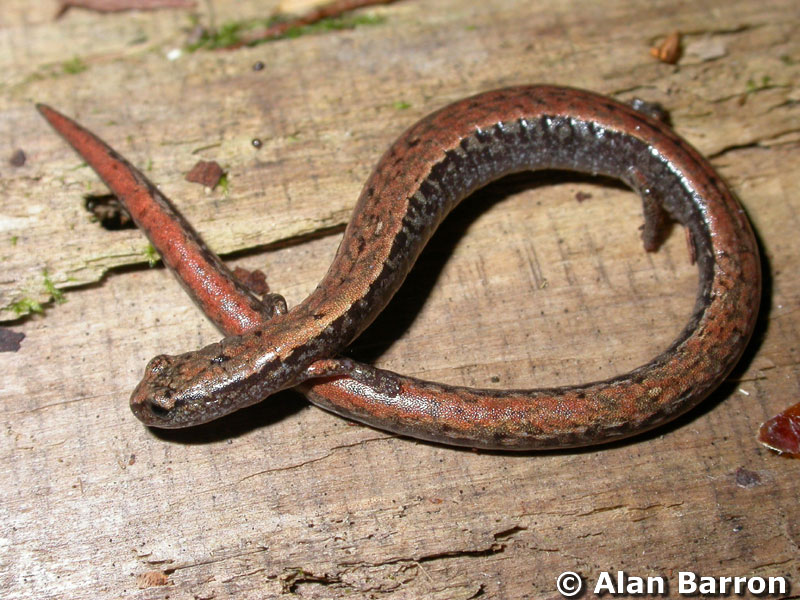
| Adult Del Norte County © Alan Barron | Adult Del Norte County © Alan Barron | This slender salamander was found near a salt marsh in Solano County. © Grayson B. Sandy. |
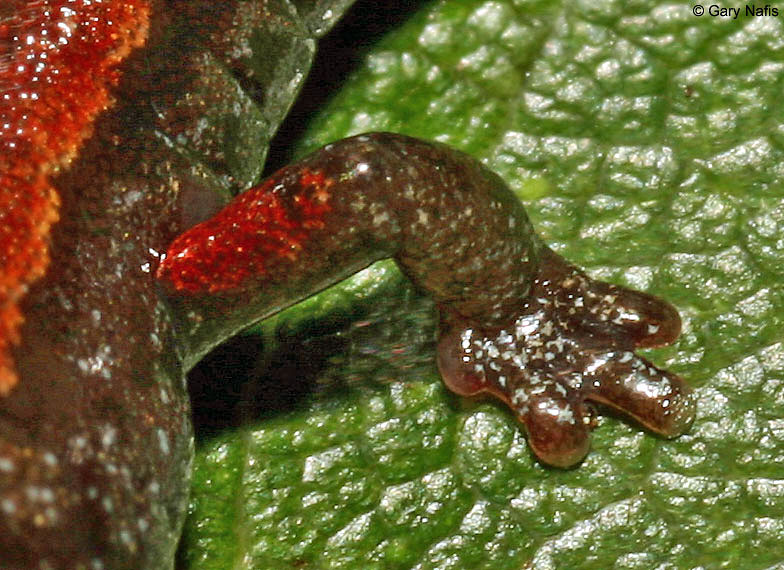
Slender Salamanders (genus Batrachoseps) have only 4 toes on their hind feet. All other California salamanders have 5 toes on their hind feet. | ||||||||||||||||||||||||||||||||||||||||||||||||||||||||
Juveniles |
|||||||||||||||||||||||||||||||||||||||||||||||||||||||||||
 |
 |
 |
 |
||||||||||||||||||||||||||||||||||||||||||||||||||||||||
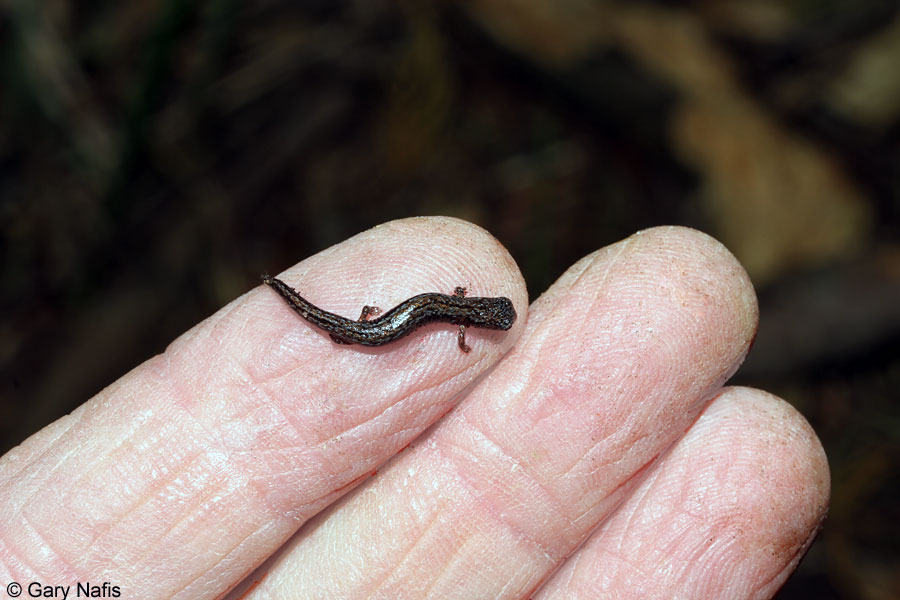
| Tiny juvenile, Sonoma County | Underside of juvenile, Del Norte County © Alan Barron |
||||||||||||||||||||||||||||||||||||||||||||||||||||||||||
| Aberrant California Slender Salamanders | |||||||||||||||||||||||||||||||||||||||||||||||||||||||||||
 |
 |
 |
 |
||||||||||||||||||||||||||||||||||||||||||||||||||||||||
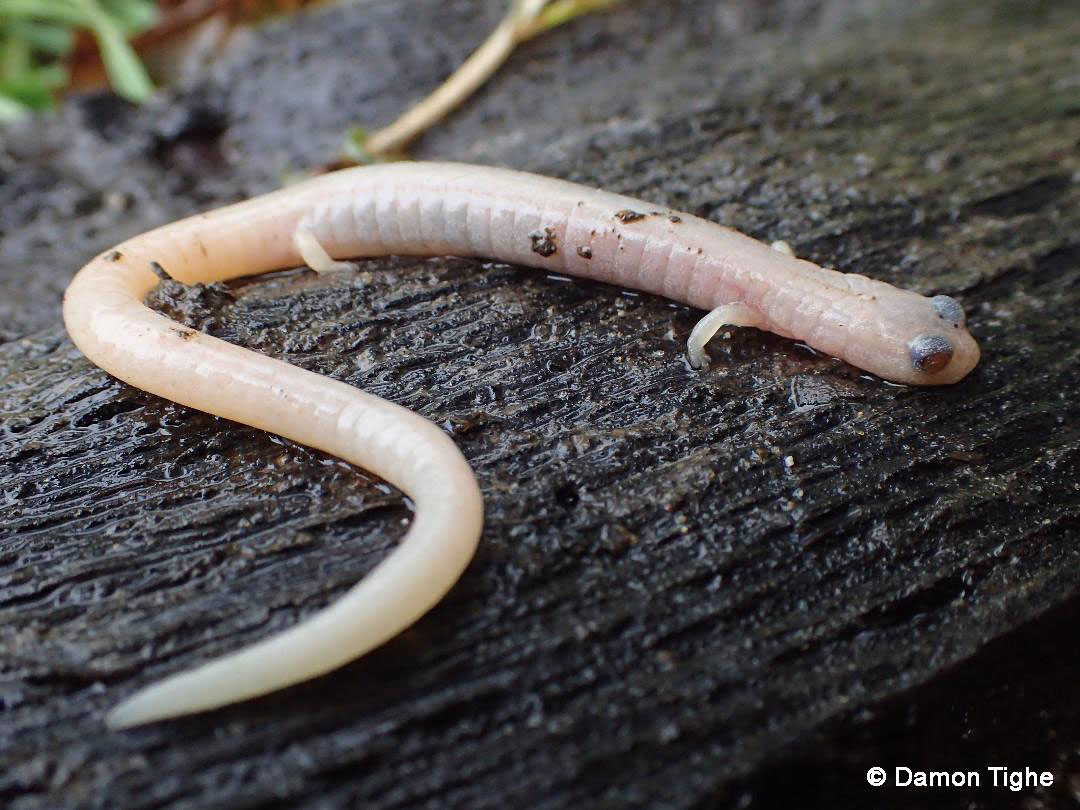
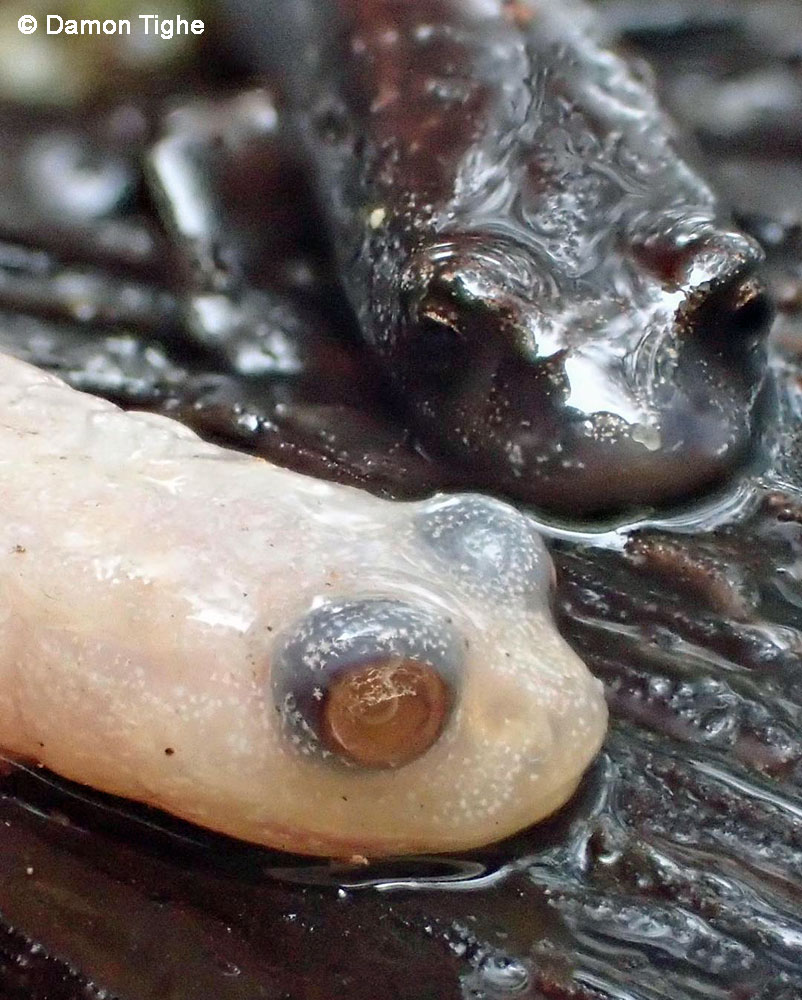
| Albino adult California Slender Salamander, Alameda County. © Damon Tighe (The dark areas under the skin above the eyes is not caused by melanin, the dark pigment.) |
Unusually dark, possibly melanistic, adult, Del Norte County © Alan Barron | ||||||||||||||||||||||||||||||||||||||||||||||||||||||||||
 |
 |
 |
 |
||||||||||||||||||||||||||||||||||||||||||||||||||||||||
| Bottom/Left: Albino salamander Top/Right: Normally-pigmented salamander Both from Alameda County. © Damon Tighe |
This salamander of unknown age (missing most of its tail) was found in Santa Clara County. It appears to lack all pigment, making it either albino or leucistic (the eye color is not known.) © Evan Mehta | ||||||||||||||||||||||||||||||||||||||||||||||||||||||||||
 |
|||||||||||||||||||||||||||||||||||||||||||||||||||||||||||
| Adult, San Francisco County, with a forked tail. The extra fork probably grew from a break in the tail that did not cause the original tail to detach. © Zach Lim | |||||||||||||||||||||||||||||||||||||||||||||||||||||||||||
| Comparisons With a Few Sympatric Salamander Species | |||||||||||||||||||||||||||||||||||||||||||||||||||||||||||
 |
 |
 |
 |
||||||||||||||||||||||||||||||||||||||||||||||||||||||||
| Left: B. attenuatus Right: B. gavilanensis - Gabilan Mountains Slender Salamander In Southern Santa Cruz County, the ranges of these species overlap. They are very similar, but you can see here that B. gavilanensis has proportionally larger fingers and toes. |
Left: B. attenuatus Right: B. diabolicus - Hell Hollow Slender Salamander In the central Sierra Nevada, the range of these species overlaps. They are very similar, but B. diabolicus has proportionally larger legs and toes. (The salamanders shown here are not of equal size. If they were, the difference would be more obvious.) |
Top: Oregon Ensatina Bottom: B. attenuatus Both salamanders were found found under a piece of bark in Mendocino County. |
|||||||||||||||||||||||||||||||||||||||||||||||||||||||||
 |
|||||||||||||||||||||||||||||||||||||||||||||||||||||||||||
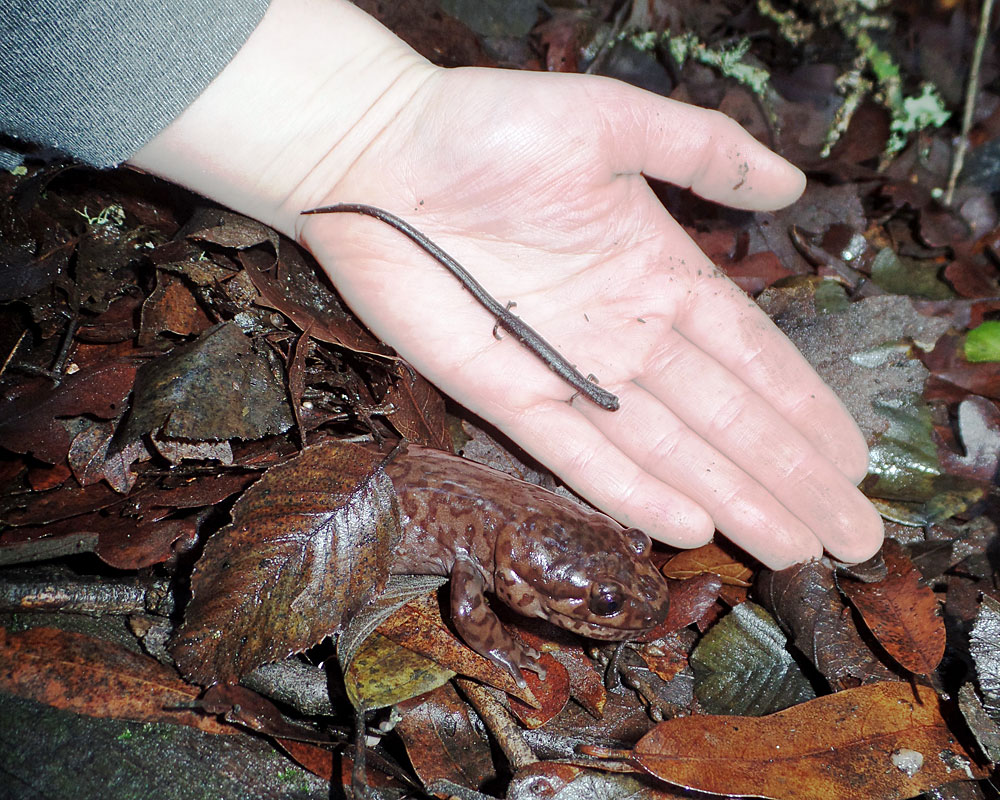
| Top: B. attenuatus Bottom: Dicamptodon ensatus - California Giant Salamander. These are the smallest genus of salamander found in California (Batrachoseps) and the largest (Dicamptodon). |
|||||||||||||||||||||||||||||||||||||||||||||||||||||||||||
| Predation | |||||||||||||||||||||||||||||||||||||||||||||||||||||||||||
 |
|||||||||||||||||||||||||||||||||||||||||||||||||||||||||||
| A Pacific Ring-necked Snake eating a California Slender Salamander in Marin County © Andre Giraldi | |||||||||||||||||||||||||||||||||||||||||||||||||||||||||||
| Habitat | |||||||||||||||||||||||||||||||||||||||||||||||||||||||||||
 |
 |
 |
 |
||||||||||||||||||||||||||||||||||||||||||||||||||||||||
| Habitat, Contra Costa County | Habitat, Contra Costa County | Habitat, Alameda County | Typical oak woodland habitat, Contra Costa County |
||||||||||||||||||||||||||||||||||||||||||||||||||||||||
 |
 |
 |
 |
||||||||||||||||||||||||||||||||||||||||||||||||||||||||
| Urban backyard habitat, Alameda County |
Habitat, Butte County | Habitat, Glenn County | Habitat, redwood forest, Del Norte County |
||||||||||||||||||||||||||||||||||||||||||||||||||||||||
 |
 |
 |
 |
||||||||||||||||||||||||||||||||||||||||||||||||||||||||
| Habitat, Mendocino County | Habitat, Mendocino County |
Habitat, Bodega Bay, Sonoma County | Habitat, Contra Costa County | ||||||||||||||||||||||||||||||||||||||||||||||||||||||||
 |
 |
 |
 |
||||||||||||||||||||||||||||||||||||||||||||||||||||||||
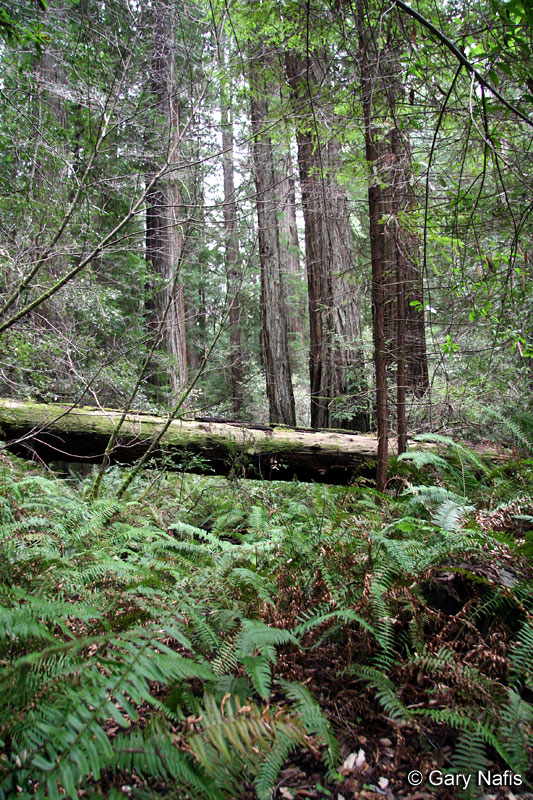
| Redwood forest habitat, Humboldt County |
Habitat, Marin County | Habitat, Santa Cruz County | Habitat, Alameda County | ||||||||||||||||||||||||||||||||||||||||||||||||||||||||
 |
 |
 |
 |
||||||||||||||||||||||||||||||||||||||||||||||||||||||||
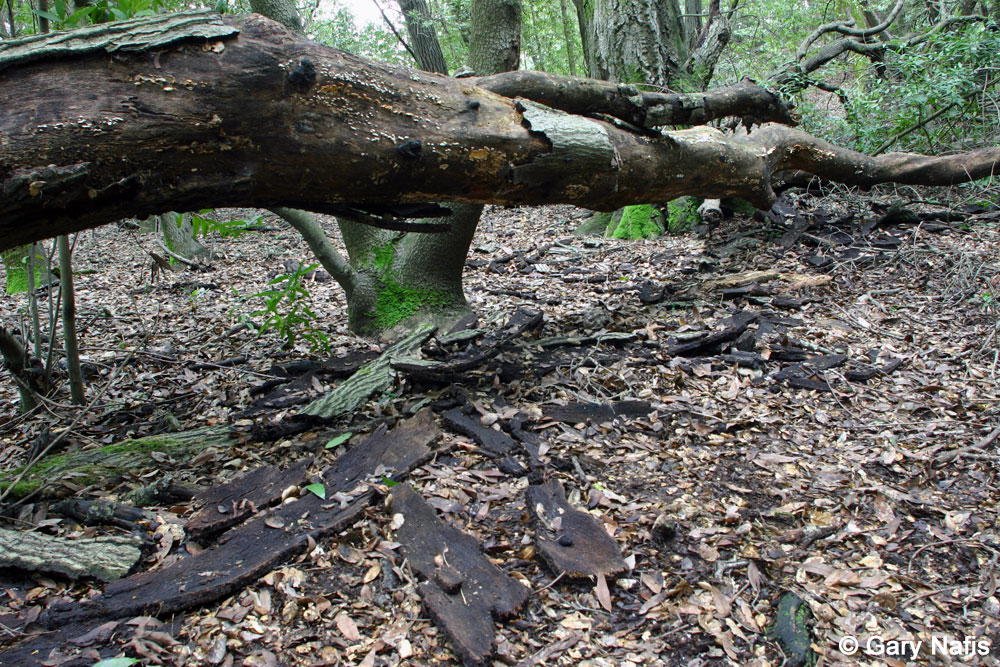
| Habitat, Marin County | Habitat, Mendocino County | Habitat, Napa County | California slender salamanders are often common in urban backyards that offer cover and moisture, such as this one in Vallejo, Solano County | ||||||||||||||||||||||||||||||||||||||||||||||||||||||||
 |
 |
||||||||||||||||||||||||||||||||||||||||||||||||||||||||||
| A careful look underneath the fallen branches and bark of the dead tree shown above on a wet winter afternoon turned up 16 salamanders of 4 species - one Arboreal Salamander, two Coast Range Newts, one Yellow-eyed Ensatina, and 12 California Slender Salamanders, proving that wood debris on a forest floor is an important microhabitat for salamanders. Along with fallen debris, tree bark, tree cavities, root holes, and splits in trees are also useful habitat for many kinds of wildlife, including birds, mammals, amphibians and reptiles, but dead trees and their debris are often removed indiscriminately without consideration for wildlife. The Cavity Conservation Initiative is a group whose goal is to educate land managers and the public about the value of dead trees. |
|||||||||||||||||||||||||||||||||||||||||||||||||||||||||||
| Short Videos | |||||||||||||||||||||||||||||||||||||||||||||||||||||||||||
 |
 |
||||||||||||||||||||||||||||||||||||||||||||||||||||||||||
| A few quick looks at several California Slender Salamanders sitting still, coiled up, and quickly wriggling away. | On a late winter day in Northern California when the ground is green and wet it seems like there's a California Slender Salamander under everything you turn over. | ||||||||||||||||||||||||||||||||||||||||||||||||||||||||||
|
|||||||||||||||||||||||||||||||||||||||||||||||||||||||||||
|
|||||||||||||||||||||||||||||||||||||||||||||||||||||||||||


|
The following conservation status listings for this animal are taken from the July 2025 State of California Special Animals List and the July 2025 Federally Listed Endangered and Threatened Animals of California list (unless indicated otherwise below.) Both lists are produced by multiple agencies every year, and sometimes more than once per year, so the conservation status listing information found below might not be from the most recent lists, but they don't change a great deal from year to year.. To make sure you are seeing the most recent listings, go to this California Department of Fish and Wildlife web page where you can search for and download both lists: https://www.wildlife.ca.gov/Data/CNDDB/Plants-and-Animals. A detailed explanation of the meaning of the status listing symbols can be found at the beginning of the two lists. For quick reference, I have included them on my Special Status Information page. If no status is listed here, the animal is not included on either list. This most likely indicates that there are no serious conservation concerns for the animal. To find out more about an animal's status you can also go to the NatureServe and IUCN websites to check their rankings. Check the current California Department of Fish and Wildlife sport fishing regulations to find out if this animal can be legally pursued and handled or collected with possession of a current fishing license. You can also look at the summary of the sport fishing regulations as they apply only to reptiles and amphibians that has been made for this website. This salamander is not included on the Special Animals List, meaning there are no significant conservation concerns for it in California according to the California Department of Fish and Game. |
||
| Organization | Status Listing | Notes |
| NatureServe Global Ranking | ||
| NatureServe State Ranking | ||
| U.S. Endangered Species Act (ESA) | None | |
| California Endangered Species Act (CESA) | None | |
| California Department of Fish and Wildlife | None | |
| Bureau of Land Management | None | |
| USDA Forest Service | None | |
| IUCN | ||
Return to the Top
© 2000 -