
A Guide to the Amphibians
and Reptiles of California
Click on a picture for a larger view
Coast Horned Lizard - Phrynosoma blainvillii
Gray, 1839(= Blainville's Horned Lizard; = P. b. blainvillii - San Diegan Horned Lizard; = P. b. frontale - Northern Coast Horned Lizard)
Description • Taxonomy • Original Citation • Scientific Name • Alt. Names • Similar Herps • References • Conservation Status
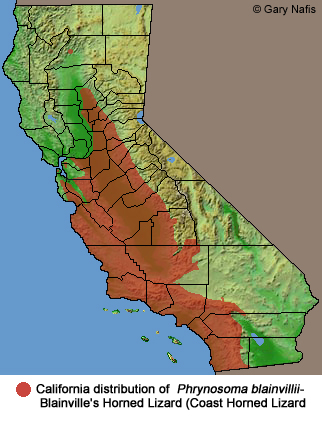
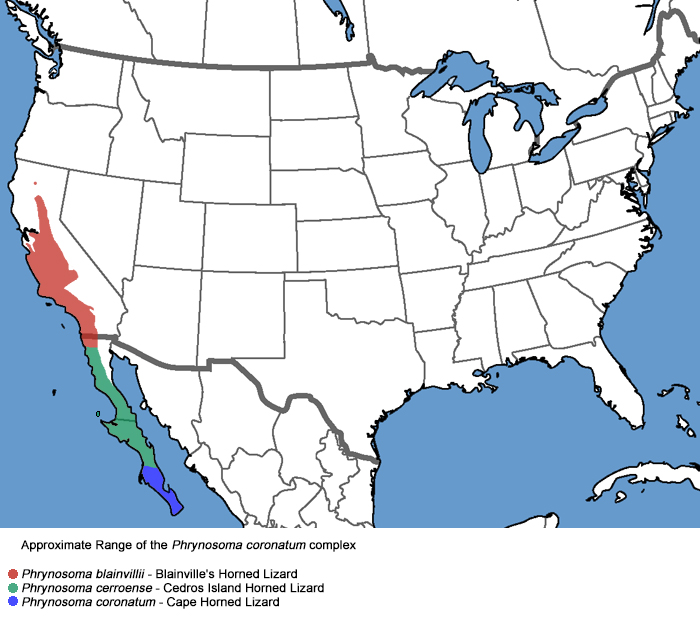
Red: Historic Range in California
Click on the map for a topographical view
Map with California County Names
 |
 |
||||||||||||||||||||||||||||||||||||||||||||||||||
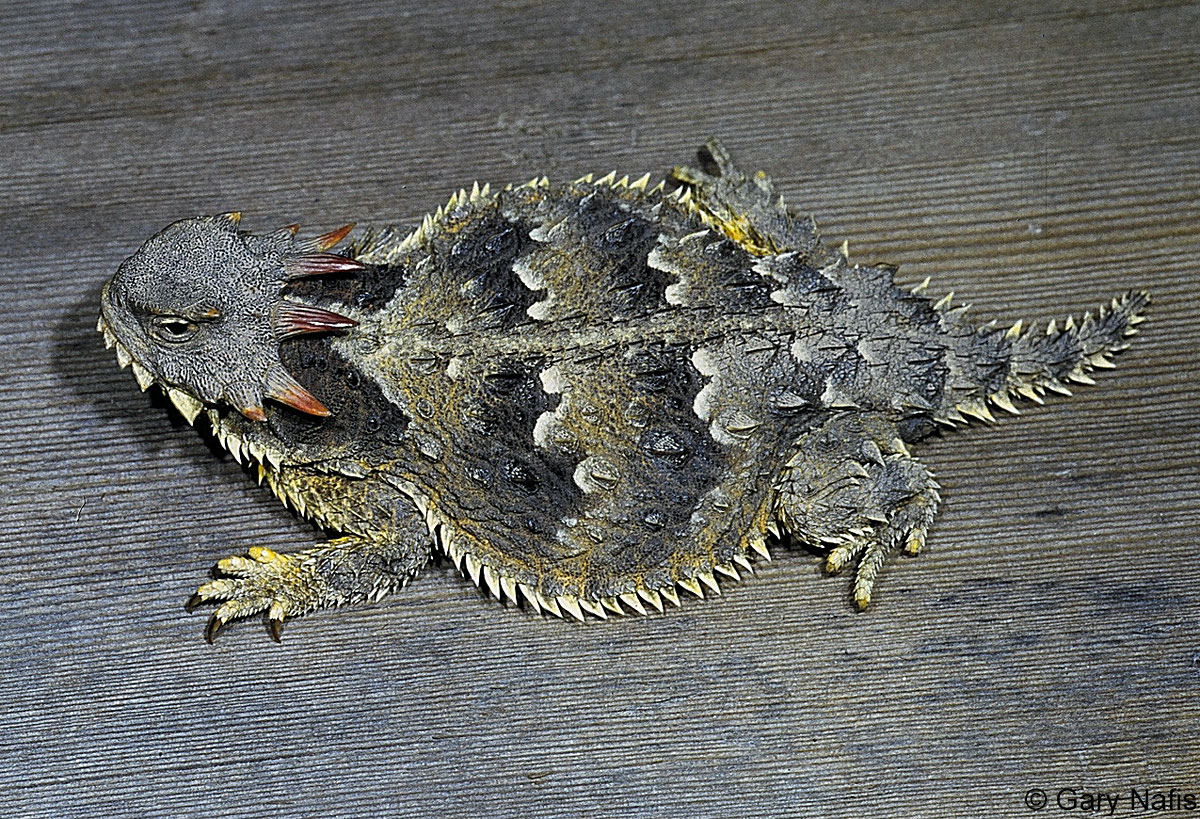
| Adult female, San Diego County, | Adult male, Alameda County | ||||||||||||||||||||||||||||||||||||||||||||||||||
 |
 |
 |
 |
||||||||||||||||||||||||||||||||||||||||||||||||
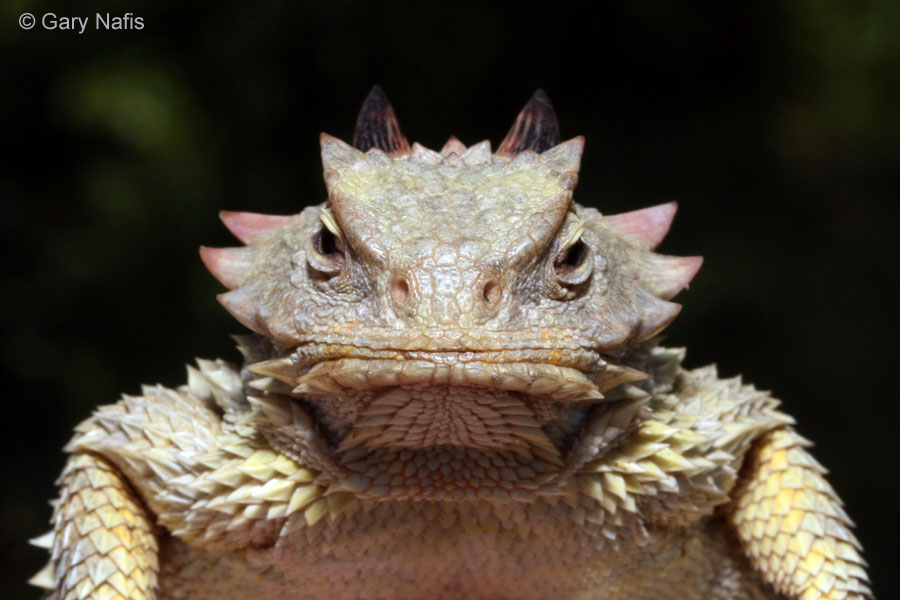
| Adult female, 3,000 ft., San Diego County, | |||||||||||||||||||||||||||||||||||||||||||||||||||
 |
 |
 |
 |
||||||||||||||||||||||||||||||||||||||||||||||||
| Adult male, 3,000 ft., San Gabriel Mountains, Los Angeles County | Enlarged femoral pores | ||||||||||||||||||||||||||||||||||||||||||||||||||
 |
 |
 |
 |
||||||||||||||||||||||||||||||||||||||||||||||||
| Adult male, Alameda County | |||||||||||||||||||||||||||||||||||||||||||||||||||
 |
 |
 |
 |
||||||||||||||||||||||||||||||||||||||||||||||||
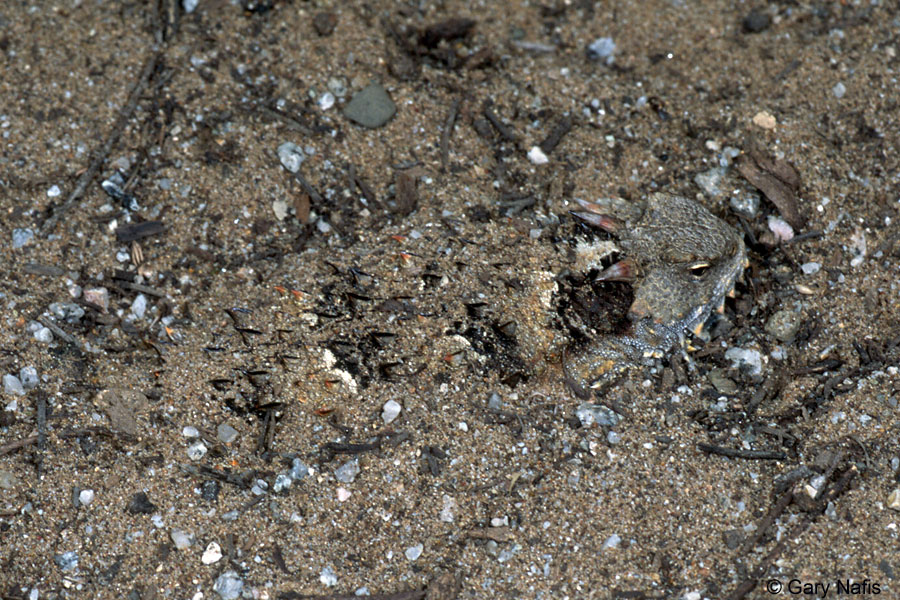
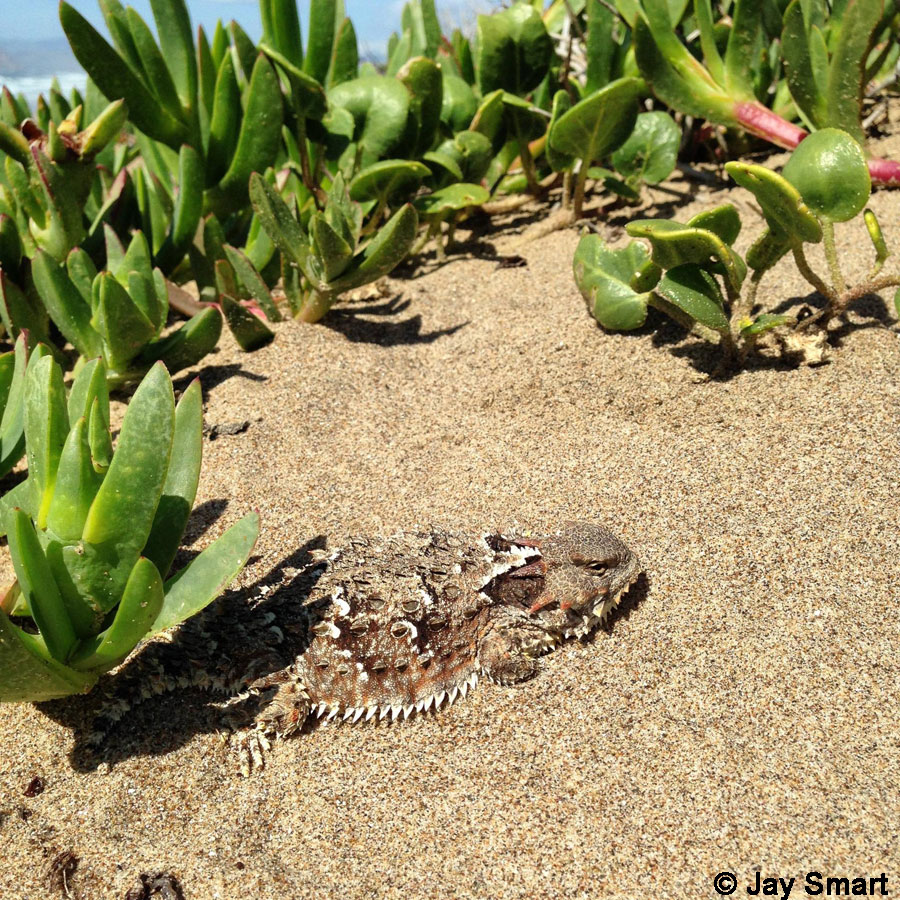
| Adult male, from coastal dunes, San Luis Obispo county. It partially buried itself in loose sand on the right. (Notice that the two SLO dunes lizards shown above and to the right both have bright white side fringe and back markings.) |
Adult, partially buried in sand, San Diego County © Matthias Lemm | ||||||||||||||||||||||||||||||||||||||||||||||||||
 |
 |
 |
 |
||||||||||||||||||||||||||||||||||||||||||||||||
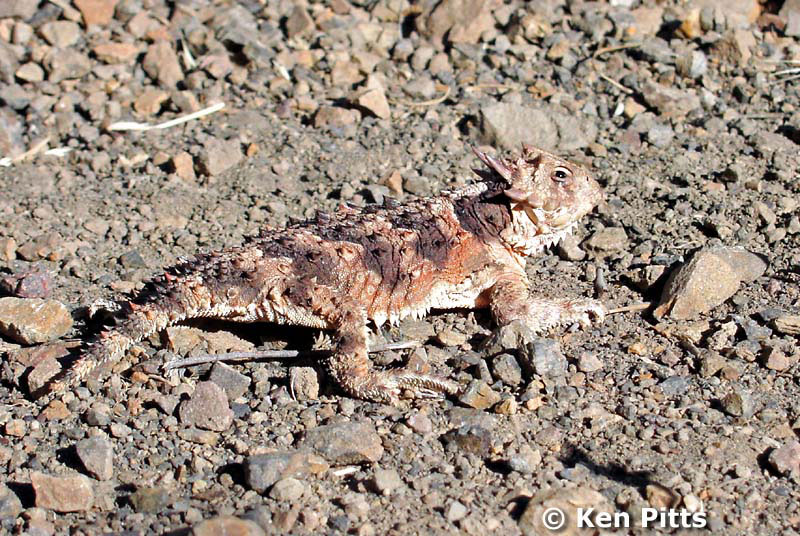
| Adult, Santa Ana Mountains, Riverside County © Ken Pitts |
Adult Female, Contra Costa County © Sam Murray |
Adult Male, Contra Costa County © Sam Murray |
Adult, Los Angeles County © Todd Battey |
||||||||||||||||||||||||||||||||||||||||||||||||
 |
 |
 |
 |
||||||||||||||||||||||||||||||||||||||||||||||||
| Adult, Santa Clara County © Jon Hirt | Adult, Kings County © Patrick Briggs | Adult with a patternless pale ground color that matches the sand on the beach where it was found in San Diego County. © John Andermann | |||||||||||||||||||||||||||||||||||||||||||||||||
 |
 |
 |
 |
||||||||||||||||||||||||||||||||||||||||||||||||
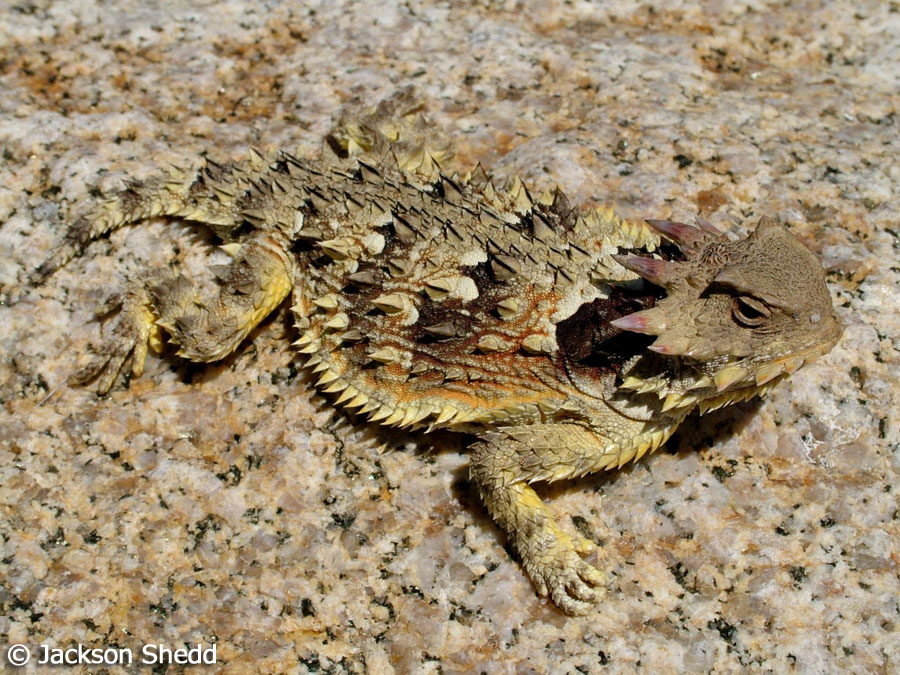
| Adult, San Benito County © Jackson Shedd |
Adult, San Benito County © Jackson Shedd |
Adult, Butte County © Jackson Shedd |
Adult, Butte County © Jackson Shedd |
||||||||||||||||||||||||||||||||||||||||||||||||
 |
 |
 |
 |
||||||||||||||||||||||||||||||||||||||||||||||||
| Adult, San Luis Obispo County © Rodney Starr |
Adult, Vandenburg AFB, Santa Barbara County © Phil Vogel |
Adult, Santa Barbara County © John Sullivan |
|||||||||||||||||||||||||||||||||||||||||||||||||
 |
 |
 |
 |
||||||||||||||||||||||||||||||||||||||||||||||||
| Adult, Monterey County © John Sullivan |
Adult, San Benito County © John Sullivan |
Adult, San Benito County © John Sullivan |
Adult, Kings County © Patrick Briggs | ||||||||||||||||||||||||||||||||||||||||||||||||
 |
 |
 |
 |
||||||||||||||||||||||||||||||||||||||||||||||||
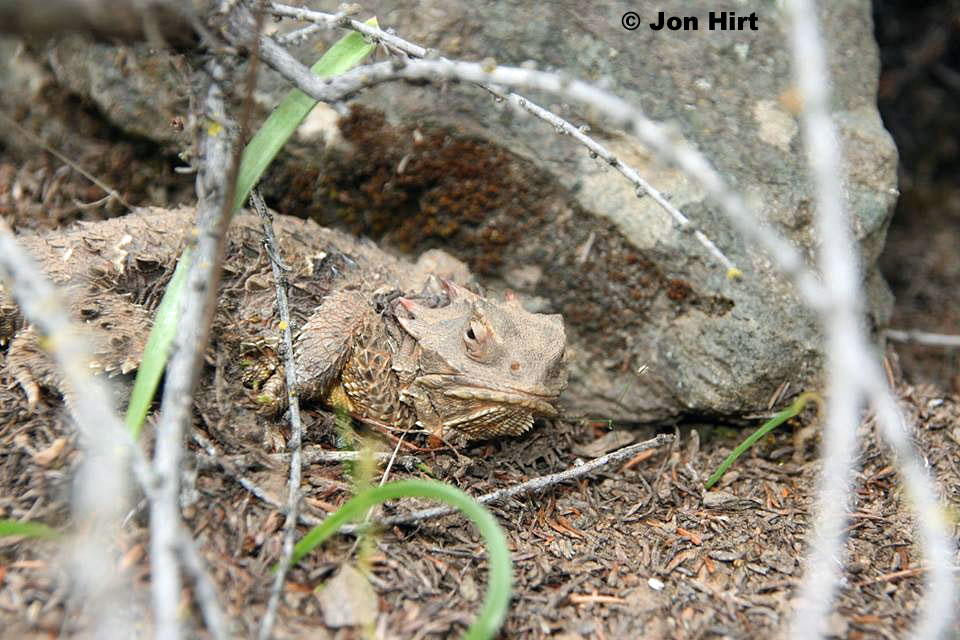
| Adult, Diablo Range, Santa Clara County © Jon Hirt | Adult, Monterey County © Benjamin German |
Adult, Kern Plateau, Kern County © Brad Alexander |
|||||||||||||||||||||||||||||||||||||||||||||||||
 |
 |
 |
 |
||||||||||||||||||||||||||||||||||||||||||||||||
| Adult, Ventura County © Tony Charlton | Adult, Contra Costa County © Zachary Lim |
Adult, Alameda County © Marcia Grefsrud/CDFW | |||||||||||||||||||||||||||||||||||||||||||||||||
 |
 |
 |
 |
||||||||||||||||||||||||||||||||||||||||||||||||
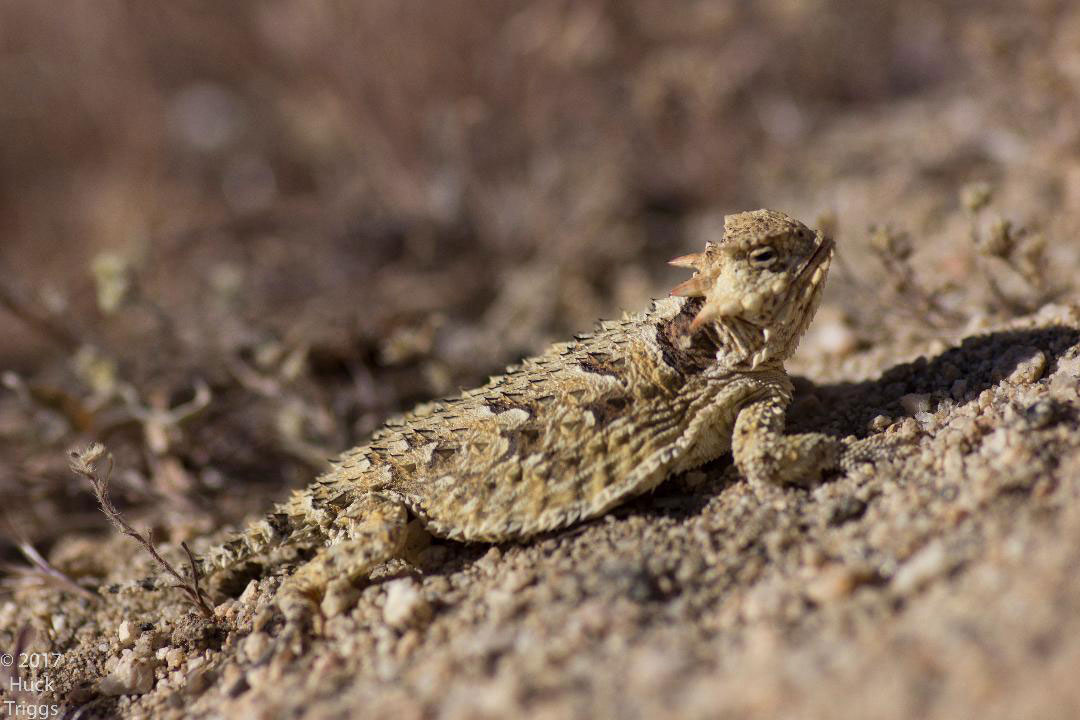
| Adult, Riverside County © Huck Triggs |
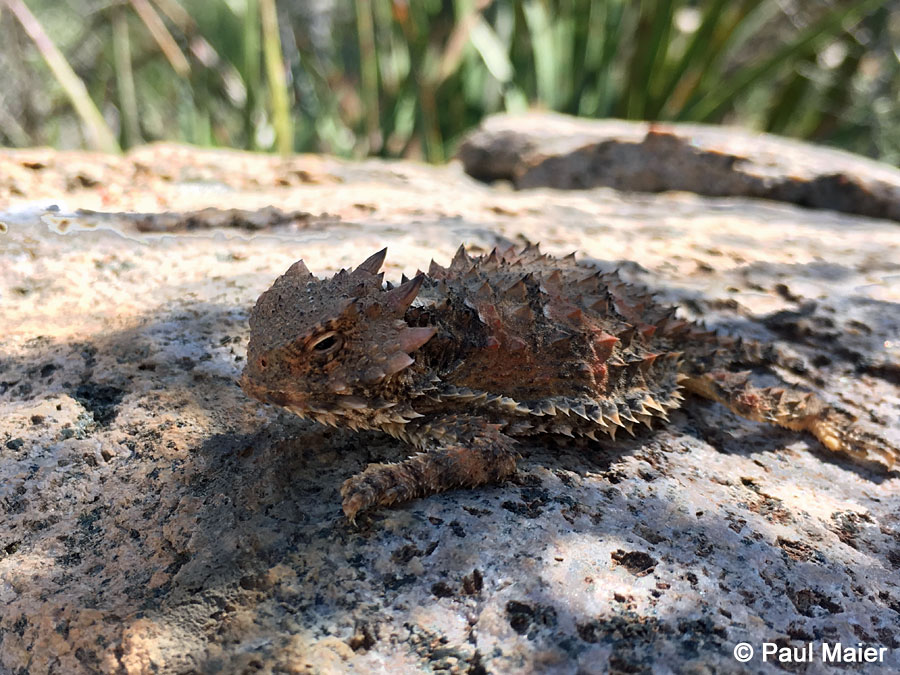
Adult, San Diego County © Paul Maier |
Large adult, Orange County © Dave Beller | |||||||||||||||||||||||||||||||||||||||||||||||||
 |
 |
 |
|||||||||||||||||||||||||||||||||||||||||||||||||
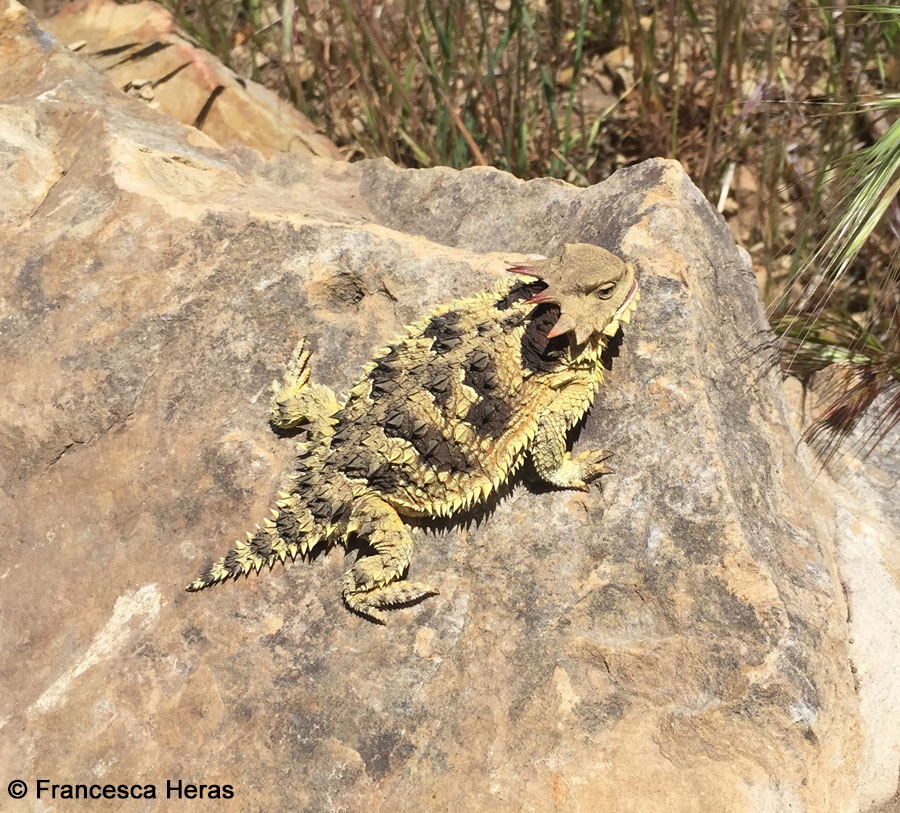
| Adult, Santa Barbara County © Francesca Heras |
Adult, Morro Bay, San Luis Obispo County © Joel A. Germond | Adult in habitat, Santa Monica Mountains, Ventura County © Grigory Heaton |
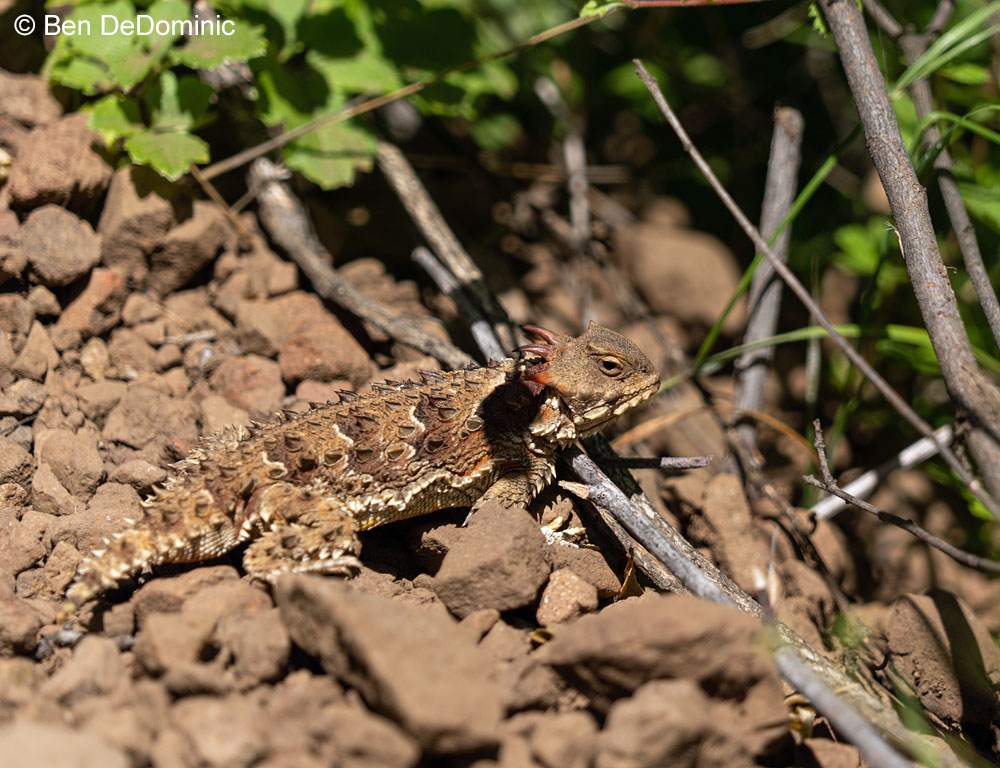
Adult, Contra Costa County © Ben DeDominic |
||||||||||||||||||||||||||||||||||||||||||||||||
 |
 |
 |
 |
||||||||||||||||||||||||||||||||||||||||||||||||
| Adult, Contra Costa County © France |
Adult, Contra Costa County © Kevin Hintsa |
Adult, San Francisco Bay Area © Zachary Lim |
Adult from coastal dunes, San Luis Obispo County © Jay Smart | ||||||||||||||||||||||||||||||||||||||||||||||||
 |
 |
 |
 |
||||||||||||||||||||||||||||||||||||||||||||||||
| Adult, San Benito County © Zchary Cava |
These horned lizards photographed in coastal dunes in San Luis Obispo County blend in very well with their environment. © Joel Germond |
||||||||||||||||||||||||||||||||||||||||||||||||||
 |
 |
 |
|||||||||||||||||||||||||||||||||||||||||||||||||
| Adult found in an unusual location at the southern edge of the Mojave Desert in San Bernardino County with Joshua Trees. © Mike Pecora | |||||||||||||||||||||||||||||||||||||||||||||||||||
 |
 |
 |
 |
||||||||||||||||||||||||||||||||||||||||||||||||
| Adult on a San Diego County beach © Matthias Lemm |
Adult San Diego County © Matthias Lemm |
Their father contributed these pics of Califa and Caitanya de Vico (aka Gypsettwins) showing off some of the horned lizards they saw and released on a fun spring hike in 2014 in the Los Angeles County hills. © Robert de Vico | |||||||||||||||||||||||||||||||||||||||||||||||||
 |
 |
 |
 |
||||||||||||||||||||||||||||||||||||||||||||||||
| Adult, Inyo County © Ryan Sikola | Coast Horned Lizards are covered with small granular scales interspersed with larger pointed scales. | ||||||||||||||||||||||||||||||||||||||||||||||||||
| Juveniles | |||||||||||||||||||||||||||||||||||||||||||||||||||
 |
 |
 |
 |
||||||||||||||||||||||||||||||||||||||||||||||||
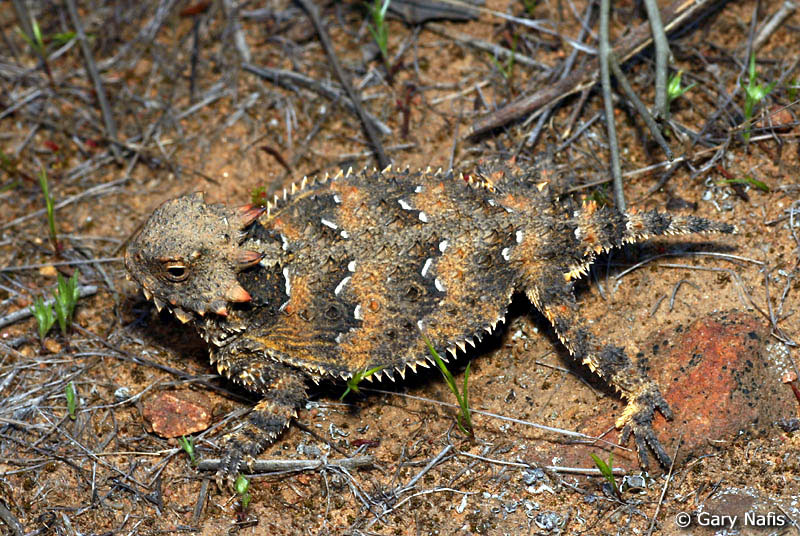
| Juvenile, San Diego County | Juvenile, San Diego County | ||||||||||||||||||||||||||||||||||||||||||||||||||
 |
 |
 |
 |
||||||||||||||||||||||||||||||||||||||||||||||||
| Juvenile, San Gabriel Mountains, Los Angeles County | Juvenile male, San Diego County | ||||||||||||||||||||||||||||||||||||||||||||||||||
 |
 |
 |
 |
||||||||||||||||||||||||||||||||||||||||||||||||
| Juvenile, San Benito County © Andy Stocker |
Newly-hatched juvenile next to U.S. quarter to show how small it is, Contra Costa County. © Jerry L. Boyer |
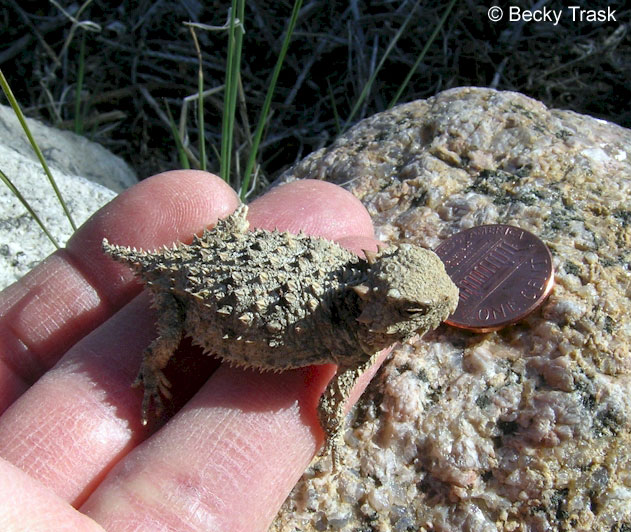
Juvenile, San Diego County © Jay Keller | Juvenile, Los Angeles County © Becky Trask |
||||||||||||||||||||||||||||||||||||||||||||||||
 |
 |
 |
 |
||||||||||||||||||||||||||||||||||||||||||||||||
| Juvenile, Monterey County © John Sullivan |
Juvenile, San Diego County © Tim Valentine |
Juvenile, San Diego County © Tim Valentine |
This San Diego County juvenile shows how easily it can blend into the background to avoid detection. © Tim Valentine |
||||||||||||||||||||||||||||||||||||||||||||||||
 |
 |
 |
 |
||||||||||||||||||||||||||||||||||||||||||||||||
| Juvenile, Contra Costa County © Ricky Ortiz |
Juvenile, Ventura County © Tony Charlton |
Juvenile, Orange County © Tadd Kraft |
Juvenile, Orange County © Tadd Kraft |
||||||||||||||||||||||||||||||||||||||||||||||||
 |
 |
 |
|||||||||||||||||||||||||||||||||||||||||||||||||
| Juvenile, Santa Barbara County © Francesca Heras |
Juvenile with red coloring, San Diego County © Julie Stout | Juvenile, San Benito County © Kevin Hintsa |
|||||||||||||||||||||||||||||||||||||||||||||||||
| Blood-squirting Defensive Behavior | |||||||||||||||||||||||||||||||||||||||||||||||||||
 |
 |
 |
 |
||||||||||||||||||||||||||||||||||||||||||||||||
| This injured adult from a backyard in San Luis Obispo County shows blood above one eye. When threatened, horned lizards will often spurt blood from a pore near the eyelid to deter the attacker, in this case, a dog. © Martha Lindl | Adult, Santa Cruz Mountains © Jackson Shedd This lizard squirted blood from its eyes just before the photographs were made, which explains the reddish coloring on its head. |
This Riverside County adult is covered with blood after using its blood deterrent defense behavior, however, in this case the blood was not squirted, it just oozed out of the eyes. © Curtis Croulet | |||||||||||||||||||||||||||||||||||||||||||||||||
 |
|||||||||||||||||||||||||||||||||||||||||||||||||||
| Adult after squirting blood from its eyes, San Diego County © Blaine Mazzetti |
|||||||||||||||||||||||||||||||||||||||||||||||||||
| Adults in the Mating Season | |||||||||||||||||||||||||||||||||||||||||||||||||||
 |
 |
 |
 |
||||||||||||||||||||||||||||||||||||||||||||||||
| In early April of 2007, Becky Trask sent me these pictures of breeding adult horned lizards found at 5,200 ft. in Los Angeles County. In mid April of 2008 she discovered a juvenile at the same location (shown below) which could be the result of the previous year's breeding. © Becky Trask |
A pair of mating adults, Los Angeles County © Huck Triggs |
This is a short video of the same pair of mating Coast Horned Lizards seen to the left. It's interesting that they are belly to belly. With all those horns and spines, it's probably safer that way. © Huck Triggs |
|||||||||||||||||||||||||||||||||||||||||||||||||
 |
 |
 |
|||||||||||||||||||||||||||||||||||||||||||||||||
| A pair of mating adults, male on top, San Diego County © Andrew Borcher |
Mating adults, San Luis Obispo County © Lillian Germond |
These two adult horned lizards were found lying motionless. They were probably engaged in some kind of courtship or breeding behavior when they felt threatened and remained motionless to avoid detection. Horn lizards like to rely on their camouflage to stay out of trouble. © Christine Frei |
|||||||||||||||||||||||||||||||||||||||||||||||||
 |
|||||||||||||||||||||||||||||||||||||||||||||||||||
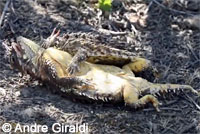
| Watch a YouTube video of two adult horned lizards in Contra Costa County engaged in what appears to be violent courtship behavior and possibly mating at the end. The female either has a bloody head injury or she has squirted blood from her eye in defense. © Andre Giraldi |
|||||||||||||||||||||||||||||||||||||||||||||||||||
| Predators | |||||||||||||||||||||||||||||||||||||||||||||||||||
 |
 |
 |
|||||||||||||||||||||||||||||||||||||||||||||||||
| An adult Red Diamond Rattlesnake eating an adult Coast Horned Lizard in San Diego County © Shane Caver | |||||||||||||||||||||||||||||||||||||||||||||||||||
| Horned Lizard Prey | |||||||||||||||||||||||||||||||||||||||||||||||||||
 |
 |
 |
 |
||||||||||||||||||||||||||||||||||||||||||||||||
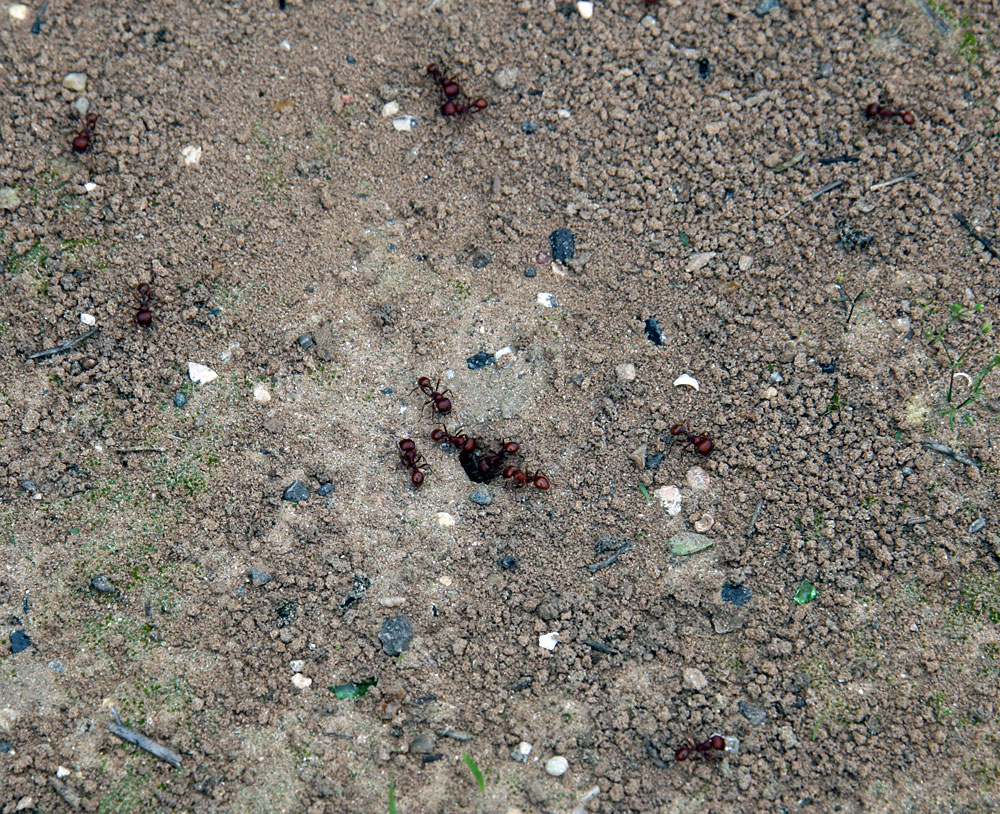
| Horned lizards eat mostly black or red harvester ants such as these. | These pictures show the feces of a Texas Horned lizard which has a similar diet: Left: Intact - as deposited. (Coin is .75 inch [19.05 mm] in diameter) Right: Broken apart - showing that it is mostly composed of harvester ants |
||||||||||||||||||||||||||||||||||||||||||||||||||
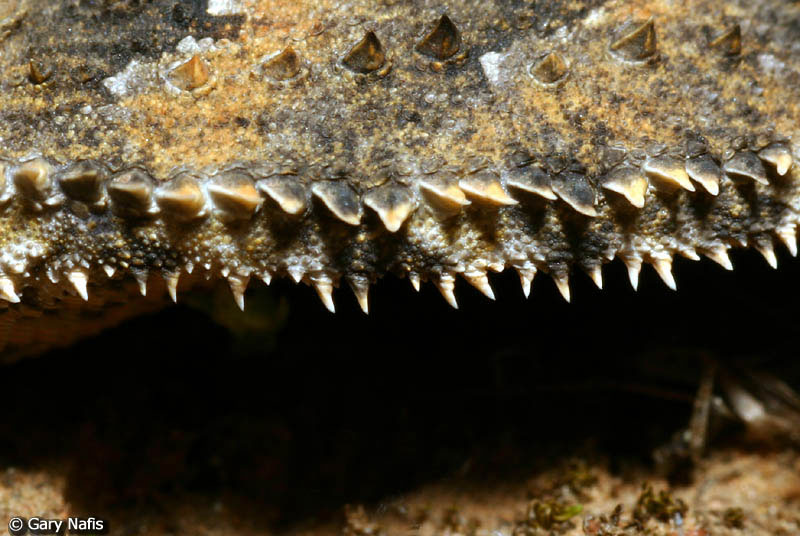
| Comparison of Coast Horned Lizard with Desert Horned Lizard (based on Stebbins, 2003) | |||||||||||||||||||||||||||||||||||||||||||||||||||
 |
 |
 |
|||||||||||||||||||||||||||||||||||||||||||||||||
| Coast Horned Lizards have 2 rows of pointed fringe scales on the lower part of each side of the body. |
|||||||||||||||||||||||||||||||||||||||||||||||||||
 |
 |
 |
|||||||||||||||||||||||||||||||||||||||||||||||||
| Desert Horned Lizards have only 1 row of fringe scales on each side of the body | |||||||||||||||||||||||||||||||||||||||||||||||||||
 |
 |
 |
|||||||||||||||||||||||||||||||||||||||||||||||||
| Coast Horned Lizards have 2 or 3 rows of enlarged pointed scales on each side of the throat. | |||||||||||||||||||||||||||||||||||||||||||||||||||
 |
 |
 |
|||||||||||||||||||||||||||||||||||||||||||||||||
| Desert Horned Lizards have only 1 row of slightly enlarged scales on each side of the throat. | |||||||||||||||||||||||||||||||||||||||||||||||||||
| Habitat | |||||||||||||||||||||||||||||||||||||||||||||||||||
 |
 |
 |
 |
||||||||||||||||||||||||||||||||||||||||||||||||
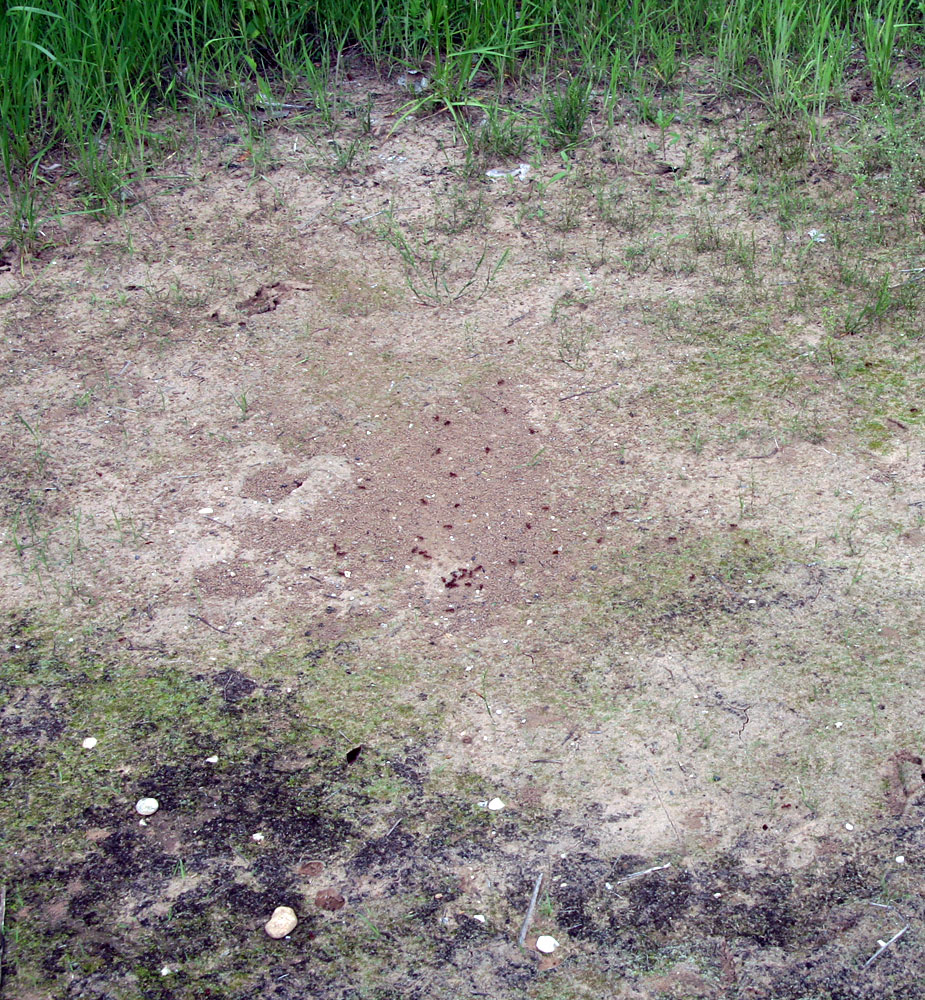
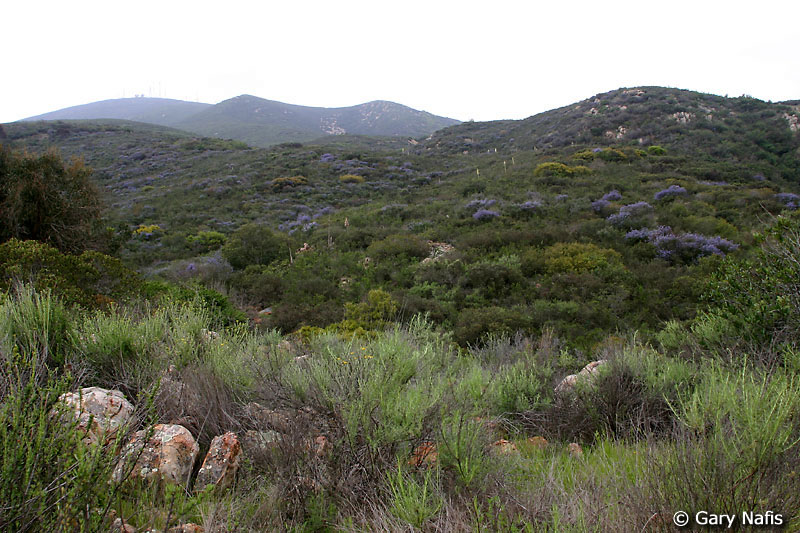
| Habitat, 3,000 ft., San Diego County | Habitat, Riverside County. The bare spot in the foreground is the entrance to a nest of harvester ants, a primary food source for Coast Horned Lizards. | Chaparral/sandy wash habitat San Benito County |
Habitat, Los Angeles County © Todd Battey |
||||||||||||||||||||||||||||||||||||||||||||||||
 |
 |
 |
 |
||||||||||||||||||||||||||||||||||||||||||||||||
| Habitat, San Gabriel Mountains, Los Angeles County | Habitat, Butte County. |
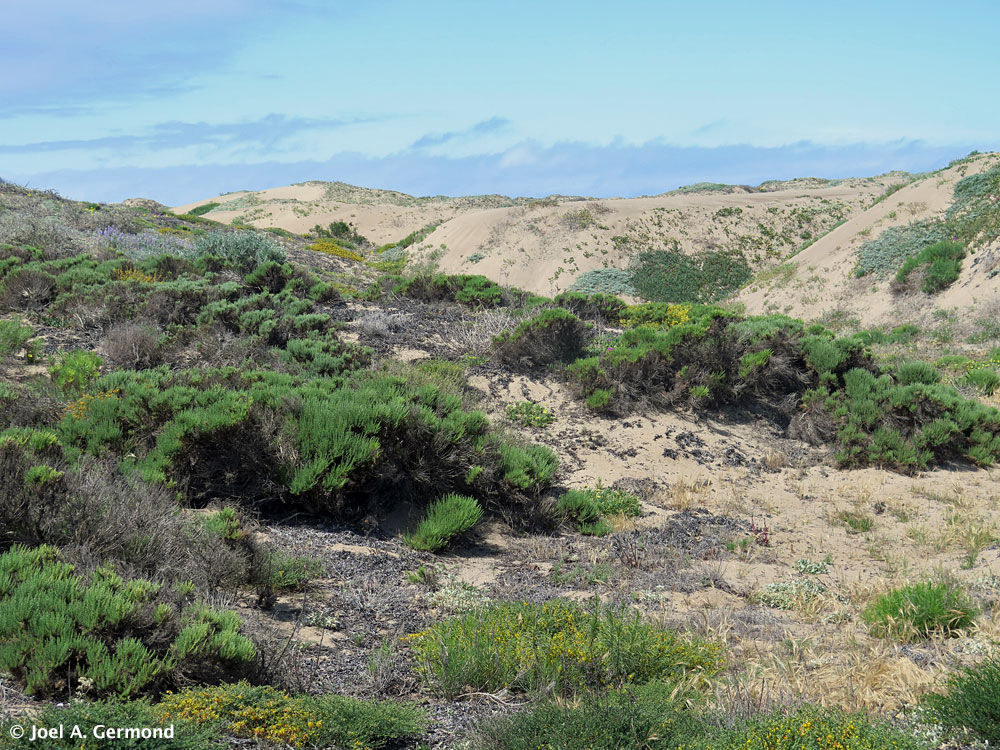
Coastal sand dunes habitat, San Luis Obispo county |
Coastal Sage habitat, San Diego County |
||||||||||||||||||||||||||||||||||||||||||||||||
 |
 |
 |
 |
||||||||||||||||||||||||||||||||||||||||||||||||
| Habitat, Alameda County |
Habitat, Contra Costa County | Habitat, Kings County © Patrick Briggs |
Habitat, San Gabriel Mountains, Los Angeles County |
||||||||||||||||||||||||||||||||||||||||||||||||
 |
 |
 |
 |
||||||||||||||||||||||||||||||||||||||||||||||||
| Adult in sand dunes habitat, San Luis Obispo County |
Habitat, Alameda County | Habitat, San Diego County | Habitat, Vandenburg AFB, Santa Barbara County © Phil Vogel |
||||||||||||||||||||||||||||||||||||||||||||||||
 |
 |
 |
 |
||||||||||||||||||||||||||||||||||||||||||||||||
| Habitat, Carrizo Plain, San Luis Obispo County |
San Diego County coastal sage habitat | Habitat, Alameda County | Adult in habitat, Diablo Range, Santa Clara County © Jon Hirt |
||||||||||||||||||||||||||||||||||||||||||||||||
 |
 |
 |
|||||||||||||||||||||||||||||||||||||||||||||||||
| Habitat, Santa Ana Mountains, Riverside County |
Sand dunes habitat, San Luis Obispo County © Joel A. Germond | ||||||||||||||||||||||||||||||||||||||||||||||||||
| Short Videos | |||||||||||||||||||||||||||||||||||||||||||||||||||
 |
 |
 |
|
||||||||||||||||||||||||||||||||||||||||||||||||
| Two different Coast horned lizards are shown running quickly for a short distance then stopping to hide by blending in with the background, typical behavior for this type of lizard. | A juvenile Coast horned lizard runs around in San Diego County. | Caitanya tells us about a horned lizard she found then lets it go. © Robert de Vico |
This is a pair of mating Coast Horned Lizards in Los Angeles County. It's interesting that they are belly to belly. With all those horns and spines, it's probably safer that way. © Huck Triggs |
||||||||||||||||||||||||||||||||||||||||||||||||
| |
|||||||||||||||||||||||||||||||||||||||||||||||||||
| Watch a YouTube video of two adult horned lizards in Contra Costa County engaged in what appears to be violent courtship behavior and possibly mating at the end. The female either has a bloody head injury or she has squirted blood from her eye in defense. © Andre Giraldi |
|||||||||||||||||||||||||||||||||||||||||||||||||||
|
|||||||||||||||||||||||||||||||||||||||||||||||||||
|
|||||||||||||||||||||||||||||||||||||||||||||||||||

|
The following conservation status listings for this animal are taken from the July 2025 State of California Special Animals List and the July 2025 Federally Listed Endangered and Threatened Animals of California list (unless indicated otherwise below.) Both lists are produced by multiple agencies every year, and sometimes more than once per year, so the conservation status listing information found below might not be from the most recent lists, but they don't change a great deal from year to year.. To make sure you are seeing the most recent listings, go to this California Department of Fish and Wildlife web page where you can search for and download both lists: https://www.wildlife.ca.gov/Data/CNDDB/Plants-and-Animals. A detailed explanation of the meaning of the status listing symbols can be found at the beginning of the two lists. For quick reference, I have included them on my Special Status Information page. If no status is listed here, the animal is not included on either list. This most likely indicates that there are no serious conservation concerns for the animal. To find out more about an animal's status you can also go to the NatureServe and IUCN websites to check their rankings. Check the current California Department of Fish and Wildlife sport fishing regulations to find out if this animal can be legally pursued and handled or collected with possession of a current fishing license. You can also look at the summary of the sport fishing regulations as they apply only to reptiles and amphibians that has been made for this website. Listed as coast horned lizard on the Special Animals list. |
||
| Organization | Status Listing | Notes |
| NatureServe Global Ranking | G4 | Apparently Secure |
| NatureServe State Ranking | S4 | Apparently Secure |
| U.S. Endangered Species Act (ESA) | None | |
| California Endangered Species Act (CESA) | None | |
| California Department of Fish and Wildlife | SSC | Species of Special Concern |
| Bureau of Land Management | S | Sensitive |
| USDA Forest Service | None | |
| IUCN | LC | Least Concern |
|
|
||
Return to the Top
© 2000 -