
A Guide to the Amphibians
and Reptiles of California
Click on a picture for a larger view
Southern Mountain Yellow-legged Frog - Rana muscosa
Camp, 1917(= Mountain Yellow-legged Frog - Rana muscosa)
Description • Taxonomy • Original Citation • Scientific Name • Alt. Names • Similar Herps • References • Conservation Status

Orange: historic range of this species in California
Rana muscosa - Southern Mountain Yellow-legged Frog
Red: Historic range of similar species
Rana sierrae - Sierra Nevada Yellow-legged Frog
Click on the map for a topographical view
Map with California County Names

| Adult Southern Mountain Yellow-legged Frogs from Mountains of Southern California | |||||||||||||||||||||||||||||||||||||||||||||||||||
 |
 |
 |
 |
||||||||||||||||||||||||||||||||||||||||||||||||
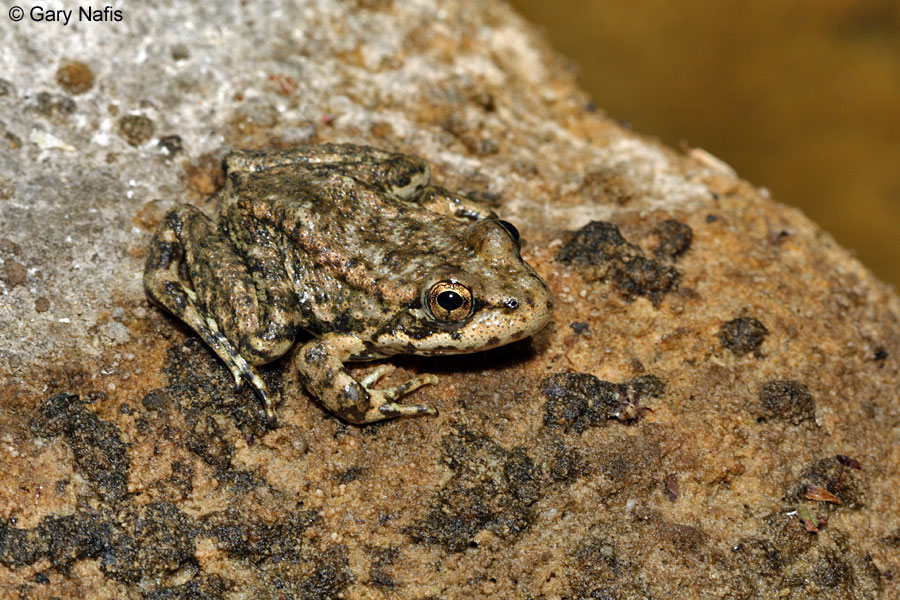
| Adult, San Gabriel Mountains, Los Angeles County |
Adult, San Gabriel Mountains, Los Angeles County |
Adult, San Gabriel Mountains, Los Angeles County |
Adult, San Gabriel Mountains, Los Angeles County |
||||||||||||||||||||||||||||||||||||||||||||||||
 |
 |
 |
 |
||||||||||||||||||||||||||||||||||||||||||||||||
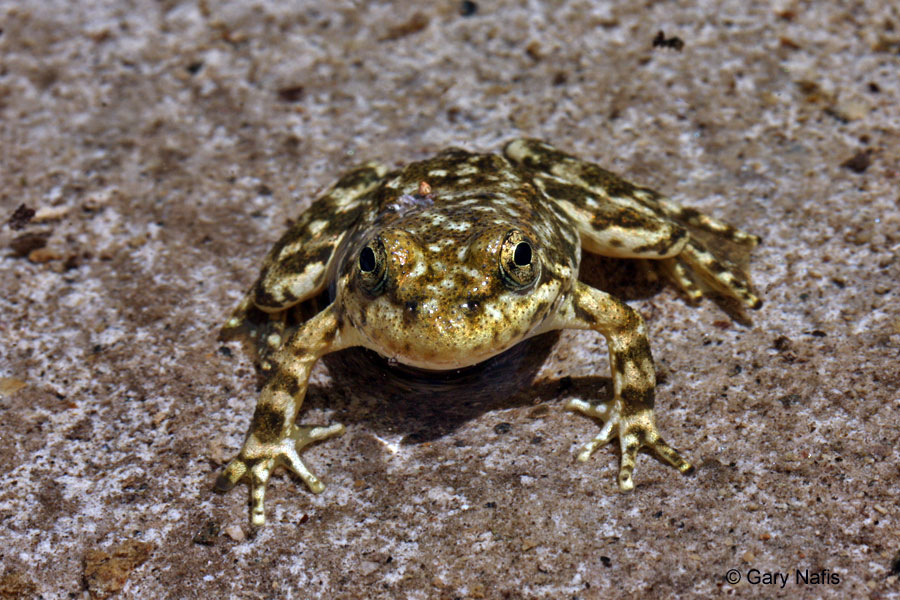
| Adult, San Gabriel Mountains, Los Angeles County |
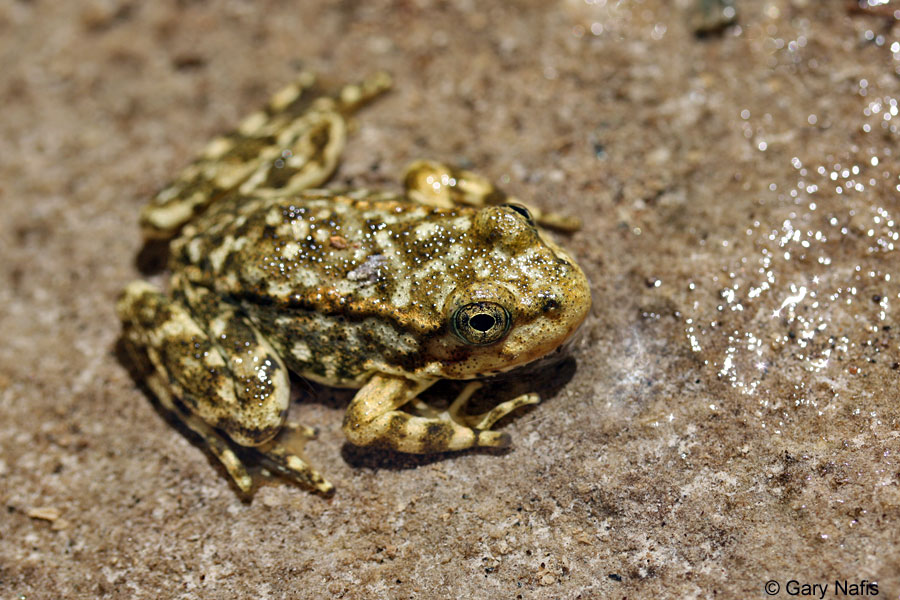
Adult, San Gabriel Mountains, Los Angeles County |
Adult, San Gabriel Mountains, Los Angeles County |
Adult, San Gabriel Mountains, Los Angeles County |
||||||||||||||||||||||||||||||||||||||||||||||||
 |
 |
 |
 |
||||||||||||||||||||||||||||||||||||||||||||||||
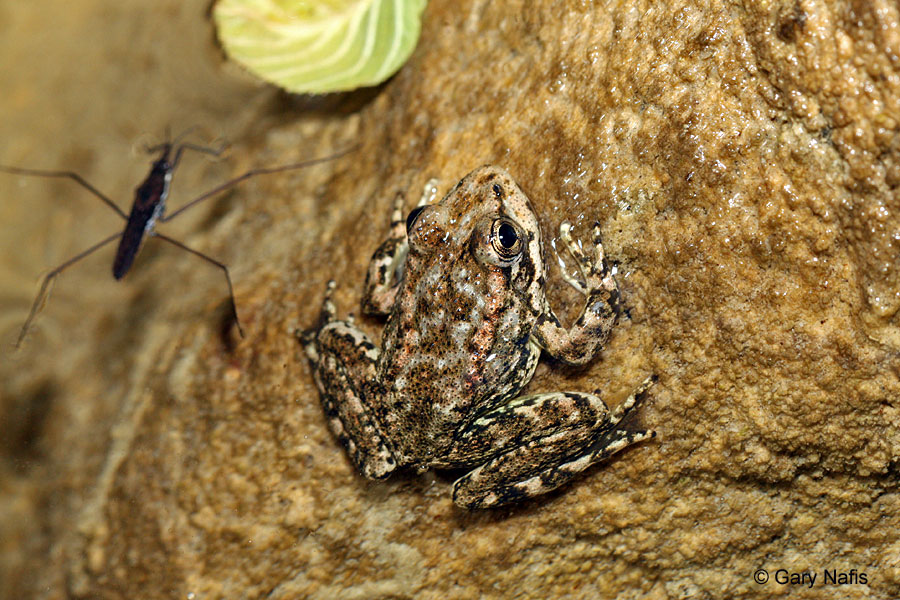
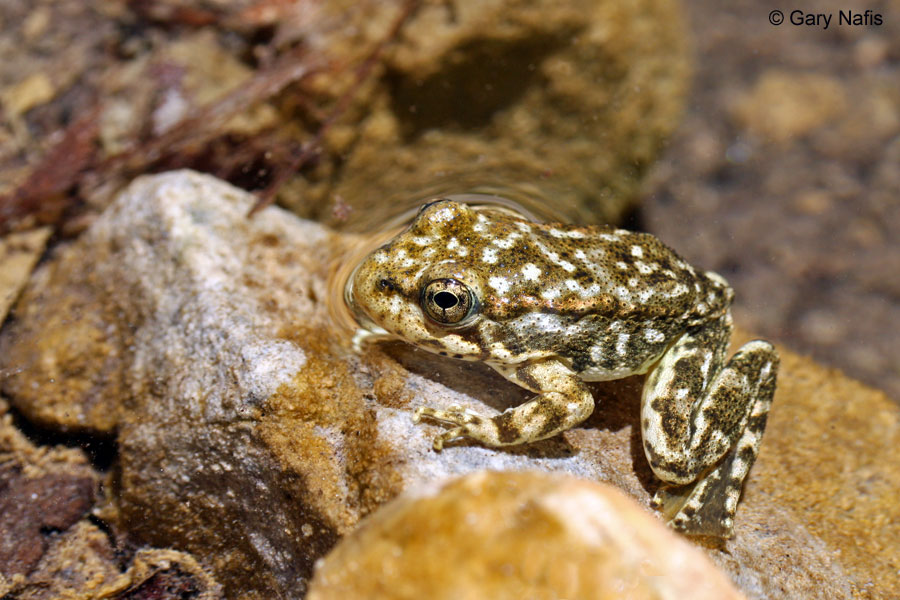
| Adult, San Gabriel Mountains, Los Angeles County |
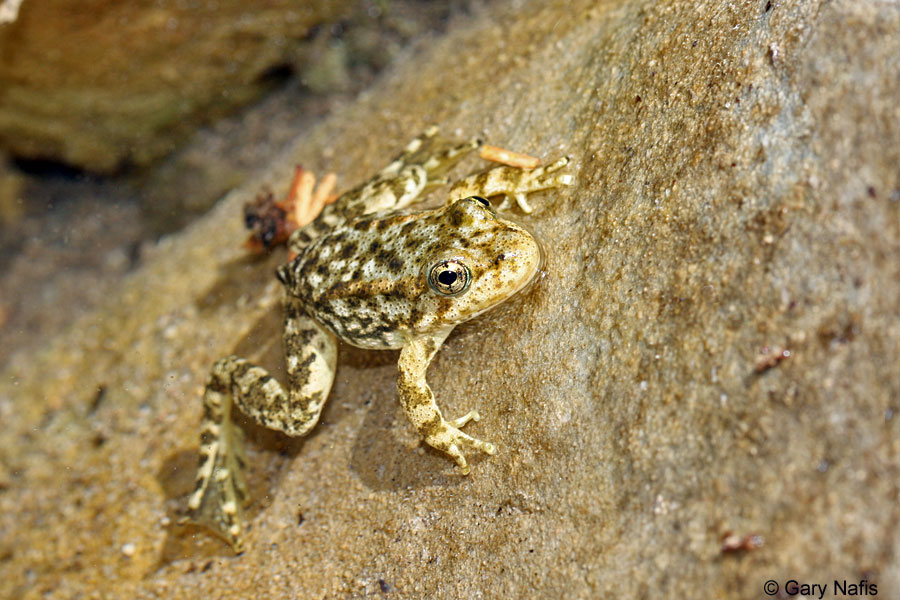
Adult, San Gabriel Mountains, Los Angeles County |
Adult, San Gabriel Mountains, Los Angeles County |
Adult, San Gabriel Mountains, Los Angeles County |
||||||||||||||||||||||||||||||||||||||||||||||||
 |
 |
 |
 |
||||||||||||||||||||||||||||||||||||||||||||||||
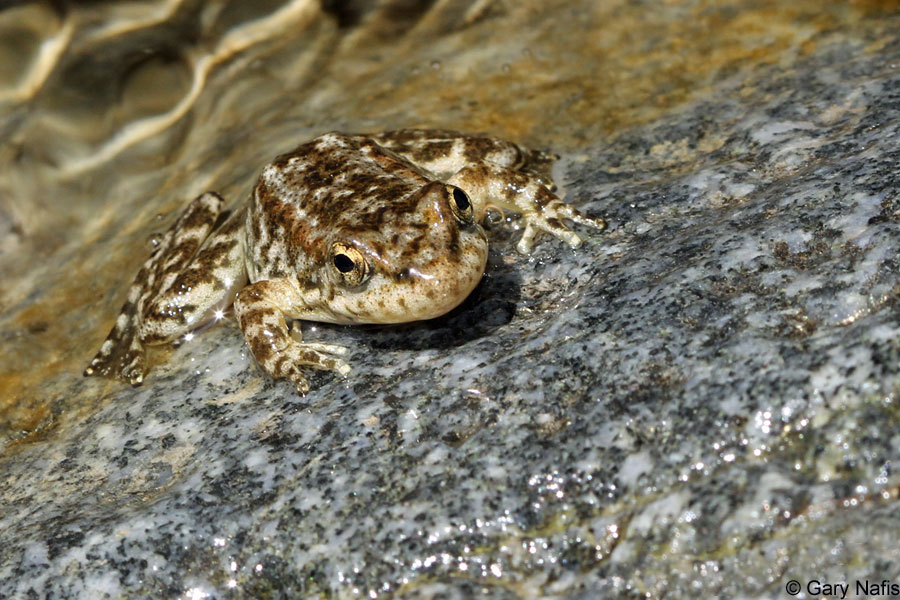
| Adult, San Gabriel Mountains, Los Angeles County |
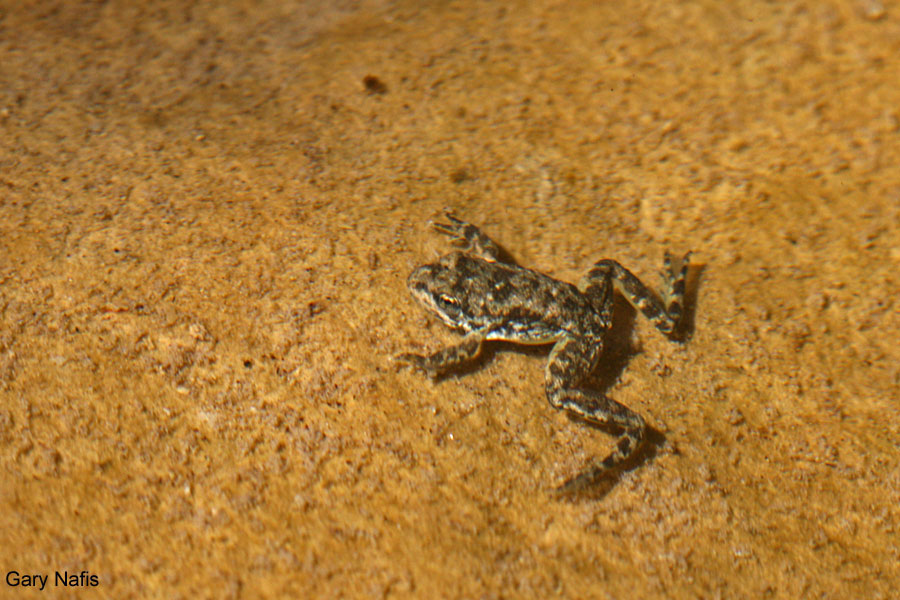
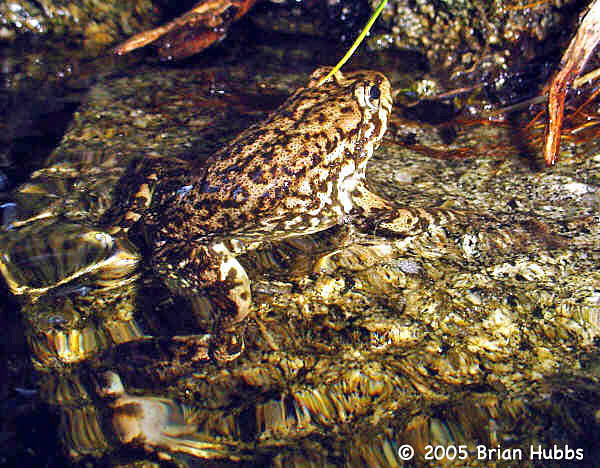
Adult, underwater, San Gabriel Mountains, Los Angeles County | Adult, San Gabriel Mountains, Los Angeles County |
Adult, Mt. San Jacinto, Riverside County@ 2005 Brian Hubbs |
||||||||||||||||||||||||||||||||||||||||||||||||
 |
 |
 |
 |
||||||||||||||||||||||||||||||||||||||||||||||||
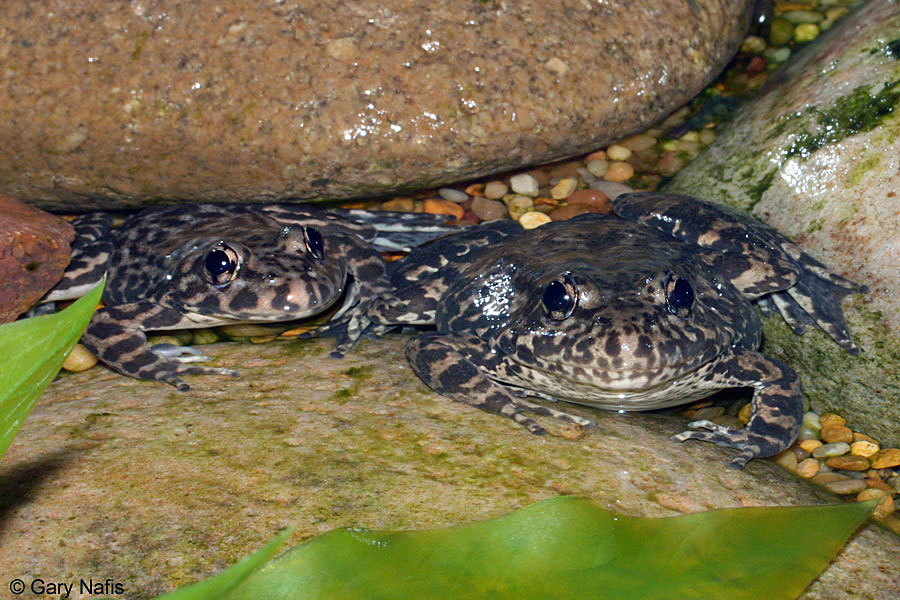
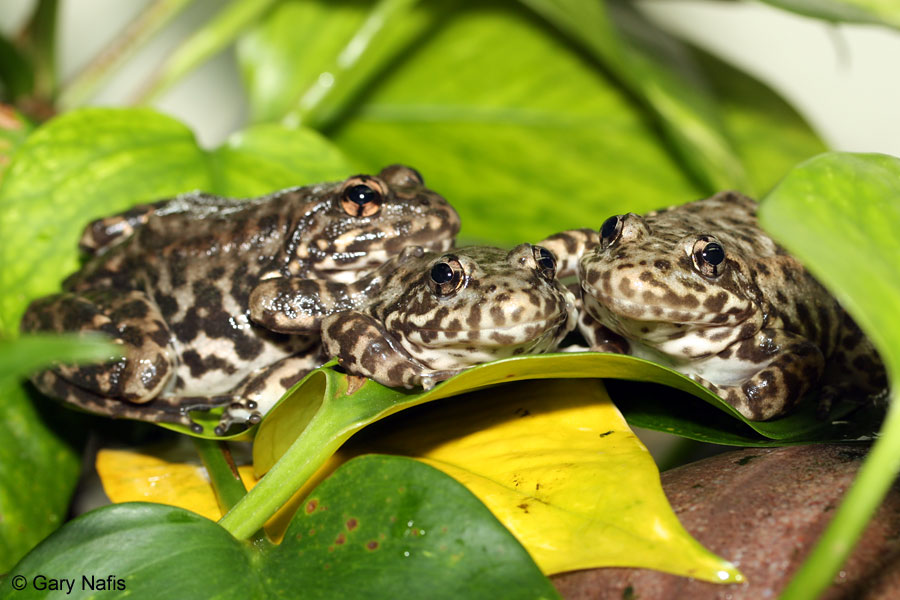
| Adult frogs, from San Bernardino Mountains stock, part of the captive breeding program at the San Diego Zoo's Center for Conservation and Research for Endangered Species, courtesy of Jeffrey M. Lemm. Photos © Gary Nafis |
|||||||||||||||||||||||||||||||||||||||||||||||||||
 |
 |
||||||||||||||||||||||||||||||||||||||||||||||||||
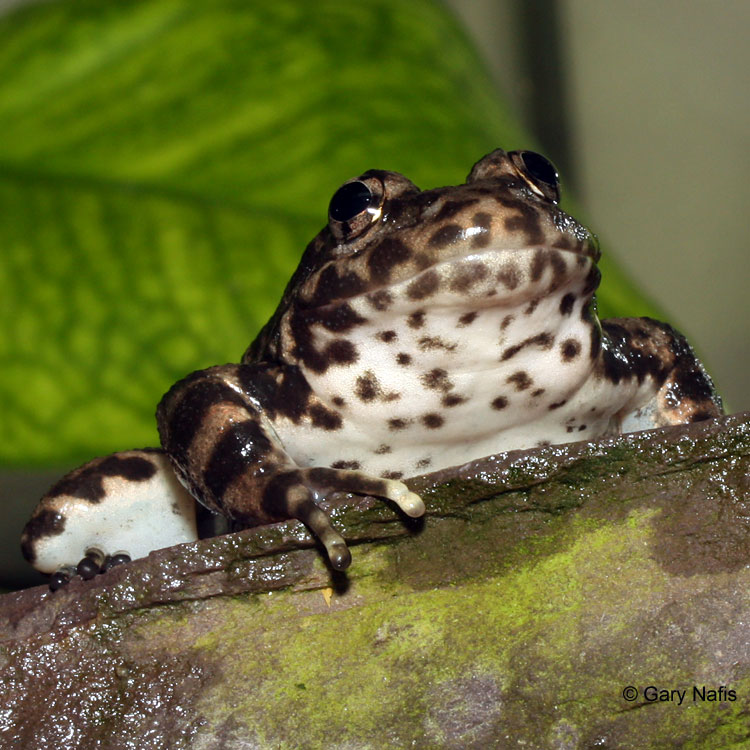
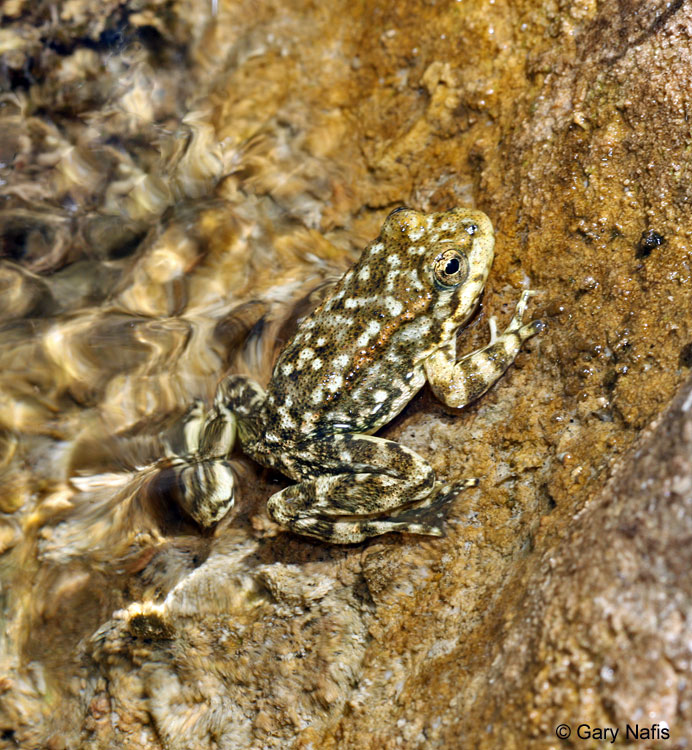
| Adult frogs, part of the captive breeding program at the San Diego Zoo's Center for Conservation and Research for Endangered Species, courtesy of Jeffrey M. Lemm. Photos © Gary Nafis | Adult, San Gabriel Mountains, Los Angeles County |
||||||||||||||||||||||||||||||||||||||||||||||||||
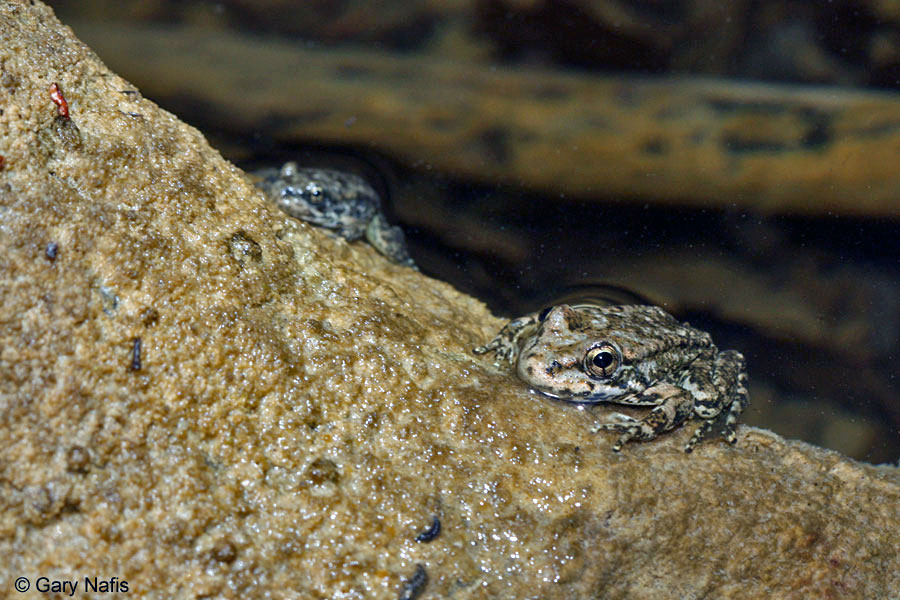
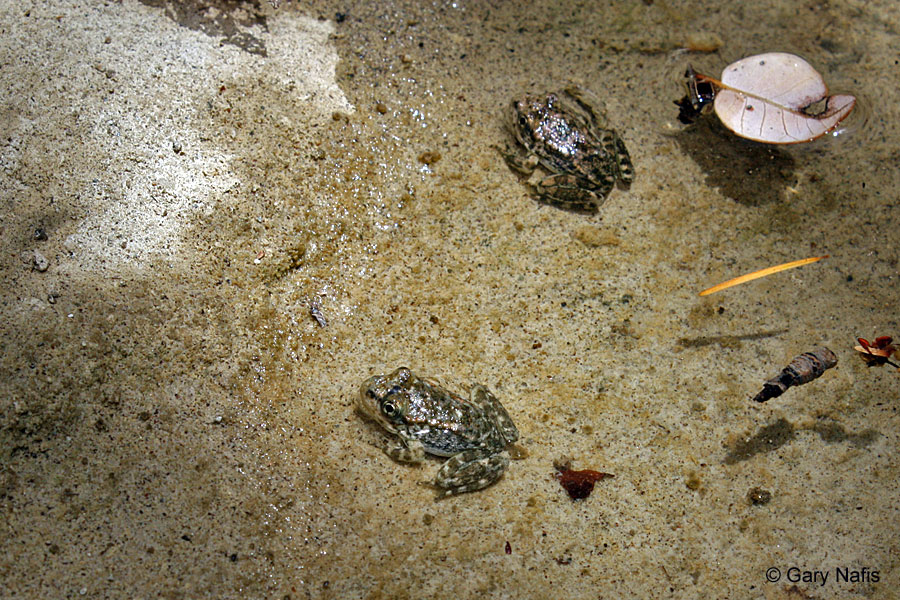
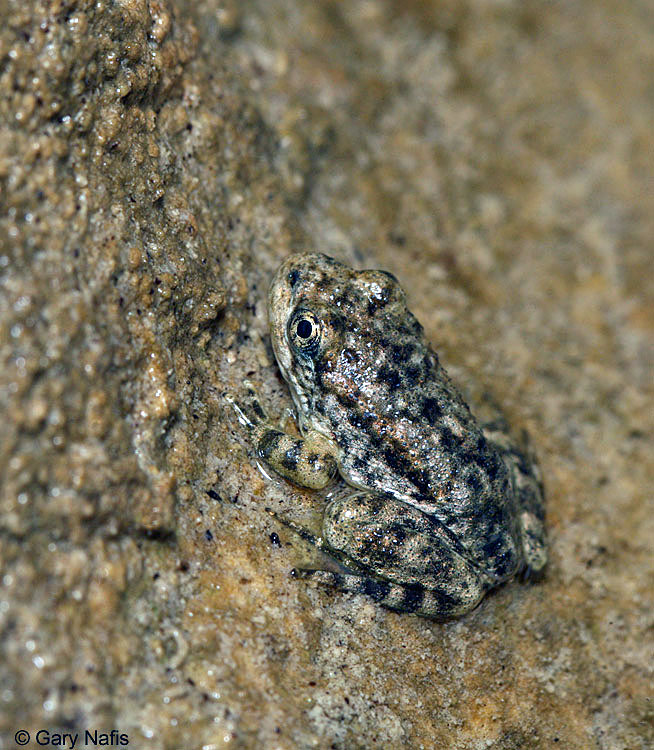
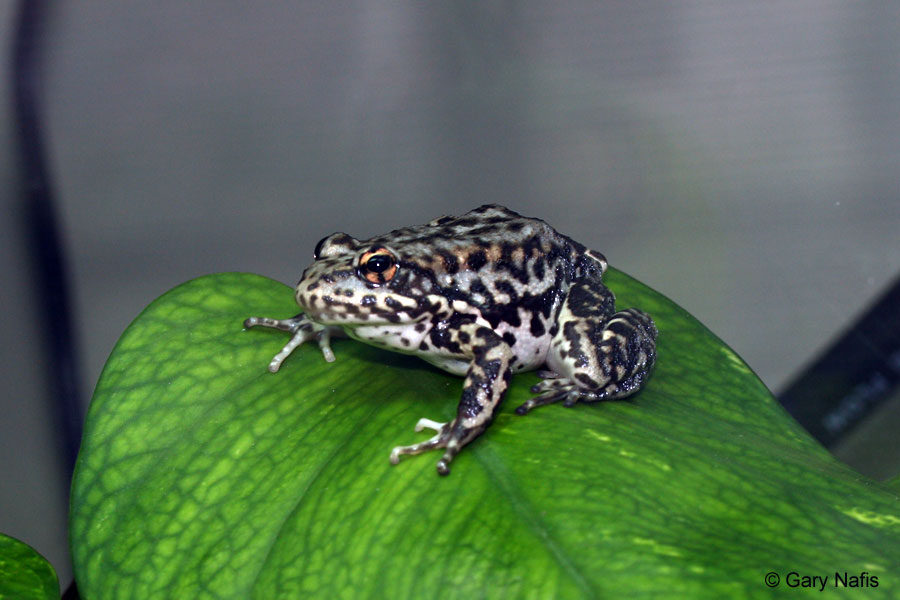
| Juveniles | |||||||||||||||||||||||||||||||||||||||||||||||||||
 |
 |
 |
 |
||||||||||||||||||||||||||||||||||||||||||||||||
| Juvenile, San Gabriel Mountains, Los Angeles County |
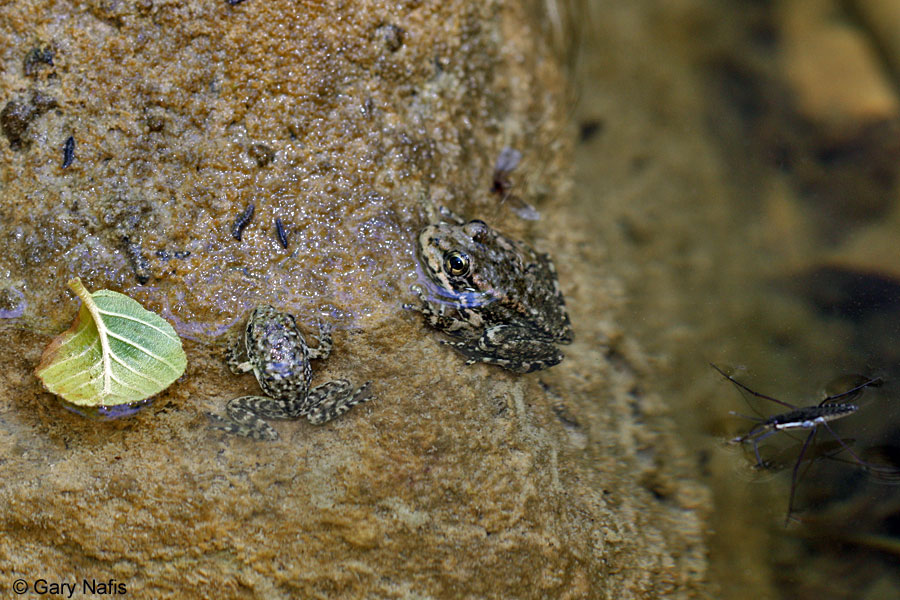
Juveniles, San Gabriel Mountains, Los Angeles County |
Juveniles, San Gabriel Mountains, Los Angeles County |
Juveniles, San Gabriel Mountains, Los Angeles County |
||||||||||||||||||||||||||||||||||||||||||||||||
 |
 |
||||||||||||||||||||||||||||||||||||||||||||||||||
| Juvenile, San Gabriel Mountains, Los Angeles County |
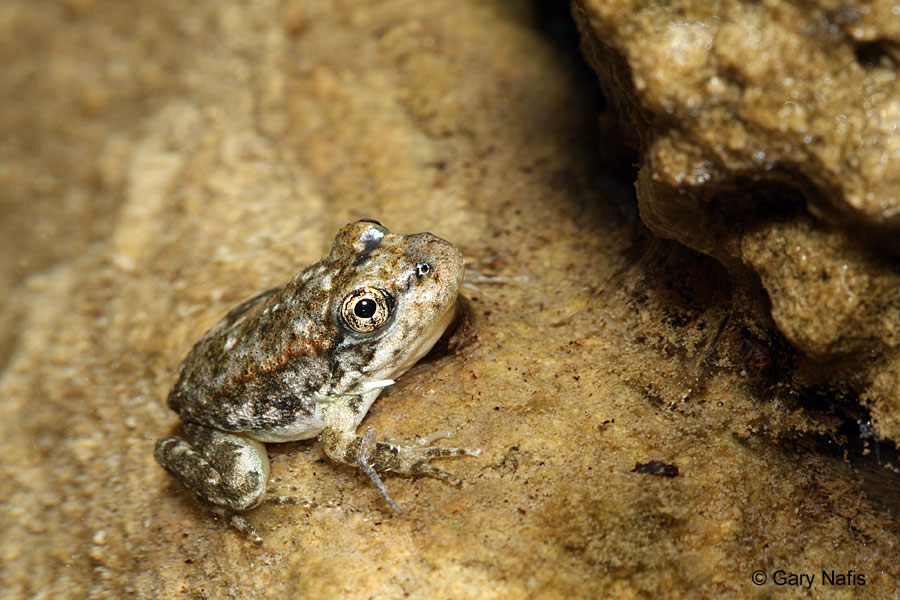
Juvenile, raised in captivity, part of the captive breeding program at the San Diego Zoo's Center for Conservation and Research for Endangered Species, courtesy of Jeffrey M. Lemm. © Gary Nafis |
||||||||||||||||||||||||||||||||||||||||||||||||||
| Southern Mountain Yellow-legged Frogs from the Sierra Nevada Mountains | |||||||||||||||||||||||||||||||||||||||||||||||||||
 |
 |
 |
 |
||||||||||||||||||||||||||||||||||||||||||||||||
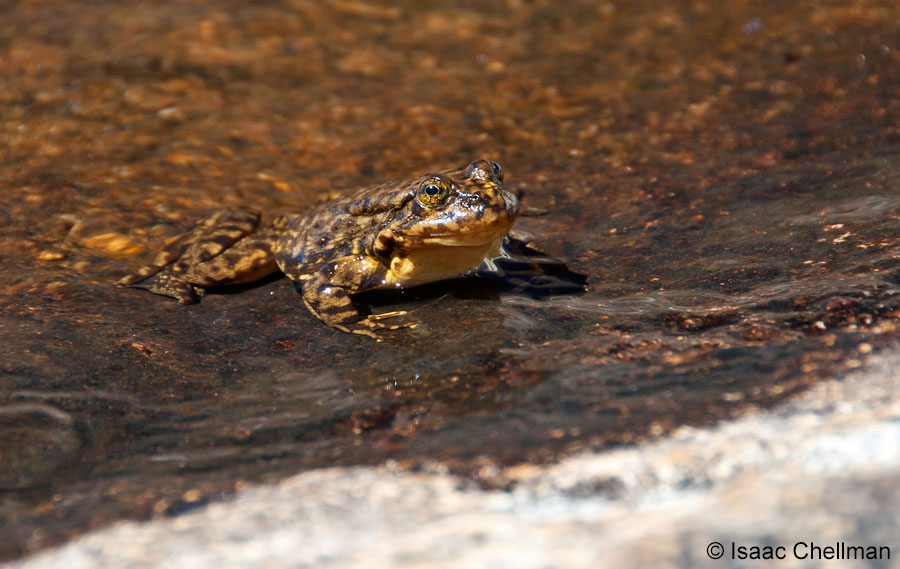
| Adult, Tulare County © Isaac Chellman |
Adult, Tulare County © Isaac Chellman |
Adult, Tulare County © Isaac Chellman |
Adult, Tulare County © Isaac Chellman |
||||||||||||||||||||||||||||||||||||||||||||||||
 |
 |
 |
 |
||||||||||||||||||||||||||||||||||||||||||||||||
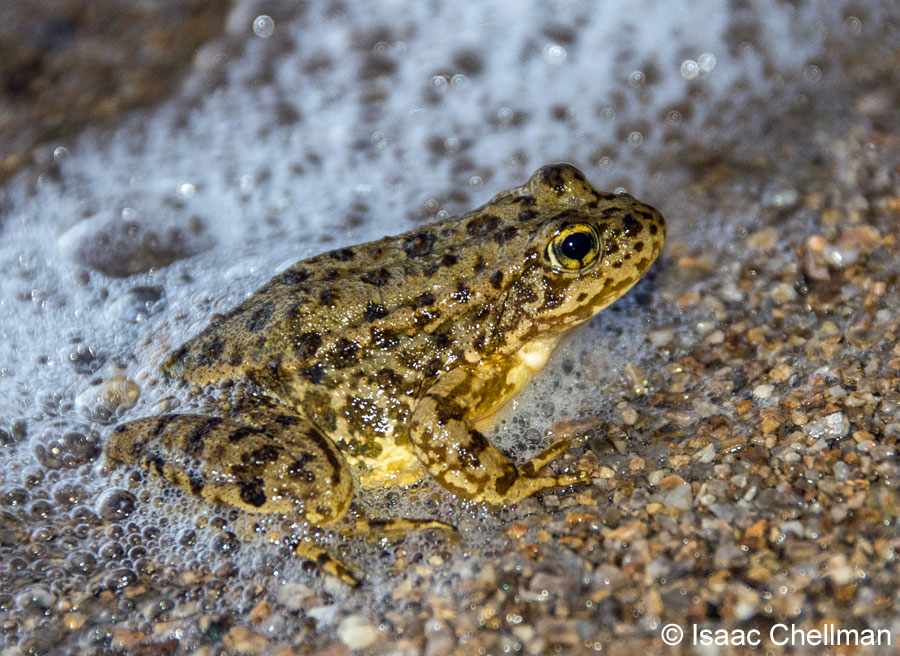
| Adult, Tulare County © Isaac Chellman |
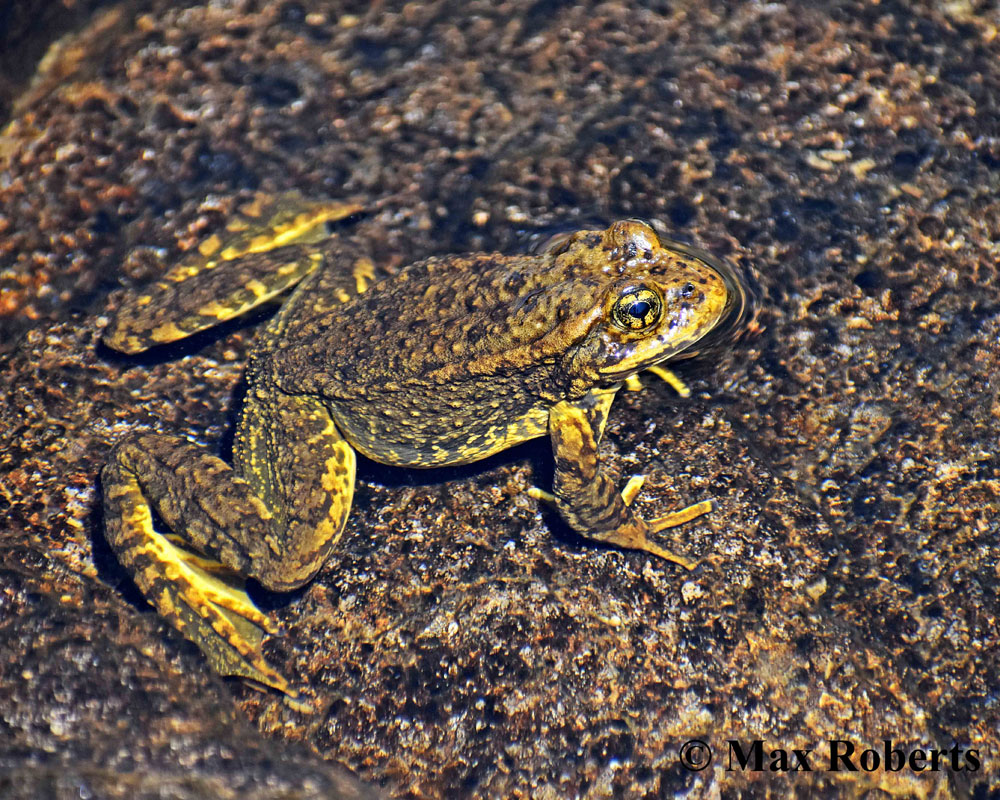
Adult, Tulare County © Max Roberts |
Adult, Tulare County © Isaac Chellman |
Adult, Tulare County © Isaac Chellman |
||||||||||||||||||||||||||||||||||||||||||||||||
 |
 |
 |
 |
||||||||||||||||||||||||||||||||||||||||||||||||
| Adult, Tulare County © Isaac Chellman |
Adult with heavy spotting, Southern Sierra Nevada Mountains © Max Roberts |
Several adult Rana muscosa on a rock in a stream in the Southern Sierra Nevada Mountains. © Max Roberts | Adult Mountain Gartersnake eating a juvenile Southern Mountain Yellow-legged Frog in Tulare County © Max Roberts |
||||||||||||||||||||||||||||||||||||||||||||||||
| Reproduction, Eggs, and Tadpoles | |||||||||||||||||||||||||||||||||||||||||||||||||||
 |
 |
 |
 |
||||||||||||||||||||||||||||||||||||||||||||||||
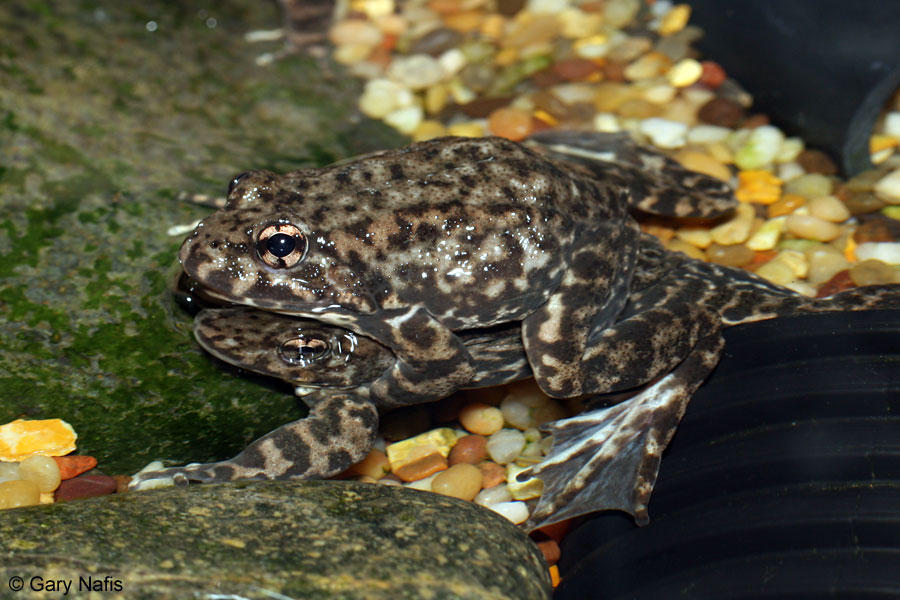
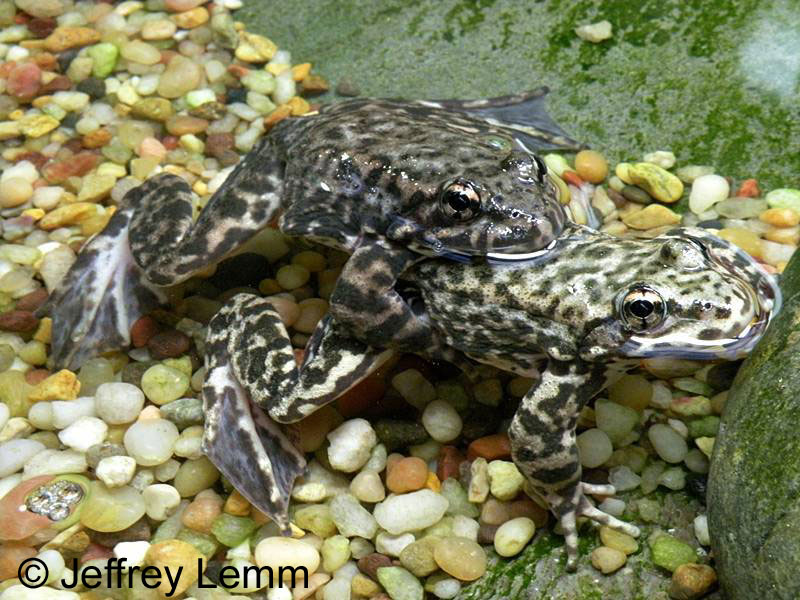
| Pair of amplexing adults, part of the captive breeding program at the San Diego Zoo's Center for Conservation and Research for Endangered Species, courtesy of Jeffrey M. Lemm. © Gary Nafis |
Amplexing adults, part of the captive breeding program at the San Diego Zoo's Center for Conservation and Research for Endangered Species. © Jeffrey M. Lemm |
Pair of adults in amplexus, Tulare County © Isaac Chellman |
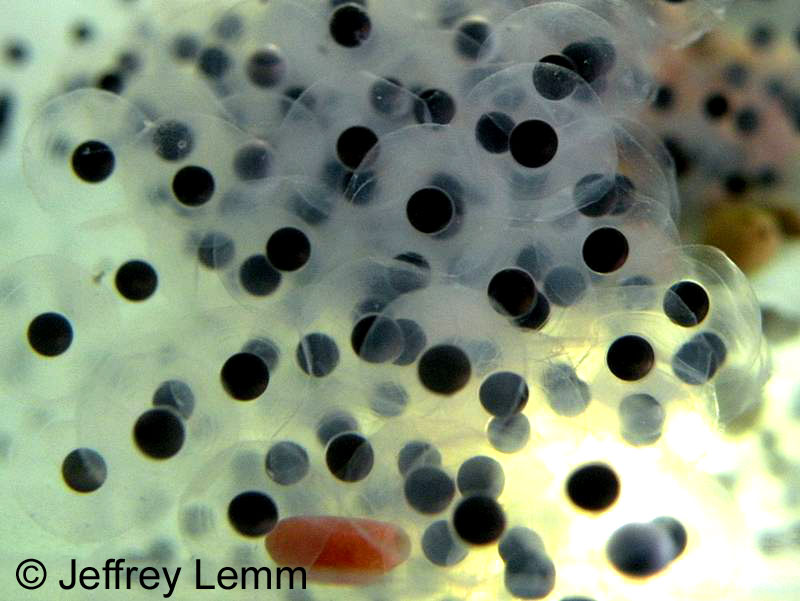
Eggs, close-up, part of the captive breeding program at the San Diego Zoo's Center for Conservation and Research for Endangered Species. © Jeffrey M. Lemm |
||||||||||||||||||||||||||||||||||||||||||||||||
 |
 |
 |
|||||||||||||||||||||||||||||||||||||||||||||||||
| Adult and tadpole, San Gabriel Mountains, Los Angeles County © Chris DeGroof |
Immature tadpole, San Gabriel Mountains, Los Angeles County © Chris DeGroof |
Transforming tadpole underwater, San Gabriel Mountains, Los Angeles County | |||||||||||||||||||||||||||||||||||||||||||||||||
| Habitat | |||||||||||||||||||||||||||||||||||||||||||||||||||
 |
 |
 |
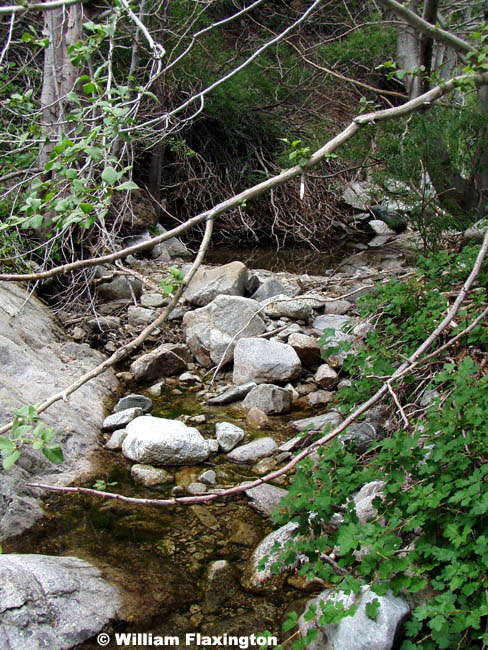 |
||||||||||||||||||||||||||||||||||||||||||||||||
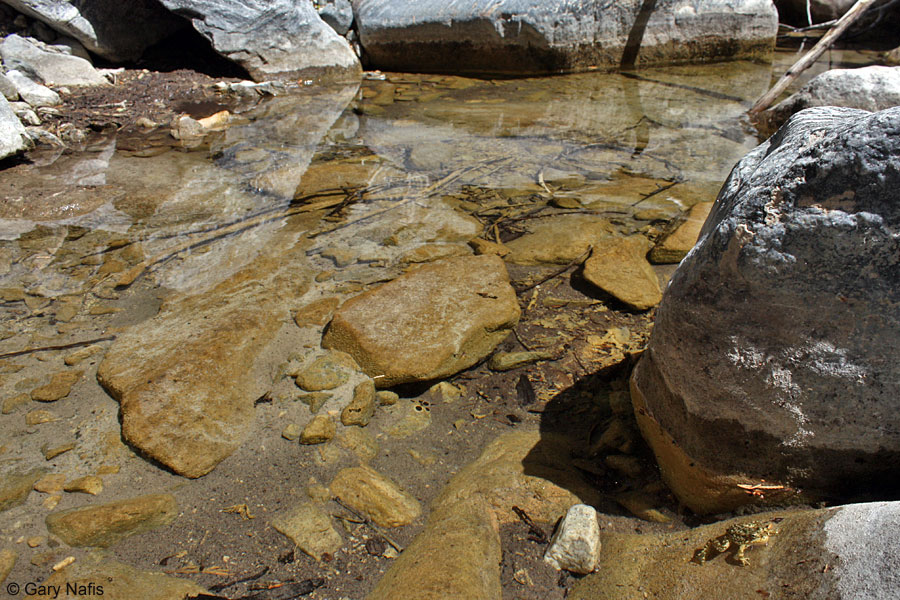
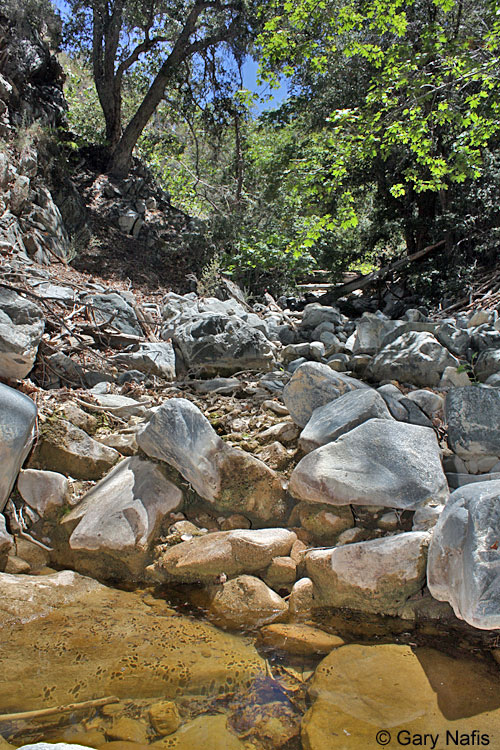
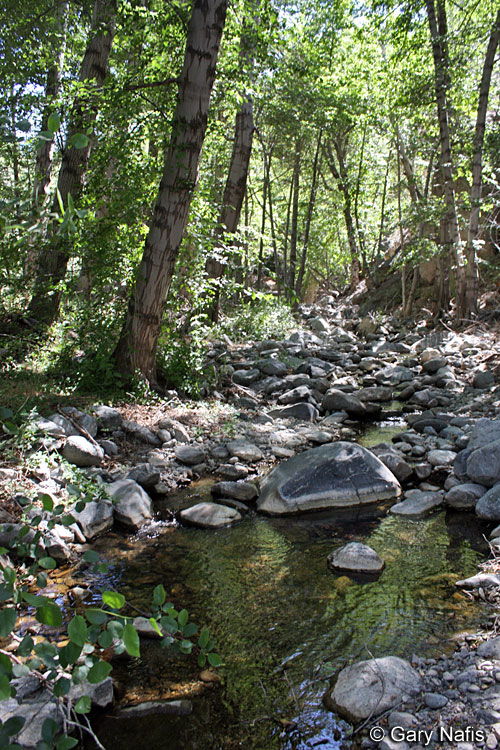
| Habitat, 5,100 ft., San Gabriel Mountains, Los Angeles County |
Habitat, 5,200 ft., San Gabriel Mountains, Los Angeles County |
Habitat, 5,000 ft., San Gabriel Mountains, Los Angeles County |
Habitat, San Gabriel Mountains, Los Angeles County © William Flaxington | ||||||||||||||||||||||||||||||||||||||||||||||||
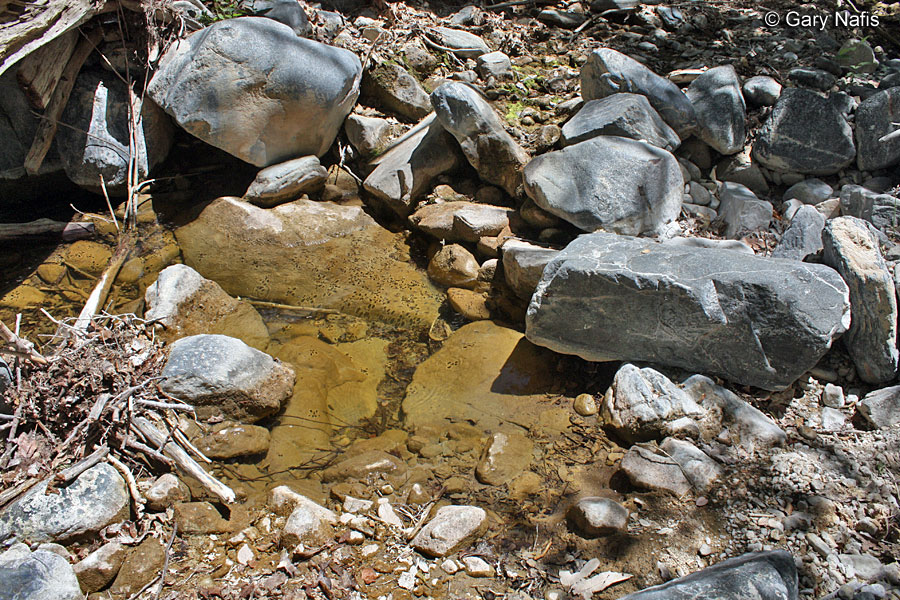 |
 |
 |
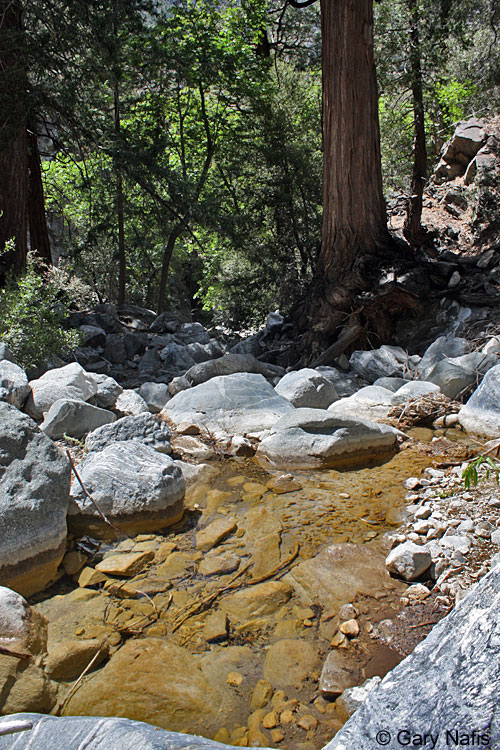 |
||||||||||||||||||||||||||||||||||||||||||||||||
| Habitat, 5,100 ft., San Gabriel Mountains, Los Angeles County | Habitat, 5,600 ft., Mt. San Jacinto, Riverside County | Habitat, Mt. San Jacinto, Riverside County |
Habitat, 5,300 ft., San Gabriel Mountains, Los Angeles County |
||||||||||||||||||||||||||||||||||||||||||||||||
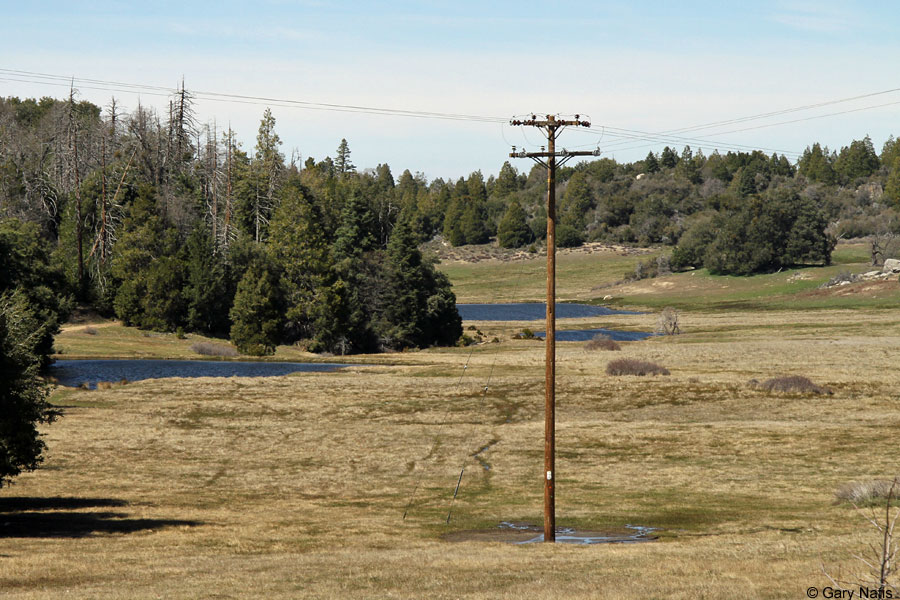 |
 |
 |
|||||||||||||||||||||||||||||||||||||||||||||||||
| According to museum records Rana muscosa once inhabited this area high up Palomar Mountain in San Diego County |
Adults in habitat, Tulare County © Isaac Chellman |
Adult in habitat, Fresno County © Isaac Chellman |
|||||||||||||||||||||||||||||||||||||||||||||||||
 |
 |
 |
|||||||||||||||||||||||||||||||||||||||||||||||||
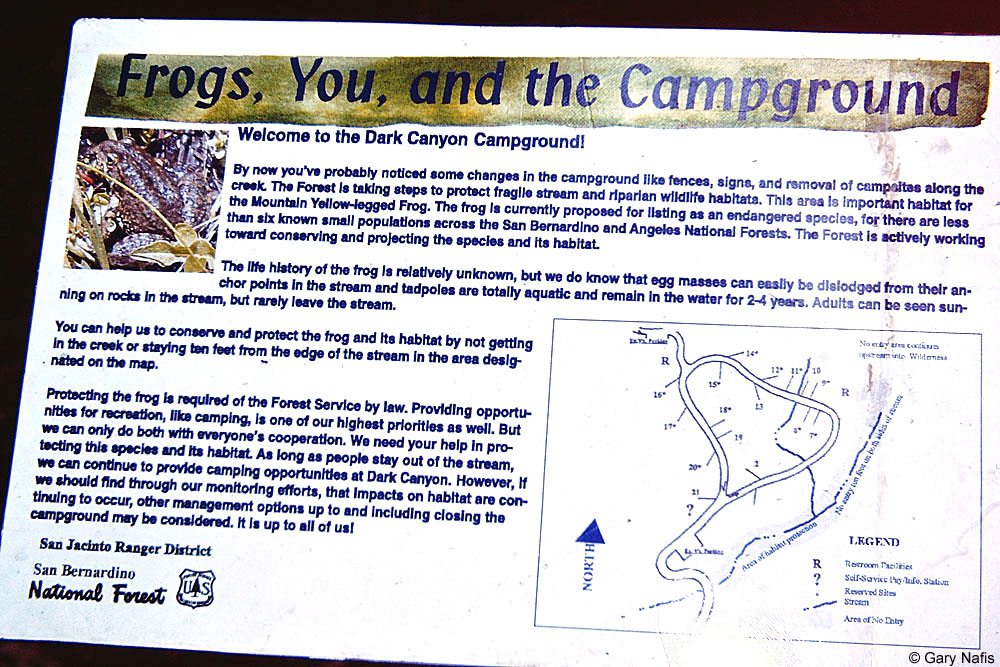
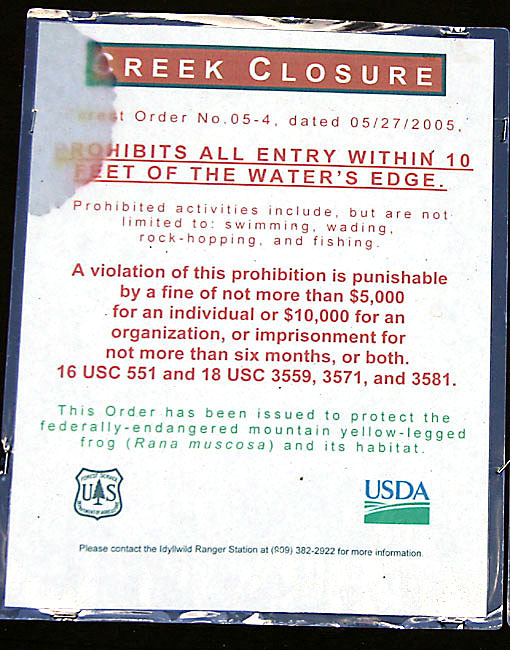
| National Forest Service signs detailing the attempt to protect a small struggling population of Southern California Mountain Yellow-legged Frogs on Mt. San Jacinto, Riverside County |
|||||||||||||||||||||||||||||||||||||||||||||||||||
| Short Videos | |||||||||||||||||||||||||||||||||||||||||||||||||||
 |
 |
 |
|||||||||||||||||||||||||||||||||||||||||||||||||
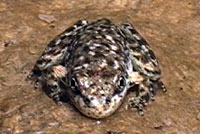
| Some of the few last remaining juvenile and adult Southern Mountain Yellow-legged Frogs in a small creek on a sunny summer day in the San Gabriel Mountains. | |||||||||||||||||||||||||||||||||||||||||||||||||||
|
|||||||||||||||||||||||||||||||||||||||||||||||||||
|
|||||||||||||||||||||||||||||||||||||||||||||||||||

|
The following conservation status listings for this animal are taken from the July 2025 State of California Special Animals List and the July 2025 Federally Listed Endangered and Threatened Animals of California list (unless indicated otherwise below.) Both lists are produced by multiple agencies every year, and sometimes more than once per year, so the conservation status listing information found below might not be from the most recent lists, but they don't change a great deal from year to year.. To make sure you are seeing the most recent listings, go to this California Department of Fish and Wildlife web page where you can search for and download both lists: https://www.wildlife.ca.gov/Data/CNDDB/Plants-and-Animals. A detailed explanation of the meaning of the status listing symbols can be found at the beginning of the two lists. For quick reference, I have included them on my Special Status Information page. If no status is listed here, the animal is not included on either list. This most likely indicates that there are no serious conservation concerns for the animal. To find out more about an animal's status you can also go to the NatureServe and IUCN websites to check their rankings. Check the current California Department of Fish and Wildlife sport fishing regulations to find out if this animal can be legally pursued and handled or collected with possession of a current fishing license. You can also look at the summary of the sport fishing regulations as they apply only to reptiles and amphibians that has been made for this website. Special Animals List Notes: Both federally recognized Distinct Population Segments (DPS) of the mountain yellow-legged frog (Rana muscosa) are currently Endangered (2021). The mountain yellow-legged frog – northern DPS is known from the southern Sierra Nevada; the mountain yellow-legged frog – southern DPS is known from the Transverse Ranges. Endangered and Threatened Animals List Notes: Though the scientific name Rana muscosa is not disputed, the State uses this common name, whereas the USFWS listing refers to two distinct population segments. This species is also known by the common name Sierra Madre yellow-legged frog (Vredenburg et al. 2007). |
|||
| Organization | Status Listing | Notes | |
| NatureServe Global Ranking | G1 | Critically Imperiled. | |
| NatureServe State Ranking | S1 | Critically imperiled | |
| U.S. Endangered Species Act (ESA) | FE | Two separate populations are listed as Federally Endangered Southern California DPS (San Gabriel, San Jacinto, and San Bernardino Mountains only) Endangered -8/1/2002 Northern California DPS (North of the Tehachapi Mountains from the Monarch Divide to portions of the Kern River drainage.) Endangered - 6/30/2014 |
|
| California Endangered Species Act (CESA) | SE | Listed as Endangered 4/1/2013 | |
| California Department of Fish and Wildlife | WL | Watch List | |
| Bureau of Land Management | None | ||
| USDA Forest Service | S | Sensitive | |
| IUCN | EN | Endangered | |
|
|
|||
Return to the Top
© 2000 -