
A Guide to the Amphibians
and Reptiles of California
Click on a picture for a larger view
Gophersnake - Pituophis catenifer
Pacific Gophersnake - Pituophis catenifer catenifer
(Blainville, 1835)(= Pacific Gopher Snake)
Description • Taxonomy • Original Citation • Scientific Name • Alt. Names • Similar Herps • References • Conservation Status

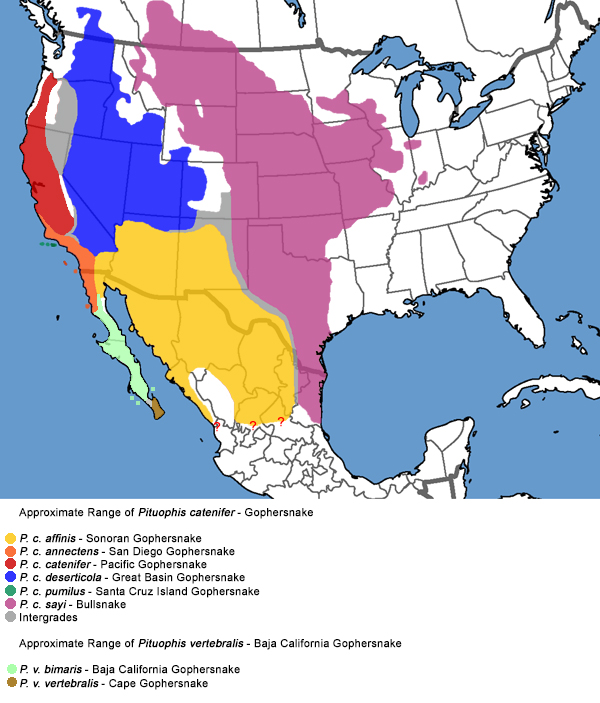
Red: Range of this subspecies in California
Pituophis catenifer catenifer - Pacific Gophersnake
Range of other subspecies in California:
Purple: Pituophis catenifer affinis - Sonoran Gophersnake
Orange: Pituophis catenifer annectens -
San Diego Gophersnake
Dark Blue: Pituophis catenifer deserticola - Great Basin Gophersnake
Light Green: Pituophis catenifer pumilus -
Santa Cruz Island Gophersnake
Gray: General area of intergradation
Click on the map for a topographical view
Map with California County Names
Pituophis catenifer catenifer - Pacific Gophersnake
Range of other subspecies in California:
Purple: Pituophis catenifer affinis - Sonoran Gophersnake
Orange: Pituophis catenifer annectens -
San Diego Gophersnake
Dark Blue: Pituophis catenifer deserticola - Great Basin Gophersnake
Light Green: Pituophis catenifer pumilus -
Santa Cruz Island Gophersnake
Gray: General area of intergradation
Click on the map for a topographical view
Map with California County Names

Listen to a Gophersnake
hissing defensively

 |
|||||||||||||||||||||||||||||||||||||||||||||||||||||||
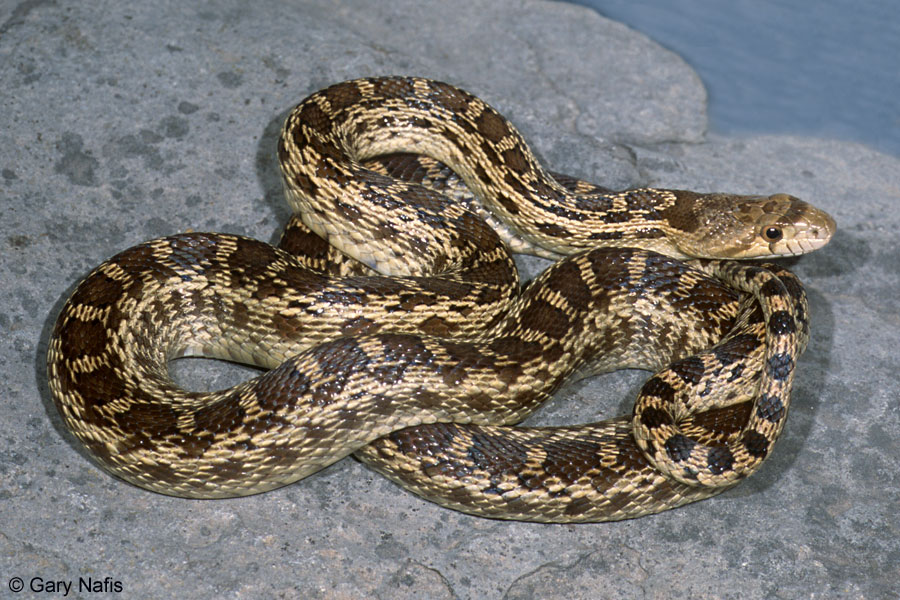
| Adult, Merced County © Jennifer Rycenga | |||||||||||||||||||||||||||||||||||||||||||||||||||||||
 |
 |
 |
 |
||||||||||||||||||||||||||||||||||||||||||||||||||||
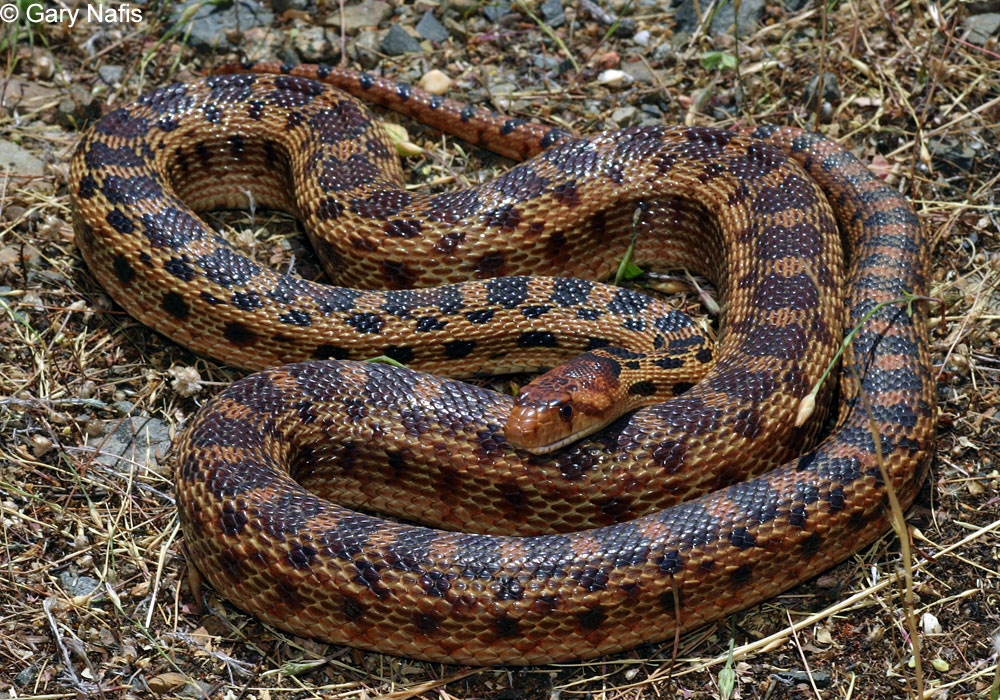
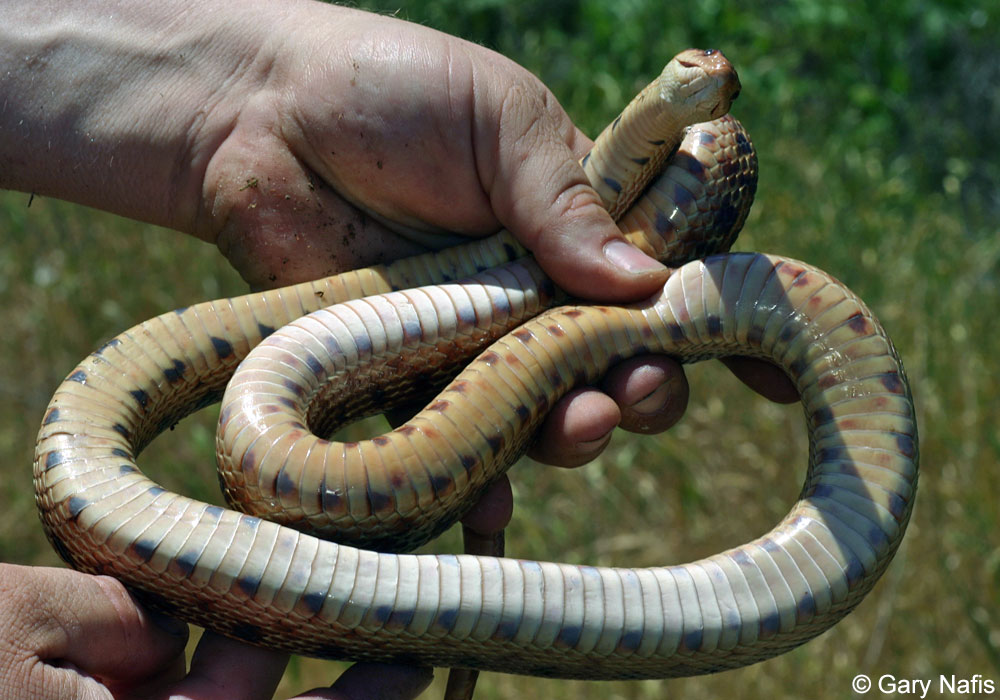
| Adult, Alameda County, eastern foothills of Coast Range. | Adult in defensive posture, coastal San Mateo County |
Adult, San Luis Obispo County | Adult, Marin County | ||||||||||||||||||||||||||||||||||||||||||||||||||||
 |
 |
 |
 |
||||||||||||||||||||||||||||||||||||||||||||||||||||
| Adult, Yuba County, Sierra Nevada foothills. | Adult, Alameda County | ||||||||||||||||||||||||||||||||||||||||||||||||||||||
 |
 |
 |
 |
||||||||||||||||||||||||||||||||||||||||||||||||||||
| Adult, Central Valley, Western Kern County | Adult, San Benito County mountains. | ||||||||||||||||||||||||||||||||||||||||||||||||||||||
 |
 |
 |
 |
||||||||||||||||||||||||||||||||||||||||||||||||||||
| Adult, Monterey County © Benjamin German |
Adult, San Benito County | Adult with a lot of red coloring, El Dorado County © Richard Porter |
|||||||||||||||||||||||||||||||||||||||||||||||||||||
 |
 |
 |
 |
||||||||||||||||||||||||||||||||||||||||||||||||||||
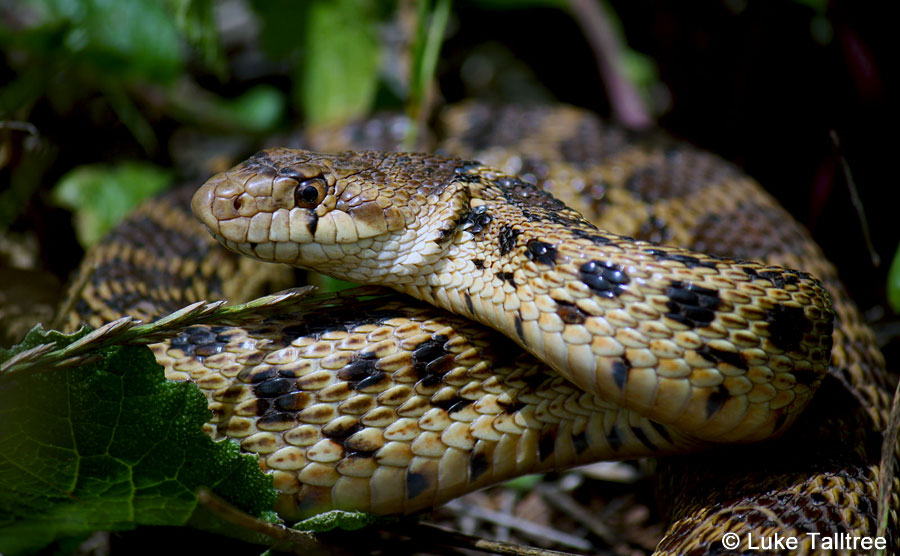
| Adult with a pale face, Santa Clara County © Holly Lane | Adult, San Francisco County © Luke Talltree |
||||||||||||||||||||||||||||||||||||||||||||||||||||||
 |
 |
 |
 |
||||||||||||||||||||||||||||||||||||||||||||||||||||
| Adult, Clear Lake, Lake County | Adult, Kings County © Patrick Briggs | Adult, El Dorado County © Tyler Young |
|||||||||||||||||||||||||||||||||||||||||||||||||||||
 |
 |
 |
 |
||||||||||||||||||||||||||||||||||||||||||||||||||||
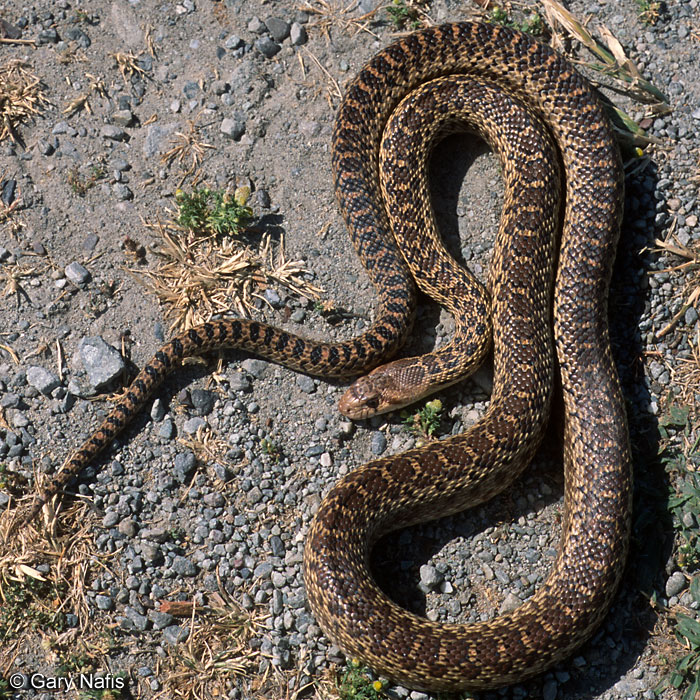
| Adult, Marin County | Adult, Santa Clara County © Zachary Lim |
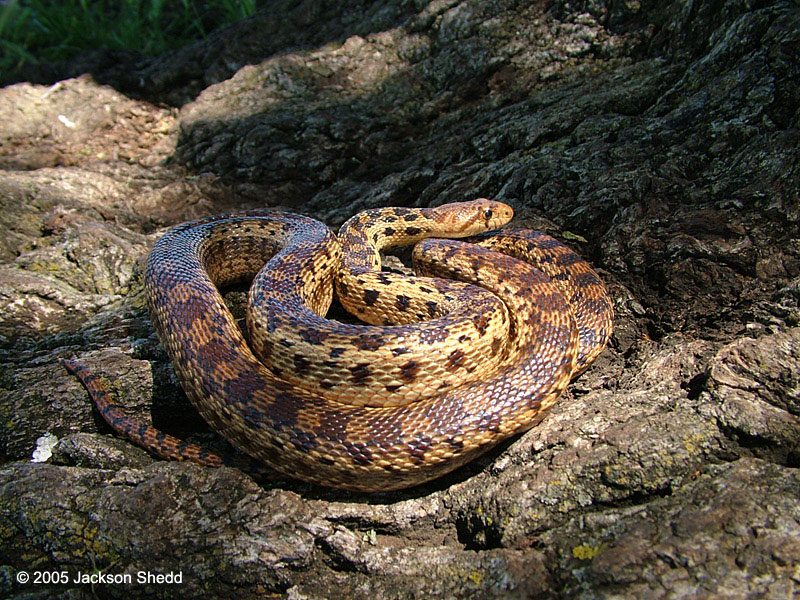
Adult, Butte County © Jackson Shedd |
|||||||||||||||||||||||||||||||||||||||||||||||||||||
 |
 |
 |
 |
||||||||||||||||||||||||||||||||||||||||||||||||||||
| This adult was found tightly squeezed into a small space beneath a rock in lower Kern Canyon, Kern County. | Adult, Del Norte County © Alan Barron | ||||||||||||||||||||||||||||||||||||||||||||||||||||||
 |
 |
 |
 |
||||||||||||||||||||||||||||||||||||||||||||||||||||
| This large adult was seen swimming on a lake in Sacramento County. | Adult, Solano County © Lou Silva | Adult from the Berkeley Marina, Alameda County © Martin Nicolaus | |||||||||||||||||||||||||||||||||||||||||||||||||||||
 |
 |
 |
 |
||||||||||||||||||||||||||||||||||||||||||||||||||||
| Adult, Fresno County © Patrick Briggs | Adult, Kings County © Patrick Briggs | Adult, Kings County © Patrick Briggs | |||||||||||||||||||||||||||||||||||||||||||||||||||||
 |
 |
 |
 |
||||||||||||||||||||||||||||||||||||||||||||||||||||
| Adult, Kern County © Ryan Sikola | Adult, Kern County © Ryan Sikola | Adult, Bernal Heights, San Francisco County © Laurel Rose. (It's nice to see that gophersnakes still inhabit some of the islands of open space in the city.) |
|||||||||||||||||||||||||||||||||||||||||||||||||||||
 |
 |
 |
 |
||||||||||||||||||||||||||||||||||||||||||||||||||||
| This dead snake was found on a hiking trail in Santa Clara County where several other dead snakes were found in a similar condition - they appeared to have eaten a very large meal then died. That is not likely given just how bloated the snake looks throughout its body What happened is a mystery that has not yet been solved. © James Hewitt | This adult snake from Colusa County has orange markings. You can see a more normal brown-colored snake that was found next to it. | Adult, Sacramento County © Marcus Rehrman |
|||||||||||||||||||||||||||||||||||||||||||||||||||||
 |
 |
 |
 |
||||||||||||||||||||||||||||||||||||||||||||||||||||
| Adult, Yolo County © Belinda Sikes | Adult, Santa Clara County © Clay Foster | Adult, Santa Clara County © Yuval Helfman |
Adult, Kings County © Patrick Briggs | ||||||||||||||||||||||||||||||||||||||||||||||||||||
 |
 |
 |
 |
||||||||||||||||||||||||||||||||||||||||||||||||||||
| Adult with a lot of red coloring, Santa Clara County © Faris K | Adult, Santa Clara County © Yuval Helfman |
Adult defensive display, Santa Clara County © Yuval Helfman | Adult, hissing and striking defensively, Santa Clara County © Yuval Helfman | ||||||||||||||||||||||||||||||||||||||||||||||||||||
 |
 |
 |
|||||||||||||||||||||||||||||||||||||||||||||||||||||
| Adult with a lot of yellow, Santa Clara County © Yuval Helfman |
Left: adult Pacific Gophersnake Right: adult Delta morph California Kingsnake Merced County © Emile Bado |
Gophersnakes have large keeled scales on the upper body. | |||||||||||||||||||||||||||||||||||||||||||||||||||||
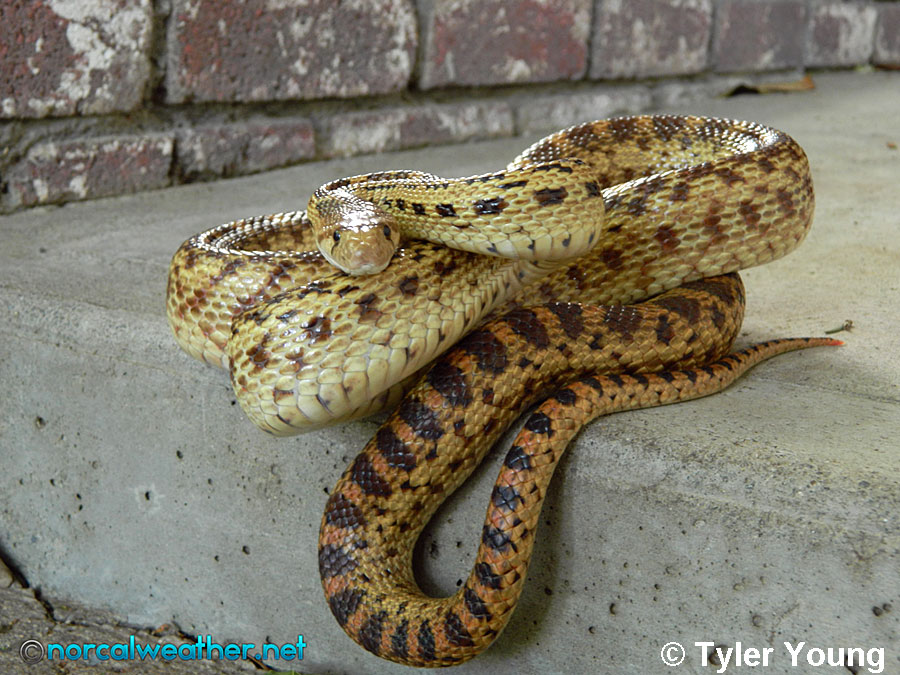
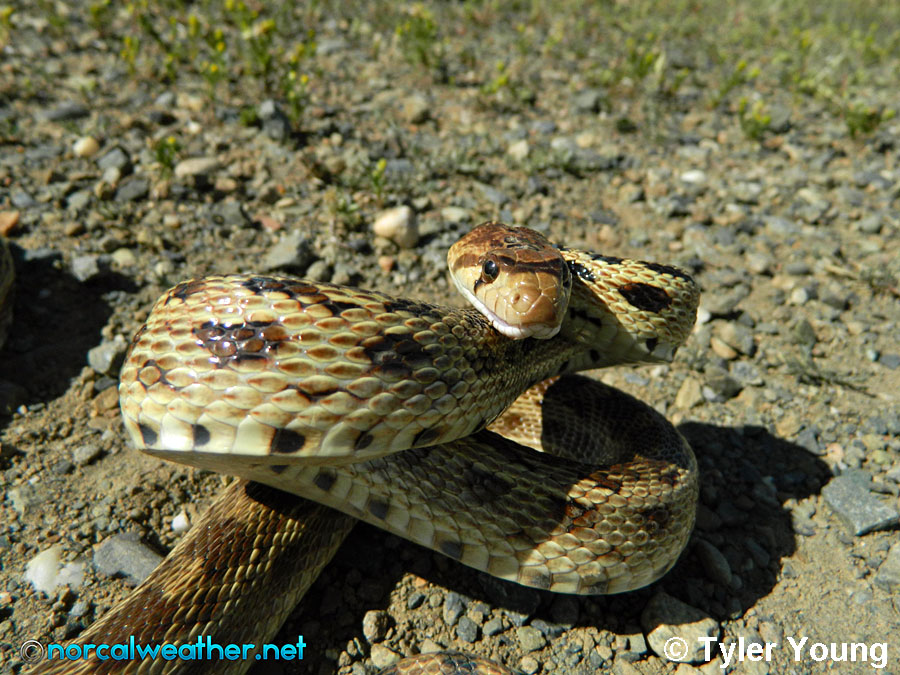
| Gophersnakes in Defensive Poses (Showing why they are sometimes confused with Rattlesnakes) |
|||||||||||||||||||||||||||||||||||||||||||||||||||||||
 |
 |
 |
 |
||||||||||||||||||||||||||||||||||||||||||||||||||||
| Adult, El Dorado County © Tyler Young |
Adult, Tulare County © Donna Noce | Defensive adult, El Dorado County. Notice the head flattened into a triangular shape. © Tyler Young | |||||||||||||||||||||||||||||||||||||||||||||||||||||
 |
 |
 |
 |
||||||||||||||||||||||||||||||||||||||||||||||||||||
| Adult in defensive pose with head enlarged in a triangular shape, San Benito County © Judith Ogus |
Adult in defensive pose, El Dorado County © Tyler Young |
Adult in defensive pose, Kings County © Patrick Briggs |
|||||||||||||||||||||||||||||||||||||||||||||||||||||
 |
 |
||||||||||||||||||||||||||||||||||||||||||||||||||||||
| Adult in defensive pose, Santa Clara County © Yuval Helfman | Juvenile in defensive pose, Santa Clara County Yuval Helfman | ||||||||||||||||||||||||||||||||||||||||||||||||||||||
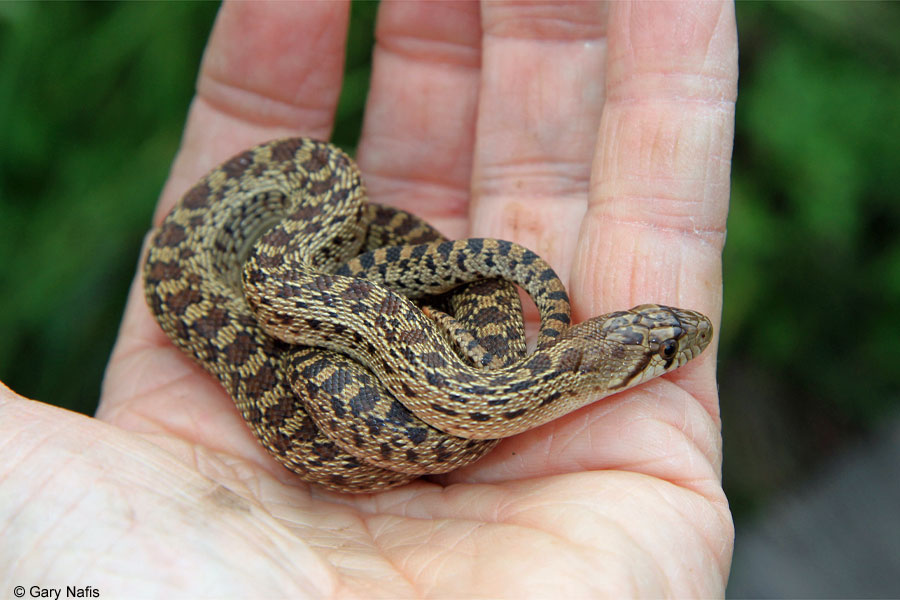
| Juveniles | |||||||||||||||||||||||||||||||||||||||||||||||||||||||
 |
|||||||||||||||||||||||||||||||||||||||||||||||||||||||
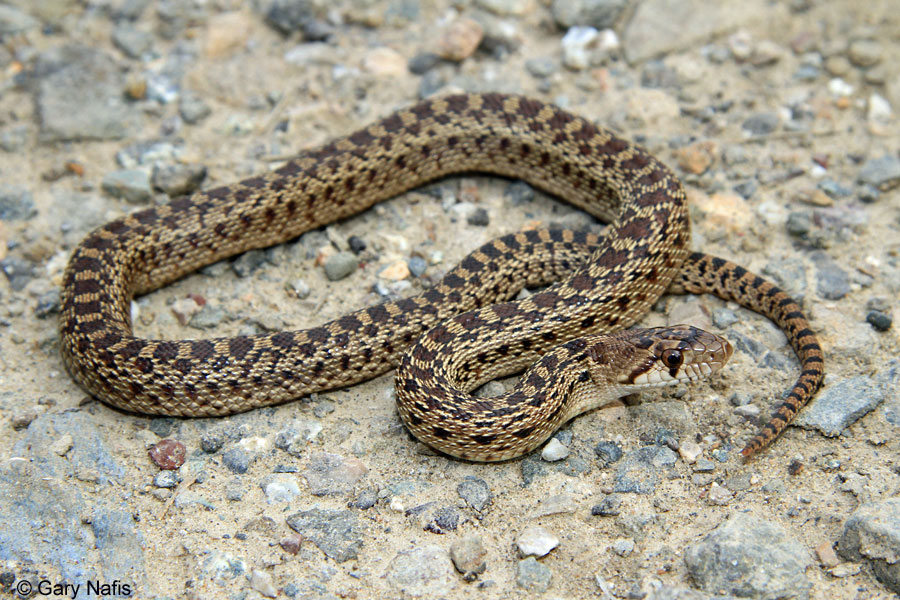
| Sub-adult, San Luis Obispo County | |||||||||||||||||||||||||||||||||||||||||||||||||||||||
 |
 |
 |
 |
||||||||||||||||||||||||||||||||||||||||||||||||||||
| Juvenile, Kern Plateau, Kern County | Juvenile, East Bay Hills, Contra Costa County |
Juvenile, Alameda County | |||||||||||||||||||||||||||||||||||||||||||||||||||||
 |
 |
 |
 |
||||||||||||||||||||||||||||||||||||||||||||||||||||
| Sub-adult in habitat, San Luis Obispo County | Juvenile, Contra Costa County | ||||||||||||||||||||||||||||||||||||||||||||||||||||||
 |
 |
 |
 |
||||||||||||||||||||||||||||||||||||||||||||||||||||
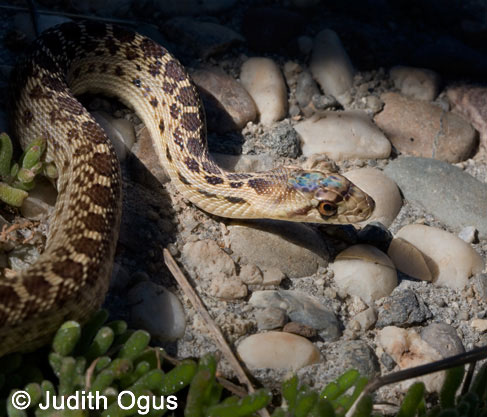
| Juvenile, San Benito County © Judith Ogus |
Merced County Juvenile in a defensive position, with a flattened, triangular head © Tim Iddings | Juvenile, Contra Costa County | Yearling found at about 5500' elevation in Tuolumne County © Adam Gitmed | ||||||||||||||||||||||||||||||||||||||||||||||||||||
 |
|||||||||||||||||||||||||||||||||||||||||||||||||||||||
| Juvenile, Santa Clara County © Yuval Helfman | |||||||||||||||||||||||||||||||||||||||||||||||||||||||
 |
|||||||||||||||||||||||||||||||||||||||||||||||||||||||
| Juvenile, Santa Clara County © Yuval Helfman | |||||||||||||||||||||||||||||||||||||||||||||||||||||||
 |
|
 |
|||||||||||||||||||||||||||||||||||||||||||||||||||||
| Juvenile, Santa Clara County © Yuval Helfman |
Juvenile, San Luis Obispo County | Juvenile, Santa Clara County © Yuval Helfman | |||||||||||||||||||||||||||||||||||||||||||||||||||||
Unusual Patterns and Colors |
|||||||||||||||||||||||||||||||||||||||||||||||||||||||
| Striped, Patternless, and Hybrid Pacific Gopher Snakes | |||||||||||||||||||||||||||||||||||||||||||||||||||||||
 |
 |
 |
 |
||||||||||||||||||||||||||||||||||||||||||||||||||||
| Adult, striped phase, Solano County, © Gary Nafis Specimen courtesy of Rick Staub |
Adult, Yolo County © Zachary Lim | ||||||||||||||||||||||||||||||||||||||||||||||||||||||
 |
 |
 |
 |
||||||||||||||||||||||||||||||||||||||||||||||||||||
| Adult, striped phase, Sonoma County © Edgar Ortega | Juvenile, striped phase, Solano County © John Stephenson |
Striped adult, Solano County © Lou Silva | |||||||||||||||||||||||||||||||||||||||||||||||||||||
 |
 |
 |
 |
||||||||||||||||||||||||||||||||||||||||||||||||||||
| Solano County © Mike Spencer | Adult, Napa County © Edgar Ortega | A striped adult in Solano County © Richard Porter |
|||||||||||||||||||||||||||||||||||||||||||||||||||||
 |
 |
 |
 |
||||||||||||||||||||||||||||||||||||||||||||||||||||
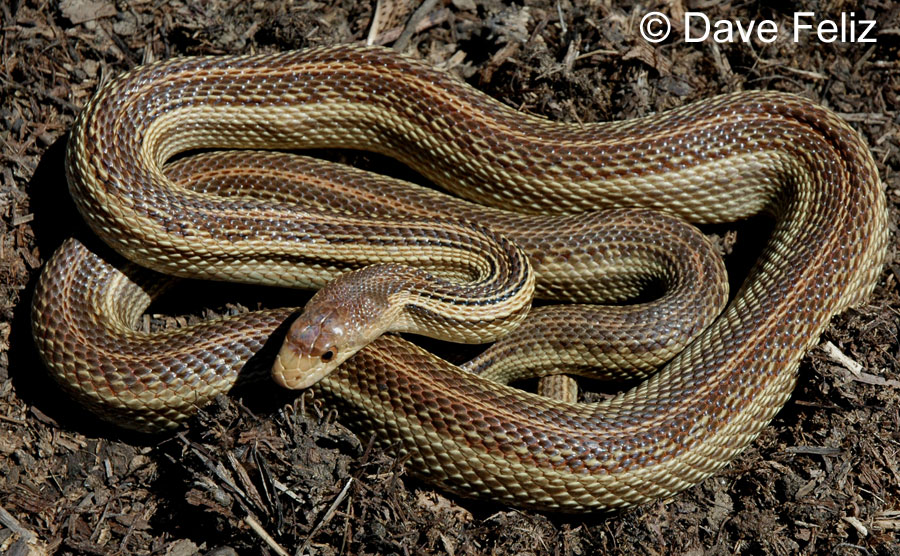
| A patternless adult found in Santa Cruz County © Luke Talltree | Striped adult, Yolo County. © Dave Feliz |
||||||||||||||||||||||||||||||||||||||||||||||||||||||
 |
 |
 |
 |
||||||||||||||||||||||||||||||||||||||||||||||||||||
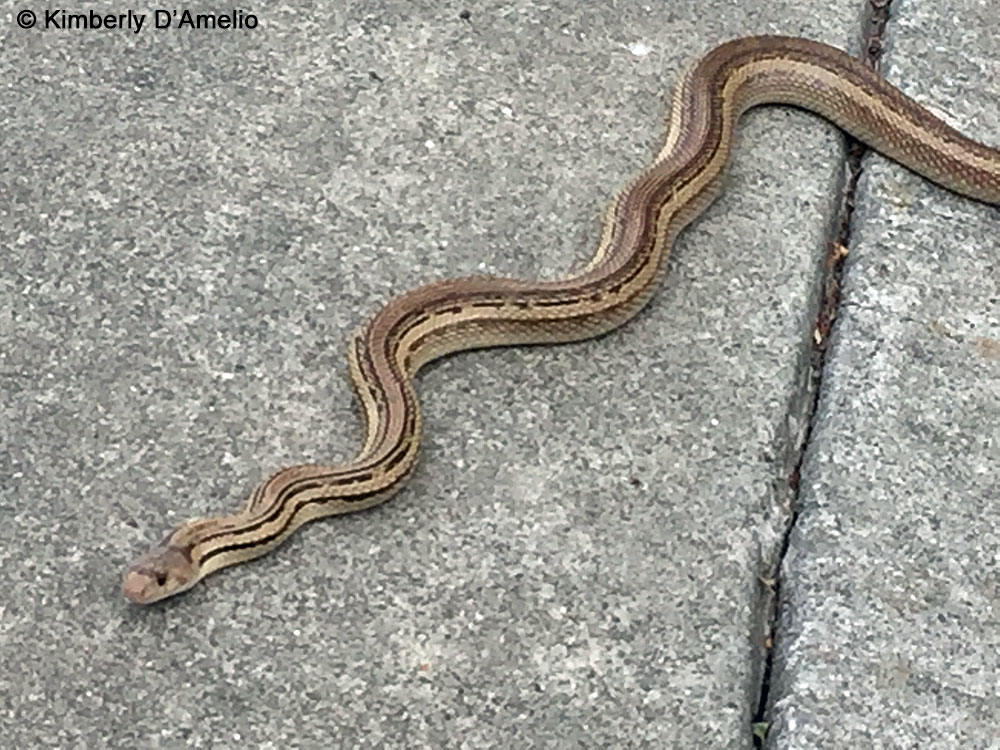
| This striped adult from Solano County has a reddish tail tip that could illustrate the reason for the myth that snakes have a stinger on the end of their tail. © Kimberly D'Amelio | Striped juvenile, Yolo County © Dave Feliz |
||||||||||||||||||||||||||||||||||||||||||||||||||||||
 |
 |
 |
 |
||||||||||||||||||||||||||||||||||||||||||||||||||||
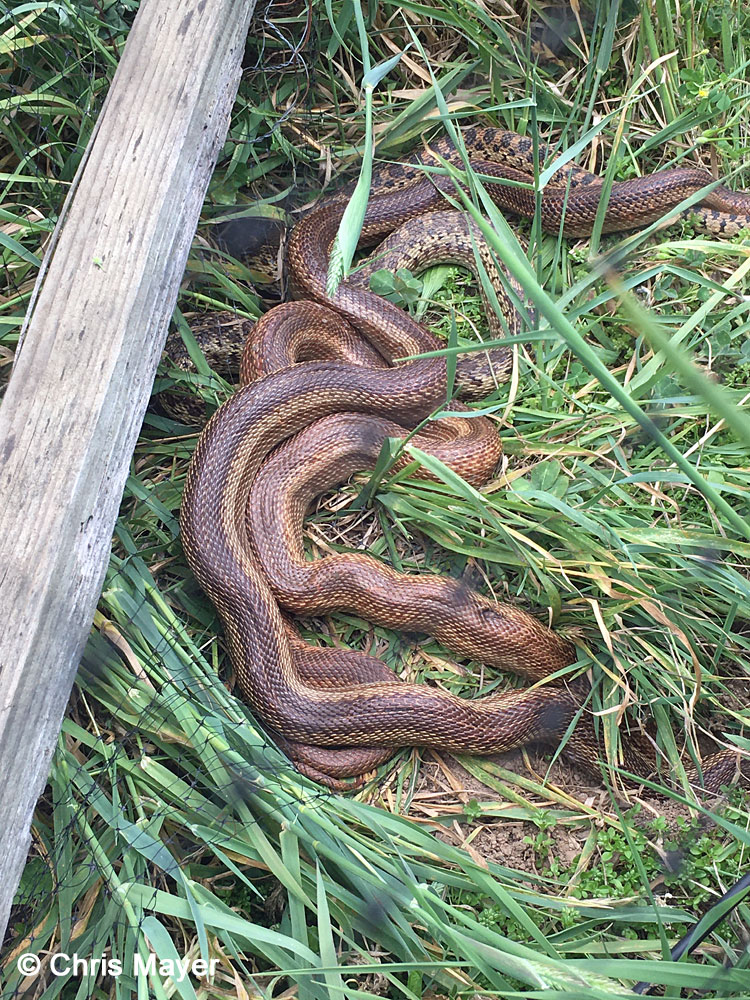
| © Chris Mayer. These three Pacific Gophersnakes were found in early May in Napa County, caught in some garden netting. All three were found alive and cut free. Two of the snakes are the striped morph and it appears the blotched morph snake is mating with one of them. |
Pale, striped Adult, Yolo County © Michael Sutcliffe |
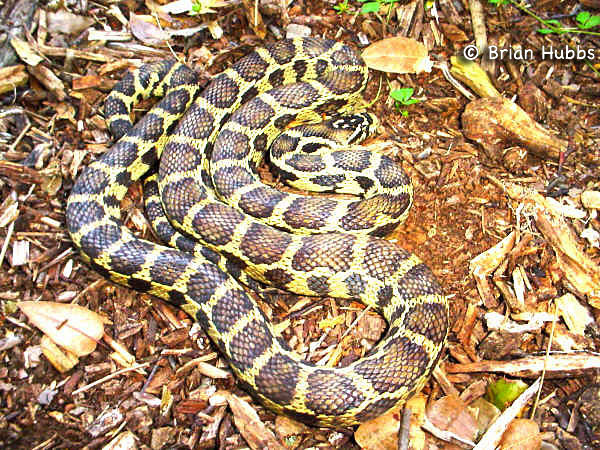
This strange looking snake is probably a cross between a California Kingsnake and a Pacific Gophersnake. It was found in the wild in Yolo County by Steven Hinds. Photo © 2005 Brian Hubbs | |||||||||||||||||||||||||||||||||||||||||||||||||||||
Pacific Gopher Snakes with Unusual Pigmentation |
|||||||||||||||||||||||||||||||||||||||||||||||||||||||
 |
 |
 |
|||||||||||||||||||||||||||||||||||||||||||||||||||||
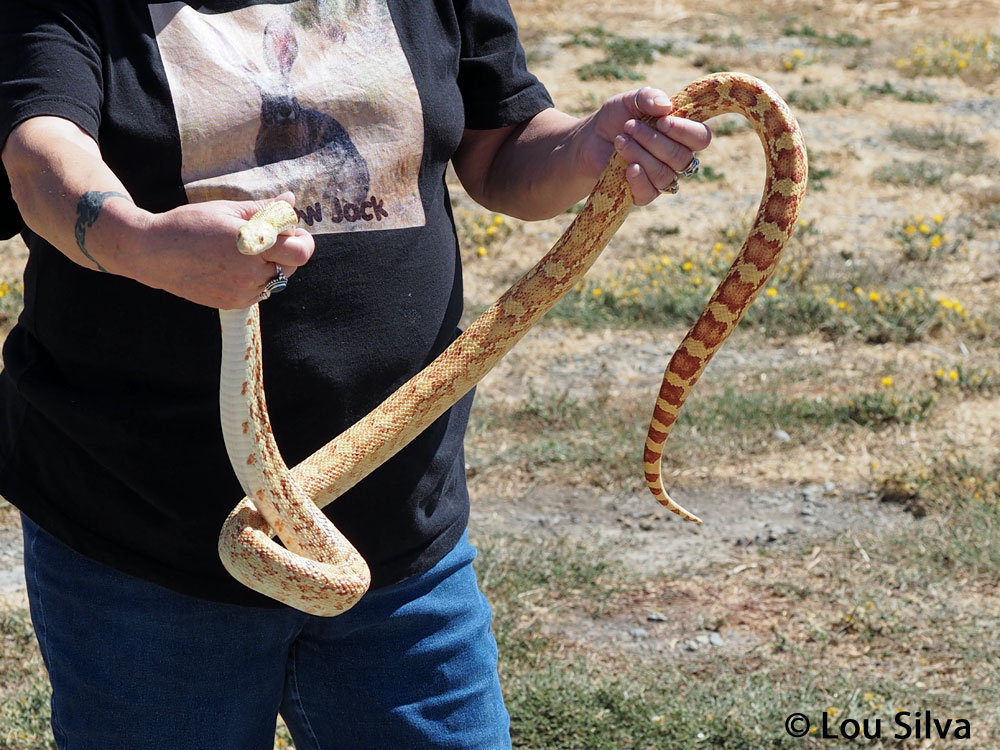
| Albino juvenile observed in Napa County © Star Creek Farm, Napa County | |||||||||||||||||||||||||||||||||||||||||||||||||||||||
 |
 |
 |
 |
||||||||||||||||||||||||||||||||||||||||||||||||||||
| Albino adult, Solano County © Lou Silva | Apparently axanthic juvenile intergrade gophersnake with no brown, tan, or yellow coloring.Found in Lassen County east of Susanville. © Don Cain |
||||||||||||||||||||||||||||||||||||||||||||||||||||||
 |
 |
 |
|||||||||||||||||||||||||||||||||||||||||||||||||||||
| This San Mateo County juvenile appears to be amelanistic - missing its black coloring. | An adult which is missing black pigment and might be albino. Placer County © Terrence Howe |
||||||||||||||||||||||||||||||||||||||||||||||||||||||
 |
|||||||||||||||||||||||||||||||||||||||||||||||||||||||
| Albino adult found in a yard in Santa Clara County © Anonymous | |||||||||||||||||||||||||||||||||||||||||||||||||||||||
| Gophersnakes From Intergrade Areas | |||||||||||||||||||||||||||||||||||||||||||||||||||||||
 |
 |
 |
 |
||||||||||||||||||||||||||||||||||||||||||||||||||||
| Adult from Lassen County intergrade area where P. c. catenifer intergrades with P. c. deserticola. © Debra Frost |
Adult from Lassen County intergrade area where P. c. catenifer intergrades with P. c. deserticola. © Debra Frost |
Adult from Lassen County intergrade area where P. c. catenifer intergrades with P. c. deserticola. © Debra Frost |
Adult from Kern County intergrade area where P. c. catenifer intergrades with P. c. deserticola © Patrick Briggs |
||||||||||||||||||||||||||||||||||||||||||||||||||||
 |
 |
 |
 |
||||||||||||||||||||||||||||||||||||||||||||||||||||
| Adult from Kern County intergrade area where P. c. catenifer intergrades with P. c. deserticola © Patrick Briggs |
Adult, from Tule Lake, Siskiyou county, where P. c. catenifer intergrades with P. c. deserticola. | ||||||||||||||||||||||||||||||||||||||||||||||||||||||
 |
 |
 |
|||||||||||||||||||||||||||||||||||||||||||||||||||||
| Adult, from Tule Lake, Siskiyou county, where P. c. catenifer intergrades with P. c. deserticola. | |||||||||||||||||||||||||||||||||||||||||||||||||||||||
 |
 |
 |
|||||||||||||||||||||||||||||||||||||||||||||||||||||
| Adult, Modoc County © Max Roberts | Adult from Kern County intergrade area where P. c. catenifer intergrades with P. c. deserticola © Patrick Briggs |
||||||||||||||||||||||||||||||||||||||||||||||||||||||
| Gophersnakes Feeding and Hunting | |||||||||||||||||||||||||||||||||||||||||||||||||||||||
 |
 |
 |
 |
||||||||||||||||||||||||||||||||||||||||||||||||||||
| Juvenile Pacific Gophersnake, Mariposa County, eating a Western Fence Lizard © Daniel Harris |
This dead juvenile Pacific Gophersnake was found in Sutter County. It appears to have a leg, but on closer inspection, it is the leg of what is probably an alligator lizard that broke through the snake's side after the snake swallowed it. © Kevin Bryant |
Adult Pacific Gophersnake, Kings County, preparing to eat its namesake mammal - a gopher. © Patrick Briggs | |||||||||||||||||||||||||||||||||||||||||||||||||||||
 |
 |
 |
 |
||||||||||||||||||||||||||||||||||||||||||||||||||||
| Adult Pacific Gophersnake in a bird's nest eating a duck egg, Kings County, © Patrick Briggs |
A juvenile Pacific Gophersnake eating a Coast Range Fence Lizard in Sonoma County © Gérard Menut | Matt Maxon and Johanna Turner were hiking in Big Tujunga Canyon in Los Angeles County when they discovered a large dead rodent that appeared to have been partially swallowed and spit out. (Left) On returning to the same spot about two hours later, they noticed the rodent was gone, and soon discovered a San Diego Gophersnake swallowing it. (Right) Did the snake kill the rodent, attempt to eat it, then spit it out and return later to try again, or was more than one predator involved? We'll never know, but that sure is more than a mouthful. © Matt Maxon and Johanna Turner. |
|||||||||||||||||||||||||||||||||||||||||||||||||||||
 |
 |
||||||||||||||||||||||||||||||||||||||||||||||||||||||
 |
 |
 |
|||||||||||||||||||||||||||||||||||||||||||||||||||||
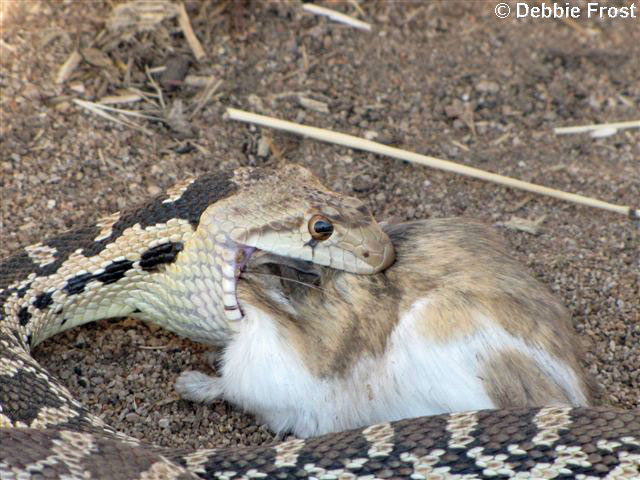
| Debbie Frost saw a Great Basin Gophersnake that had just bred in Lassen County crawl down a hole, and quickly coming back up with a kangaroo rat. The snake then crawled into the shade made by Debbie's shadow and ate while she watched. | |||||||||||||||||||||||||||||||||||||||||||||||||||||||
 |
 |
 |
|||||||||||||||||||||||||||||||||||||||||||||||||||||
| This recently-hatched Pacific Gophersnake was found in a garage in Alameda County in mid November. It was trying to eat a dead and desiccated Western Fence Lizard. © 2018 Cindi Christie/Cyanpixel Photography | A Pacific Gophersnake can be seen hanging down between the boards on a bridge in Sutter County with swallow's nests on its side. The snake was observed slowly moving closer to the nest, dropping down between two boards, waiting for 10 - 15 minutes, then moving back up and dropping down between two different boards closer to the nests and waiting again, as if it might have been waiting to catch a flying adult swallow. (You can see a swallow flying under the bridge on the right.) It might also have been planning on entering the nests to search for eggs or baby birds to eat. © Richard Porter | ||||||||||||||||||||||||||||||||||||||||||||||||||||||
 |
 |
 |
|||||||||||||||||||||||||||||||||||||||||||||||||||||
| © Yuval Helfman This adult gophersnake was observed in Santa Clara County emerging from a cliff swallow nest under the eaves of a building where it was most likely hunting for nestlings. |
© Yuval Helfman Two weeks after the photo to the left was taken, the gophernake is still in the nest on the left. The swallows appear to be avoiding the nest, so the snake probably isn't ambush hunting. It's possible the snake has been resting in the nest while digesting a meal, or maybe it's just having trouble climbing back down since the building is 10-15 foot tall vertical walls. |
||||||||||||||||||||||||||||||||||||||||||||||||||||||
| Gophersnake Predation | |||||||||||||||||||||||||||||||||||||||||||||||||||||||
 |
 |
 |
 |
||||||||||||||||||||||||||||||||||||||||||||||||||||
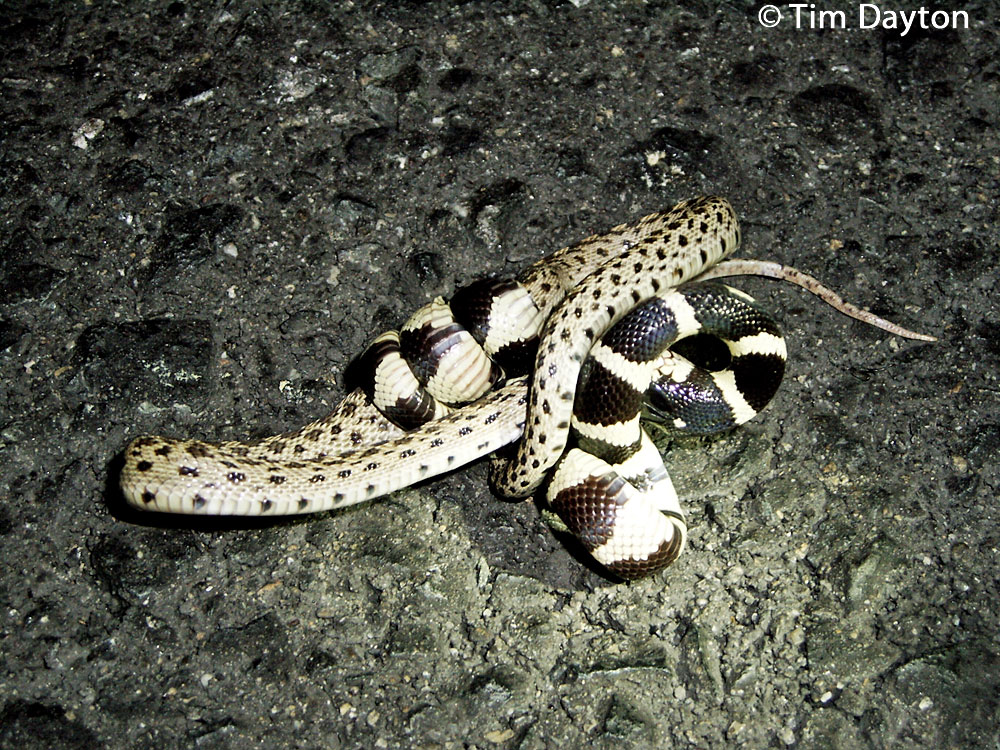
| A California Kingsnake killing a Pacific Gophersnake for dinner in Contra Costa County. © Tim Dayton |
Gophersnakes are sometimes preyed upon by birds of prey, or raptors. Here, a San Diego Gophersnake is carried off by a Red-tailed Hawk in San Luis Obispo County. © Joel A. Germond | ||||||||||||||||||||||||||||||||||||||||||||||||||||||
 |
 |
 |
 |
||||||||||||||||||||||||||||||||||||||||||||||||||||
| This Cooper's Hawk was observed flying out of a bush carrying an adult gophersnake up to a roof in Monterey County. © Wim de Groot | An adult Pacific Gophersnake captured by a Red-tailed Hawk near the ocean in Monterey County. © Diederick de Groot | An adult Pacific Gophersnake captured by a Red-tailed Hawk flying near the ocean in Monterey County. © Wim de Groot | |||||||||||||||||||||||||||||||||||||||||||||||||||||
 |
 |
||||||||||||||||||||||||||||||||||||||||||||||||||||||
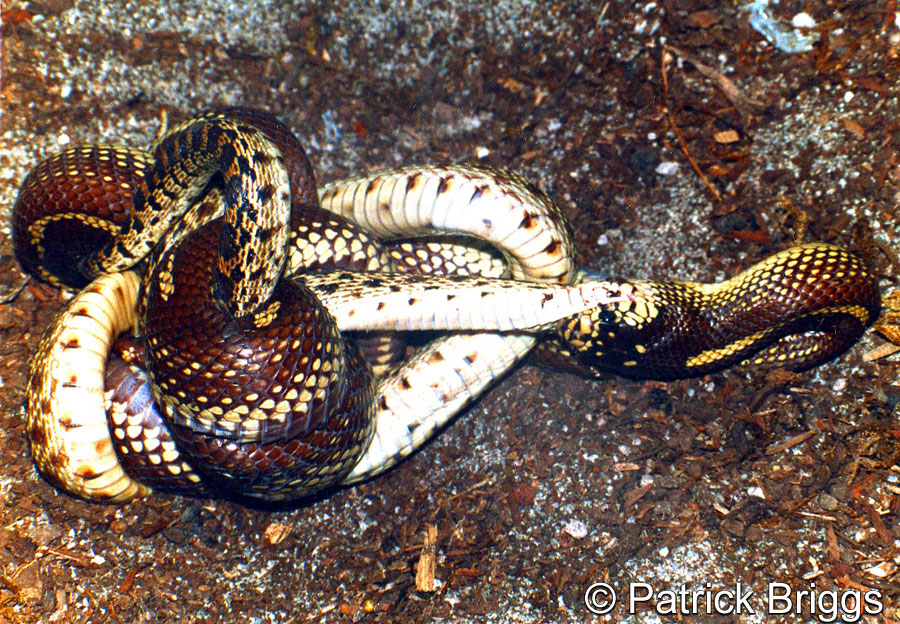
| California Kingsnakes are powerful predators capable of eating other snakes almost as large as they are. Here you can see one eating a Pacific Gophersnake. © Patrick Brigg |
A California Kingsnake eating a Pacific Gophersnake in Santa Clara County © Faris K |
||||||||||||||||||||||||||||||||||||||||||||||||||||||
| Breeding and Young | |||||||||||||||||||||||||||||||||||||||||||||||||||||||
 |
 |
|
|
||||||||||||||||||||||||||||||||||||||||||||||||||||
| Adults breeding, San Benito County © Judith Ogus |
Adults breeding, Marin County © Natalie McNear |
© Chris Mayer. These three Pacific Gophersnakes were found in early May in Napa County. Two are the striped morph. Apparently two of them are engaged in mating, which means the third one is most likely a male that lost out. |
|||||||||||||||||||||||||||||||||||||||||||||||||||||
 |
|||||||||||||||||||||||||||||||||||||||||||||||||||||||
| A Pacific Gophersnake emerging from its egg. © Patrick Briggs |
|||||||||||||||||||||||||||||||||||||||||||||||||||||||
| The Danger of Plastic Netting to Snakes | |||||||||||||||||||||||||||||||||||||||||||||||||||||||
 |
 |
 |
 |
||||||||||||||||||||||||||||||||||||||||||||||||||||
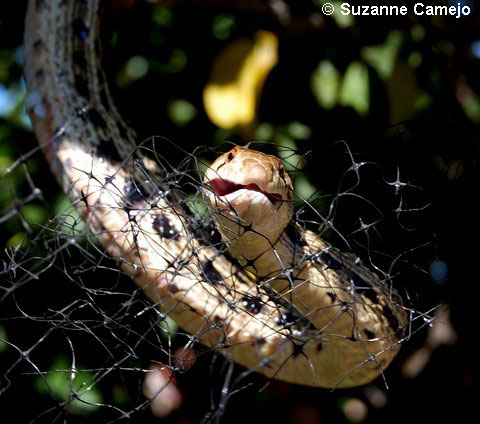
| Suzanne Camejo found this San Diego Gophersnake in an apricot tree which it had climbed probably trying to raid a Mockingbird nest. The snake was entangled in synthetic netting used to protect the fruit from birds. Suzanne and her friends cut the netting, which had dug into the snake's skin, to free the snake. They were repaid with the hissing and striking of a very stressed-out snake, but one that was now free to crawl away and continue to rid the garden of rodents and rabbits. Although netting is used as a natural method to deter agricultural pests, as well as for erosion control, it can be a great hazard to some animals, especially snakes. Photos © Suzanne Camejo |
This San Diego Gophersnake was found entangled in synthetic "wildlife netting" used as a barrier to rodents and other pests. After freeing two snakes that were found entangled in the netting, the property owner removed the netting to protect the snakes. © Osa Barbani |
||||||||||||||||||||||||||||||||||||||||||||||||||||||
 |
 |
||||||||||||||||||||||||||||||||||||||||||||||||||||||
| This San Diego Gophersnake found in Orange County, was rescued after it was trapped in a tarp with small mesh that was used to cover backyard stuff. Snakes will try to crawl through any open mesh, not just that used in plastic netting. © Stacy Schenkel |
|||||||||||||||||||||||||||||||||||||||||||||||||||||||
How to Tell the Difference Between Gophersnakes and Rattlesnakes |
|||||||||||||||||||||||||||||||||||||||||||||||||||||||
 |
 |
 |
|||||||||||||||||||||||||||||||||||||||||||||||||||||
| © Yuval Helfman | |||||||||||||||||||||||||||||||||||||||||||||||||||||||
 |
 |
||||||||||||||||||||||||||||||||||||||||||||||||||||||
|
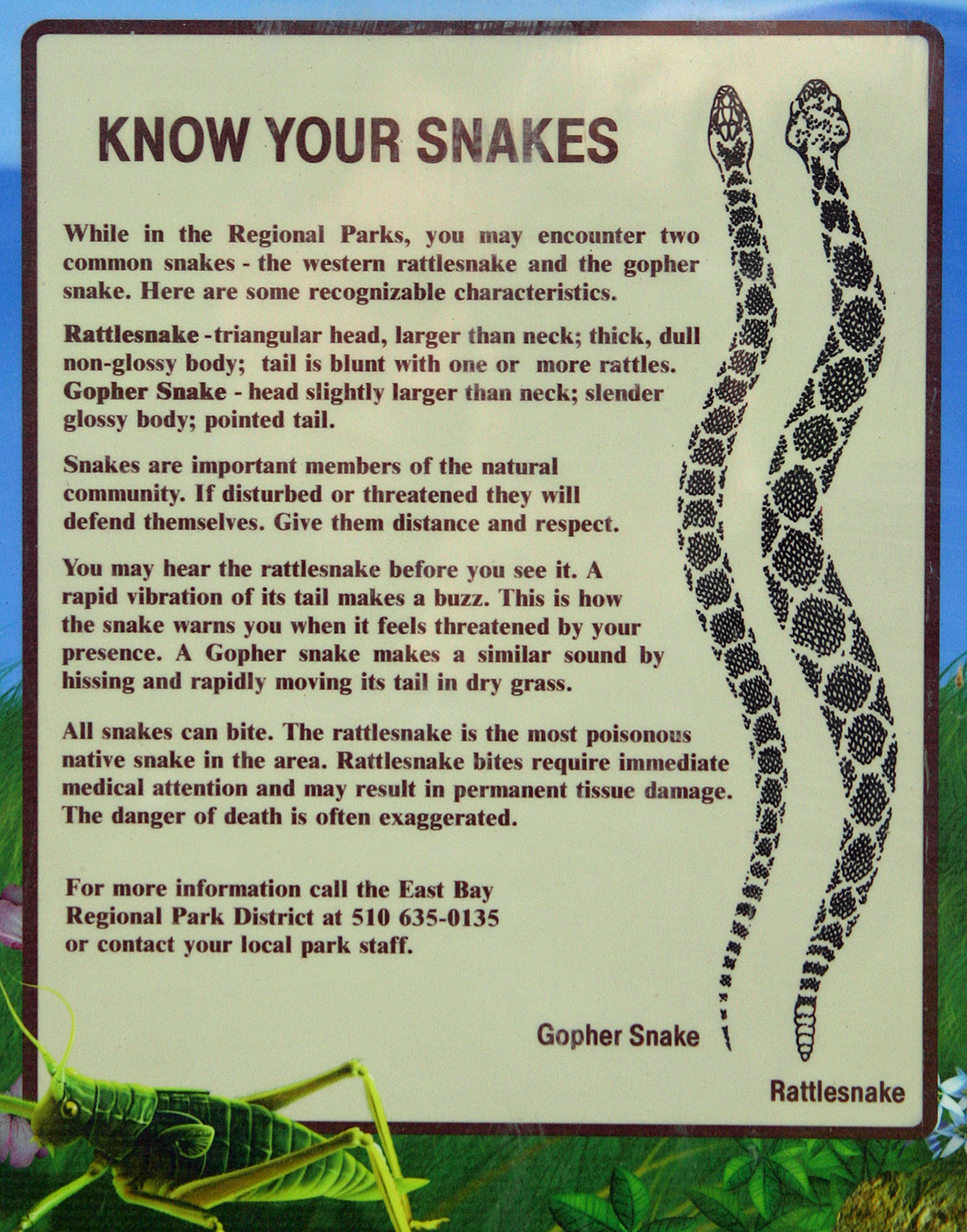
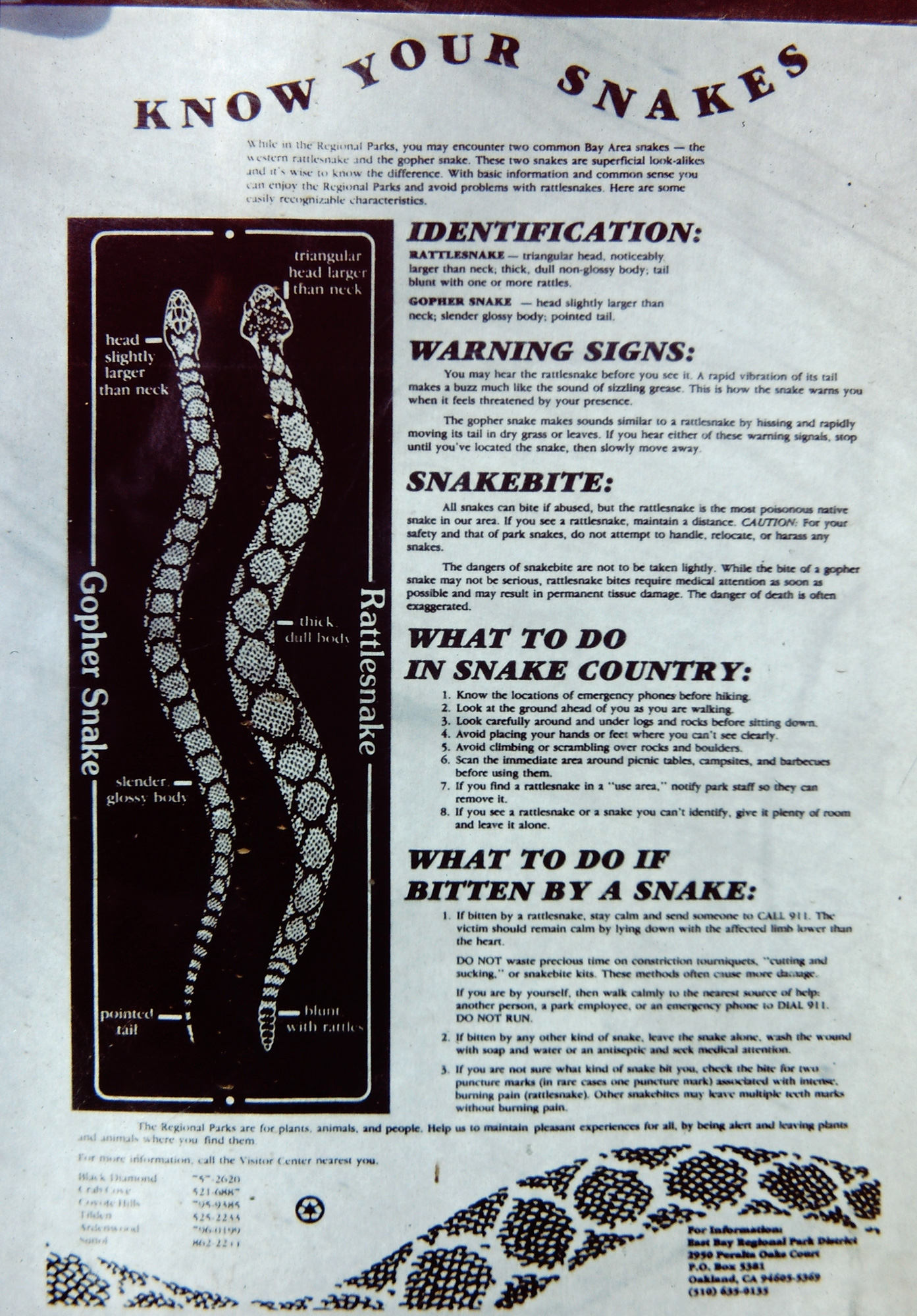
Harmless and beneficial gophersnakes are sometimes mistaken for dangerous rattlesnakes. Gophersnakes are often killed unnecessarily because of this confusion. (It's also not necessary to kill every rattlesnake.) It is easy to avoid this mistake by learning to tell the difference between the two families of snakes. The informational signs shown above can help to educate you about these differences. (Click to enlarge). If you can't see enough detail on a snake to be sure it is not a rattlesnake or if you have any doubt that it is harmless, leave it alone. You should never handle a snake unless you are absolutely sure that it is not dangerous. |
|||||||||||||||||||||||||||||||||||||||||||||||||||||||
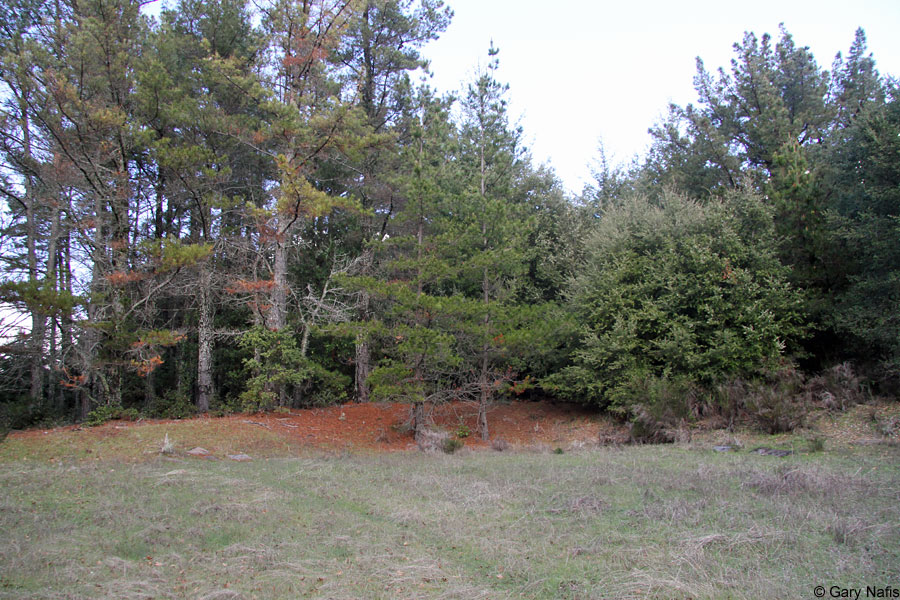
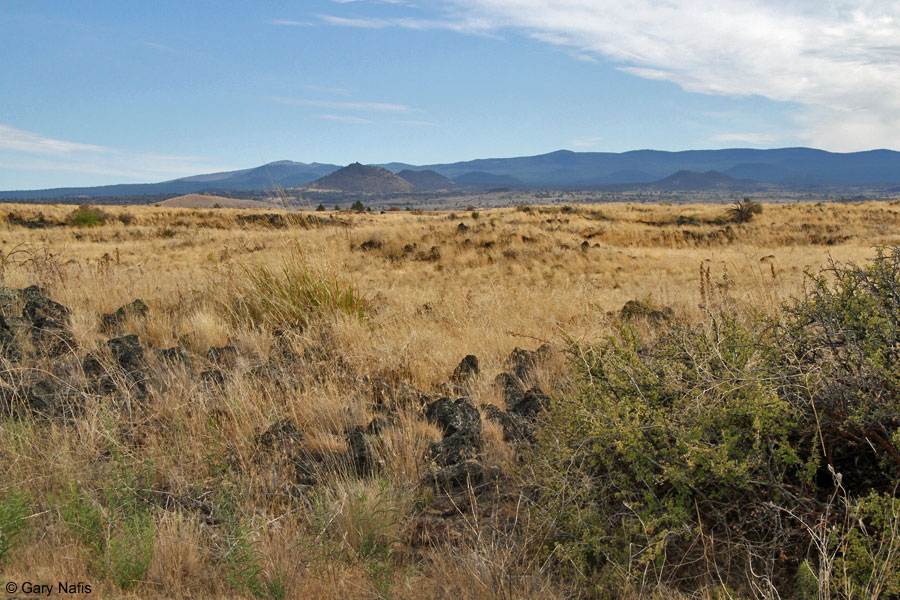
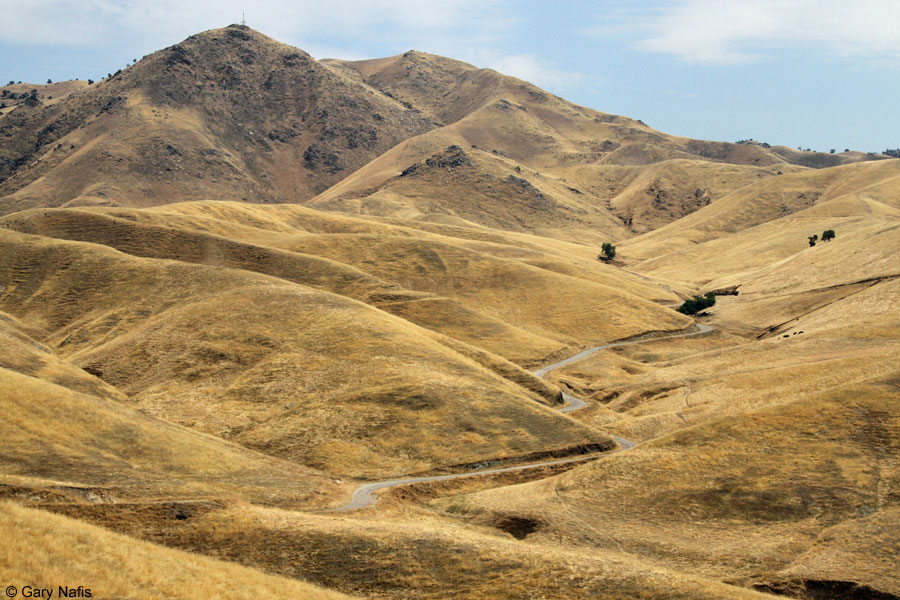
| Habitat | |||||||||||||||||||||||||||||||||||||||||||||||||||||||
 |
 |
 |
 |
||||||||||||||||||||||||||||||||||||||||||||||||||||
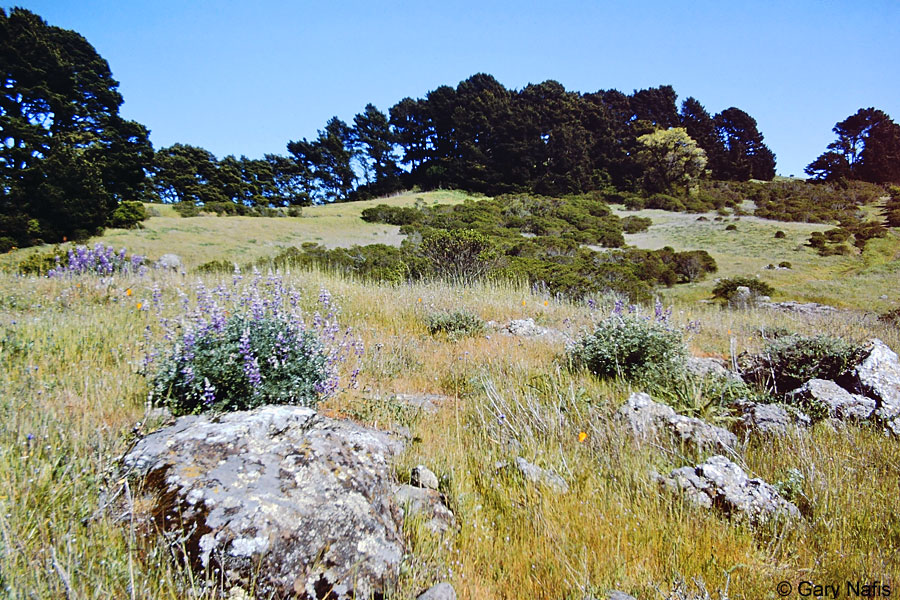
| Habitat, Contra Costa County | Habitat, Alameda County | Habitat, San Mateo County | Habitat, Yuba County | ||||||||||||||||||||||||||||||||||||||||||||||||||||
 |
 |
 |
 |
||||||||||||||||||||||||||||||||||||||||||||||||||||
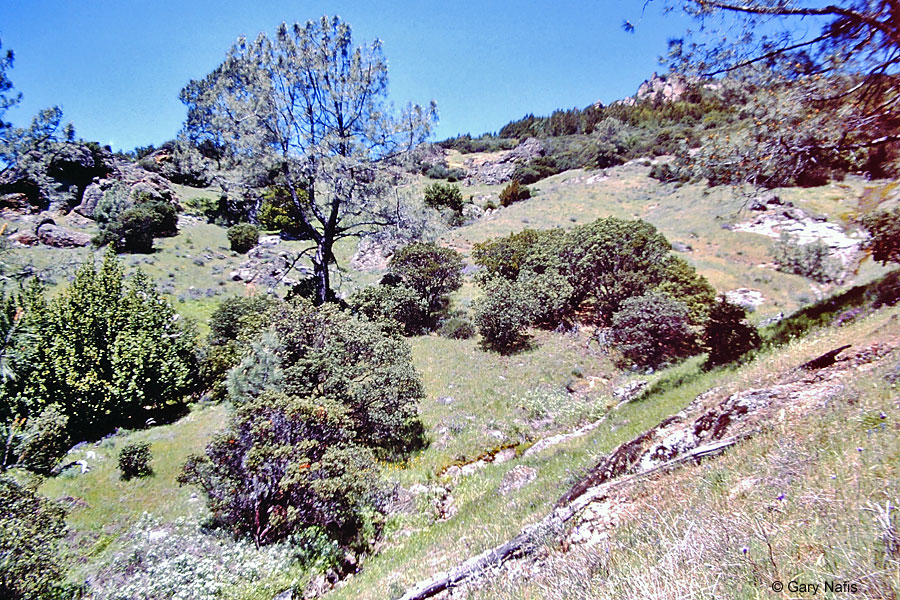
| Coastal habitat, Monterey County |
Habitat, Napa County | Habitat, Santa Cruz County | Habitat, Kings County | ||||||||||||||||||||||||||||||||||||||||||||||||||||
 |
 |
 |
 |
||||||||||||||||||||||||||||||||||||||||||||||||||||
| Habitat, San Luis Obispo County |
Habitat, San Benito County | Habitat, Butte County | Habitat, Contra Costa County | ||||||||||||||||||||||||||||||||||||||||||||||||||||
 |
 |
 |
 |
||||||||||||||||||||||||||||||||||||||||||||||||||||
| Habitat, Alameda County | Habitat, Siskiyou County | Creekside habitat, 1,450 ft., Kern County | Habitat, Kern County | ||||||||||||||||||||||||||||||||||||||||||||||||||||
 |
 |
 |
 |
||||||||||||||||||||||||||||||||||||||||||||||||||||
| Habitat, Alameda County | Habitat, San Joaquin County | Habitat, Alameda County | Habitat, Kern County | ||||||||||||||||||||||||||||||||||||||||||||||||||||
| Short Videos | |||||||||||||||||||||||||||||||||||||||||||||||||||||||
 |
 |
 |
 |
||||||||||||||||||||||||||||||||||||||||||||||||||||
| A Pacific Gophersnake, not happy to be picked up off the road by a crazy human, curls up in a defensive stance, investigates the camera, then crawls away. This movie contains no sound. | The same Pacific Gophersnake as the one to the left shows its defensive arsenal, which includes coiling, puffing up, and elevating the body, flattening the head into a triangular shape, hissing loudly, shaking the tail, and striking repeatedly. When its tormentor (and photographer) backs off, the snake crawls away, keeping its head and neck defensively arched, ready to quickly coil and strike if needed. | A distressed Pacific Gophersnake shakes its tail rapidly, which makes a buzzing sound as the tail touches the ground. This behavior might be a mimic of a rattlesnake's rattling, or it could be a similar behavior that helps to warn off an animal that could be a threat to the gopher snake. | A juvenile Pacific Gophersnake is found under a log in early spring in Contra Costa County. | ||||||||||||||||||||||||||||||||||||||||||||||||||||
 |
 |
 |
YouTube video | ||||||||||||||||||||||||||||||||||||||||||||||||||||
| Here's a little taste of roadcruising - driving, driving, driving, then finally a snake is spotted on the road. This one is an intergrade gophersnake from the sagebrush desert of eastern Siskiyou County. | A large Pacific Gophersnake is discovered under a small rock on a sunny late winter afternoon in Kern Canyon. | This short video shows two adult male Pacific Gophersnake wrestling for dominance during the May breeding season in Napa County. © Woody Davis | This is a link to Dave Feliz's video of a striped gophersnake in Yolo County striking at the camera. |
||||||||||||||||||||||||||||||||||||||||||||||||||||
|
|||||||||||||||||||||||||||||||||||||||||||||||||||||||
|
|||||||||||||||||||||||||||||||||||||||||||||||||||||||

|
The following conservation status listings for this animal are taken from the July 2025 State of California Special Animals List and the July 2025 Federally Listed Endangered and Threatened Animals of California list (unless indicated otherwise below.) Both lists are produced by multiple agencies every year, and sometimes more than once per year, so the conservation status listing information found below might not be from the most recent lists, but they don't change a great deal from year to year.. To make sure you are seeing the most recent listings, go to this California Department of Fish and Wildlife web page where you can search for and download both lists: https://www.wildlife.ca.gov/Data/CNDDB/Plants-and-Animals. A detailed explanation of the meaning of the status listing symbols can be found at the beginning of the two lists. For quick reference, I have included them on my Special Status Information page. If no status is listed here, the animal is not included on either list. This most likely indicates that there are no serious conservation concerns for the animal. To find out more about an animal's status you can also go to the NatureServe and IUCN websites to check their rankings. Check the current California Department of Fish and Wildlife sport fishing regulations to find out if this animal can be legally pursued and handled or collected with possession of a current fishing license. You can also look at the summary of the sport fishing regulations as they apply only to reptiles and amphibians that has been made for this website. This snake is not included on the Special Animals List, which indicates that there are no significant conservation concerns for it in California. |
||
| Organization | Status Listing | Notes |
| NatureServe Global Ranking | ||
| NatureServe State Ranking | ||
| U.S. Endangered Species Act (ESA) | None | |
| California Endangered Species Act (CESA) | None | |
| California Department of Fish and Wildlife | None | |
| Bureau of Land Management | None | |
| USDA Forest Service | None | |
| IUCN | ||
|
|
||
Return to the Top
© 2000 -