
A Guide to the Amphibians
and Reptiles of California
Click on a picture for a larger view
Granite Spiny Lizard - Sceloporus orcutti
Stejneger, 1893
Description • Taxonomy • Original Citation • Scientific Name • Alt. Names • Similar Herps • References • Conservation Status
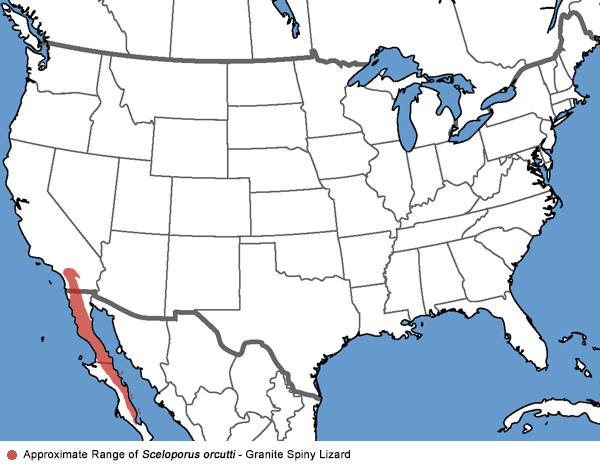
 Red: Range in California
Similar Spiny Lizards in California
Click on the map for a topographical view
Map with California County Names

 |
 |
||||||||||||||||||||||||||||||||||||||||||||||||||
| Adult male, San Diego County | Adult female, San Diego County | ||||||||||||||||||||||||||||||||||||||||||||||||||
 |
 |
 |
 |
||||||||||||||||||||||||||||||||||||||||||||||||
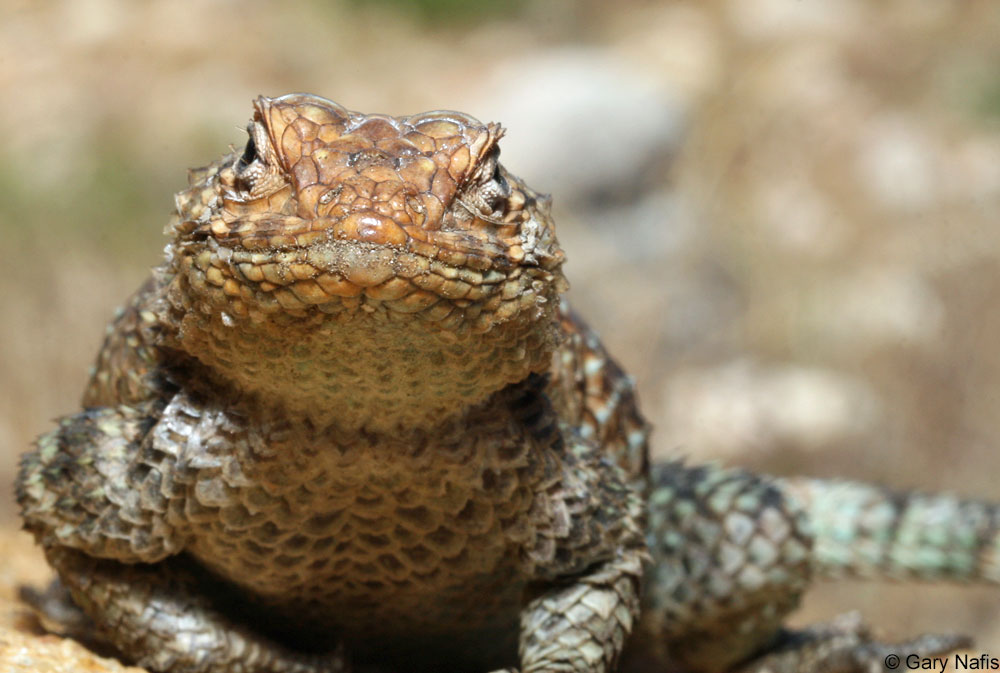
| Adult female, Riverside County | |||||||||||||||||||||||||||||||||||||||||||||||||||
 |
 |
 |
 |
||||||||||||||||||||||||||||||||||||||||||||||||
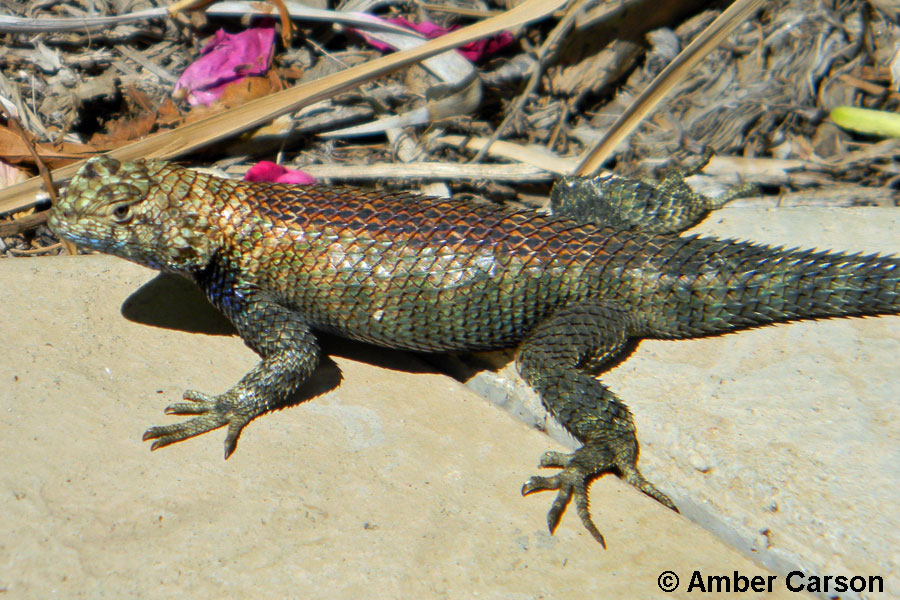
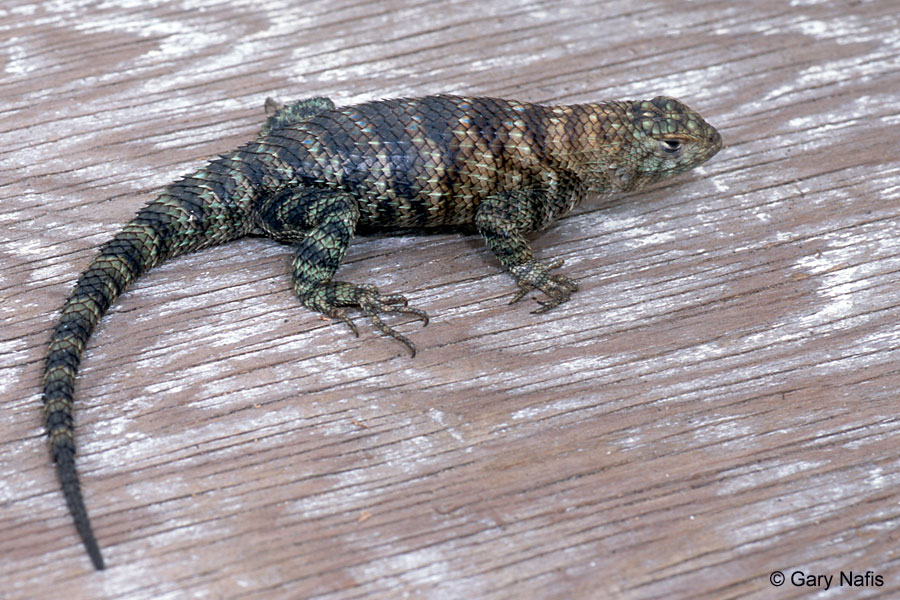
| Adult male, Riverside County © Amber Carson | Adult female, Riverside County | ||||||||||||||||||||||||||||||||||||||||||||||||||
 |
 |
 |
 |
||||||||||||||||||||||||||||||||||||||||||||||||
| A brightly-colored adult male in San Diego County illustrating why they are called "blue-bellies." © Kahleo Thompson |
Adult Male, San Diego County © Jason Jones | ||||||||||||||||||||||||||||||||||||||||||||||||||
 |
 |
 |
 |
||||||||||||||||||||||||||||||||||||||||||||||||
| Adult male, Riverside County © Jeff Ahrens |
Adult male, San Diego County © Adam G. Clause |
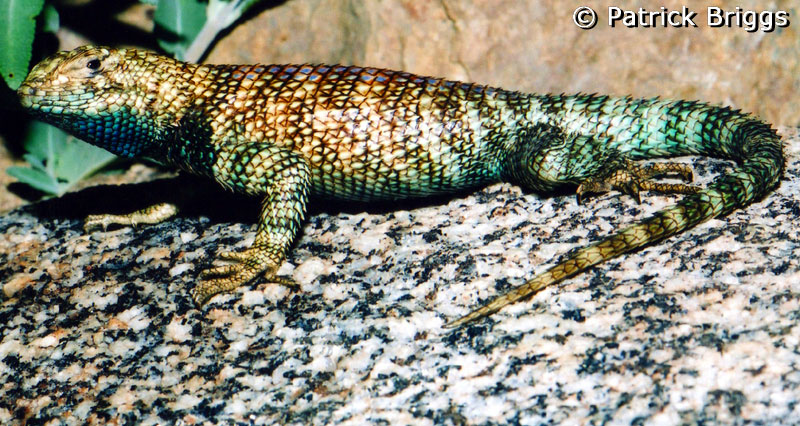
Adult male, Riverside County © Patrick Briggs |
Adult female, Orange County © Mark Girardeau |
||||||||||||||||||||||||||||||||||||||||||||||||
 |
 |
 |
 |
||||||||||||||||||||||||||||||||||||||||||||||||
| Adult male, eastern San Diego County © Mike X Macrae |
Adult male, San Diego County | Adult female, San Diego County | |||||||||||||||||||||||||||||||||||||||||||||||||
 |
 |
 |
 |
||||||||||||||||||||||||||||||||||||||||||||||||
| Adult male, San Diego County | Adult male, San Diego County | Adult female, Orange County © David Feliz |
Adult male, Riverside County © Lou Hamby (Please ask permission before copying.) |
||||||||||||||||||||||||||||||||||||||||||||||||
 |
 |
 |
 |
||||||||||||||||||||||||||||||||||||||||||||||||
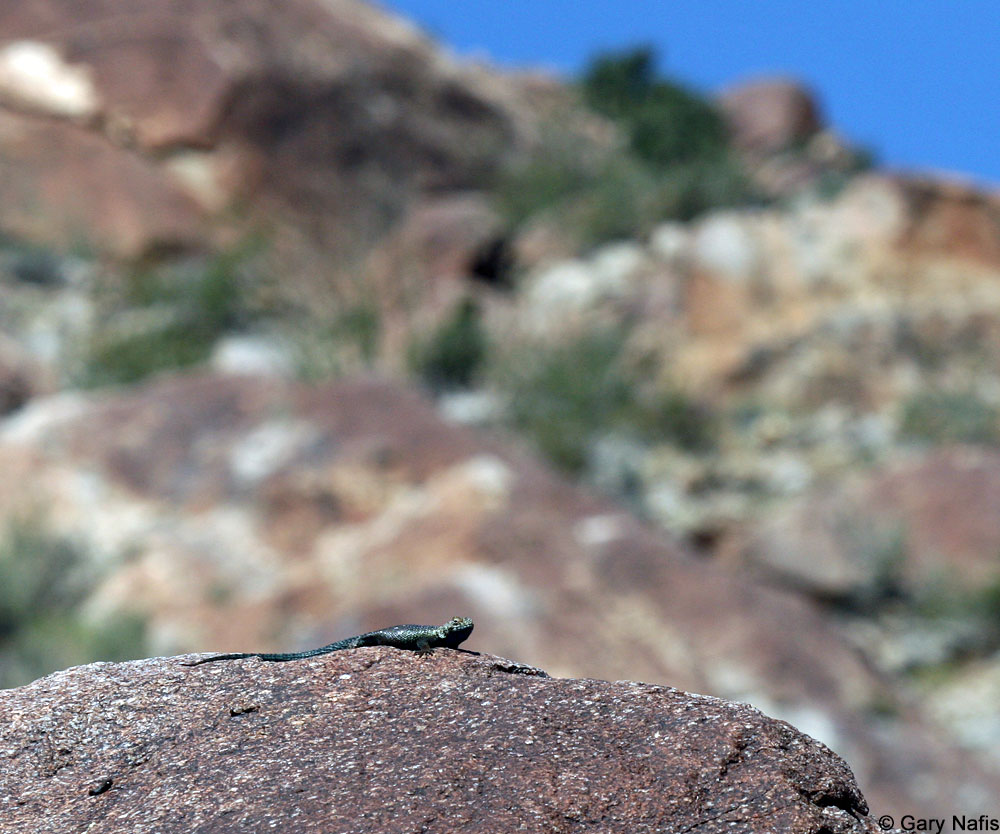
| Adult female, Riverside County, in typical large granite outcrop habitat. © Patrick Ward |
Adult female, Riverside County © Jeff Ahrens |
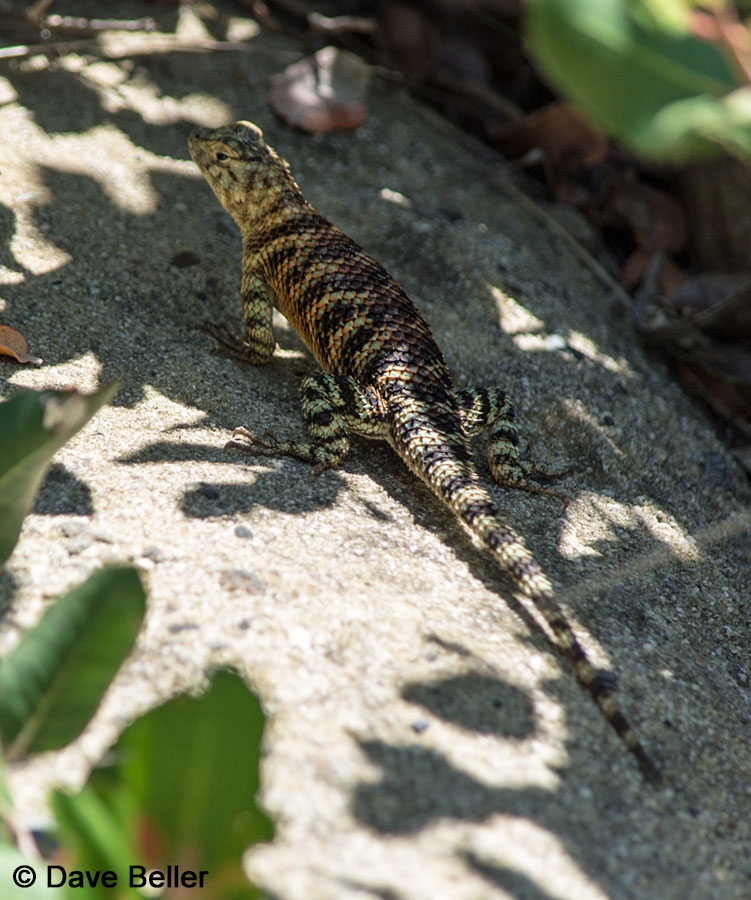
Adult female, Santa Anna Mountains, Orange County © Dave Beller | |||||||||||||||||||||||||||||||||||||||||||||||||
 |
 |
 |
|||||||||||||||||||||||||||||||||||||||||||||||||
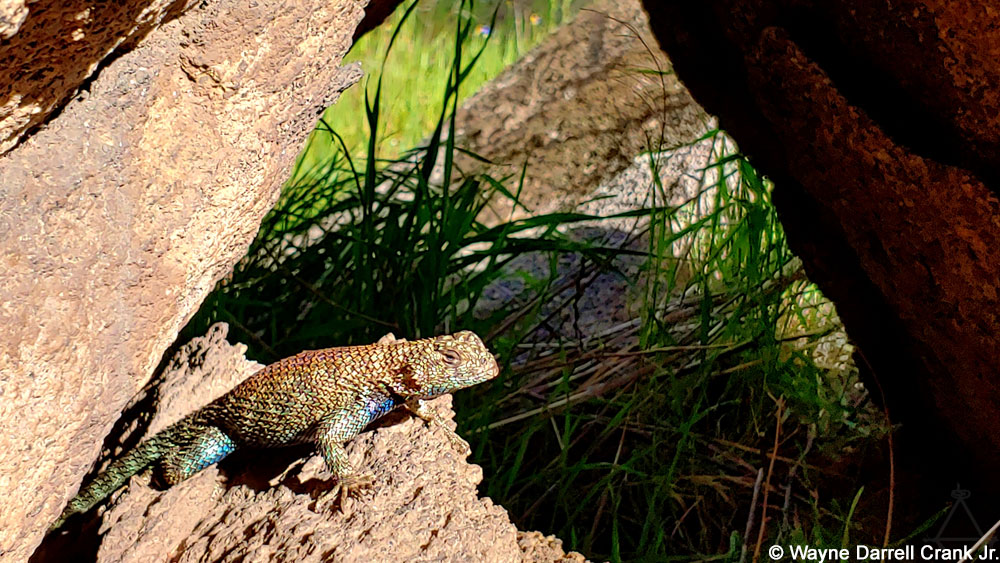
| Adult male, Riverside County © Wayne Darrell Crank Jr. | This telephoto enlargement shows a Granite Spiny Lizard using it's large sticky tongue to eat something crawling on a rock in San Diego County | ||||||||||||||||||||||||||||||||||||||||||||||||||
 |
 |
 |
 |
||||||||||||||||||||||||||||||||||||||||||||||||
| Adult male in territorial display, San Diego County |
Male ventral view © Patrick Briggs |
Male dorsal view © Patrick Briggs |
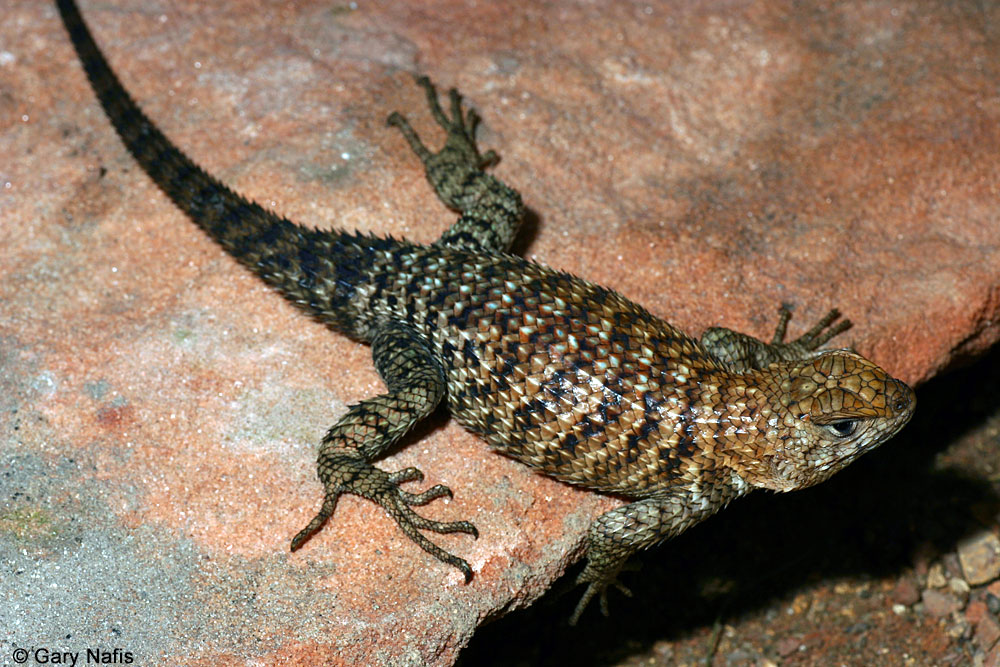
A Granite Spiny Lizard has large overlapping scales with sharp spines on its back. |
||||||||||||||||||||||||||||||||||||||||||||||||
| Juveniles | |||||||||||||||||||||||||||||||||||||||||||||||||||
 |
 |
 |
|||||||||||||||||||||||||||||||||||||||||||||||||
| Juvenile, San Diego County © Marisue Crystal |
Juvenile Riverside County © Patrick Briggs |
Top: adult male Middle: adult female Bottom: juvenile Riverside County © Patrick Briggs |
|||||||||||||||||||||||||||||||||||||||||||||||||
| Habitat | |||||||||||||||||||||||||||||||||||||||||||||||||||
 |
 |
 |
 |
||||||||||||||||||||||||||||||||||||||||||||||||
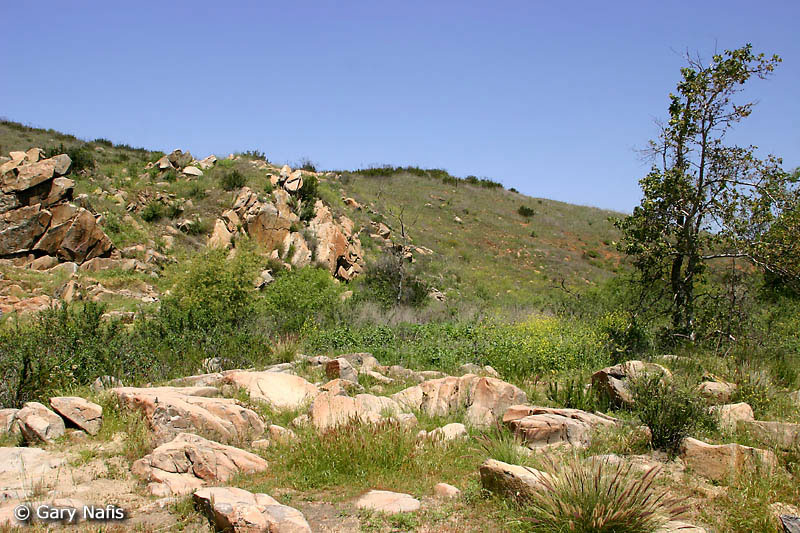
| Habitat, San Diego County desert | Habitat, coastal Riverside County | Habitat, Imperial County desert | Habitat, San Diego County mountains | ||||||||||||||||||||||||||||||||||||||||||||||||
 |
 |
 |
 |
||||||||||||||||||||||||||||||||||||||||||||||||
| Habitat, San Diego County desert | Habitat, coastal Riverside County | Habitat, coastal San Diego County | Habitat, Orange County © David Feliz | ||||||||||||||||||||||||||||||||||||||||||||||||
 |
 |
 |
|||||||||||||||||||||||||||||||||||||||||||||||||
| Habitat, San Diego County desert mountains |
Habitat, San Diego County desert mountains |
Habitat, San Diego County | |||||||||||||||||||||||||||||||||||||||||||||||||
| Short Videos | |||||||||||||||||||||||||||||||||||||||||||||||||||
 |
 |
 |
|||||||||||||||||||||||||||||||||||||||||||||||||
| A male Granite Spiny Lizard moves over to a female who is basking on a nearby rock and presents himself to her. She's not interested and slowly moves away from him with her back and tail slightly arched then does some push-ups. He retreats and does some push-ups. | A Male Granite Spiny Lizard (the same guy as the one to the left, a few minutes after that video ended) does his territorial push-up display, lifting his body high off the rock, pausing briefly to eat something with his big pink tongue. | Several adult lizards are shown in various rocky habitats. | |||||||||||||||||||||||||||||||||||||||||||||||||
|
|||||||||||||||||||||||||||||||||||||||||||||||||||
|
|||||||||||||||||||||||||||||||||||||||||||||||||||

|
The following conservation status listings for this animal are taken from the July 2025 State of California Special Animals List and the July 2025 Federally Listed Endangered and Threatened Animals of California list (unless indicated otherwise below.) Both lists are produced by multiple agencies every year, and sometimes more than once per year, so the conservation status listing information found below might not be from the most recent lists, but they don't change a great deal from year to year.. To make sure you are seeing the most recent listings, go to this California Department of Fish and Wildlife web page where you can search for and download both lists: https://www.wildlife.ca.gov/Data/CNDDB/Plants-and-Animals. A detailed explanation of the meaning of the status listing symbols can be found at the beginning of the two lists. For quick reference, I have included them on my Special Status Information page. If no status is listed here, the animal is not included on either list. This most likely indicates that there are no serious conservation concerns for the animal. To find out more about an animal's status you can also go to the NatureServe and IUCN websites to check their rankings. Check the current California Department of Fish and Wildlife sport fishing regulations to find out if this animal can be legally pursued and handled or collected with possession of a current fishing license. You can also look at the summary of the sport fishing regulations as they apply only to reptiles and amphibians that has been made for this website. This animal is not included on the Special Animals List, which indicates that there are no significant conservation concerns for it in California. |
||
| Organization | Status Listing | Notes |
| NatureServe Global Ranking | ||
| NatureServe State Ranking | ||
| U.S. Endangered Species Act (ESA) | None | |
| California Endangered Species Act (CESA) | None | |
| California Department of Fish and Wildlife | None | |
| Bureau of Land Management | None | |
| USDA Forest Service | None | |
| IUCN | ||
|
|
||
Return to the Top
© 2000 -