
A Guide to the Amphibians
and Reptiles of California
Click on a picture for a larger view
Mediterranean Gecko - Hemidactylus turcicus
(Linnaeus, 1758)Description • Taxonomy • Species Description • Scientific Name • Alt. Names • Similar Herps • References • Conservation Status

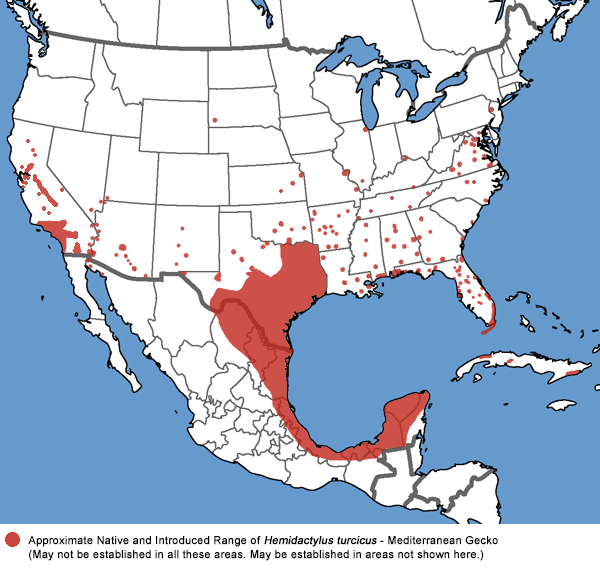
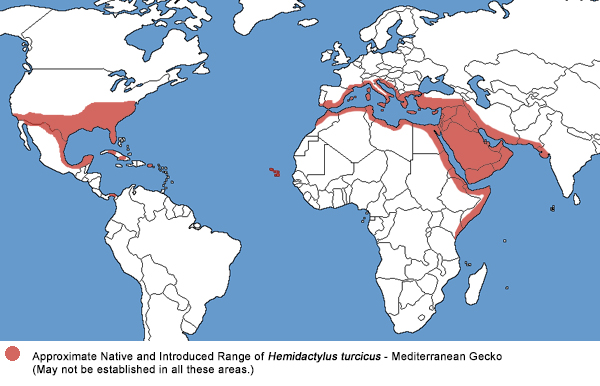
Red: Areas where this species has been reported and is most likely established. The species continues to spread and is likely to be found in more locations than shown here. |
|
| List of Non-Native Reptiles and Amphibians Established in California |
|
Hear a Mediterranean Gecko Chirp:  |
|

This species has been introduced into California. It is not a native species. |
||||||||||||||||||||||||||||||||||||||||||||||||||||||||||||||||||||||||||||||||||||||||||
 |
||||||||||||||||||||||||||||||||||||||||||||||||||||||||||||||||||||||||||||||||||||||||||
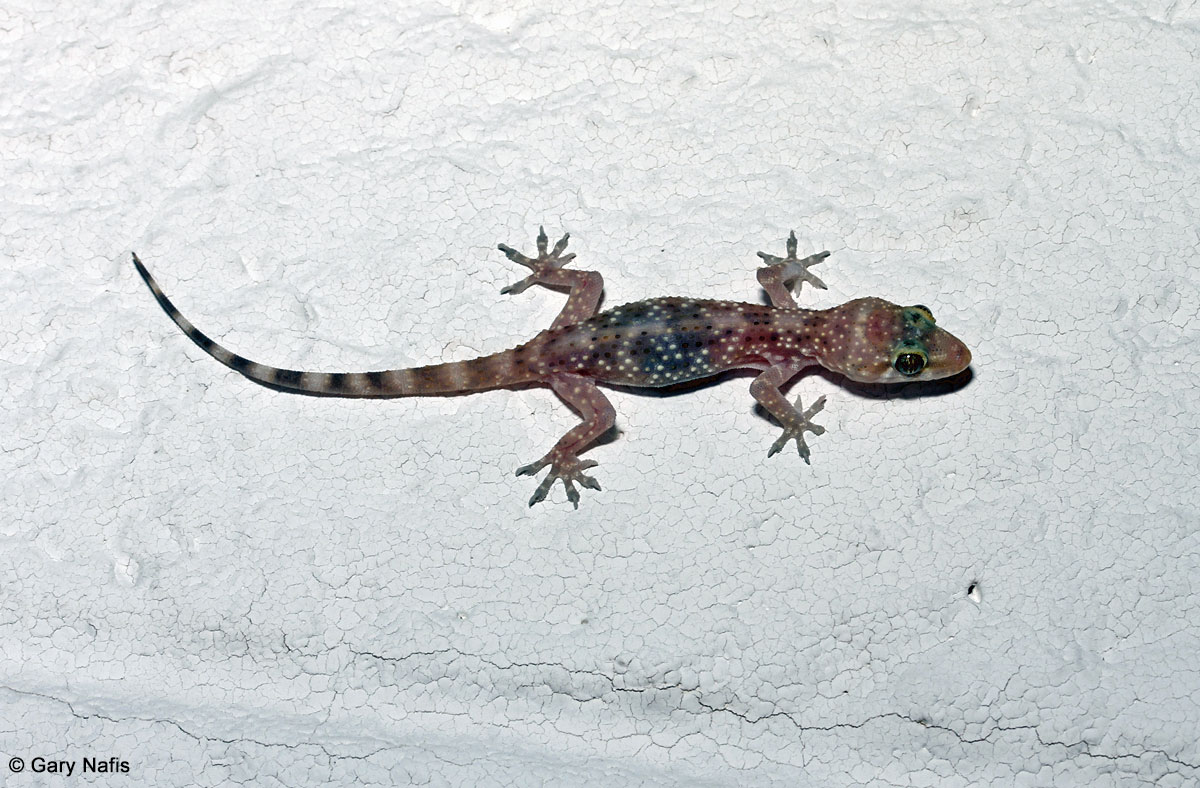
| Sub adult, Ocotillo, Imperial County | ||||||||||||||||||||||||||||||||||||||||||||||||||||||||||||||||||||||||||||||||||||||||||
 |
 |
 |
 |
|||||||||||||||||||||||||||||||||||||||||||||||||||||||||||||||||||||||||||||||||||||||
| Adult, Azusa, Los Angeles County | Sub adult, Ocotillo, Imperial County | Adult, Ocotillo, Imperial County. (The tail has no markings on it because it has been broken off and re-grown.) |
Adult on ceiling, Ocotillo, Imperial County |
|||||||||||||||||||||||||||||||||||||||||||||||||||||||||||||||||||||||||||||||||||||||
 |
 |
 |
 |
|||||||||||||||||||||||||||||||||||||||||||||||||||||||||||||||||||||||||||||||||||||||
| Adult, San Diego, San Diego County © Dan Boyd |
Adult, Palm Springs, Riverside County © 2005 William Flaxington |
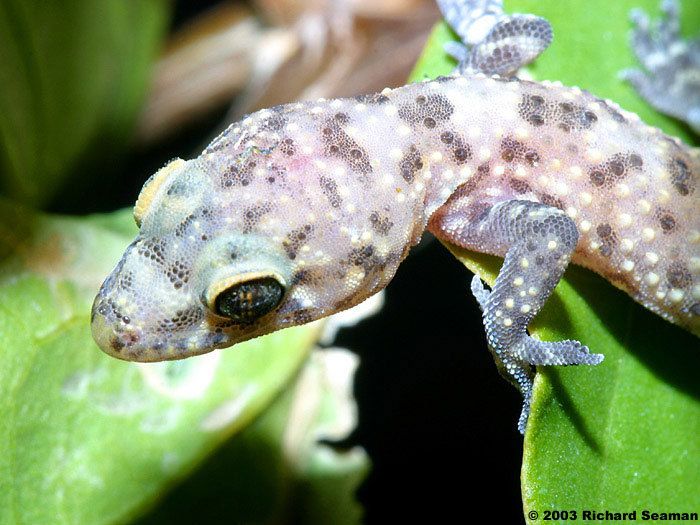
Adult, Palm Springs, Riverside County © 2003 Richard Seaman |
Adult, Lincoln Heights Los Angeles, Los Angeles County © Austin Stricklin |
|||||||||||||||||||||||||||||||||||||||||||||||||||||||||||||||||||||||||||||||||||||||
 |
 |
 |
 |
|||||||||||||||||||||||||||||||||||||||||||||||||||||||||||||||||||||||||||||||||||||||
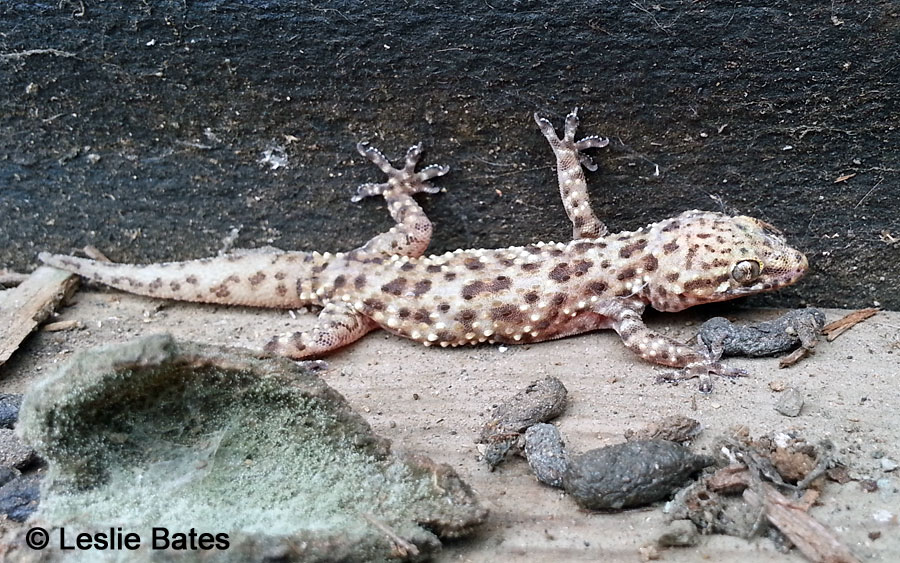
| Adult, Fresno County © Patrick Briggs | Adult, Sacramento, Sacramento County, found active in mid winter. © Leslie Bates |
|||||||||||||||||||||||||||||||||||||||||||||||||||||||||||||||||||||||||||||||||||||||||
 |
 |
 |
 |
|||||||||||||||||||||||||||||||||||||||||||||||||||||||||||||||||||||||||||||||||||||||
| Sub-adult, Modesto, Stanislaus County © George M. Ramirez |
Adult, San Marcos, San Diego County © Nathan Smith |
Adult, Needles, San Bernardino County © Harold Wagstaff | Sub-adult, Bakersfield, Kern County © Saul N |
|||||||||||||||||||||||||||||||||||||||||||||||||||||||||||||||||||||||||||||||||||||||
 |
 |
 |
 |
|||||||||||||||||||||||||||||||||||||||||||||||||||||||||||||||||||||||||||||||||||||||
| Adult, Seeley, Imperial County © Jeff Nordland |
Adult, Seeley, Imperial County © Jeff Nordland |
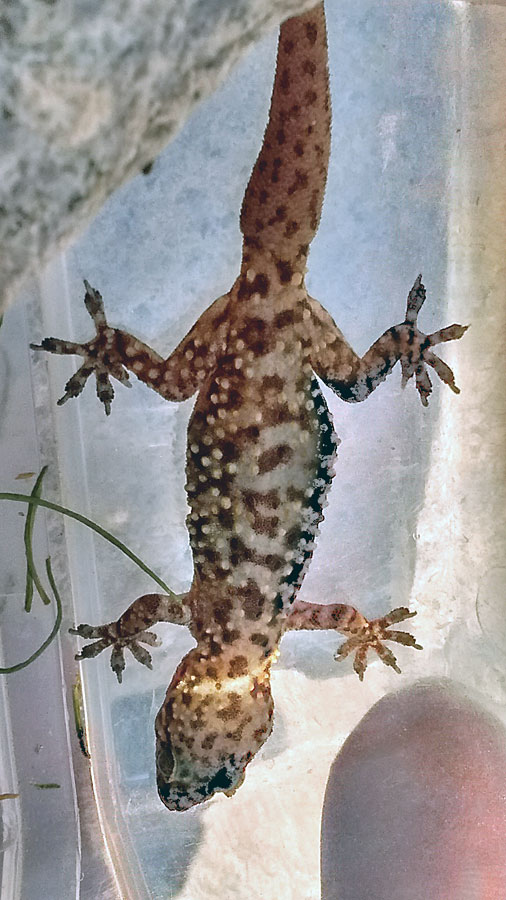
Adult, Santa Barbara, Santa Barbara County © Christina Mertes | Adult, Oroville, Butte County, one of several found © Mike Padula | |||||||||||||||||||||||||||||||||||||||||||||||||||||||||||||||||||||||||||||||||||||||
 |
 |
 |
 |
|||||||||||||||||||||||||||||||||||||||||||||||||||||||||||||||||||||||||||||||||||||||
| Adult, Pomona, Los Angeles County © Robert Cothran |
Adult, Lucerne Valley, San Bernardino County © Anonymous | Bakersfield, Kern County adult missing its tail, in its dark phase, showing how well-camouflaged it can be on the right background. © Kwynn Anderson | A Mediterranean Gecko shows its tongue when it licks its lips after eating a flying insect. |
|||||||||||||||||||||||||||||||||||||||||||||||||||||||||||||||||||||||||||||||||||||||
 |
||||||||||||||||||||||||||||||||||||||||||||||||||||||||||||||||||||||||||||||||||||||||||
| Mediterranean Geckos have soft skin with prominent knob-like tubercles. | ||||||||||||||||||||||||||||||||||||||||||||||||||||||||||||||||||||||||||||||||||||||||||
| Eggs | ||||||||||||||||||||||||||||||||||||||||||||||||||||||||||||||||||||||||||||||||||||||||||
 |
 |
 |
 |
|||||||||||||||||||||||||||||||||||||||||||||||||||||||||||||||||||||||||||||||||||||||
| Eggs and hatchling, Tulare County © Betsy Howland. The hard-shelled eggs on the left were discovered during yard work in late July. The painted part of the fingernail is an inch long (2.54 cm) so I estimate the eggs to be approximately .72 inches in length (1.84 cm). The eggs were buried under about three inches of leaf litter near the base of a large rock in a shaded area. There were also more eggs there besides those in the picture, so this was a communal nest. One egg accidentally broke open. The gecko shown on the right was coiled up inside it in a loose membrane, but it was not quite ready to hatch and did not survive. The eggs were replaced where they were found and when they were checked a few days later, one of the eggs had hatched. |
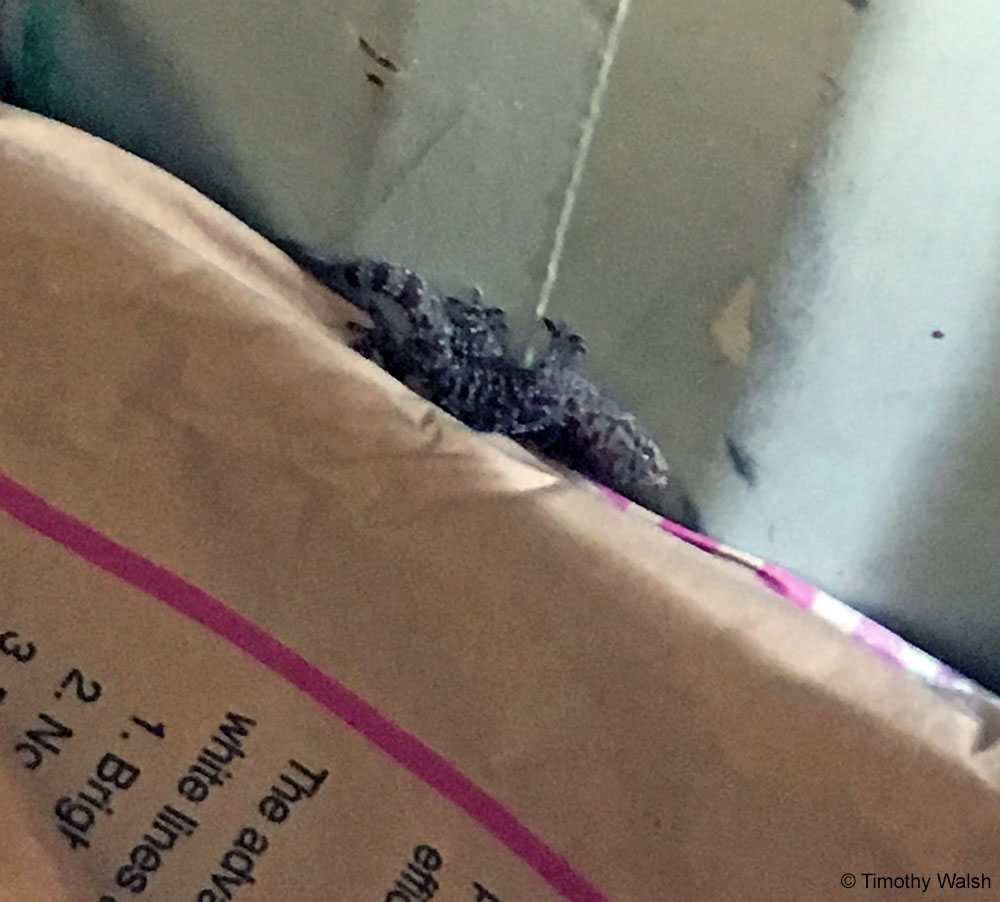
These hatched and unhatched eggs were found between paper bags full of powdered chalk in early April in Fresno County. They were in a storage shed where Mediterranean Geckos have been seen for 7 or 8 years. An adult gecko was photographed nearby (above right.) Because April is early for other reptile eggs to hatch, and the location is not suitable for eggs of amphibians or slugs, this could be a communal deposit of Mediterranean Gecko eggs, but that is not certain. Females tend to lay one or two eggs each in communal clutches. © Timothy Walsh | |||||||||||||||||||||||||||||||||||||||||||||||||||||||||||||||||||||||||||||||||||||||||
| Juveniles | ||||||||||||||||||||||||||||||||||||||||||||||||||||||||||||||||||||||||||||||||||||||||||
 |
 |
 |
 |
|||||||||||||||||||||||||||||||||||||||||||||||||||||||||||||||||||||||||||||||||||||||
| Juvenile, Davis, Yolo County © Rachel DuBose |
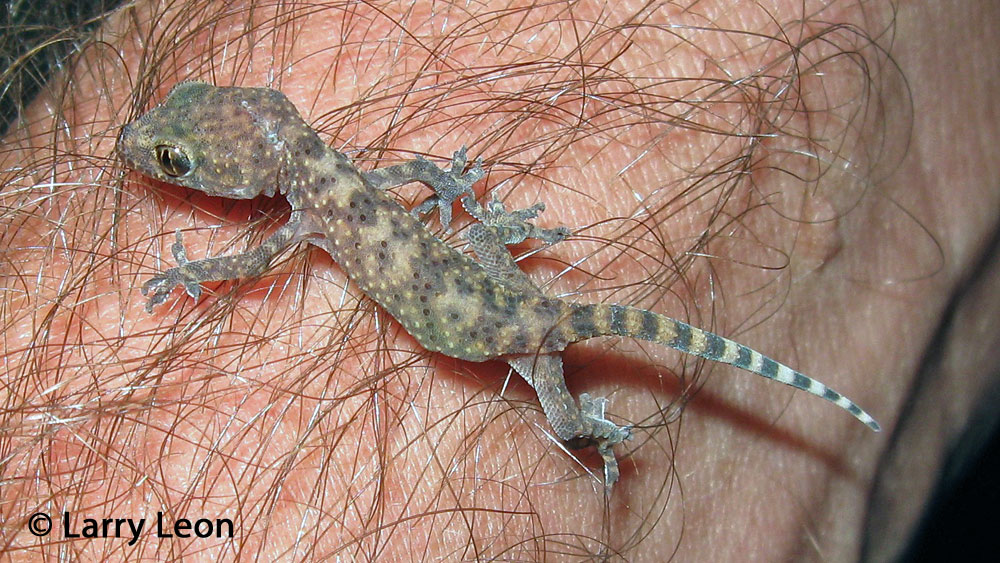
Juvenile, Orange County © Larry Leon |
Tiny juvenile, North Highlands, Sacramento County © Angel Patton |
Juvenile, Whittier, Los Angeles County © K. Chaplin | |||||||||||||||||||||||||||||||||||||||||||||||||||||||||||||||||||||||||||||||||||||||
 |
 |
 |
 |
|||||||||||||||||||||||||||||||||||||||||||||||||||||||||||||||||||||||||||||||||||||||
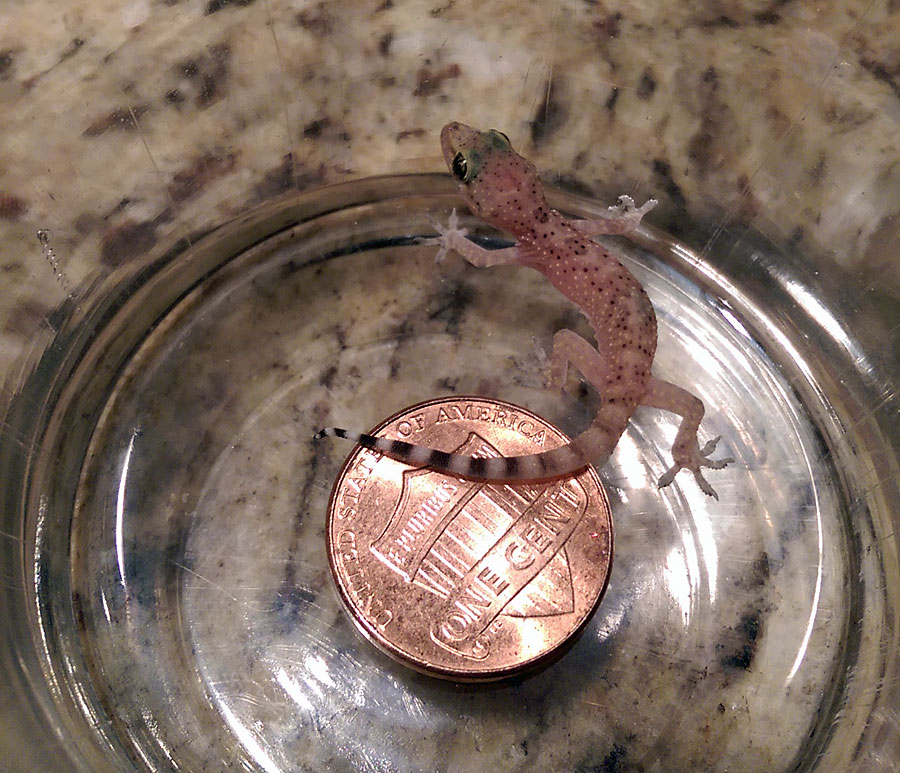
| Juvenile, Vacaville, Solano County © Jake Finnegan | Juvenile, Barstow, San Bernardino County © Ben Rucker | Juvenile, Serra Mesa neighborhood of San Diego, San Diego County | Juvenile, Contra Costa County © Greg Howard |
|||||||||||||||||||||||||||||||||||||||||||||||||||||||||||||||||||||||||||||||||||||||
 |
 |
 |
 |
|||||||||||||||||||||||||||||||||||||||||||||||||||||||||||||||||||||||||||||||||||||||
| Juvenile, Chatsworth, Los Angeles County © John McManus | Juvenile, Citrus Heights, Sacramento County © Ben Barker |
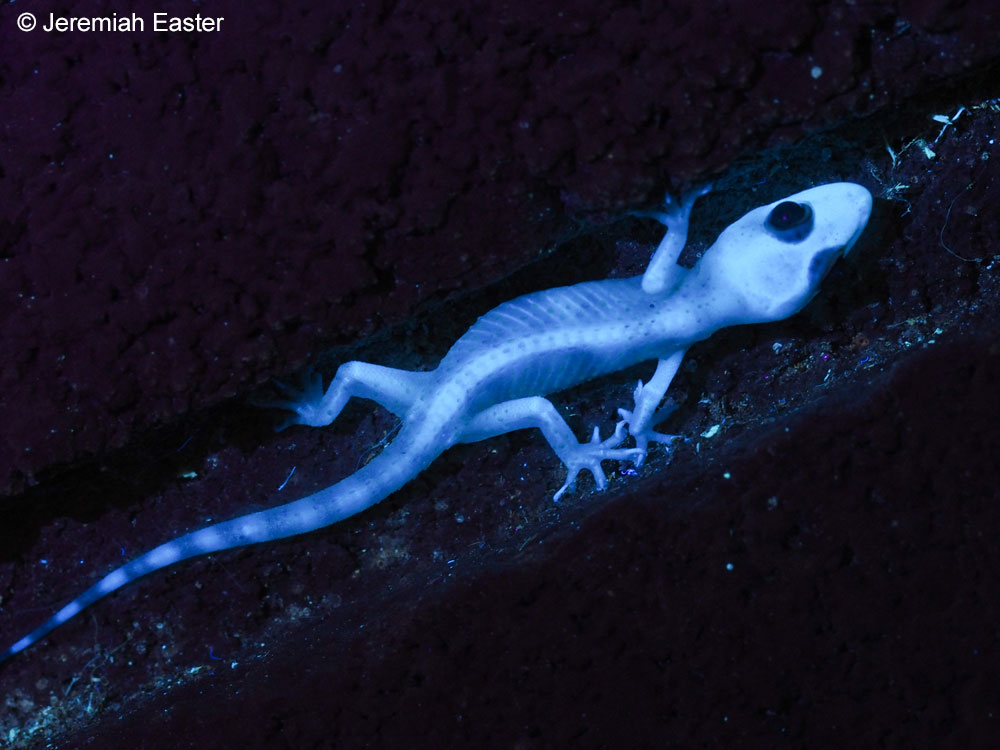
An adult Mediterranean Gecko would probably eat a spider, but this juvenile gecko was found in Orange County killed by another alien species - a brown widow spider. © Larry Bowman | This Riverside County juvenile about 2 and a half inches long, was photographed with a 365nm UV light. © Jeremiah Easter |
|||||||||||||||||||||||||||||||||||||||||||||||||||||||||||||||||||||||||||||||||||||||
| Mediterranean Geckos From Outside California | ||||||||||||||||||||||||||||||||||||||||||||||||||||||||||||||||||||||||||||||||||||||||||
 |
 |
 |
||||||||||||||||||||||||||||||||||||||||||||||||||||||||||||||||||||||||||||||||||||||||
| Adult, Dark Phase | ||||||||||||||||||||||||||||||||||||||||||||||||||||||||||||||||||||||||||||||||||||||||||
 |
 |
 |
||||||||||||||||||||||||||||||||||||||||||||||||||||||||||||||||||||||||||||||||||||||||
| Adult, Light Phase | ||||||||||||||||||||||||||||||||||||||||||||||||||||||||||||||||||||||||||||||||||||||||||
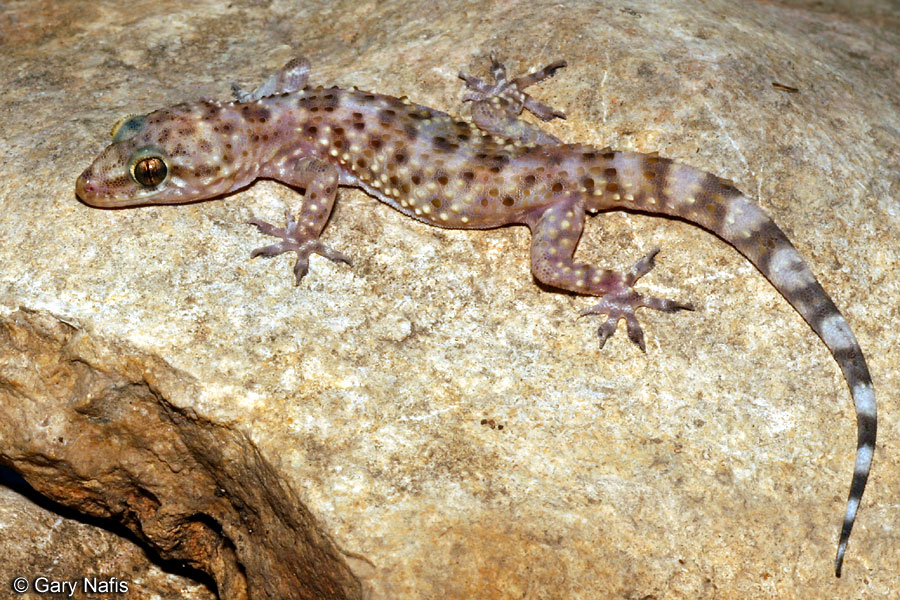
| The six pictures directly above all show the same large adult gecko found in Austin, Travis County, Texas. The gecko was dark in color when I found it underneath a large limestone rock that was covered with ice after a winter ice storm. I brought the gecko inside and immediately took the pictures in its dark phase shown above in the top row. The gecko warmed up after a few minutes and lightened in color then I took the pictures shown in the bottom row. |
||||||||||||||||||||||||||||||||||||||||||||||||||||||||||||||||||||||||||||||||||||||||||
 |
 |
 |
 |
|||||||||||||||||||||||||||||||||||||||||||||||||||||||||||||||||||||||||||||||||||||||
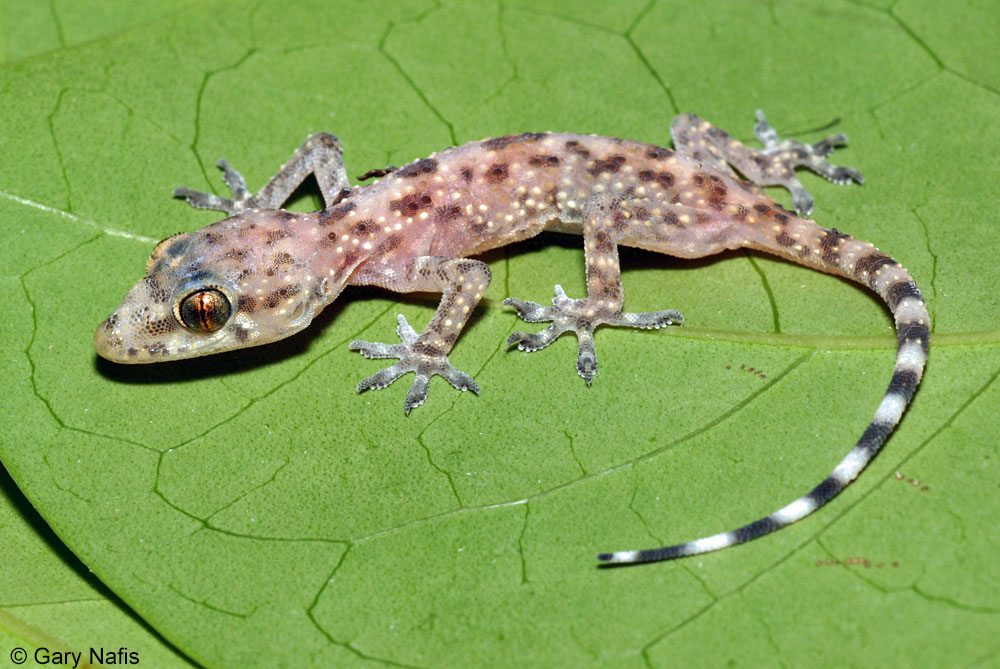
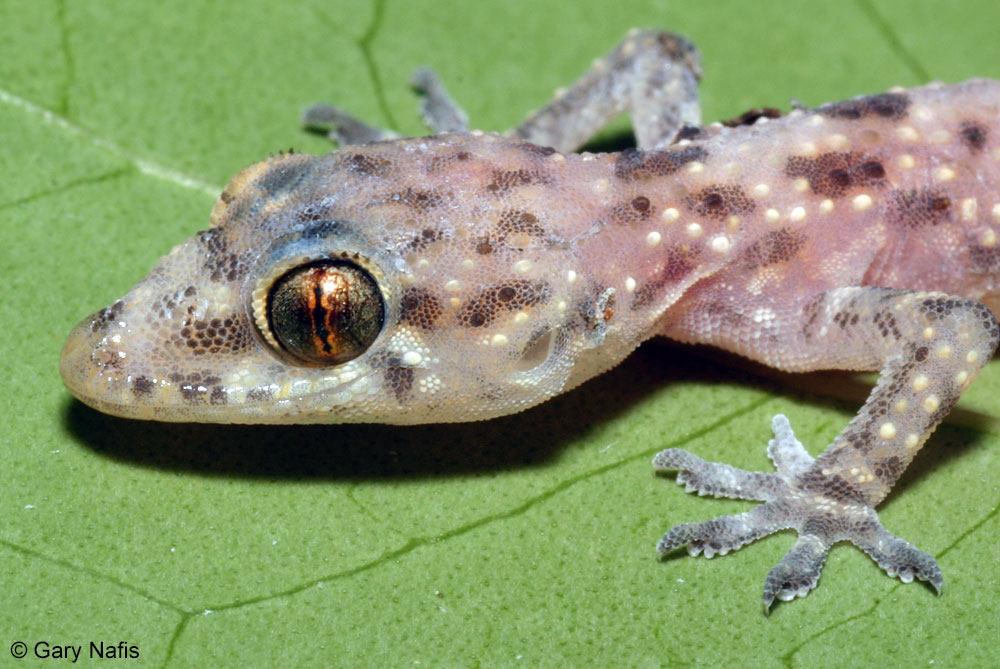
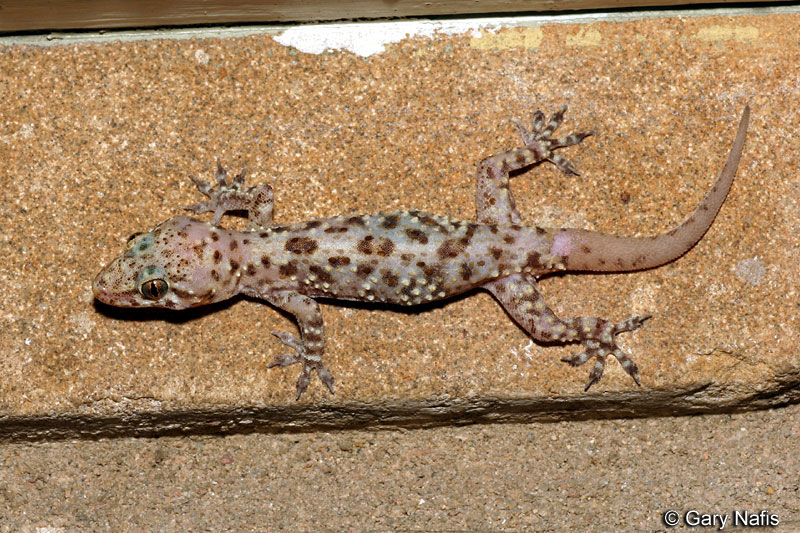
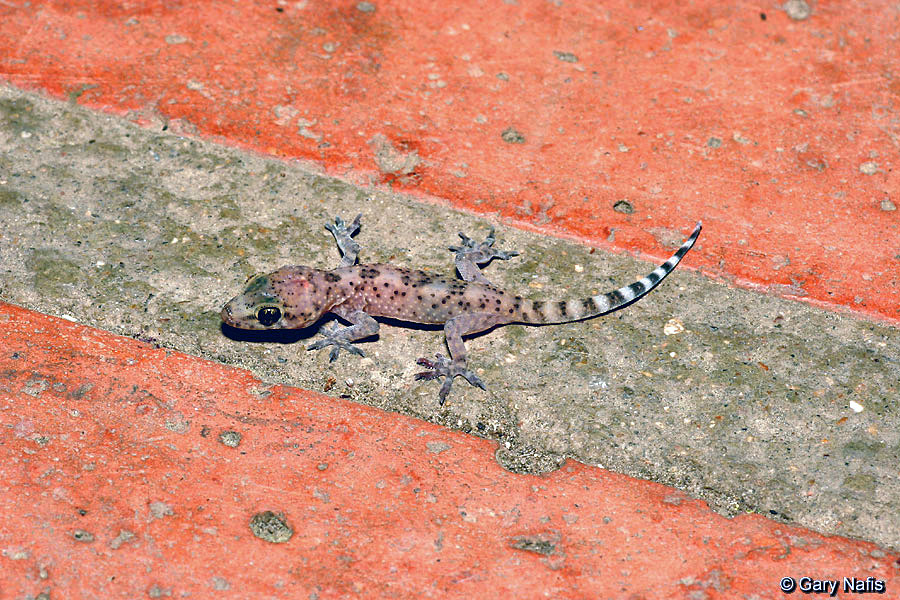
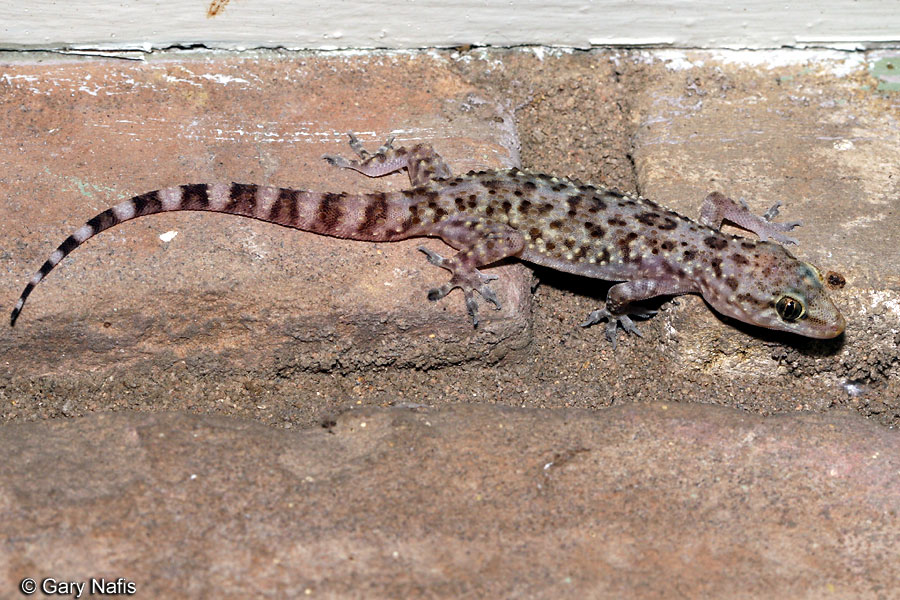
| Sub-adult, Travis Co., Texas | Adult with re-generated tail, Travis County, Texas |
|||||||||||||||||||||||||||||||||||||||||||||||||||||||||||||||||||||||||||||||||||||||||
 |
 |
 |
 |
|||||||||||||||||||||||||||||||||||||||||||||||||||||||||||||||||||||||||||||||||||||||
| Juvenile, Travis Co., Texas | Adult, Travis County, Texas | Juvenile, Travis Co., Texas | ||||||||||||||||||||||||||||||||||||||||||||||||||||||||||||||||||||||||||||||||||||||||
 |
 |
 |
 |
|||||||||||||||||||||||||||||||||||||||||||||||||||||||||||||||||||||||||||||||||||||||
| Adult, Yuma, Yuma County, Arizona |
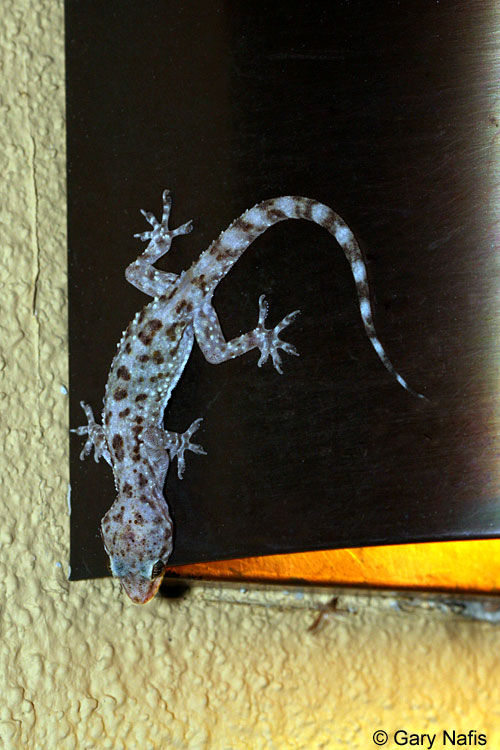
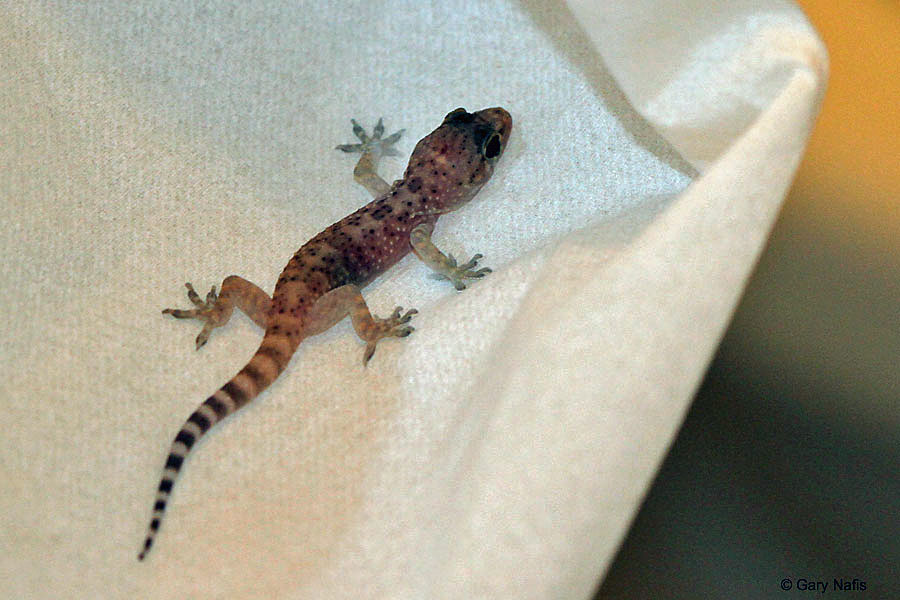
Adult, on outdoor motel lamp in Tucson, Pima County, Arizona. | Juvenile found in motel bathroom, Cochise County, Arizona |
Sub-adult, Travis County, Texas | |||||||||||||||||||||||||||||||||||||||||||||||||||||||||||||||||||||||||||||||||||||||
| Mediterranean Geckos have specialized toe pads that let them climb and hang on to almost any surface. | ||||||||||||||||||||||||||||||||||||||||||||||||||||||||||||||||||||||||||||||||||||||||||
 |
 |
 |
 |
|||||||||||||||||||||||||||||||||||||||||||||||||||||||||||||||||||||||||||||||||||||||
| Top of toes showing pads underneath | Underside of toes, showing white toe pads |
Toes of adult, © Leslie Bates | Underside of adult, showing white pads under toes |
|||||||||||||||||||||||||||||||||||||||||||||||||||||||||||||||||||||||||||||||||||||||
 |
||||||||||||||||||||||||||||||||||||||||||||||||||||||||||||||||||||||||||||||||||||||||||
| Juvenile (missing its top left foot) climbing on a glass window |
||||||||||||||||||||||||||||||||||||||||||||||||||||||||||||||||||||||||||||||||||||||||||
| Habitat | ||||||||||||||||||||||||||||||||||||||||||||||||||||||||||||||||||||||||||||||||||||||||||
| The habitat pictures below were added in the early 2000s when this gecko was mostly found in a few arid and semi-arid areas in southern California. Since then it has spread throughout cities and towns in much of the state. |
||||||||||||||||||||||||||||||||||||||||||||||||||||||||||||||||||||||||||||||||||||||||||
 |
 |
 |
 |
|||||||||||||||||||||||||||||||||||||||||||||||||||||||||||||||||||||||||||||||||||||||
| Mediterranean Geckos have been found in the desert city of Ocotillo, Imperial County, home of the Lazy Lizard Saloon. |
Mediterranean Geckos have been found in several locations in the Coachella Valley in Riverside County, including Desert Hot Springs, Rancho Mirage, and Palm Springs. Here you can see several geckos gathered under an outdoor light on the wall of a Palm Springs motel. © 2005 William Flaxington |
These geckos have been spreading up the Central Valley along the Highway 99 corridor in cities including Bakersfield, Fresno, Kingsburg, Chowchilla, and many more. |
||||||||||||||||||||||||||||||||||||||||||||||||||||||||||||||||||||||||||||||||||||||||
 |
 |
|||||||||||||||||||||||||||||||||||||||||||||||||||||||||||||||||||||||||||||||||||||||||
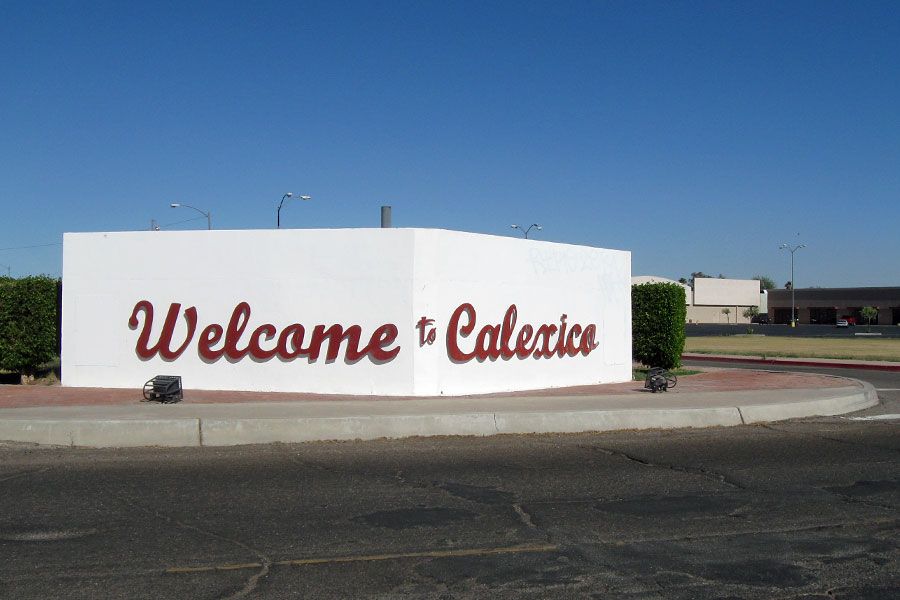
| Mediterranean Geckos have been found in several locations in the Imperial Valley, Imperial County, including Imperial, El Centro and Calexico. | ||||||||||||||||||||||||||||||||||||||||||||||||||||||||||||||||||||||||||||||||||||||||||
| Short Videos | ||||||||||||||||||||||||||||||||||||||||||||||||||||||||||||||||||||||||||||||||||||||||||
 |
 |
|||||||||||||||||||||||||||||||||||||||||||||||||||||||||||||||||||||||||||||||||||||||||
| And adult and a juvenile Mediterranean Gecko run around at night on a white exterior wall in Imperial County | An adult Mediterranean Gecko licks its lips on an exterior wall in Yuma, Arizona. | |||||||||||||||||||||||||||||||||||||||||||||||||||||||||||||||||||||||||||||||||||||||||
|
||||||||||||||||||||||||||||||||||||||||||||||||||||||||||||||||||||||||||||||||||||||||||

|
The following conservation status listings for this animal are taken from the July 2025 State of California Special Animals List and the July 2025 Federally Listed Endangered and Threatened Animals of California list (unless indicated otherwise below.) Both lists are produced by multiple agencies every year, and sometimes more than once per year, so the conservation status listing information found below might not be from the most recent lists, but they don't change a great deal from year to year.. To make sure you are seeing the most recent listings, go to this California Department of Fish and Wildlife web page where you can search for and download both lists: https://www.wildlife.ca.gov/Data/CNDDB/Plants-and-Animals. A detailed explanation of the meaning of the status listing symbols can be found at the beginning of the two lists. For quick reference, I have included them on my Special Status Information page. If no status is listed here, the animal is not included on either list. This most likely indicates that there are no serious conservation concerns for the animal. To find out more about an animal's status you can also go to the NatureServe and IUCN websites to check their rankings. Check the current California Department of Fish and Wildlife sport fishing regulations to find out if this animal can be legally pursued and handled or collected with possession of a current fishing license. You can also look at the summary of the sport fishing regulations as they apply only to reptiles and amphibians that has been made for this website. There are no significant conservation concerns for this non-native lizard in California. |
||
| Organization | Status Listing | Notes |
| NatureServe Global Ranking | ||
| NatureServe State Ranking | ||
| U.S. Endangered Species Act (ESA) | None | |
| California Endangered Species Act (CESA) | None | |
| California Department of Fish and Wildlife | None | |
| Bureau of Land Management | None | |
| USDA Forest Service | None | |
| IUCN | ||
|
|
||
Return to the Top
© 2000 -