
A Guide to the Amphibians
and Reptiles of California
Click on a picture for a larger view
Long-nosed Leopard Lizard - Gambelia wislizenii
(Baird and Girard, 1852)
Description • Taxonomy • Original Citation • Scientific Name • Alt. Names • Similar Herps • References • Conservation Status

Red: Range in California
Dark blue: Hybrids with G. sila
Click on the map for a topographical view
Map with California County Names
 |
|||||||||||||||||||||||||||||||||||||||||||||||||||
| Adult, Lassen County | |||||||||||||||||||||||||||||||||||||||||||||||||||
 |
 |
 |
 |
||||||||||||||||||||||||||||||||||||||||||||||||
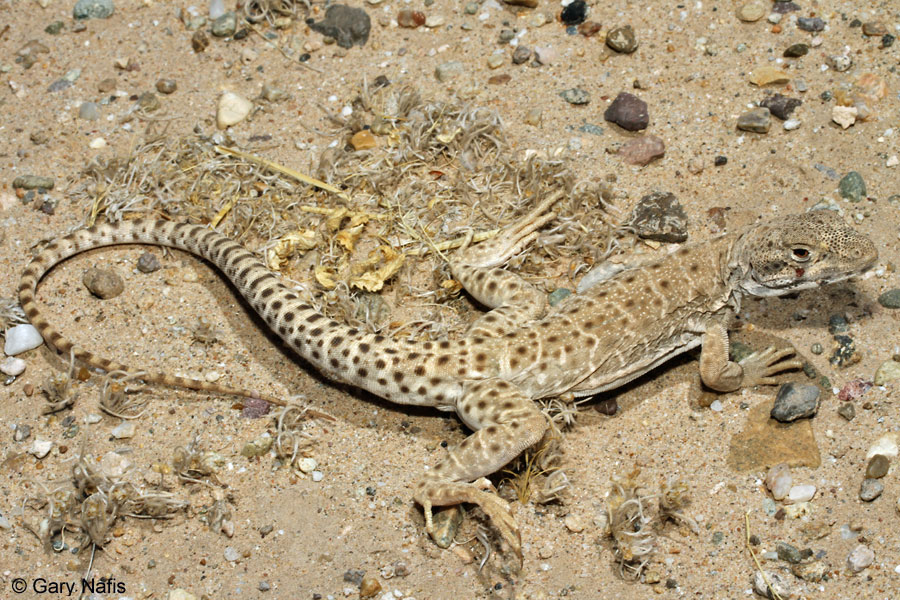
| Adult, Imperial County | |||||||||||||||||||||||||||||||||||||||||||||||||||
 |
 |
 |
 |
||||||||||||||||||||||||||||||||||||||||||||||||
| Adult, Imperial County | Adult, Inyo County | Adult, Inyo County | |||||||||||||||||||||||||||||||||||||||||||||||||
 |
 |
 |
 |
||||||||||||||||||||||||||||||||||||||||||||||||
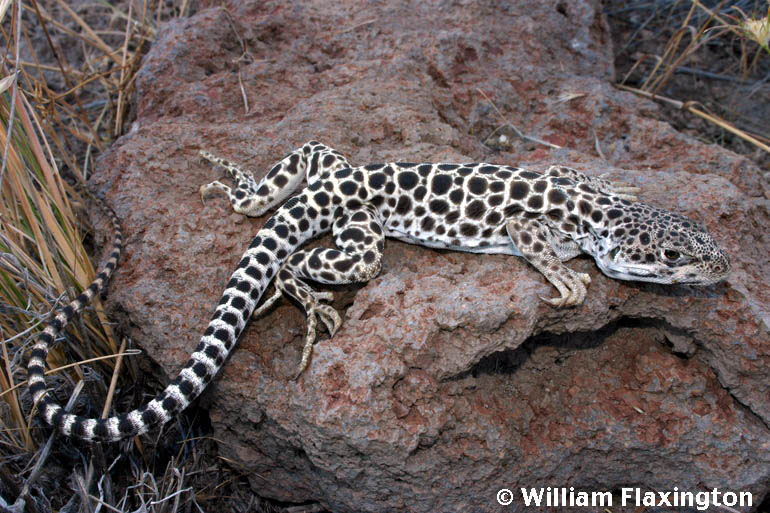
| Adult, Lassen County | Adult, Modoc County © 2005 William Flaxington |
||||||||||||||||||||||||||||||||||||||||||||||||||
 |
 |
 |
 |
||||||||||||||||||||||||||||||||||||||||||||||||
| Subadult, Inyo County | Adult, Kern County | ||||||||||||||||||||||||||||||||||||||||||||||||||
 |
 |
 |
 |
||||||||||||||||||||||||||||||||||||||||||||||||
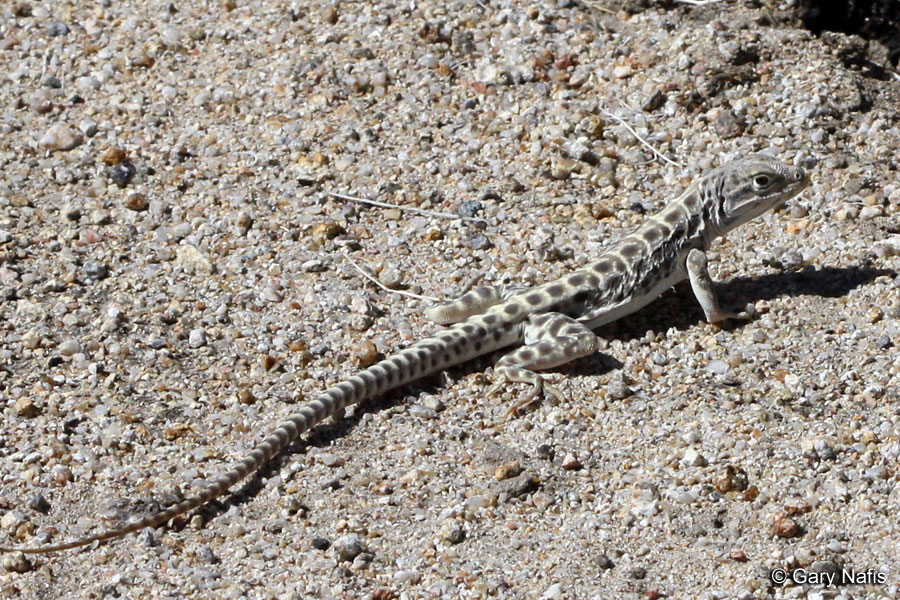
| Adult, Inyo County | Adult, Inyo County | Adult, Kern County | |||||||||||||||||||||||||||||||||||||||||||||||||
 |
 |
 |
 |
||||||||||||||||||||||||||||||||||||||||||||||||
| Adult from Lassen County southeast of Honey Lake. © Debbie Frost | Adult, Mojave Desert. Kern County | Adult, Inyo County | |||||||||||||||||||||||||||||||||||||||||||||||||
 |
 |
 |
 |
||||||||||||||||||||||||||||||||||||||||||||||||
| Adult, approx. 6,500 ft. elevation, Kennedy Meadows in Tulare County © Nancy Herron |
Adult male, San Bernardino County © Benjamin Smith |
Adult in front of Mt. Whitney, Inyo County © Paul Maier | Adult, San Bernardino County © Zeev Nitzan Ginsburg |
||||||||||||||||||||||||||||||||||||||||||||||||
 |
 |
||||||||||||||||||||||||||||||||||||||||||||||||||
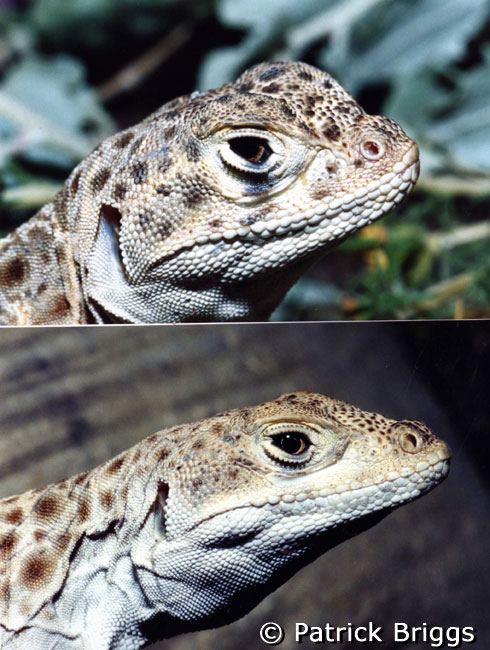
| Gambelia Nose Comparisons Top - Blunt-nosed Leopard Lizard - Gambelia sila (Adult, Kings County) Bottom - Long-nosed Leopard Lizard - Gambelia wislizenii (Adult, Inyo County) © Patrick Briggs |
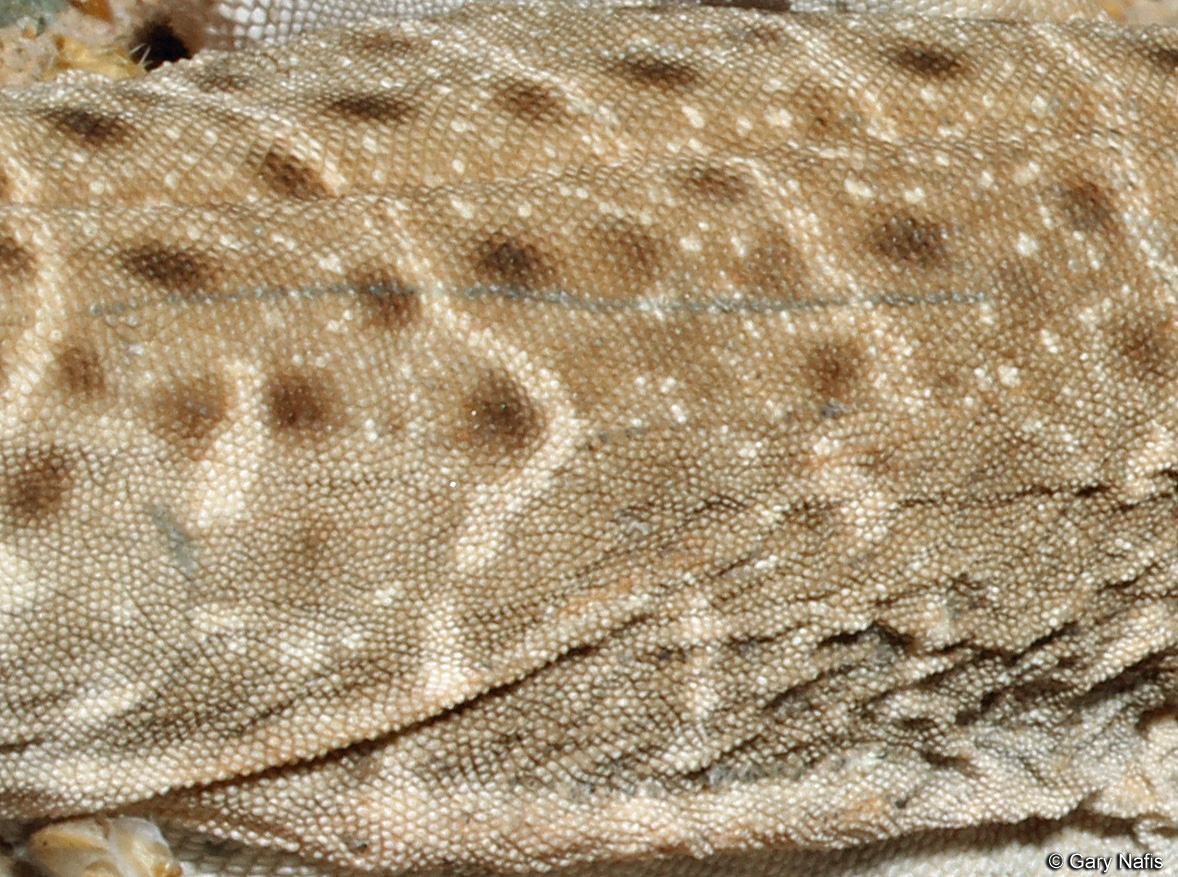
Leopard Lizards, genus Gambelia, have granular scales on the body. | ||||||||||||||||||||||||||||||||||||||||||||||||||
| Adults in the Breeding Season |
|||||||||||||||||||||||||||||||||||||||||||||||||||
 |
 |
||||||||||||||||||||||||||||||||||||||||||||||||||
| Gravid adult female, Kern County © Greg Watson | |||||||||||||||||||||||||||||||||||||||||||||||||||
 |
 |
 |
|||||||||||||||||||||||||||||||||||||||||||||||||
| Adult male and female mating, June, Kern County © Brad Alexander |
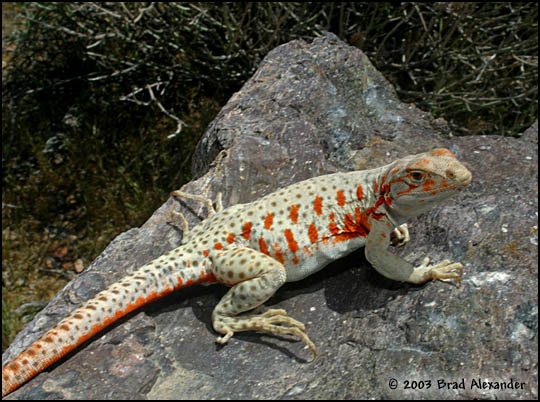
Gravid female in breeding colors, San Bernardino County © Brad Alexander | Male (left) Female (right) in breeding colors Inyo County © Patrick Briggs |
|||||||||||||||||||||||||||||||||||||||||||||||||
 |
 |
 |
 |
||||||||||||||||||||||||||||||||||||||||||||||||
| Female in breeding colors, Inyo County © Patrick Briggs |
Adult female showing breeding colors, San Bernardino County © Benjamin Smith |
Adult female in breeding colors, Mono County © Adam Clause |
Adult female in breeding colors, Mono County © Adam Clause |
||||||||||||||||||||||||||||||||||||||||||||||||
 |
 |
 |
|||||||||||||||||||||||||||||||||||||||||||||||||
| Adult female in breeding colors, Kern County © Zeev Nitzan Ginsburg | Adult female in breeding colors, Inyo County |
Adult female in breeding colors, Mono County © Keith Condon |
|||||||||||||||||||||||||||||||||||||||||||||||||
| Breeding Adults From Outside California | |||||||||||||||||||||||||||||||||||||||||||||||||||
 |
 |
 |
|||||||||||||||||||||||||||||||||||||||||||||||||
| Adult female in breeding colors, Washoe County Nevada | Adult female showing breeding colors, Mohave County, Arizona © Rob McLennan |
||||||||||||||||||||||||||||||||||||||||||||||||||
| Feeding and Predation | |||||||||||||||||||||||||||||||||||||||||||||||||||
 |
|
 |
 |
||||||||||||||||||||||||||||||||||||||||||||||||
| Battle of the Long-Noses An adult Long-nosed Snake was found in Kern County coiled around a Long-nosed Leopard Lizard, attempting to swallow the lizard. The lizard managed to keep its mouth outside the snake's mouth and after 20 minutes, the lizard was able to escape the snake's coils and quickly limp away. It's not known if the lizard survived or died later from its injuries. © Greg Watson |
Adult with red breeding colors eating a Great Basin Whiptail on a road in San Bernardino County. (It is not known if the whiptail was killed by the leopard lizard or if it was dead before it was consumed. © Alexandra Hicks |
This juvenile leopard lizard is eating a juvenile Great Basin Whiptail in Inyo County. Swallowing the complete tail is probably going to take some time. © Jaye B |
|||||||||||||||||||||||||||||||||||||||||||||||||
| Juveniles | |||||||||||||||||||||||||||||||||||||||||||||||||||
 |
 |
 |
 |
||||||||||||||||||||||||||||||||||||||||||||||||
| Juvenile, Washoe County, Nevada | Juvenile, Kern County © Brad Alexander |
Juvenile, Kern County | |||||||||||||||||||||||||||||||||||||||||||||||||
 |
|||||||||||||||||||||||||||||||||||||||||||||||||||
| Juvenile, Inyo County © Rob McLennan | |||||||||||||||||||||||||||||||||||||||||||||||||||
| Adult Long-nosed Leopard Lizards From Outside California | |||||||||||||||||||||||||||||||||||||||||||||||||||
 |
 |
 |
 |
||||||||||||||||||||||||||||||||||||||||||||||||
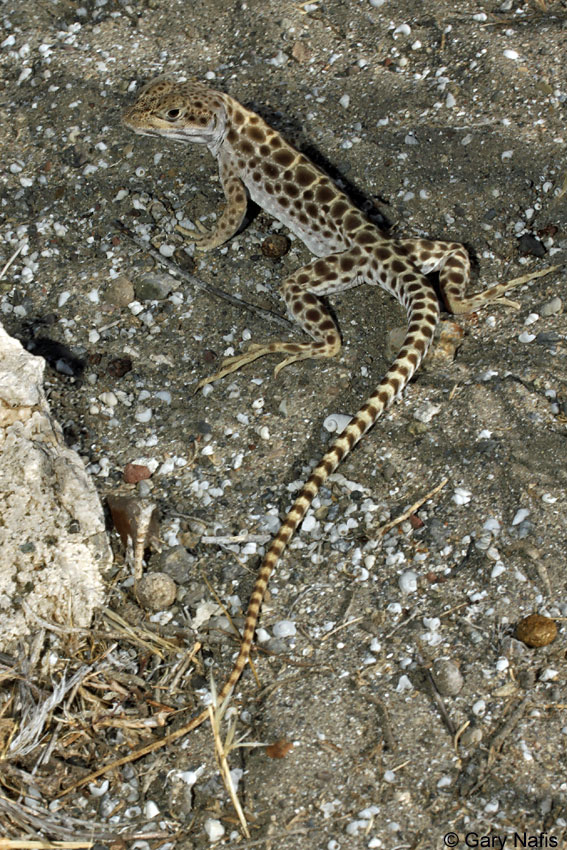
| Adult, Washoe County, Nevada | Adult, Washoe County, Nevada | Adult, Washoe County, Nevada | Adult, Washoe County, Nevada | ||||||||||||||||||||||||||||||||||||||||||||||||
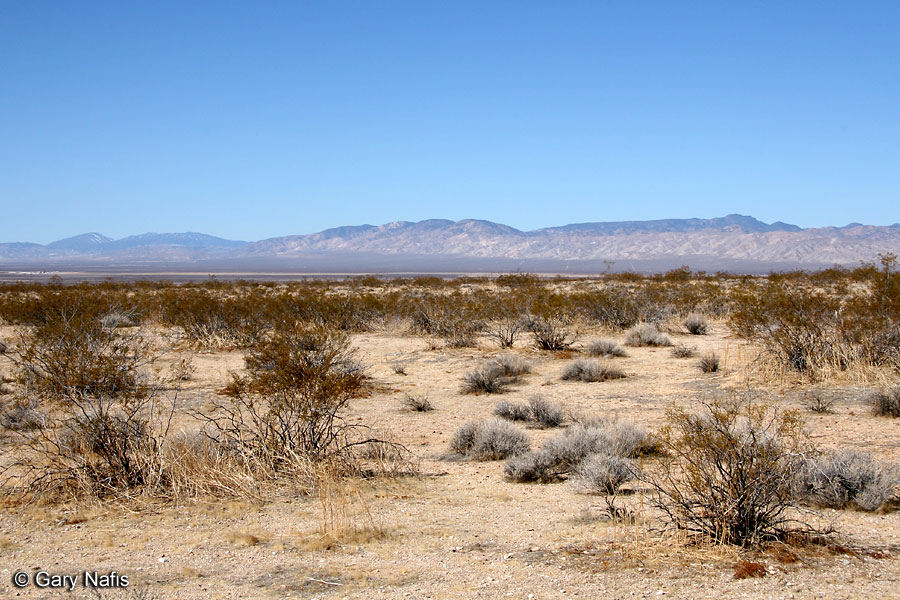
| Habitat | |||||||||||||||||||||||||||||||||||||||||||||||||||
 |
 |
 |
 |
||||||||||||||||||||||||||||||||||||||||||||||||
| Habitat, Inyo County | Habitat, Inyo County | Habitat, Kern County | Habitat, Great Basin desert, 4,000 ft., Lassen County |
||||||||||||||||||||||||||||||||||||||||||||||||
 |
 |
 |
 |
||||||||||||||||||||||||||||||||||||||||||||||||
| Adult in habitat, Inyo County | Habitat, San Bernardino County | Dunes habitat during spring wildflower bloom, Imperial County | Habitat, Inyo County | ||||||||||||||||||||||||||||||||||||||||||||||||
 |
 |
 |
|||||||||||||||||||||||||||||||||||||||||||||||||
| Habitat, San Diego County | Habitat, Surprise Valley, Modoc County | Habitat, Inyo County | |||||||||||||||||||||||||||||||||||||||||||||||||
| Short Videos |
|||||||||||||||||||||||||||||||||||||||||||||||||||
 |
 |
 |
 |
||||||||||||||||||||||||||||||||||||||||||||||||
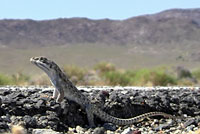
| Stalking a leopard lizard from the lizard's-eye-view. | A leopard lizard slowly wriggles its long tail as if using it as a lure. Or maybe it's a nervous behavior. | A large adult leopard lizard is noosed around the waist then released where it was found in some low sand dunes in Imperial County. | A sub-adult leopard lizard lets the camera get close on a road in the morning in Inyo County. | ||||||||||||||||||||||||||||||||||||||||||||||||
 |
 |
 |
 |
||||||||||||||||||||||||||||||||||||||||||||||||
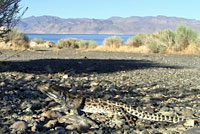
| One morning I saw a dozen leopard lizards basking on asphalt roads in Inyo County. These are a few of them. | Leopard lizards in the Nevada desert. | An adult leopard lizard runs across a road in Lassen County. | A tiny juvenile leopard lizard is caught with a noose. As it is being photographed, a large Yellow-backed Spiny Lizard runs up and grabs it, dragging it and the noose away, until I scare it off. The baby lizard is put back on its basking rock until it revives enough to run under a bush. | ||||||||||||||||||||||||||||||||||||||||||||||||
|
|||||||||||||||||||||||||||||||||||||||||||||||||||
|
|||||||||||||||||||||||||||||||||||||||||||||||||||

|
The following conservation status listings for this animal are taken from the July 2025 State of California Special Animals List and the July 2025 Federally Listed Endangered and Threatened Animals of California list (unless indicated otherwise below.) Both lists are produced by multiple agencies every year, and sometimes more than once per year, so the conservation status listing information found below might not be from the most recent lists, but they don't change a great deal from year to year.. To make sure you are seeing the most recent listings, go to this California Department of Fish and Wildlife web page where you can search for and download both lists: https://www.wildlife.ca.gov/Data/CNDDB/Plants-and-Animals. A detailed explanation of the meaning of the status listing symbols can be found at the beginning of the two lists. For quick reference, I have included them on my Special Status Information page. If no status is listed here, the animal is not included on either list. This most likely indicates that there are no serious conservation concerns for the animal. To find out more about an animal's status you can also go to the NatureServe and IUCN websites to check their rankings. Check the current California Department of Fish and Wildlife sport fishing regulations to find out if this animal can be legally pursued and handled or collected with possession of a current fishing license. You can also look at the summary of the sport fishing regulations as they apply only to reptiles and amphibians that has been made for this website. This animal is not included on the Special Animals List, which indicates that there are no significant conservation concerns for it in California. |
||
| Organization | Status Listing | Notes |
| NatureServe Global Ranking | ||
| NatureServe State Ranking | ||
| U.S. Endangered Species Act (ESA) | None | |
| California Endangered Species Act (CESA) | None | |
| California Department of Fish and Wildlife | None | |
| Bureau of Land Management | None | |
| USDA Forest Service | None | |
| IUCN | ||
|
|
||
Return to the Top
© 2000 -