
A Guide to the Amphibians
and Reptiles of California
Click on a picture for a larger view
Desert Iguana - Dipsosaurus dorsalis
Northern Desert Iguana - Dipsosaurus dorsalis dorsalis
(Baird and Girard, 1852)Description • Taxonomy • Species Description • Scientific Name • Alt. Names • Similar Herps • References • Conservation Status


 |
|||||||||||||||||||||||||||||||||||||||||||||||||||||||
| Adult, San Diego County with a regenerated tail tip | |||||||||||||||||||||||||||||||||||||||||||||||||||||||
 |
 |
||||||||||||||||||||||||||||||||||||||||||||||||||||||
| Adult, Kern County | Adult, San Diego County | ||||||||||||||||||||||||||||||||||||||||||||||||||||||
 |
 |
 |
|||||||||||||||||||||||||||||||||||||||||||||||||||||
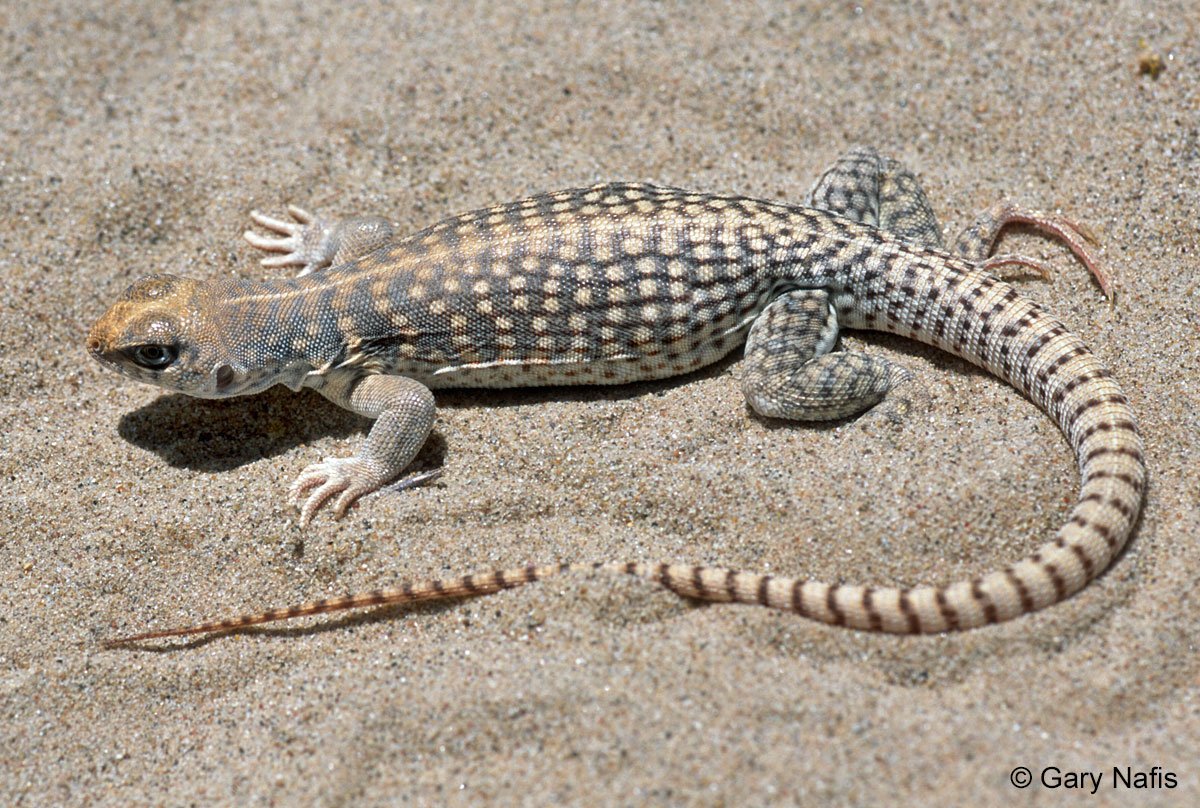
| Adult, Imperial County | Adult, Kern County | Adult, San Diego County | |||||||||||||||||||||||||||||||||||||||||||||||||||||
 |
 |
 |
 |
||||||||||||||||||||||||||||||||||||||||||||||||||||
| Adult, Imperial County | Adult, Kern County with a broken tail tip | Adult, Kern County with a regenerated tail |
|||||||||||||||||||||||||||||||||||||||||||||||||||||
 |
 |
 |
 |
||||||||||||||||||||||||||||||||||||||||||||||||||||
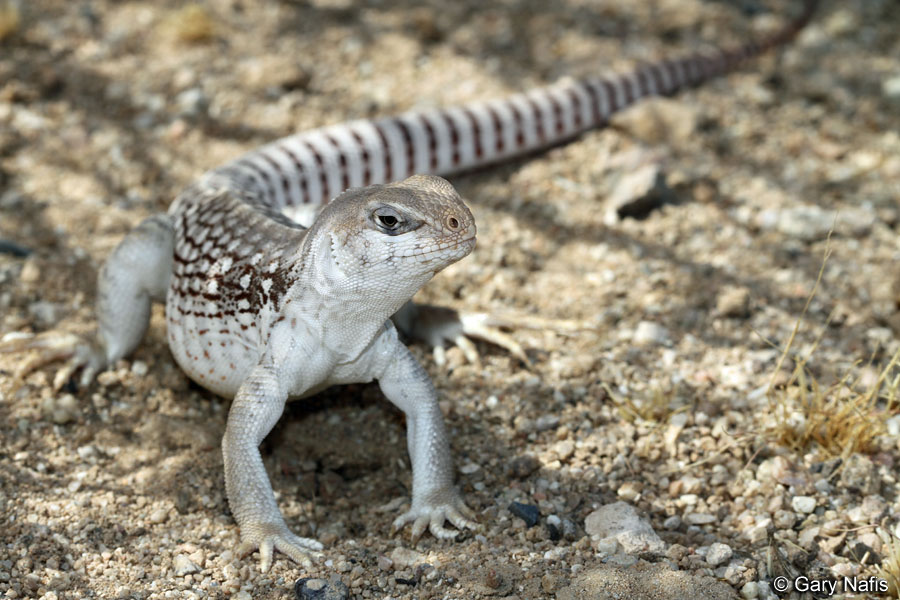
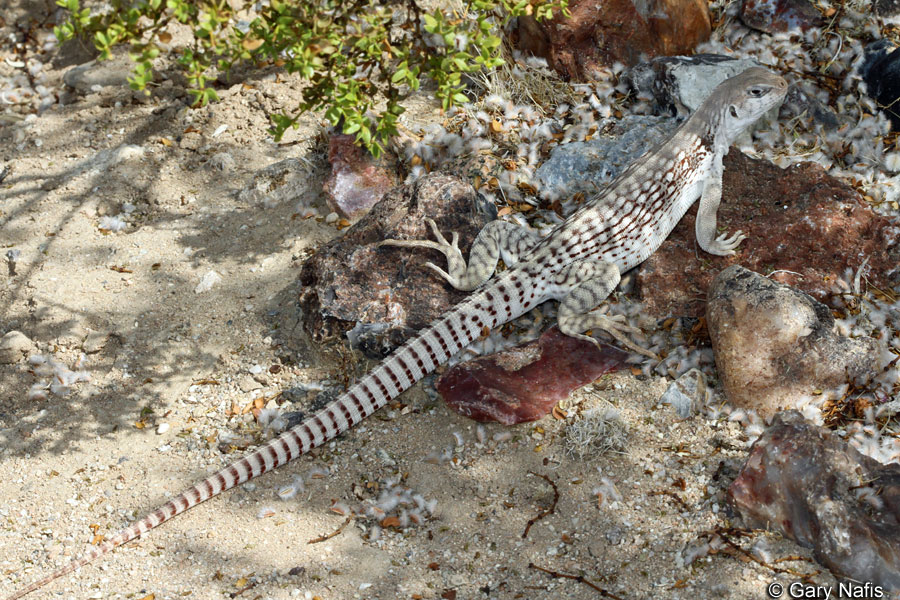
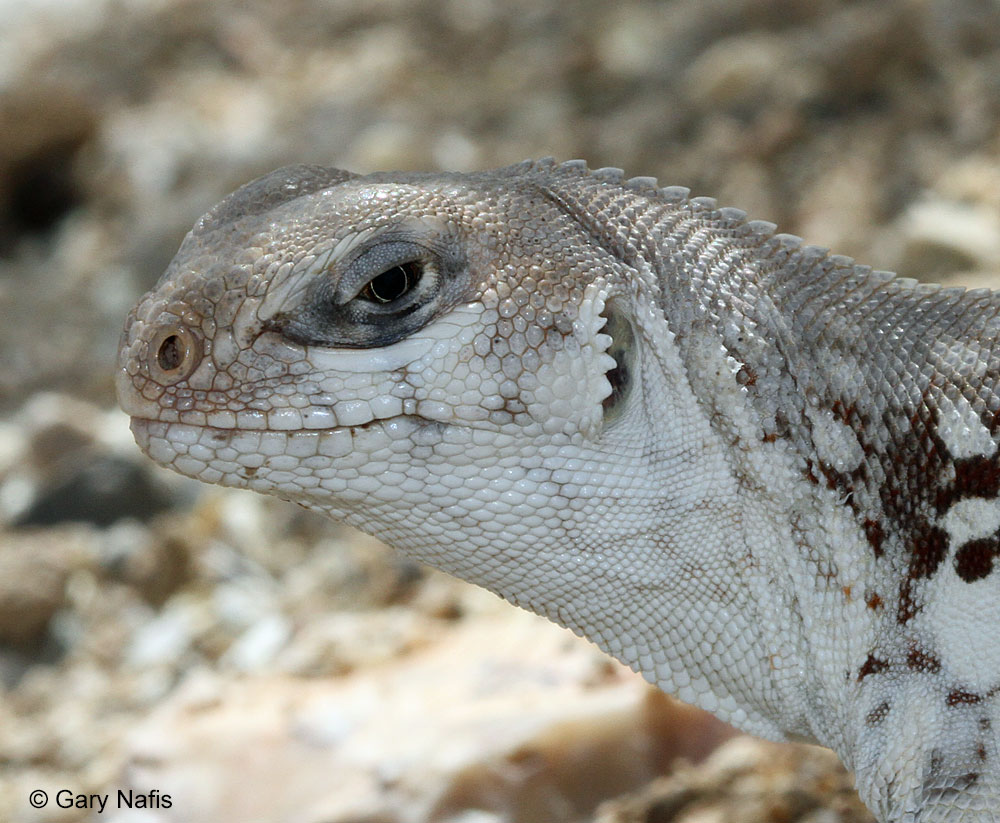
| Adult, Kern County | |||||||||||||||||||||||||||||||||||||||||||||||||||||||
 |
 |
 |
 |
||||||||||||||||||||||||||||||||||||||||||||||||||||
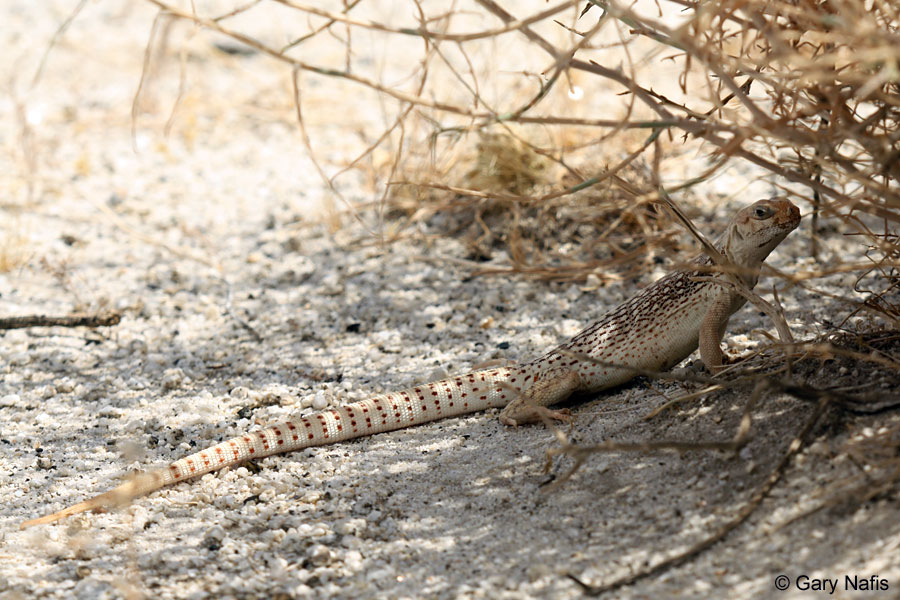
| Adult, San Diego County | Adult, Kern County - notice the slight dorsal crest |
Adult, emerging from burrow, San Diego County |
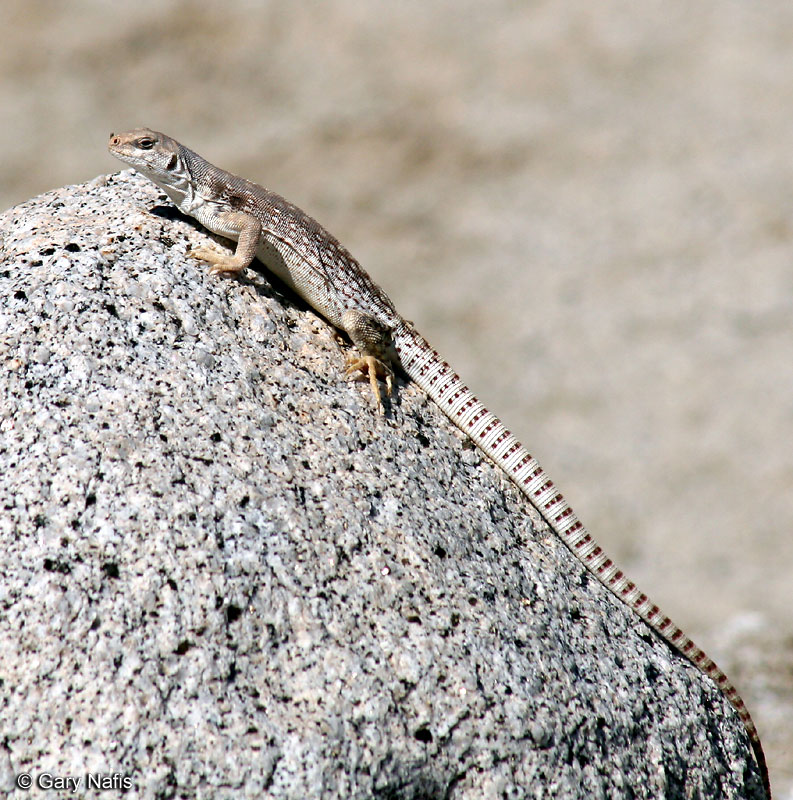
Adult, San Diego County | ||||||||||||||||||||||||||||||||||||||||||||||||||||
 |
 |
 |
 |
||||||||||||||||||||||||||||||||||||||||||||||||||||
| Adult, San Diego County | Adult at burrow, Imperial County. © Michael Clarkson |
Adult at burrow opening in sand dunes habitat, Imperial County | Adult, Imperial County © Patrick Briggs | ||||||||||||||||||||||||||||||||||||||||||||||||||||
 |
 |
 |
 |
||||||||||||||||||||||||||||||||||||||||||||||||||||
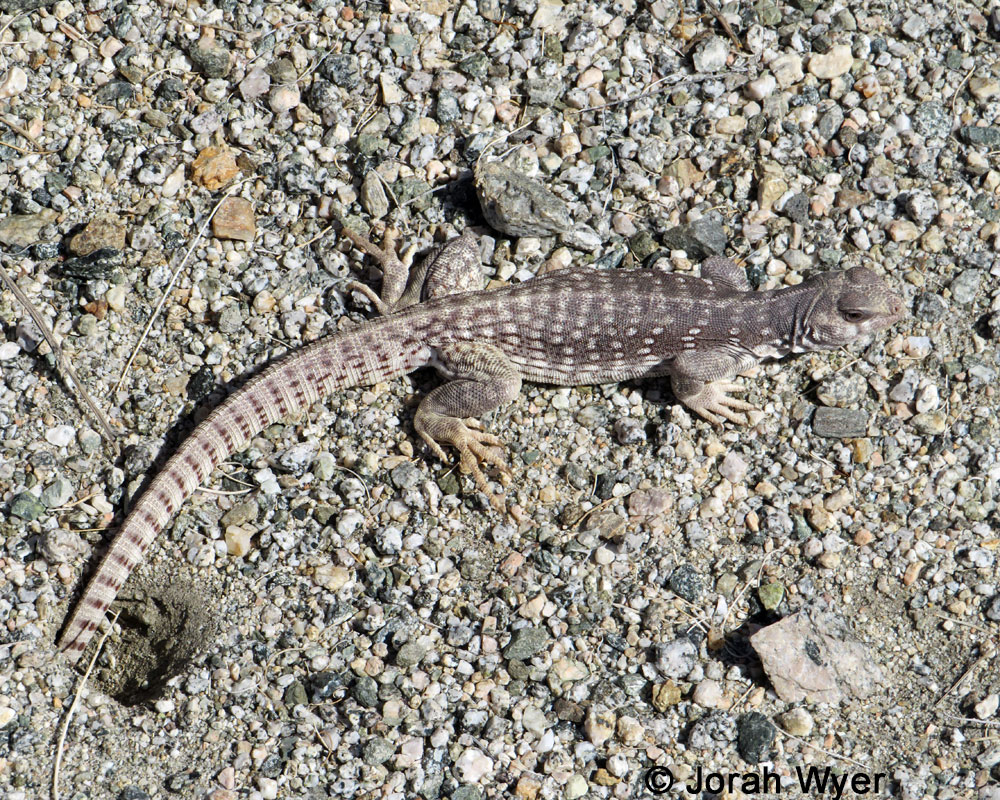
| Adult, Riverside County © Brody Trent | Adult, Riverside County © Jorah Wyer |
Adult, San Diego County | |||||||||||||||||||||||||||||||||||||||||||||||||||||
 |
 |
 |
 |
||||||||||||||||||||||||||||||||||||||||||||||||||||
| Underside of dead adult male, San Diego County, showing reddish breeding coloration | Adult from San Bernardino County lava beds with a re-grown tail. © Anastasia Dimitriu Shupp |
Dark adult, Yuma County, Arizona | Male and female mating in San Bernardino County © Keith Condon | ||||||||||||||||||||||||||||||||||||||||||||||||||||
 |
 |
||||||||||||||||||||||||||||||||||||||||||||||||||||||
| Building mural, 29 Palms, San Bernardino County | Desert Iguanas have small granular scales on the back with a row of slightly larger keeled scales on the middle of the back. | ||||||||||||||||||||||||||||||||||||||||||||||||||||||
| Juveniles | |||||||||||||||||||||||||||||||||||||||||||||||||||||||
 |
 |
 |
|||||||||||||||||||||||||||||||||||||||||||||||||||||
| Juvenile, Kern County | Juvenile, San Bernardino County | Juvenile, Kern County | |||||||||||||||||||||||||||||||||||||||||||||||||||||
| Feeding | |||||||||||||||||||||||||||||||||||||||||||||||||||||||
 |
 |
 |
 |
||||||||||||||||||||||||||||||||||||||||||||||||||||
| Adult, Kern County, eating a desert willow flower. | |||||||||||||||||||||||||||||||||||||||||||||||||||||||
 |
 |
||||||||||||||||||||||||||||||||||||||||||||||||||||||
| Adult foraging in a flowering bush in the spring, Riverside County. © Bruce Montgomery |
|||||||||||||||||||||||||||||||||||||||||||||||||||||||
| Habitat | |||||||||||||||||||||||||||||||||||||||||||||||||||||||
 |
 |
 |
 |
||||||||||||||||||||||||||||||||||||||||||||||||||||
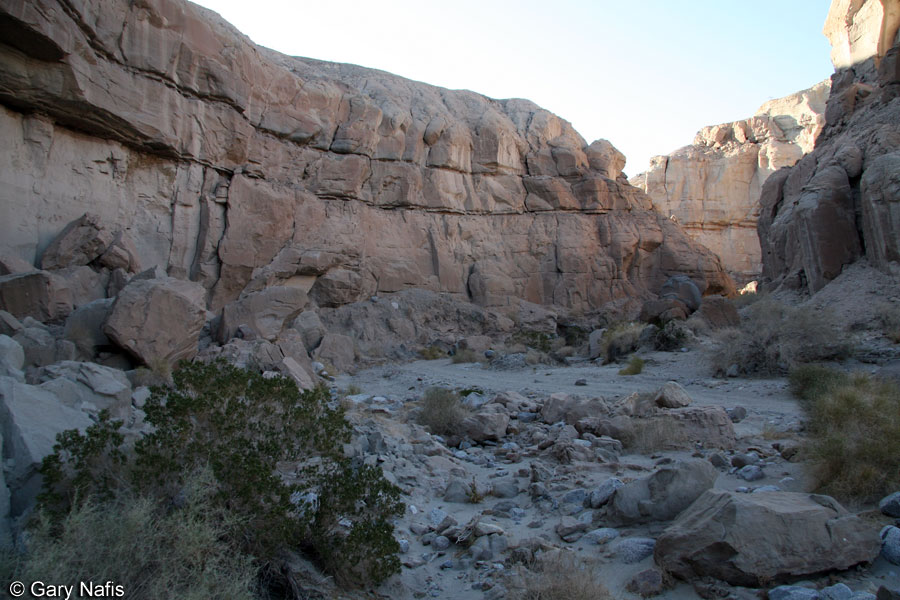
| Creosote flats habitat, Riverside County | Habitat, rocky wash, Inyo County | Habitat, Yuha Desert, Imperial County |
Sand dunes habitat, Imperial County | ||||||||||||||||||||||||||||||||||||||||||||||||||||
 |
 |
 |
 |
||||||||||||||||||||||||||||||||||||||||||||||||||||
| Sandy wash habitat, San Bernardino County |
Habitat, San Diego County | Habitat, lava field, San Bernardino County | Dunes habitat during spring wildflower bloom, Imperial County |
||||||||||||||||||||||||||||||||||||||||||||||||||||
 |
 |
 |
 |
||||||||||||||||||||||||||||||||||||||||||||||||||||
| Adult at burrow opening in sand dunes habitat, Imperial County | Sand dunes habitat, San Bernardino County |
Habitat, Imperial County | Habitat, Imperial County | ||||||||||||||||||||||||||||||||||||||||||||||||||||
 |
|||||||||||||||||||||||||||||||||||||||||||||||||||||||
| Desert Iguana tracks leading into a burrow, Imperial County | |||||||||||||||||||||||||||||||||||||||||||||||||||||||
| Short Videos | |||||||||||||||||||||||||||||||||||||||||||||||||||||||
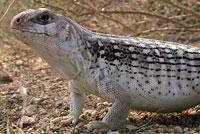 |
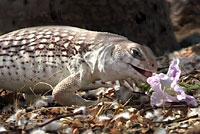 |
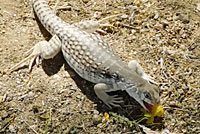 |
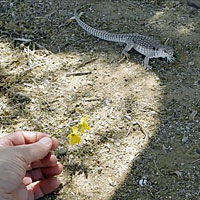 |
||||||||||||||||||||||||||||||||||||||||||||||||||||
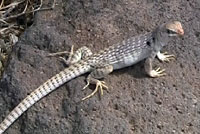
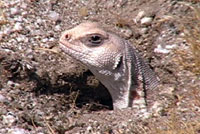
| A large adult desert iguana gets used to me and the camera and lets me get very close before he crawls away and does a few push-ups. | I crawled under a bush with the same friendly iguana seen to the left and tossed him a desert willow flower which he gobbled up for the camera. | I noticed several desert iguanas wandering around under palo verde and desert willow trees on a very hot late Spring afternoon in a small desert park. I decided to pick some of the remaining flowers on the trees and toss them to the iguanas, which readily ate them up. | |||||||||||||||||||||||||||||||||||||||||||||||||||||
 |
 |
 |
 |
||||||||||||||||||||||||||||||||||||||||||||||||||||
| A juvenile desert iguana in the Mohave desert. |
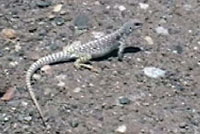
Several Northern Desert Iguanas in the Colorado Desert. |
These two short videos show some of the mating behavior of two adult Desert Iguanas filmed in San Bernardino County in early April. © Alden Lovaas | |||||||||||||||||||||||||||||||||||||||||||||||||||||
 |
|||||||||||||||||||||||||||||||||||||||||||||||||||||||
| A Northern Desert Iguana darts around and does a territorial push-up display. | |||||||||||||||||||||||||||||||||||||||||||||||||||||||
|
|||||||||||||||||||||||||||||||||||||||||||||||||||||||
|
|||||||||||||||||||||||||||||||||||||||||||||||||||||||

|
The following conservation status listings for this animal are taken from the July 2025 State of California Special Animals List and the July 2025 Federally Listed Endangered and Threatened Animals of California list (unless indicated otherwise below.) Both lists are produced by multiple agencies every year, and sometimes more than once per year, so the conservation status listing information found below might not be from the most recent lists, but they don't change a great deal from year to year.. To make sure you are seeing the most recent listings, go to this California Department of Fish and Wildlife web page where you can search for and download both lists: https://www.wildlife.ca.gov/Data/CNDDB/Plants-and-Animals. A detailed explanation of the meaning of the status listing symbols can be found at the beginning of the two lists. For quick reference, I have included them on my Special Status Information page. If no status is listed here, the animal is not included on either list. This most likely indicates that there are no serious conservation concerns for the animal. To find out more about an animal's status you can also go to the NatureServe and IUCN websites to check their rankings. Check the current California Department of Fish and Wildlife sport fishing regulations to find out if this animal can be legally pursued and handled or collected with possession of a current fishing license. You can also look at the summary of the sport fishing regulations as they apply only to reptiles and amphibians that has been made for this website. This animal is not included on the Special Animals List, which indicates that there are no significant conservation concerns for it in California. |
||
| Organization | Status Listing | Notes |
| NatureServe Global Ranking | ||
| NatureServe State Ranking | ||
| U.S. Endangered Species Act (ESA) | None | |
| California Endangered Species Act (CESA) | None | |
| California Department of Fish and Wildlife | None | |
| Bureau of Land Management | None | |
| USDA Forest Service | None | |
| IUCN | ||
|
|
||
Return to the Top
© 2000 -