
A Guide to the Amphibians
and Reptiles of California
Click on a picture for a larger view
Western Spadefoot - Spea hammondii
(Baird, 1859 “1857”)
Description • Taxonomy • Original Citation • Scientific Name • Alt. Names • Similar Herps • References • Conservation Status
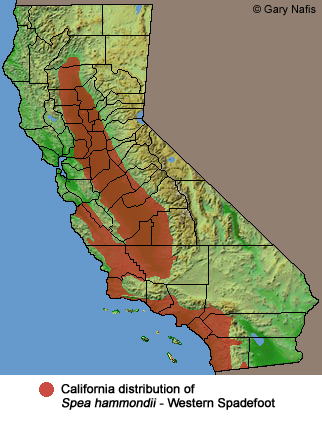
Red: Historic range in California
Click on the map for a topographical view
Map with California County Names
Listen to this spadefoot:

A short example

 |
 |
 |
 |
||||||||||||||||||||||||||||||||||||||||||||||||
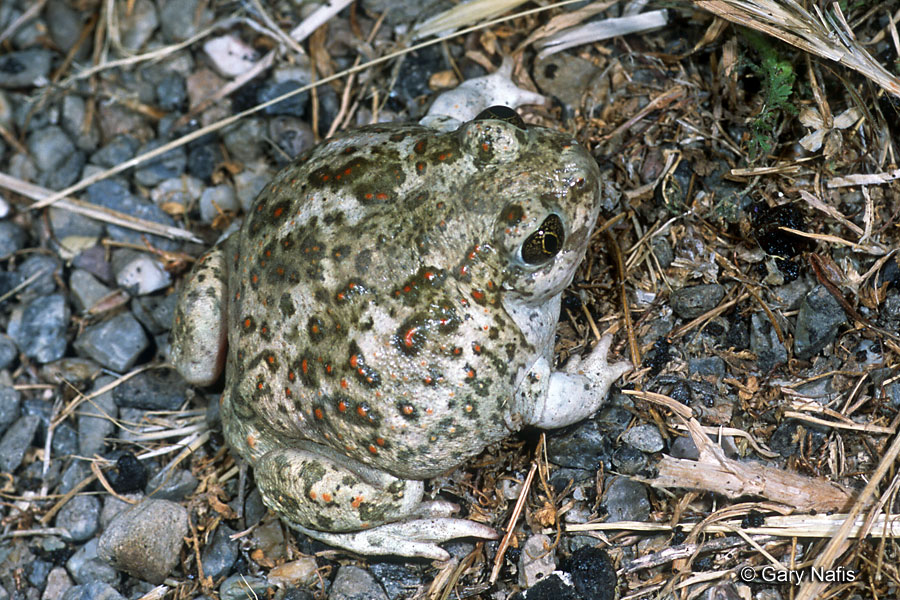
| Adult, San Joaquin County | Adult, San Joaquin County | Adult, San Joaquin County | A small hardened black "spade" on each rear foot helps with digging and gives the "spadefoot" family of frogs its name. | ||||||||||||||||||||||||||||||||||||||||||||||||
 |
 |
 |
 |
||||||||||||||||||||||||||||||||||||||||||||||||
| Juvenile, San Joaquin County | Adult, Butte County © Jackson Shedd |
Adult, San Joaquin County © Mark Gary |
|||||||||||||||||||||||||||||||||||||||||||||||||
 |
 |
 |
 |
||||||||||||||||||||||||||||||||||||||||||||||||
| Adult, Santa Barbara County © Ryan Sikola | Adult, Alameda County © Zachary Lim | ||||||||||||||||||||||||||||||||||||||||||||||||||
 |
 |
 |
 |
||||||||||||||||||||||||||||||||||||||||||||||||
| Adult observed at a breeding puddle in early March in Ventura County © Adam G. Clause |
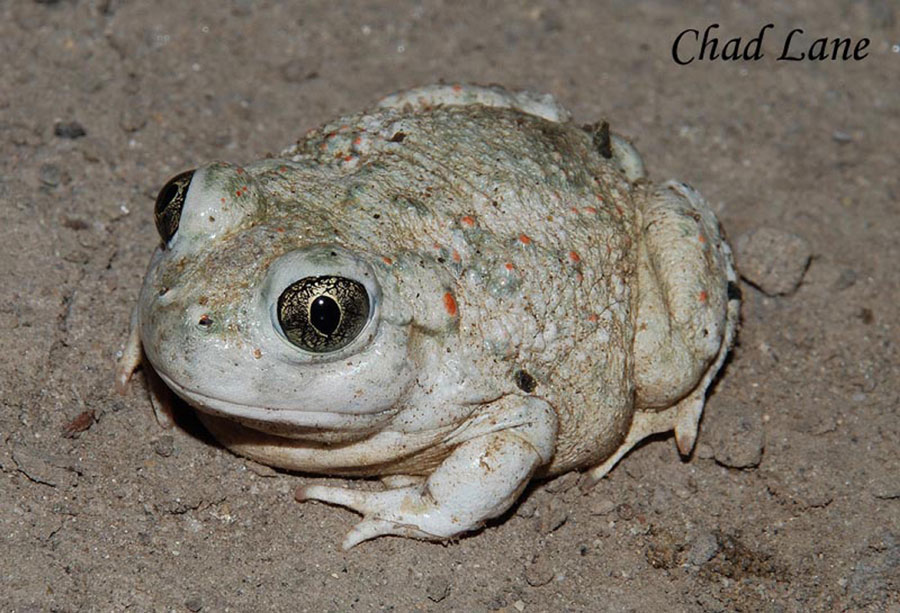
Adult male and female observed at a breeding puddle in early March in Ventura County © Adam G. Clause | Pale adult, San Joaquin County © Chad Lane | |||||||||||||||||||||||||||||||||||||||||||||||||
 |
 |
 |
 |
||||||||||||||||||||||||||||||||||||||||||||||||
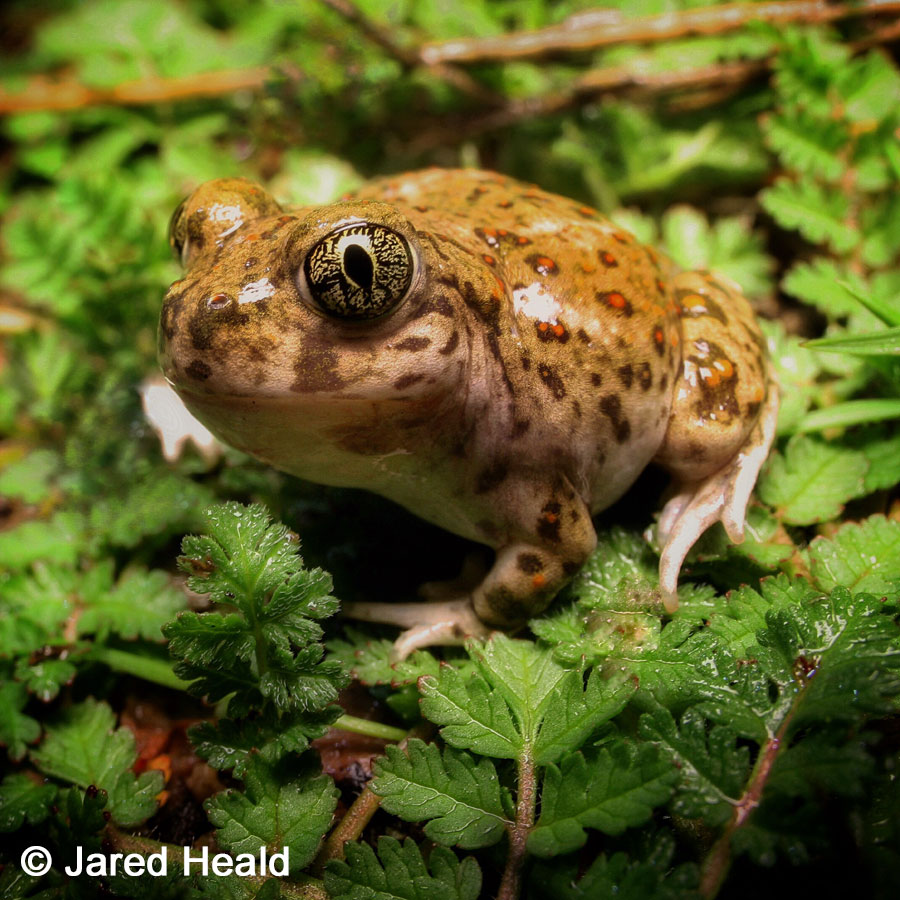
| Adult, Alameda County © Jared Heald | Adult, Riverside County © Dave Zeldin |
Adult, Orange County © Ryan Wolter | Adult, San Diego County. © Gary Nafis Specimen courtesy of Jim Melli San Diego Natural History Museum |
||||||||||||||||||||||||||||||||||||||||||||||||
 |
 |
 |
 |
||||||||||||||||||||||||||||||||||||||||||||||||
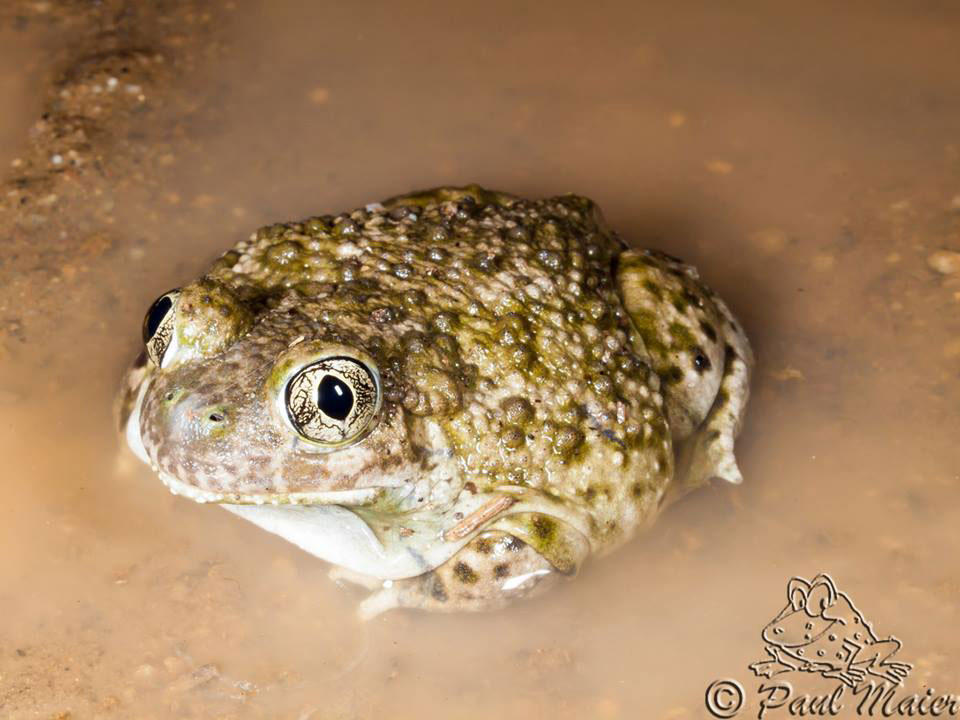
| Adult, San Diego County © Paul Maier | Adult, San Diego County © Paul Maier | Adults, San Diego County © Paul Maier | Adult, Sacramento County © Richard Porter |
||||||||||||||||||||||||||||||||||||||||||||||||
 |
 |
 |
 |
||||||||||||||||||||||||||||||||||||||||||||||||
| Adult, Kings County © Patrick Briggs |
Adult and juvenile, Kings County © Patrick Briggs |
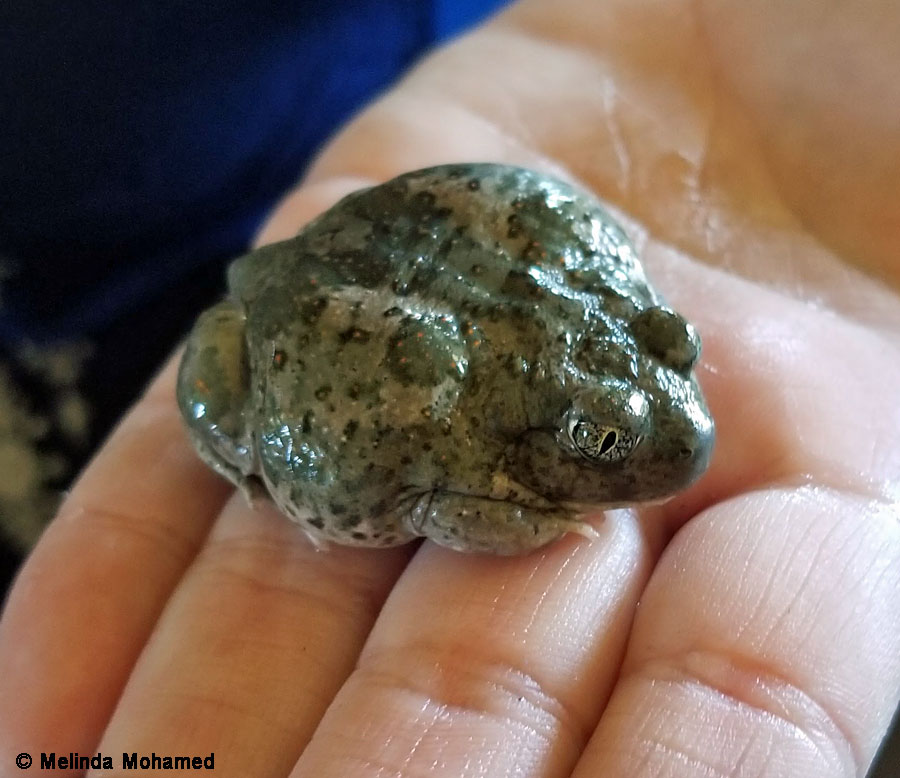
This adult was photographed after it was rescued from an unchlorinated swimming pool in Kern County in May. © Melinda Mohamed | |||||||||||||||||||||||||||||||||||||||||||||||||
 |
 |
 |
 |
||||||||||||||||||||||||||||||||||||||||||||||||
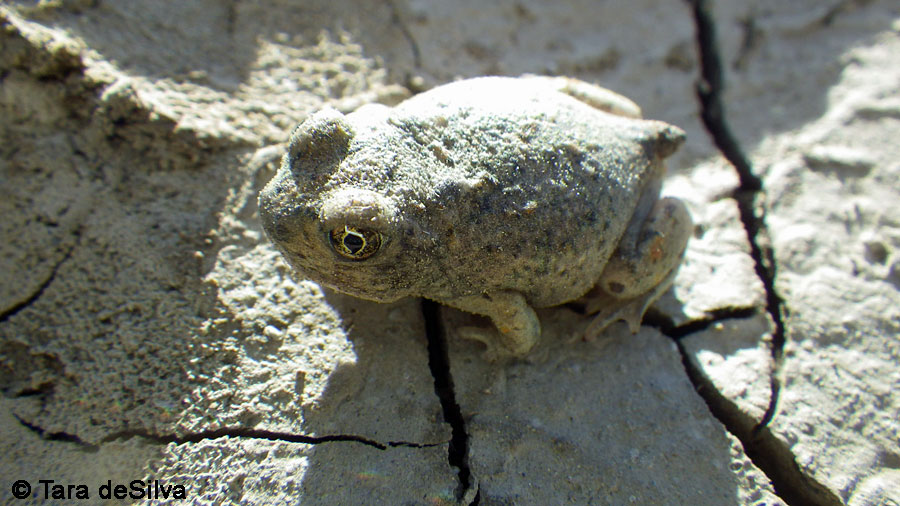
| Adults, San Joaquin County © Tara deSilva | |||||||||||||||||||||||||||||||||||||||||||||||||||
 |
 |
 |
 |
||||||||||||||||||||||||||||||||||||||||||||||||
 |
 |
 |
 |
||||||||||||||||||||||||||||||||||||||||||||||||
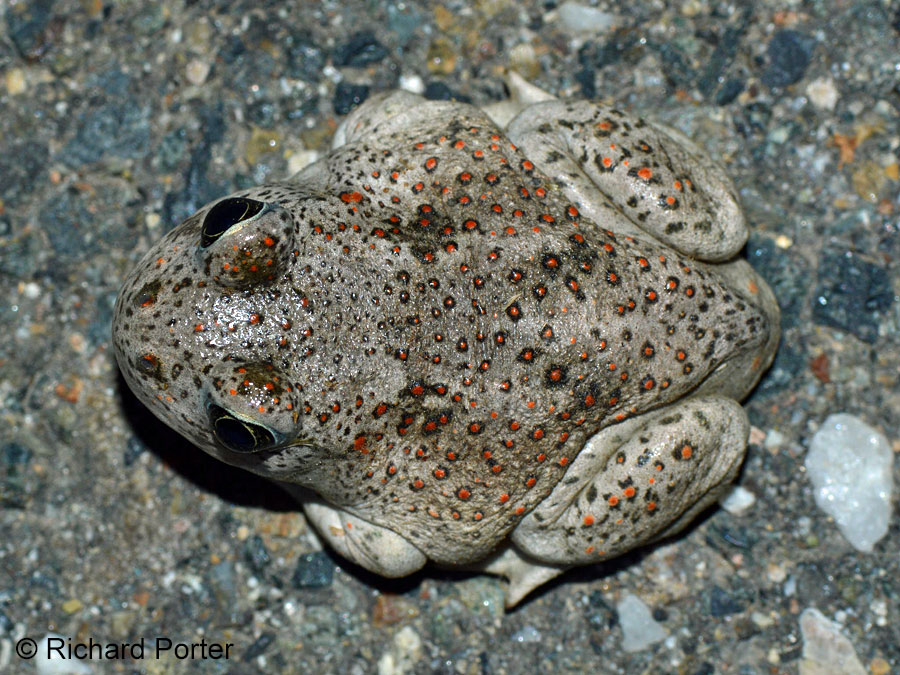
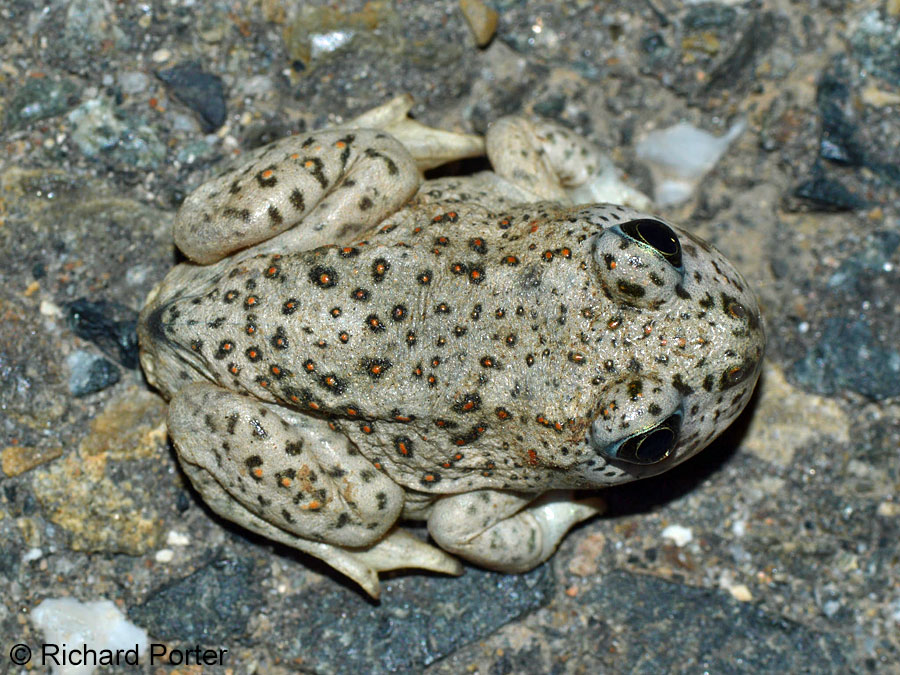
| The juvenile spadefoots shown above were all photographed at one location in Sacramento County, illustrating how diverse the appearance of this species can be. © Richard Porter |
|||||||||||||||||||||||||||||||||||||||||||||||||||
 |
 |
 |
 |
||||||||||||||||||||||||||||||||||||||||||||||||
| Adult, San Luis Obispo County © Tony Kurz | Juvenile, San Luis Obispo County © Andrew Harmer |
Adult, San Diego County © Matthias Lemm |
|||||||||||||||||||||||||||||||||||||||||||||||||
| Mating Adults | |||||||||||||||||||||||||||||||||||||||||||||||||||
 |
 |
 |
 |
||||||||||||||||||||||||||||||||||||||||||||||||
| Male in amplexus with female underwater in daylight, San Joaquin County. In Western Spadefoots, amplexus is inguinal - the male clasps the female around her pelvis, unlike most of our frogs which use axial amplexus in which the male grasps the female around her forelimbs. | Adult male calling, San Diego County © Chris Gruenwald |
Adults in amplexus, Riverside County © Jeff Ahrens |
|||||||||||||||||||||||||||||||||||||||||||||||||
 |
 |
 |
 |
||||||||||||||||||||||||||||||||||||||||||||||||
| Adults in amplexus, San Diego County © Kyle McCann |
Calling adult male in February, Sacramento County © Jon Hirt | Adult male, San Diego County, showing its breeding dark throat patch. © Andrew Borcher |
|||||||||||||||||||||||||||||||||||||||||||||||||
 |
|||||||||||||||||||||||||||||||||||||||||||||||||||
A California Toad attempts amplexus with a Western Spadefoot in San Diego County. © Andrew Borcher |
|||||||||||||||||||||||||||||||||||||||||||||||||||
| Eggs | |||||||||||||||||||||||||||||||||||||||||||||||||||
 |
 |
 |
 |
||||||||||||||||||||||||||||||||||||||||||||||||
| Eggs in breeding pool, Riverside County © Jeff Ahrens |
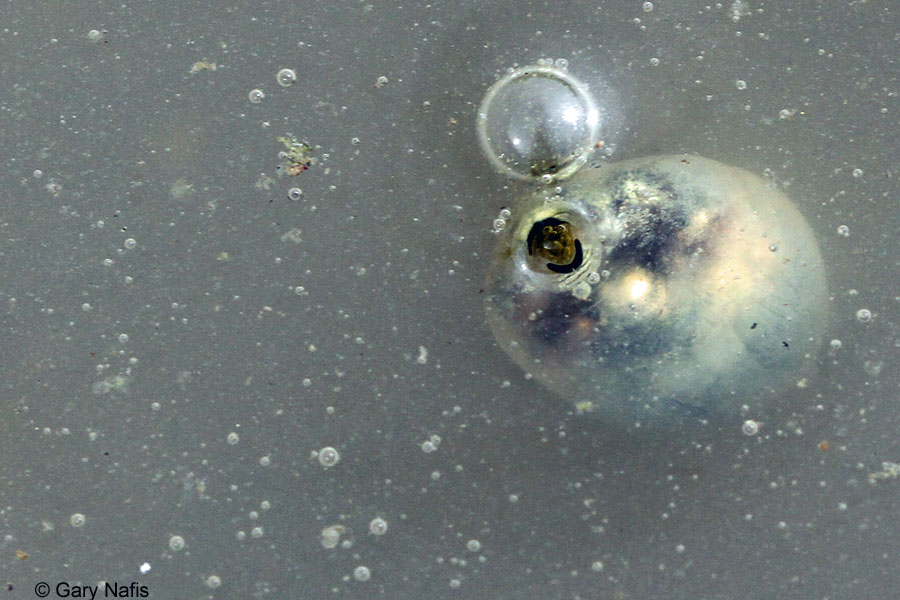
Tadpoles emerging from eggs, Riverside County © Jeff Ahrens | Eggs, Ventura County © Jeff Ahrens | |||||||||||||||||||||||||||||||||||||||||||||||||
 |
 |
 |
|||||||||||||||||||||||||||||||||||||||||||||||||
| Eggs on a stick out of breeding pool, Orange County © Jeff Ahrens | Eggs in breeding pool, San Luis Obispo County © Andrew Harmer | Egg masses of two frog species laid next to each other in the same pool: Top - Baja California Treefrog eggs Bottom - Western Spadefoot eggs Riverside County © Nathan Kudla |
|||||||||||||||||||||||||||||||||||||||||||||||||
| Tadpoles and Recently-metamorphosed Juveniles | |||||||||||||||||||||||||||||||||||||||||||||||||||
 |
 |
 |
 |
||||||||||||||||||||||||||||||||||||||||||||||||
| Tadpoles feeding in a turbid rain pool, Alameda County | Tadpole, Riverside County | ||||||||||||||||||||||||||||||||||||||||||||||||||
 |
 |
 |
 |
||||||||||||||||||||||||||||||||||||||||||||||||
| Tadpole, Riverside County | Tadpole, Riverside County | Tadpole, Riverside County | Tadpole, Riverside County | ||||||||||||||||||||||||||||||||||||||||||||||||
 |
 |
 |
 |
||||||||||||||||||||||||||||||||||||||||||||||||
| Mature tadpole, Orange County © Jeff Ahrens Animal capture and handling authorized under SPC or specific authorization from CDFW. |
Tadpole, Riverside County | Tadpole, Riverside County | Metamorphosing tadpole, Monterey County (captured and handled under state Scientific Collecting Permit and released at point of capture.) © Adam Clause |
||||||||||||||||||||||||||||||||||||||||||||||||
 |
 |
 |
 |
||||||||||||||||||||||||||||||||||||||||||||||||
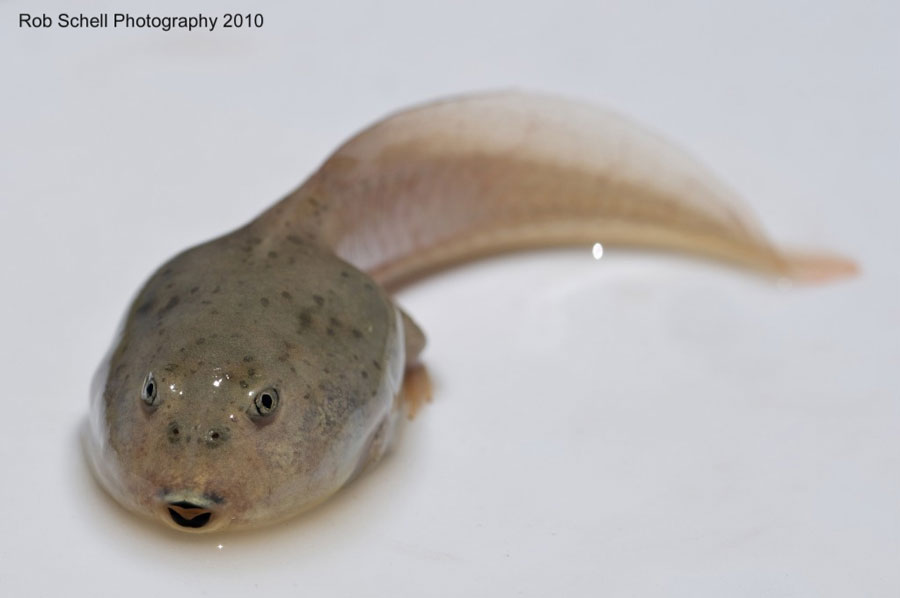
| Tadpole, Kings County © Patrick Briggs | Mature tadpole, Monterey County © Rob Schell | ||||||||||||||||||||||||||||||||||||||||||||||||||
 |
 |
 |
 |
||||||||||||||||||||||||||||||||||||||||||||||||
| Young tadpole underwater, Kern County | Young tadpole underwater, Kern County | Young tadpole, Kern County | Young tadpole underwater, Kern County | ||||||||||||||||||||||||||||||||||||||||||||||||
 |
 |
 |
 |
||||||||||||||||||||||||||||||||||||||||||||||||
| These tadpoles, including several white ones presumed to be albinos, were observed in a shallow road rut pool in San Diego County. A short time later the albinos were observed to have sprouted legs. © Anicka Kratina-Hathaway | Short Video of the albino tadpoles. © Anicka Kratina-Hathaway |
||||||||||||||||||||||||||||||||||||||||||||||||||
 |
 |
 |
 |
||||||||||||||||||||||||||||||||||||||||||||||||
| It's a hard life for opportunistic breeders (Ervin and Cass 2007 Herp. Rev. 38:2, 196-197) such as Western Spadefoots who depend on big rain events that will leave a pool of water that lasts long enough for their eggs to hatch and the tadpoles to transform. That takes from four to eleven weeks for this species, but sometimes the water disappears faster than that. The tadpole and recently-metamorphosed toadlet seen in the two pictures above on the left were found in a vernal pool only a few feet away from the dead tadpoles in the dried up pool shown in the two pictures above on the right. Kyle McCann points out that this "shows the plasticity in development with similar environmental conditions." Something he's seen dozens of times. San Diego County © Kyle McCann |
|||||||||||||||||||||||||||||||||||||||||||||||||||
 |
 |
 |
 |
||||||||||||||||||||||||||||||||||||||||||||||||
| Recently-metamorphosed juveniles taking shelter in shaded cracks in the mud of their natal pool, San Joaquin County © Tara de Silva |
Recently-metamorphosed juvenile, San Joaquin County © Tara de Silva | Recently-metamorphosed juvenile, San Joaquin County © Tara de Silva | Metamorphosing juvenile on the banks of its natal pool, San Joaquin County © Tara de Silva |
||||||||||||||||||||||||||||||||||||||||||||||||
 |
 |
 |
 |
||||||||||||||||||||||||||||||||||||||||||||||||
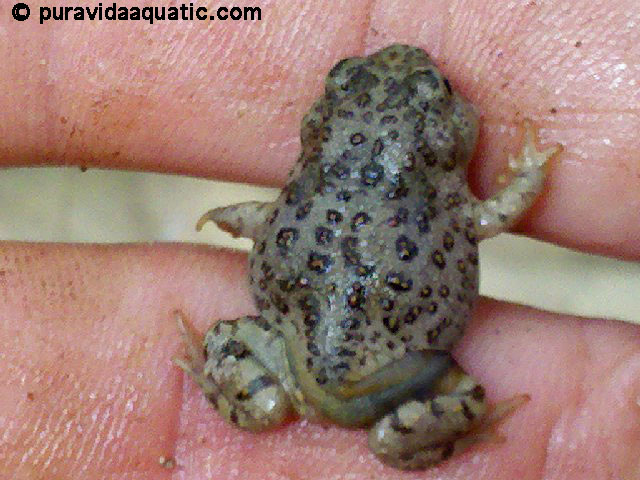
| Recently metamorphosed juvenile with tail, Kings County © Patrick Briggs | Recently metamorphosed juvenile with tail, San Diego County © PuraVidaAquatic.com |
Juvenile emerging from cracked mud, Los Angeles County © Jeff Ahrens | |||||||||||||||||||||||||||||||||||||||||||||||||
 |
 |
 |
 |
||||||||||||||||||||||||||||||||||||||||||||||||
| Juvenile Los Angeles County © Jeff Ahrens |
Juvenile Los Angeles County © Jeff Ahrens |
Juvenile hiding in a crack, Los Angeles County © Jeff Ahrens | Juvenile Los Angeles County © Jeff Ahrens |
||||||||||||||||||||||||||||||||||||||||||||||||
 |
 |
 |
 |
||||||||||||||||||||||||||||||||||||||||||||||||
| Swimming juvenile Los Angeles County © Jeff Ahrens |
Recently metamorphosed juveniles sheltering in cracks in the mud of their dried out natal pool, San Joaquin County © Tara deSilva |
||||||||||||||||||||||||||||||||||||||||||||||||||
 |
 |
 |
 |
||||||||||||||||||||||||||||||||||||||||||||||||
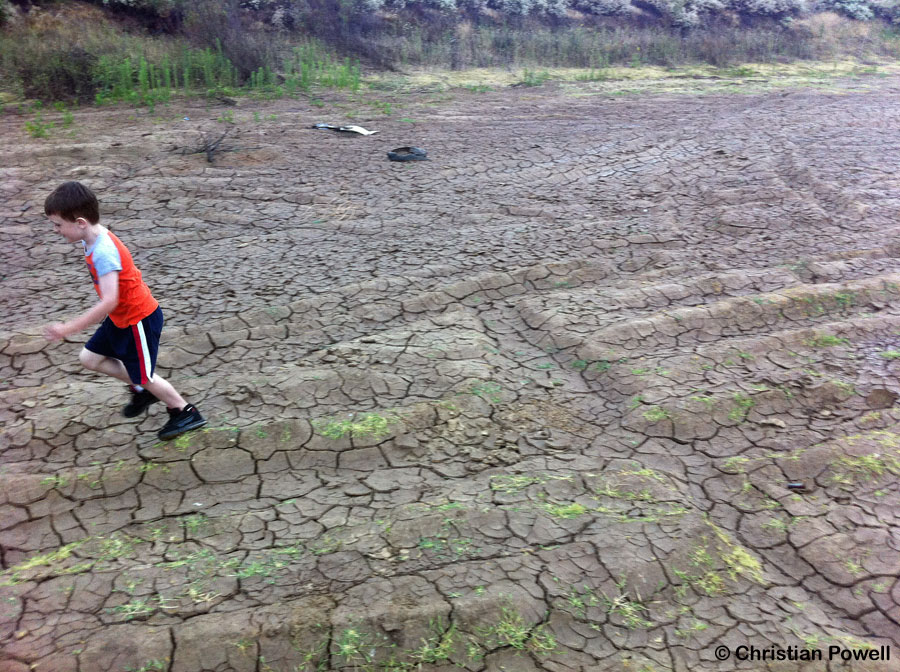
| Sean Powell runs across the cracked dry bed of a rain pool in San Bernardino County that was full of water in the spring and a breeding area for Western Spadefoots. After an August thunderstorm, hundreds of tiny recently-metamorphosed spadefoots, including the one shown on the right, were found emerging from cracks in the mud. © Christian Powell | Tadpole preyed upon by some type of aquatic larva, perhaps that of a water beetle or a dragonfly, Orange County © Jeff Ahrens | ||||||||||||||||||||||||||||||||||||||||||||||||||
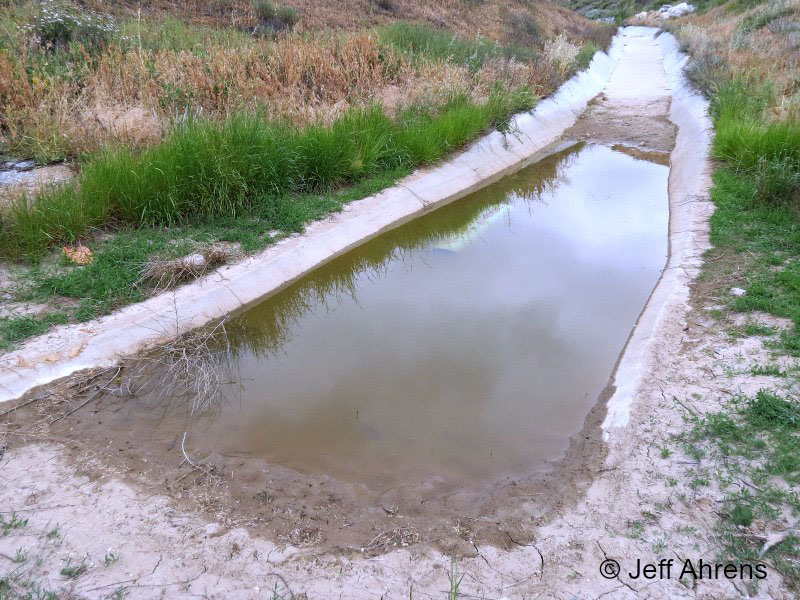
| Habitat | |||||||||||||||||||||||||||||||||||||||||||||||||||
 |
 |
 |
 |
||||||||||||||||||||||||||||||||||||||||||||||||
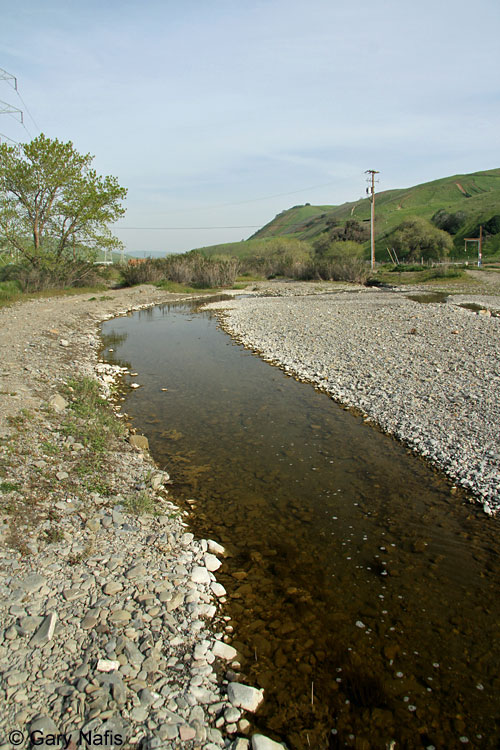
| Breeding habitat, slow-moving creek, San Joaquin County |
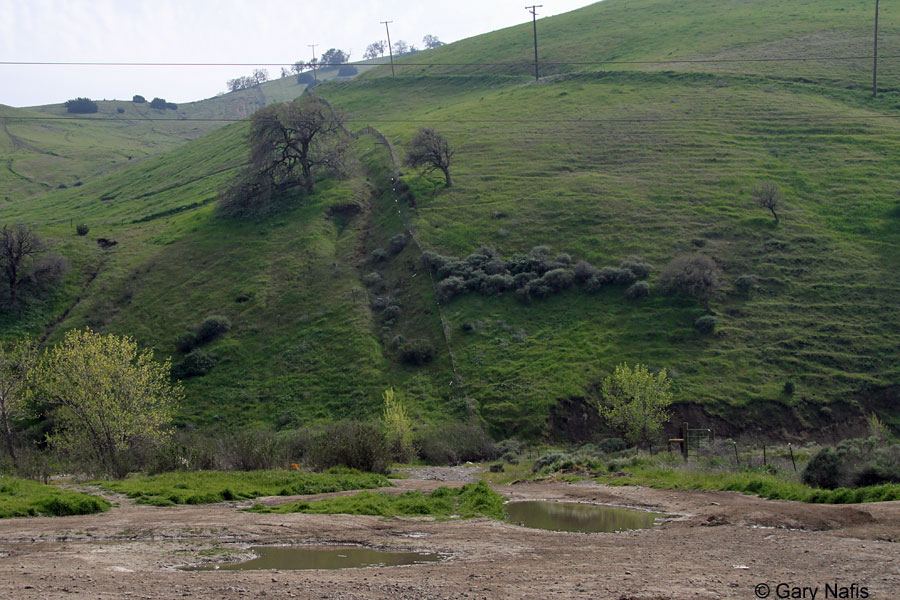
Breeding habitat, rain pools, Alameda County | Shallow breeding pool with tadpoles, San Diego County |
|||||||||||||||||||||||||||||||||||||||||||||||||
 |
 |
 |
 |
||||||||||||||||||||||||||||||||||||||||||||||||
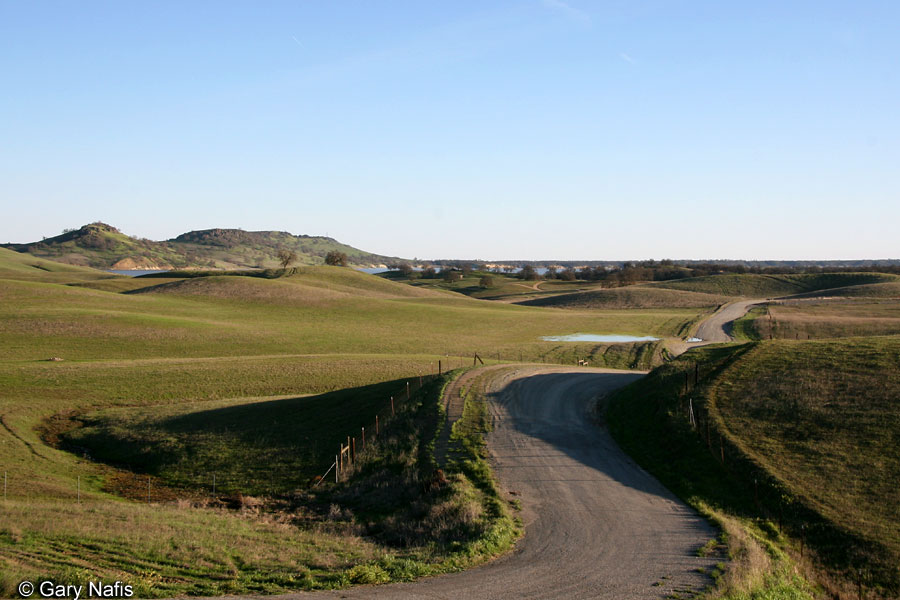
| Breeding habitat, Riverside County | Breeding pool, Butte County | Habitat, Glenn County | |||||||||||||||||||||||||||||||||||||||||||||||||
 |
 |
 |
 |
||||||||||||||||||||||||||||||||||||||||||||||||
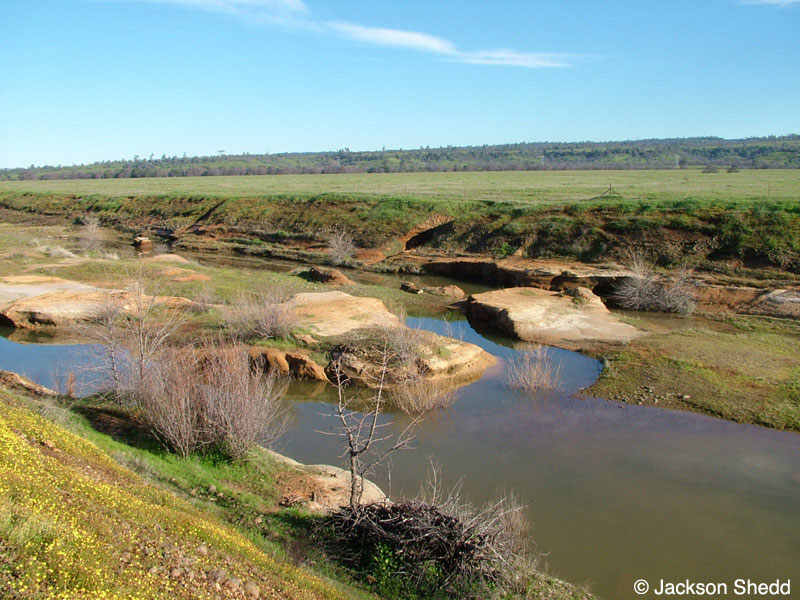
| Breeding pool, Butte County © Jackson Shedd |
Habitat, Butte County © Jackson Shedd |
Habitat, San Joaquin County | Breeding pool, San Luis Obispo County, © Andrew Harmer | ||||||||||||||||||||||||||||||||||||||||||||||||
 |
 |
 |
 |
||||||||||||||||||||||||||||||||||||||||||||||||
| Habitat, San Joaquin County | Breeding habitat trampled by irresponsible off-road vehicle activity, Butte County |
Habitat, San Diego County | Breeding habitat, Riverside County | ||||||||||||||||||||||||||||||||||||||||||||||||
 |
 |
 |
 |
||||||||||||||||||||||||||||||||||||||||||||||||
| Protected breeding pool at Alameda County state park. | Habitat, Ventura County © Jeff Ahrens | Habitat, Los Angeles County © Jeff Ahrens |
Breeding habitat, inner coast range flooded field, Kern County | ||||||||||||||||||||||||||||||||||||||||||||||||
| Short Videos | |||||||||||||||||||||||||||||||||||||||||||||||||||
 |
 |
 |
|||||||||||||||||||||||||||||||||||||||||||||||||
| A male and a female spadefoot in amplexus underwater in a breeding area of a rocky creek bed in San Joaquin County. You can also see some eggs by the pair and floating nearby. (The first shot is of the female after the male left her.) | A tiny juvenile spadefoot, which probably transformed about 2 - 3 months earlier, is found crossing a road at night in San Joaquin County. Disturbed by our lights, it started digging into the ground in typical spadefoot fashion - using the hind legs to dig and slowly sinking down backwards to hide. But it could not dig deep enough due to the hard ground, so it hopped away into the dry grass. | An adult male calls at night in a shallow creek in San Diego County. © Andrew Borcher |
Watch more video of Western Spadefoots at naturebytesvideo.com | ||||||||||||||||||||||||||||||||||||||||||||||||
 |
 |
||||||||||||||||||||||||||||||||||||||||||||||||||
| Tadpoles in muddy rain puddles in Riverside County in early April. | Western Spadefoot tadpoles swim and feed in a murky rain puddle in Alameda County. The have to eat as much as possible so they will grow large enough to transform into terrestrial spadefoots before the puddle completely dries up. | ||||||||||||||||||||||||||||||||||||||||||||||||||
|
|||||||||||||||||||||||||||||||||||||||||||||||||||
|
|||||||||||||||||||||||||||||||||||||||||||||||||||

|
The following conservation status listings for this animal are taken from the July 2025 State of California Special Animals List and the July 2025 Federally Listed Endangered and Threatened Animals of California list (unless indicated otherwise below.) Both lists are produced by multiple agencies every year, and sometimes more than once per year, so the conservation status listing information found below might not be from the most recent lists, but they don't change a great deal from year to year.. To make sure you are seeing the most recent listings, go to this California Department of Fish and Wildlife web page where you can search for and download both lists: https://www.wildlife.ca.gov/Data/CNDDB/Plants-and-Animals. A detailed explanation of the meaning of the status listing symbols can be found at the beginning of the two lists. For quick reference, I have included them on my Special Status Information page. If no status is listed here, the animal is not included on either list. This most likely indicates that there are no serious conservation concerns for the animal. To find out more about an animal's status you can also go to the NatureServe and IUCN websites to check their rankings. Check the current California Department of Fish and Wildlife sport fishing regulations to find out if this animal can be legally pursued and handled or collected with possession of a current fishing license. You can also look at the summary of the sport fishing regulations as they apply only to reptiles and amphibians that has been made for this website. |
||
| Organization | Status Listing | Notes |
| NatureServe Global Ranking | G2G3 | Imperiled |
| NatureServe State Ranking | S3 | Vulnerable |
| U.S. Endangered Species Act (ESA) | None | USFWS proposed ESA threatened listing 12/23. |
| California Endangered Species Act (CESA) | None | |
| California Department of Fish and Wildlife | SSC | Species of Special Concern |
| Bureau of Land Management | S | Sensitive |
| USDA Forest Service | None | |
| IUCN | NT | Near Threatened |
Return to the Top
© 2000 -