
A Guide to the Amphibians
and Reptiles of California
Click on a picture for a larger view
California Mountain Kingsnake - Lampropeltis zonata
(Lockington ex Blainville, 1876)(= Lampropeltis multifasciata - Coast Mountain Kingsnake)
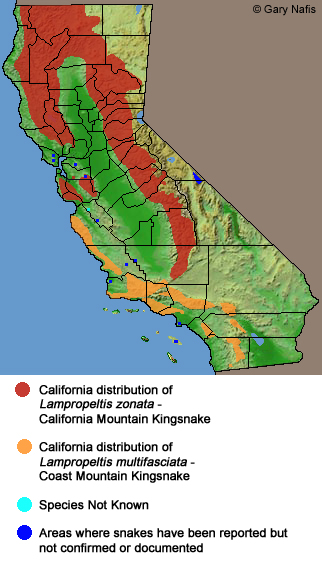
 Red: Range of this species in California
Lampropeltis zonata - California Mountain Kingsnake
Blue: Areas where mountain kingsnakes have been reported
but not confirmed or documented.
Click on the map for a topographical view
Map with California County Names

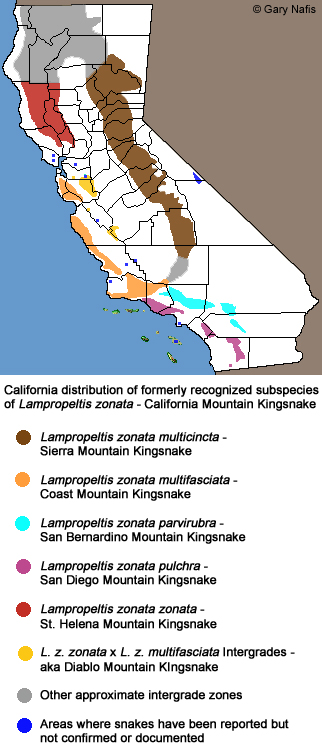
| All of the Mountain Kingsnakes shown on this page are currently recognized to be the same species. Lampropeltis zonata was formerly treated here as a species with five subspecies present in California. (Subspecies Range Map) Then it was treated here as two species: L. zonata - California Mountain Kingsnake and L. multifasciata - Coast Mountain Kingsnake. (Two-species Range Map) That two-species taxonomy was never universally accepted so after years of using it, this site has returned to recognizing one species, but no longer recognizing subspecies. However, because there is some locality-based variation in pattern in the species, and because many mountain kingsnake enthusiasts prefer to recognize subspecies, the pictures of snakes seen on this page have been organized into groups that correspond to the formerly-recognized subspecies and intergrade groups: Sierra Mountain Kingsnake - L. z. multicincta Coast Mountain Kingsnake - L. z. multifasciata San Bernardino Mountain Kingsnake - L. z. parvirubra San Diego Mountain Kingsnake - L. z. pulchra St. Helena Mountain Kingsnake - L. z. zonata Diablo Mountain Kingsnake Intergrades - L. z. multicincta x L. z. multifasciata Mountain Kingsnakes In Baja California Lampropeltis zonata - formerly known as Lampropeltis zonata agalma - Baja California Mountain Kingsnake Lampropeltis herrerae aka Lampropeltis zonata (herrarae) - South Todos Santos Island Mountain Kingsnake |
|||||||||||||||||||||||||||||||||||||||||||||||||||
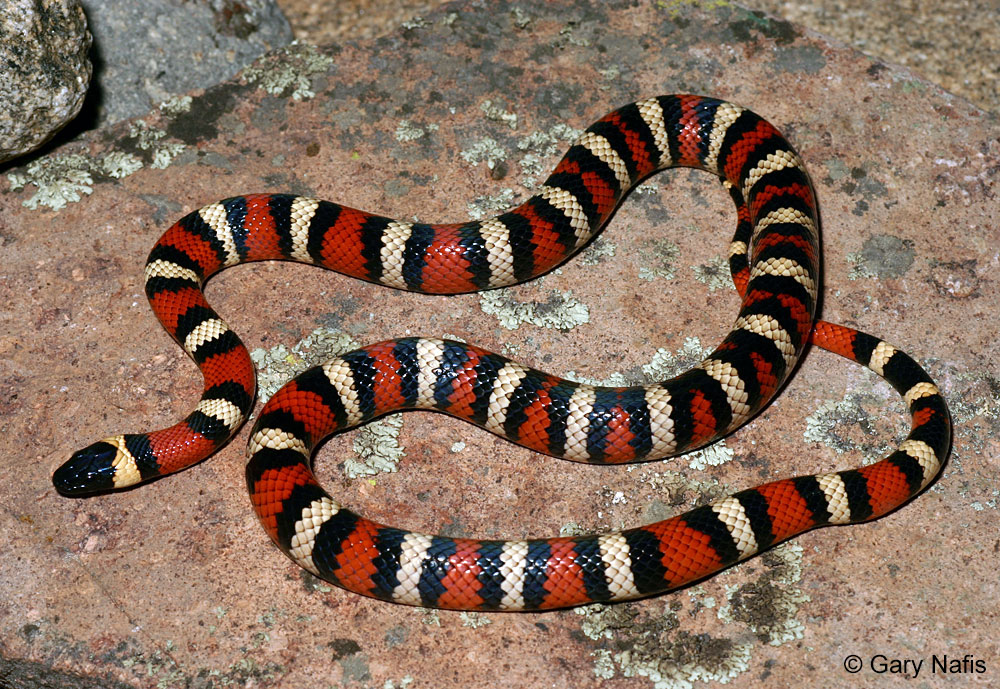
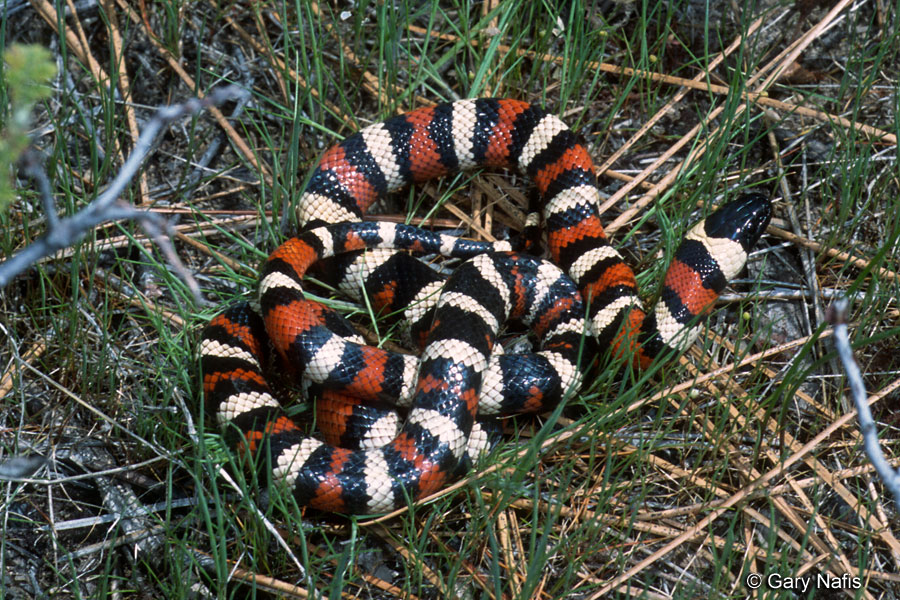
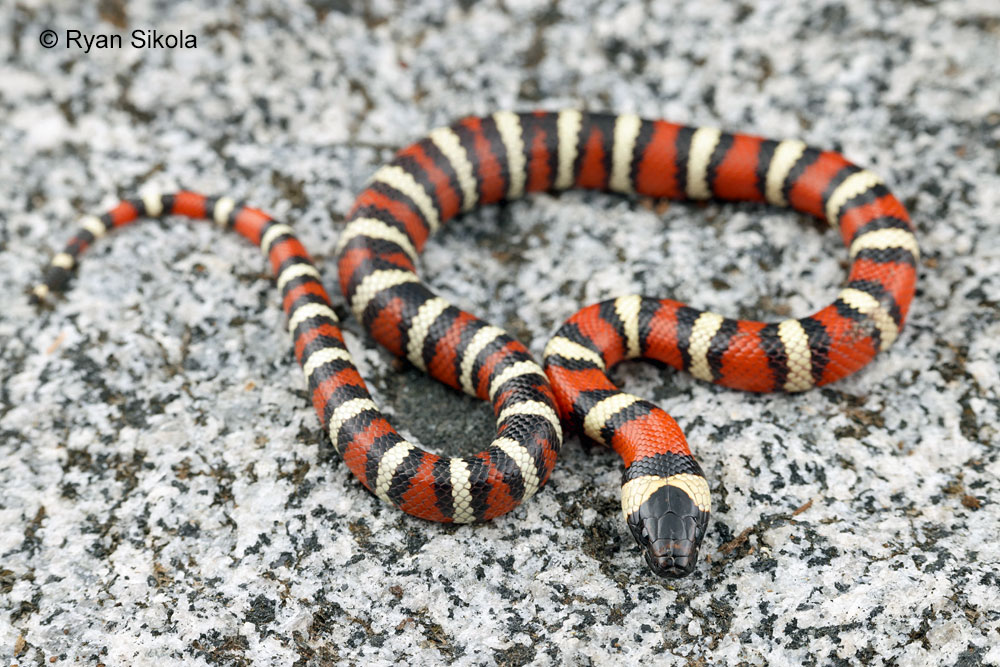
Lampropeltis zonata from the Sierra Nevada Mountains formerly recognized as the subspecies Lampropeltis zonata multicincta - Sierra Mountain Kingsnake |
 |
||||||||||||||||||||||||||||||||||||||||||||||||||
| Range: Brown Areas | |||||||||||||||||||||||||||||||||||||||||||||||||||
 |
 |
 |
 |
||||||||||||||||||||||||||||||||||||||||||||||||
| Adult Tuolumne County | Adult, Tuolumne County | ||||||||||||||||||||||||||||||||||||||||||||||||||
 |
 |
 |
 |
||||||||||||||||||||||||||||||||||||||||||||||||
| Adult Tuolumne County | Adult, Tuolumne County | Adult underside, Tuolumne County |
|||||||||||||||||||||||||||||||||||||||||||||||||
 |
 |
 |
 |
||||||||||||||||||||||||||||||||||||||||||||||||
| Adult, El Dorado County © Chad M. Lane | Adult photographed crawling in daylight, Plumas County. © Railfan | Adult, El Dorado County. © Chad M. Lane |
|||||||||||||||||||||||||||||||||||||||||||||||||
 |
 |
 |
 |
||||||||||||||||||||||||||||||||||||||||||||||||
| Adult, Calaveras County © Chad M. Lane | Adult, Mariposa County © Paul Maier | ||||||||||||||||||||||||||||||||||||||||||||||||||
 |
 |
 |
 |
||||||||||||||||||||||||||||||||||||||||||||||||
| Juvenile, 3,700 ft. elevation Tuolumne County © Adam Gitmed |
Juvenile, 3,700 ft. elevation Tuolumne County © Adam Gitmed |
Adult, Madera County © Ryan Sikola | Adult, Madera County © Ryan Sikola | ||||||||||||||||||||||||||||||||||||||||||||||||
 |
 |
 |
 |
||||||||||||||||||||||||||||||||||||||||||||||||
| Adult, Greenhorn Mountains, Kern County © Ryan Sikola |
Adults, Tuolumne County © Emile Bado Left: "High Black" phase Right: Normal phase |
Adult, Tulare County © Ryan Sikola | |||||||||||||||||||||||||||||||||||||||||||||||||
 |
 |
 |
 |
||||||||||||||||||||||||||||||||||||||||||||||||
| Adult, Kern County | Adult, Kern County Specimen courtesy of Mitch Mulks |
Adult, Kern County © Ryan Sikola | Adult, Kern County © Ryan Sikola | ||||||||||||||||||||||||||||||||||||||||||||||||
 |
 |
 |
 |
||||||||||||||||||||||||||||||||||||||||||||||||
| Adult, Kern County © Ryan Sikola | Adult, Kern County © Ryan Sikola | Adult, Kern County © Ryan Sikola | Adult, Kern County © Ryan Sikola | ||||||||||||||||||||||||||||||||||||||||||||||||
 |
|||||||||||||||||||||||||||||||||||||||||||||||||||
| Adult, Tuolumne County © Nick Esquivel | |||||||||||||||||||||||||||||||||||||||||||||||||||
| Snakes With Very Little or No Red Coloring | |||||||||||||||||||||||||||||||||||||||||||||||||||
 |
 |
 |
 |
||||||||||||||||||||||||||||||||||||||||||||||||
| "High Black" adult, Tuolumne County © Emile Bado | This snake from Plumas County has little red coloring, with only a few complete red bands. © Timothy Boomer |
||||||||||||||||||||||||||||||||||||||||||||||||||
 |
|||||||||||||||||||||||||||||||||||||||||||||||||||
| Axanthic adult, El Dorado County Specimen. Courtesy of Tim Burkhardt © 2002 Brad Alexander |
|||||||||||||||||||||||||||||||||||||||||||||||||||
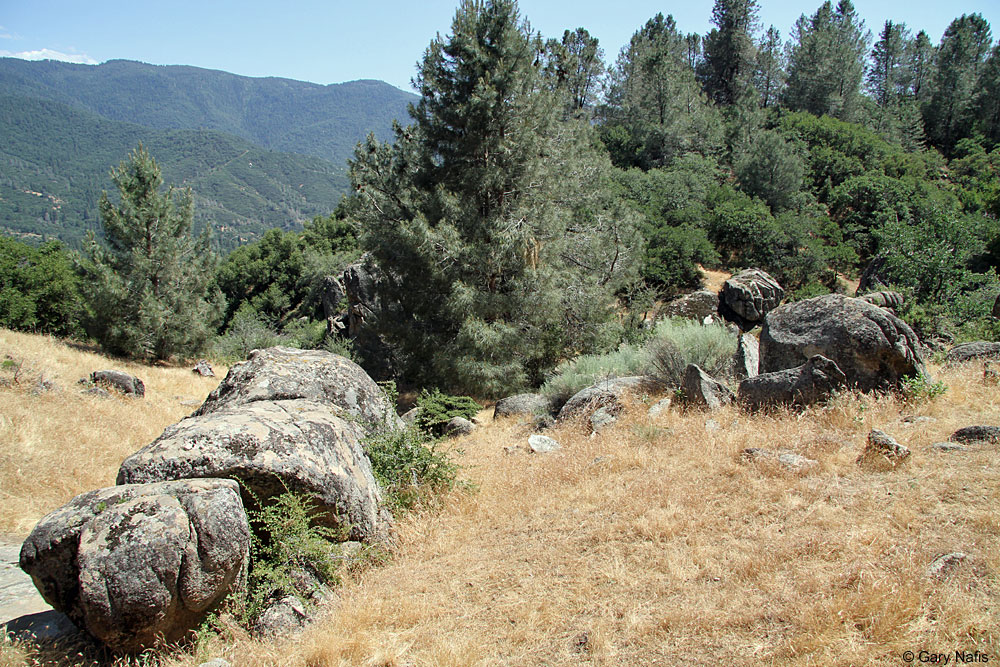
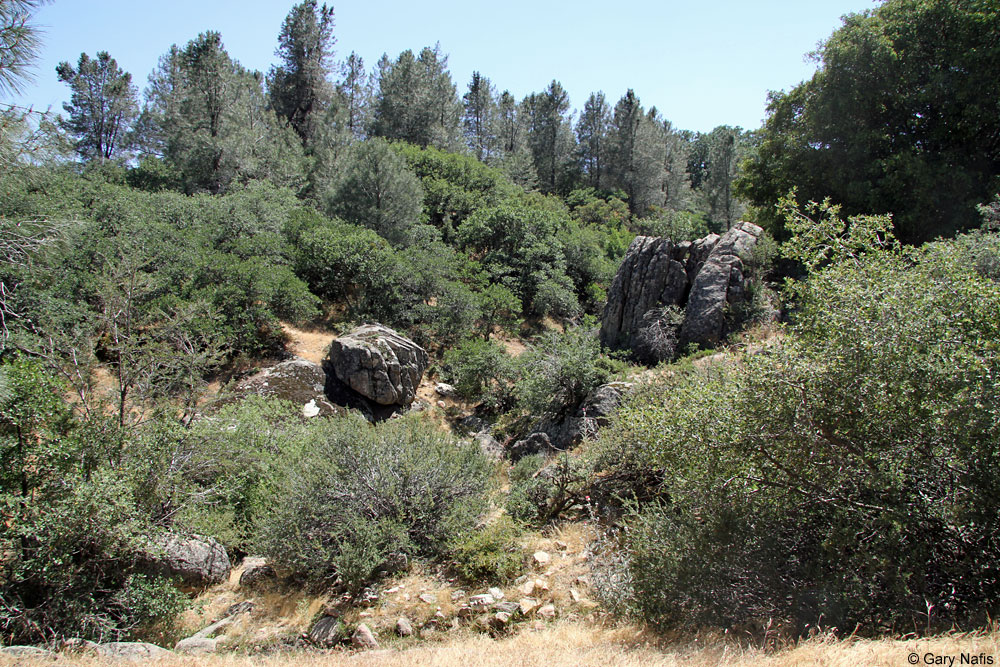
| Habitat of the formerly-recognized subspecies Lampropeltis zonata multicincta - Sierra Mountain Kingsnake | |||||||||||||||||||||||||||||||||||||||||||||||||||
 |
 |
 |
 |
||||||||||||||||||||||||||||||||||||||||||||||||
| Habitat, Tuolumne County |
Habitat, Tuolumne County |
Habitat, Kern County | Habitat, Kern County | ||||||||||||||||||||||||||||||||||||||||||||||||
 |
 |
||||||||||||||||||||||||||||||||||||||||||||||||||
| Habitat, Tuolumne County | Habitat, Kern County | ||||||||||||||||||||||||||||||||||||||||||||||||||
Lampropeltis zonata from the Central Coast formerly recognized as the subspecies Lampropeltis zonata multifasciata - Coast Mountain Kingsnake (Sometimes shown as a different species: Lampropeltis multifasciata - Coast Mountain Kingsnake) |
|
||||||||||||||||||||||||||||||||||||||||||||||||||
| Range: Orange Areas | |||||||||||||||||||||||||||||||||||||||||||||||||||
 |
|||||||||||||||||||||||||||||||||||||||||||||||||||
| Adult found on a driveway in Santa Cruz County © Scott Peden | |||||||||||||||||||||||||||||||||||||||||||||||||||
 |
 |
 |
 |
||||||||||||||||||||||||||||||||||||||||||||||||
| Juvenile, Santa Cruz Mountains, Santa Clara County | Juvenile, Santa Cruz County, found in January 2011 © Scott Peden | ||||||||||||||||||||||||||||||||||||||||||||||||||
 |
 |
 |
 |
||||||||||||||||||||||||||||||||||||||||||||||||
| Adult, Santa Cruz Mountains, Santa Cruz County. © Gary Nafis Specimen courtesy of Mitch Mulks |
Adult, Santa Cruz Mountains, Santa Cruz County © 2005 Brian Hubbs | Adult, © Gary Nafis Specimen courtesy of Mitch Mulks |
|||||||||||||||||||||||||||||||||||||||||||||||||
 |
 |
 |
 |
||||||||||||||||||||||||||||||||||||||||||||||||
| Adult, San Mateo County © Zachary Lim |
Adult, Santa Clara County © Nick Esquivel |
Adult, San Mateo County © Zachary Lim |
|||||||||||||||||||||||||||||||||||||||||||||||||
 |
 |
 |
 |
||||||||||||||||||||||||||||||||||||||||||||||||
| Adult, Santa Cruz County © Zachary Lim | Adult, Santa Cruz County © Zachary Lim | Adult, San Mateo County © Zachary Lim | |||||||||||||||||||||||||||||||||||||||||||||||||
 |
 |
 |
 |
||||||||||||||||||||||||||||||||||||||||||||||||
| Adult, Santa Cruz County © Benjamin German |
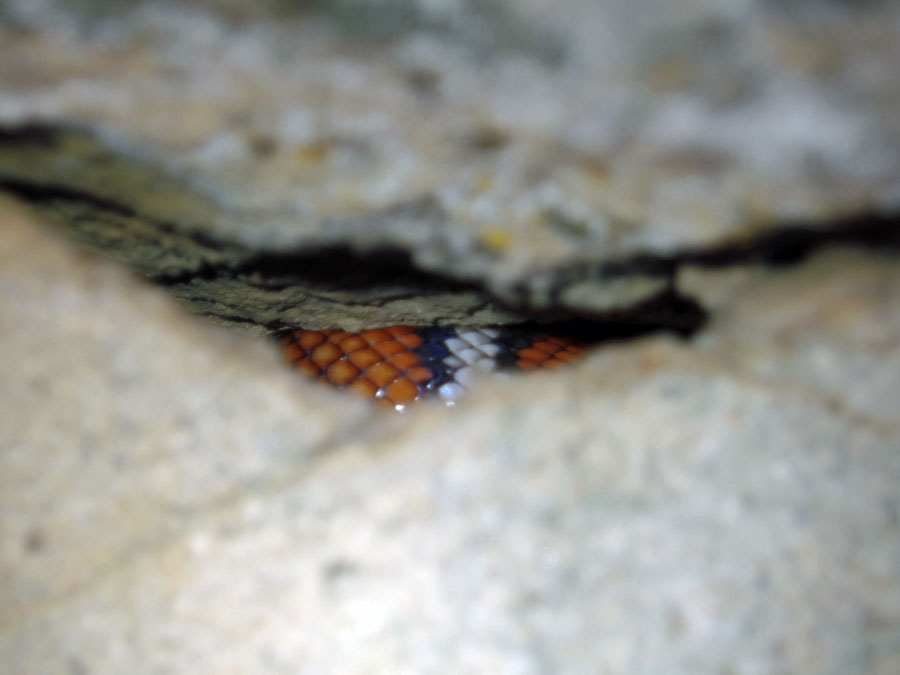
Sometimes, this is all you get to see. San Mateo County. |
Adult, Santa Cruz County © Zachary Lim | These two adult males were found sheltering next to each other in Santa Clara County, both, strangely, with their hemipenes showing. © Jared Heald | ||||||||||||||||||||||||||||||||||||||||||||||||
 |
 |
 |
 |
||||||||||||||||||||||||||||||||||||||||||||||||
| Adult, Santa Clara County © Jared Heald | Juvenile, Santa Cruz County © Jared Heald | ||||||||||||||||||||||||||||||||||||||||||||||||||
 |
 |
 |
 |
||||||||||||||||||||||||||||||||||||||||||||||||
| Adult, San Mateo County © Jared Heald | Adult, Santa Clara County © Jared Heald |
Adult, Santa Clara County © Jared Heald |
Adult, Santa Clara County © Jared Heald |
||||||||||||||||||||||||||||||||||||||||||||||||
 |
 |
 |
 |
||||||||||||||||||||||||||||||||||||||||||||||||
| Adult with 22 triads from the Diablo Range, Santa Clara County © Jared Heald |
Adult with pinkish/orange coloring, Santa Cruz County © Jared Heald |
Adult with a lot of red on the head, Santa Cruz County © Jared Heald | |||||||||||||||||||||||||||||||||||||||||||||||||
 |
 |
 |
 |
||||||||||||||||||||||||||||||||||||||||||||||||
| 12-inch-long juvenile with a recent meal, Santa Cruz County © Zachary Lim | Adult, San Mateo County © Zachary Lim | Neonate, San Mateo County © Jared Heald | |||||||||||||||||||||||||||||||||||||||||||||||||
 |
 |
 |
 |
||||||||||||||||||||||||||||||||||||||||||||||||
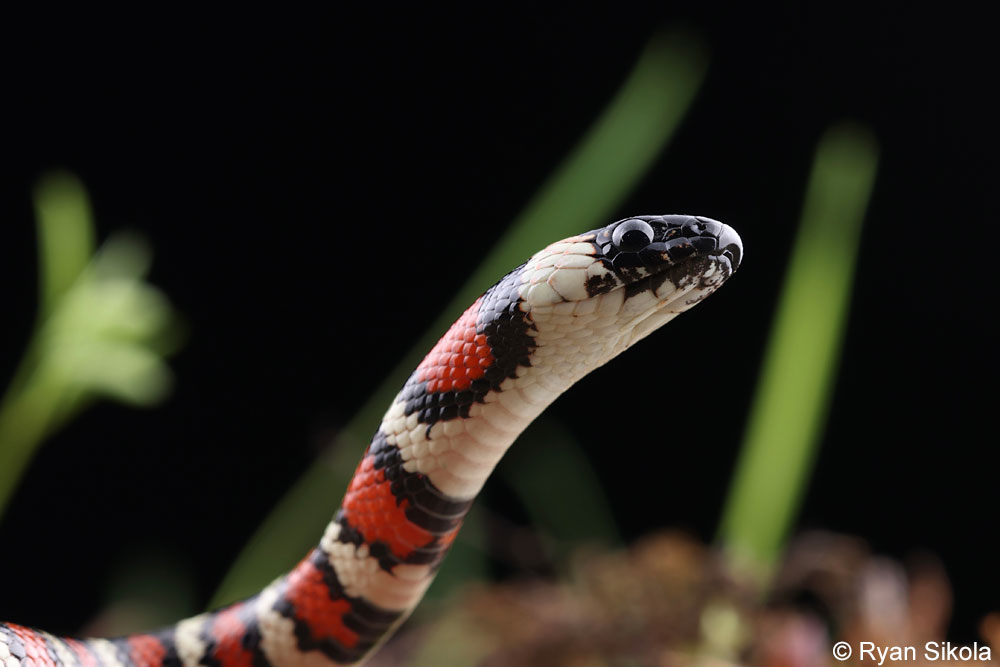
| Adult, San Mateo County © Ryan Sikola | Adult, San Mateo County © Ryan Sikola | ||||||||||||||||||||||||||||||||||||||||||||||||||
 |
 |
 |
 |
||||||||||||||||||||||||||||||||||||||||||||||||
| Young snake from 3,480 ft.elevation in the Ohlone Regional Wilderness in Alameda County © Mandy Colombo Murphy |
Sub-adult, San Mateo County © Faris K | ||||||||||||||||||||||||||||||||||||||||||||||||||
 |
 |
 |
 |
||||||||||||||||||||||||||||||||||||||||||||||||
| Adult, Santa Clara County © Neo S | Adult, Santa Cruz County © Ryan Sikola | ||||||||||||||||||||||||||||||||||||||||||||||||||
 |
 |
 |
 |
||||||||||||||||||||||||||||||||||||||||||||||||
| Adult, San Mateo County © Faris K | Adult, San Mateo County © Faris K | Adult, San Mateo County © Faris K | Adult, Santa Cruz County © Faris K | ||||||||||||||||||||||||||||||||||||||||||||||||
 |
 |
 |
 |
||||||||||||||||||||||||||||||||||||||||||||||||
| Adult, Santa Cruz County © Benjamin German |
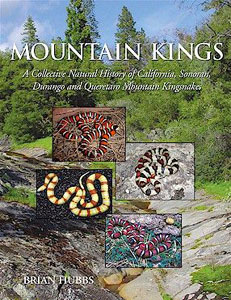
This little well-read zonata was discovered in the Santa Cruz Mountains reading about itself in Brian Hubbs' book "Mountain Kings." © Faris K | Adult, Santa Cruz County, with an adult California Nightsnake, found nearby. © Faris K |
Adult, Santa Cruz County © Faris K | ||||||||||||||||||||||||||||||||||||||||||||||||
 |
 |
 |
|||||||||||||||||||||||||||||||||||||||||||||||||
| Adult, Santa Cruz County © Zach Lim | Adult, Santa Cruz County © Zach Lim | Juvenile with a few broken incomplete bands on the neck and body, San Mateo County © Faris K |
|||||||||||||||||||||||||||||||||||||||||||||||||
 |
 |
 |
 |
||||||||||||||||||||||||||||||||||||||||||||||||
| Adult from a fringe locale in Santa Cruz County with some neat facial features. © Faris K |
Adult, Santa Cruz County © Zach Lim | ||||||||||||||||||||||||||||||||||||||||||||||||||
 |
 |
 |
 |
||||||||||||||||||||||||||||||||||||||||||||||||
| Adult, Monterey County © Ryan Sikola |
Juvenile, Monterey County © Ryan Sikola |
Juvenile, Monterey County © Ryan Sikola |
Adult, Monterey County © Ryan Sikola |
||||||||||||||||||||||||||||||||||||||||||||||||
 |
 |
|
 |
||||||||||||||||||||||||||||||||||||||||||||||||
| Adult, Monterey County © Ryan Sikola |
Adult, Central Coast © Ryan Sikola |
Adult, Santa Barbara County © Ryan Sikola |
Adult, Central Coast © Ryan Sikola |
||||||||||||||||||||||||||||||||||||||||||||||||
 |
 |
 |
 |
||||||||||||||||||||||||||||||||||||||||||||||||
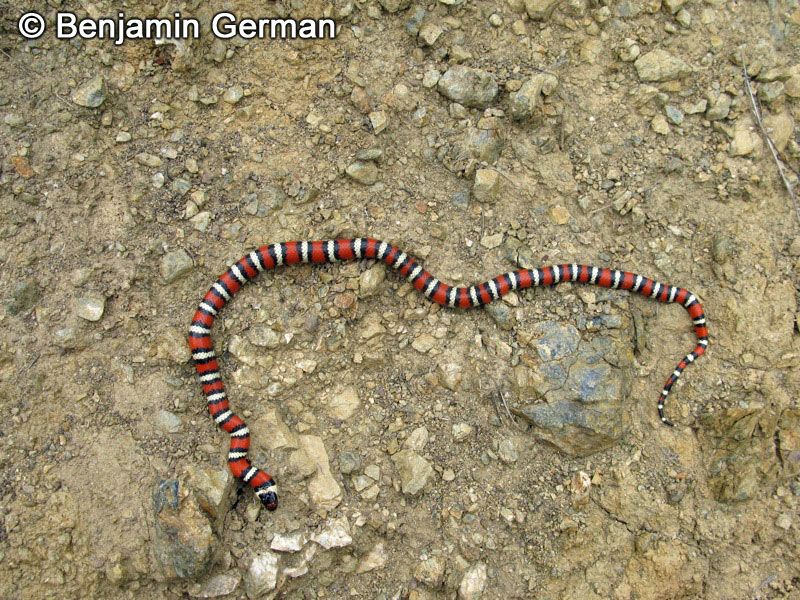
| Juvenile, northern Santa Lucia Mountains, Monterey County © Benjamin German |
Adult, southern Santa Lucia Mountains, Monterey County (near the border with San Luis Obispo County) © Benjamin German |
Adult, Santa Lucia Mountains, Monterey County © Benjamin German |
Adult, Santa Lucia Mountains, Monterey County © Benjamin German | ||||||||||||||||||||||||||||||||||||||||||||||||
 |
 |
 |
 |
||||||||||||||||||||||||||||||||||||||||||||||||
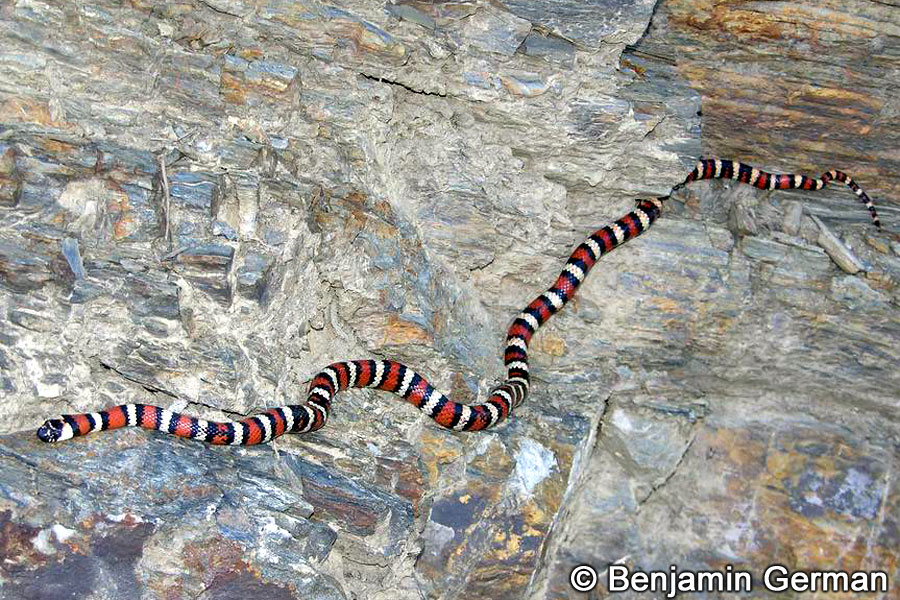
| Juvenile, Gabilan Mountains, San Benito County © Benjamin German |
Adult, Gabilan Mountains, San Benito County © Benjamin German |
Adult, Monterey County © Benjamin German |
|||||||||||||||||||||||||||||||||||||||||||||||||
 |
 |
 |
 |
||||||||||||||||||||||||||||||||||||||||||||||||
| Adult Santa Barbara County © Max Roberts |
Adult, Santa Cruz County © Marcus Rehrman |
||||||||||||||||||||||||||||||||||||||||||||||||||
 |
 |
 |
 |
||||||||||||||||||||||||||||||||||||||||||||||||
| Adult, Ventura County © Daniel Koury |
This is the first Coast Mountain Kingsnake confirmed from San Luis Obispo County © Daniel Koury | ||||||||||||||||||||||||||||||||||||||||||||||||||
 |
 |
 |
 |
||||||||||||||||||||||||||||||||||||||||||||||||
| Adult, Santa Cruz County © Marcus Rehrman |
Adult, Monterey County © Ryan Sikola |
Adult, San Mateo County © Matthias Lemm |
Adult, Santa Cruz County © Matthias Lemm |
||||||||||||||||||||||||||||||||||||||||||||||||
 |
 |
 |
 |
||||||||||||||||||||||||||||||||||||||||||||||||
| Adult, Santa Cruz County © Faris K |
This funky Santa Cruz County adult with "high black crossovers, thick bands and a white face...has the body of a Sierra or Diablo but the face of a Santa Cruz." © Faris K | Adult with a broken head pattern, Santa Cruz County © Faris K |
Adult, Santa Cruz County © Faris K |
||||||||||||||||||||||||||||||||||||||||||||||||
|
|
|
 |
||||||||||||||||||||||||||||||||||||||||||||||||
| Adult, Gabilan Mountains, San Benito County © Benjamin German |
Juvenile, Gabilan Mountains, San Benito County © Benjamin German |
Monterey museum exhibit. Exhibits like this one have inspired many a young herper with the desire to see this beautiful snake in the wild. © Benjamin German |
|||||||||||||||||||||||||||||||||||||||||||||||||
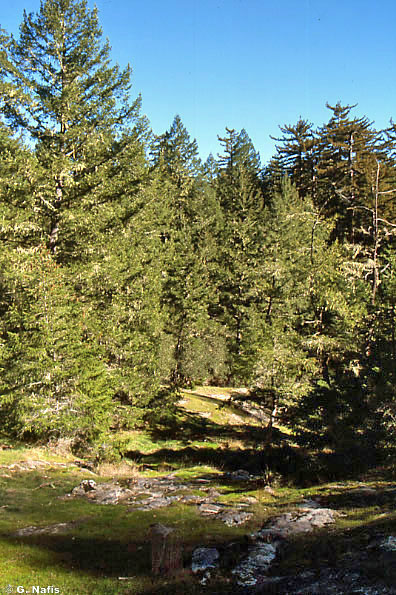
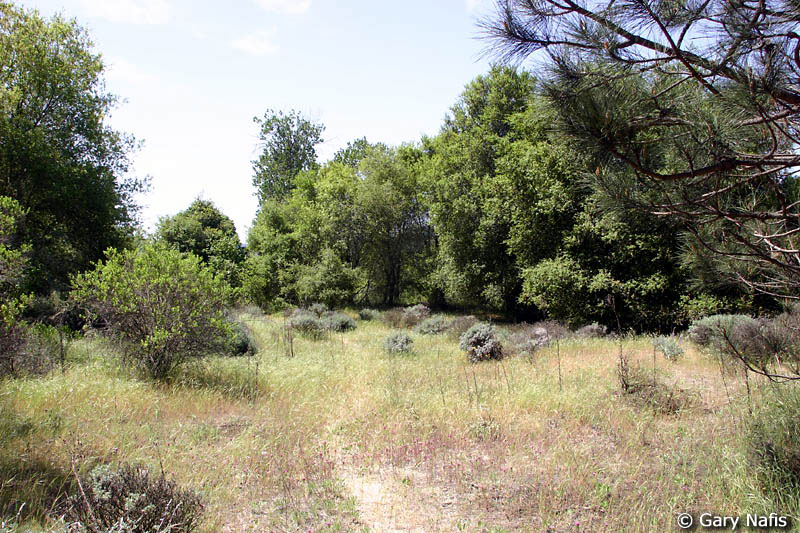
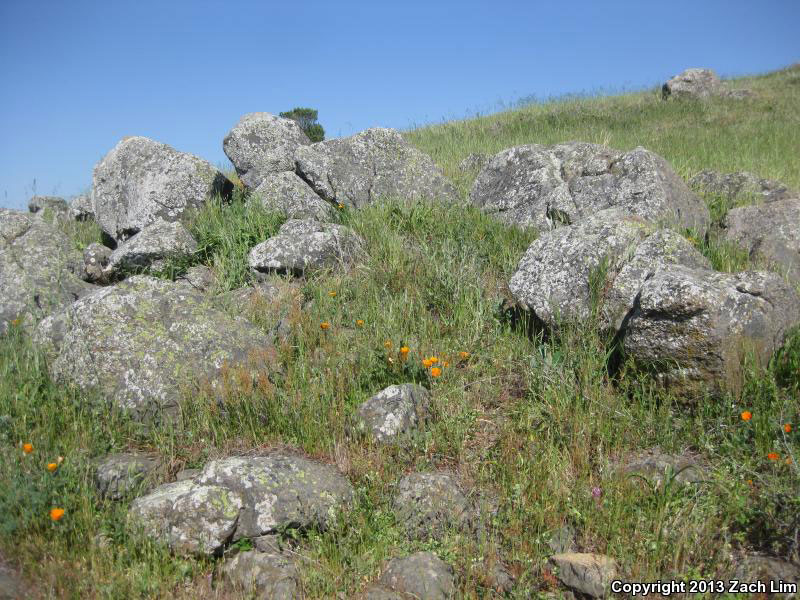
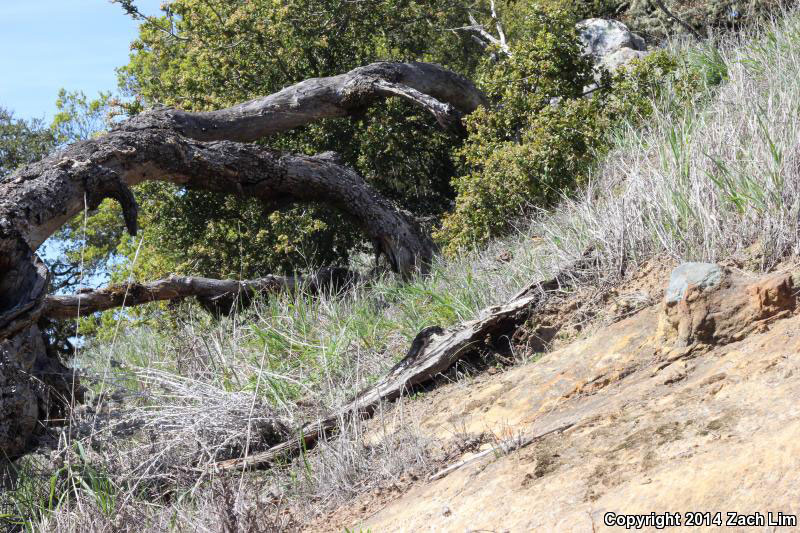
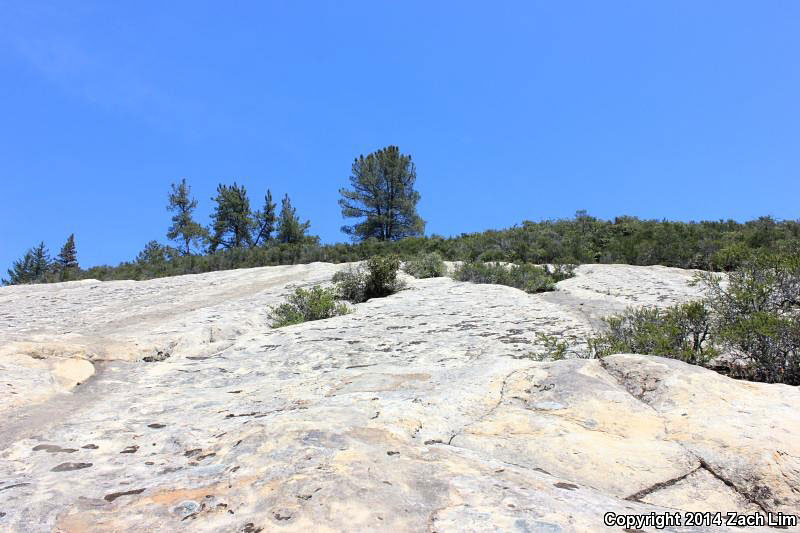
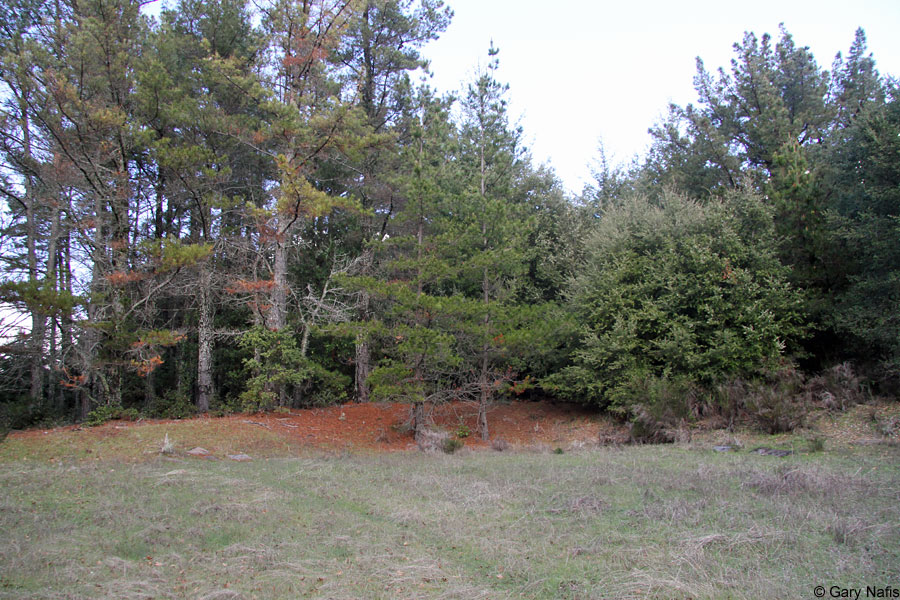
| Habitat of the formerly-recognized subspecies Lampropeltis zonata multifasciata - Coast Mountain Kingsnake | |||||||||||||||||||||||||||||||||||||||||||||||||||
 |
 |
 |
 |
||||||||||||||||||||||||||||||||||||||||||||||||
| Habitat, 1,400 ft. Santa Cruz Mountains, Santa Cruz County | Habitat, Santa Cruz Mountains, Santa Cruz County |
Habitat, Santa Cruz Mountains © Zachary Lim |
Habitat, San Mateo County | ||||||||||||||||||||||||||||||||||||||||||||||||
 |
 |
 |
 |
||||||||||||||||||||||||||||||||||||||||||||||||
| Habitat, San Mateo County © Zachary Lim |
Habitat, San Mateo County © Zachary Lim |
Habitat, Santa Cruz Mountains © Zachary Lim |
Habitat, 2,500 ft. Santa Cruz Mountains, Santa Clara County | ||||||||||||||||||||||||||||||||||||||||||||||||
 |
 |
||||||||||||||||||||||||||||||||||||||||||||||||||
| Juvenile in habitat, Santa Cruz County © Matthias Lemm |
Habitat, coast range, Monterey County | ||||||||||||||||||||||||||||||||||||||||||||||||||
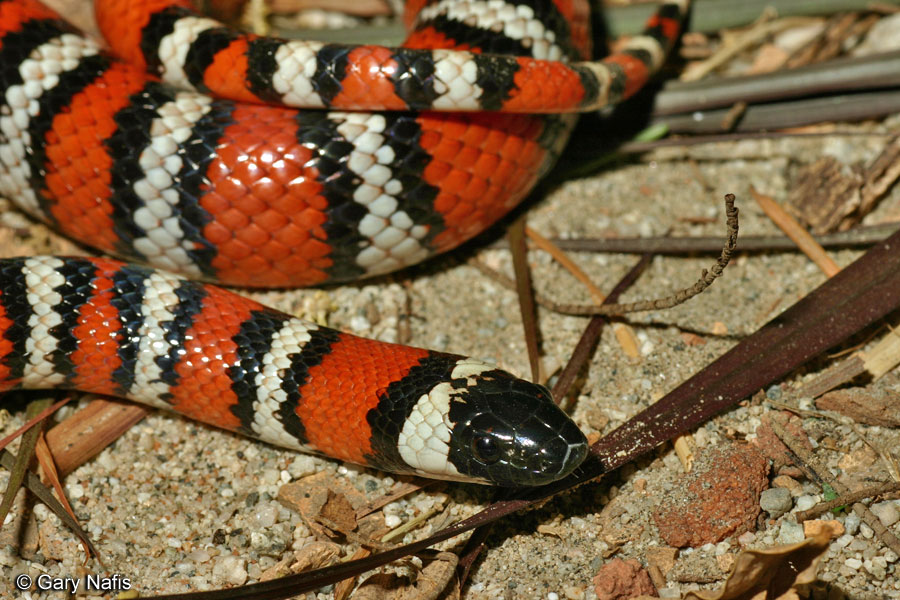
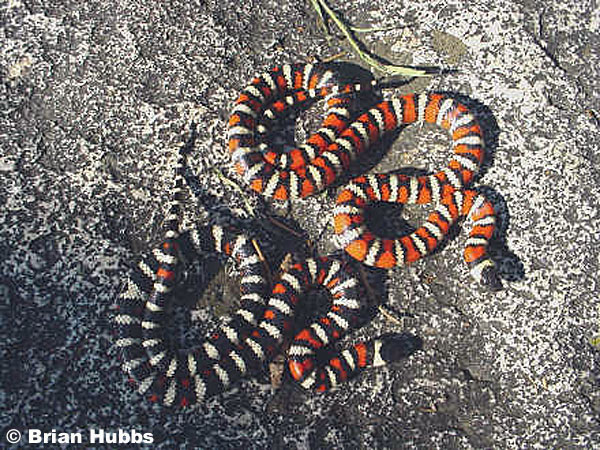
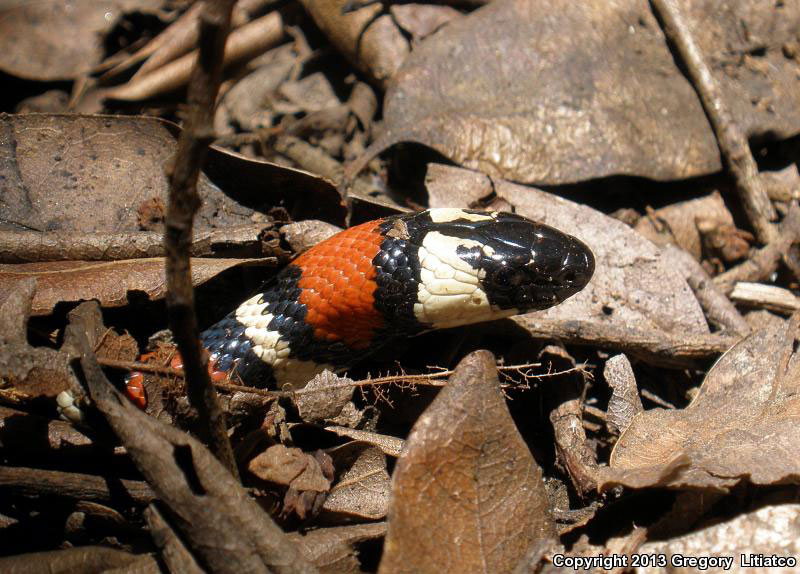
Lampropeltis zonata from the Transverse Ranges in Southern California formerly recognized as the subspecies Lampropeltis zonata parvirubra - San Bernardino Mountain Kingsnake (Sometimes shown as a different species: Lampropeltis multifasciata - Coast Mountain Kingsnake) |
|
||||||||||||||||||||||||||||||||||||||||||||||||||
| Range: Bright Blue Areas | |||||||||||||||||||||||||||||||||||||||||||||||||||
 |
 |
 |
 |
||||||||||||||||||||||||||||||||||||||||||||||||
| Adult, San Jacinto Mountains, Riverside County © Gary Nafis Specimen courtesy of Mitch Mulks | Adult, San Jacinto Mountains, Riverside County © Benjamin German |
||||||||||||||||||||||||||||||||||||||||||||||||||
 |
 |
 |
 |
||||||||||||||||||||||||||||||||||||||||||||||||
| Adult, San Jacinto Mountains, Riverside County, © Brad Alexander | Two adults from the same rock outcrop in the San Bernardino Mountains, San Bernardino County © Brian Hubbs | Adult, San Jacinto Mountains, Riverside County. © Brian Hinds |
|||||||||||||||||||||||||||||||||||||||||||||||||
 |
 |
 |
 |
||||||||||||||||||||||||||||||||||||||||||||||||
| Adult, San Bernardino County © Patrick Briggs |
Adult, San Gabriel Mountains Los Angeles County © Jeremiah Easter |
Adult, San Gabriel Mountains, Los Angeles County © Gregory Litiatco | |||||||||||||||||||||||||||||||||||||||||||||||||
 |
 |
 |
 |
||||||||||||||||||||||||||||||||||||||||||||||||
| Head Study, San Bernardino County © Patrick Briggs |
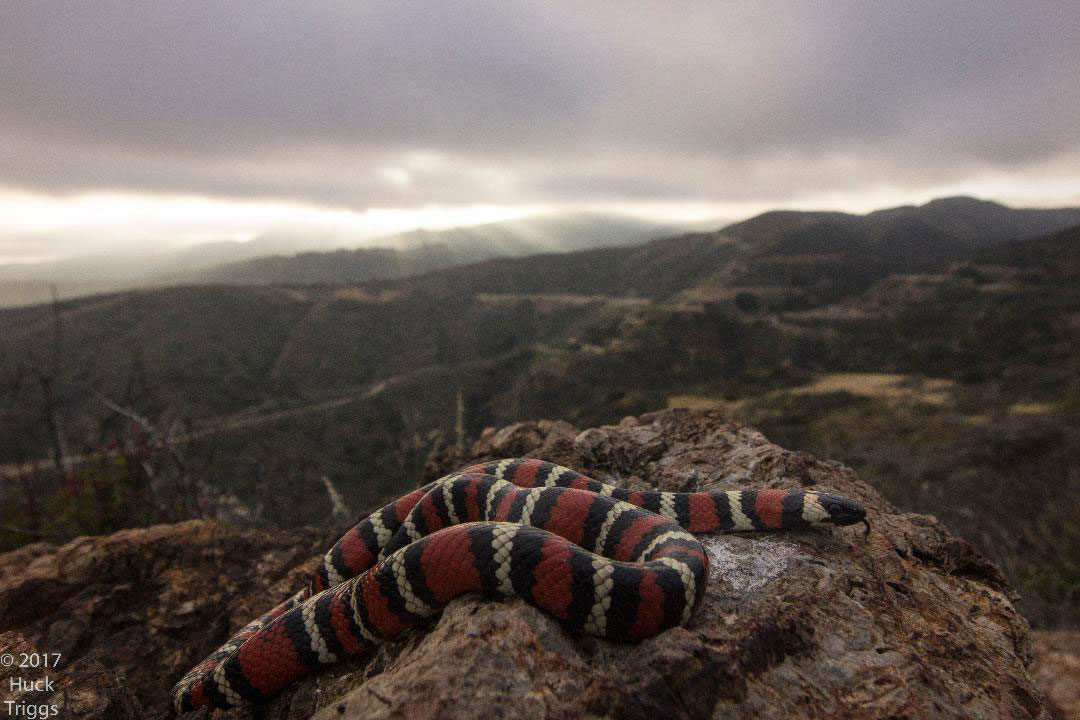
Adult, found at 7,000 ft. elevation in Ventura County © Benjamin German | Adult, San Bernardino County © Huck Triggs |
|||||||||||||||||||||||||||||||||||||||||||||||||
 |
 |
 |
|||||||||||||||||||||||||||||||||||||||||||||||||
| Juvenile, Mt. San Jacinto, Riverside County © Kenny Elliott | This mountain kingsnake was discovered on the crawl in a forest during a USFS prescribed burn on Mt. San Jacinto, Riverside County, and put some place safe. © Kenny Elliott | ||||||||||||||||||||||||||||||||||||||||||||||||||
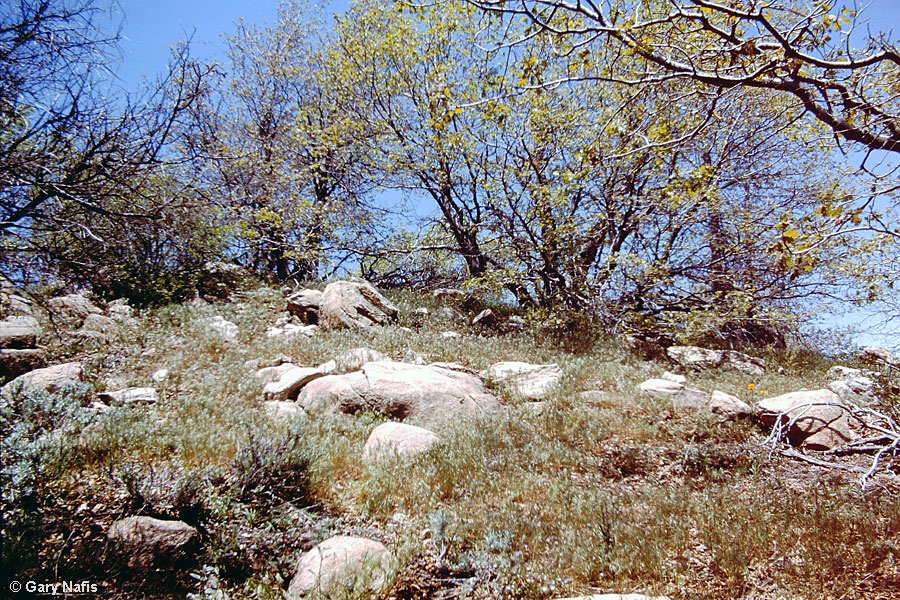
| Habitat of the formerly-recognized subspecies Lampropeltis zonata parvirubra - San Bernardino Mountain Kingsnake | |||||||||||||||||||||||||||||||||||||||||||||||||||
 |
 |
 |
 |
||||||||||||||||||||||||||||||||||||||||||||||||
| Habitat, 6,200 ft. San Bernardino Mountains, San Bernardino County | Habitat, San Jacinto Mountains, Riverside County |
Habitat, 5,800 ft. San Bernardino Mountains, San Bernardino County | Habitat, 6,200 ft. San Bernardino Mountains, San Bernardino County | ||||||||||||||||||||||||||||||||||||||||||||||||
 |
|||||||||||||||||||||||||||||||||||||||||||||||||||
| Habitat, 5,600 ft., San Jacinto Mountains, Riverside County | |||||||||||||||||||||||||||||||||||||||||||||||||||
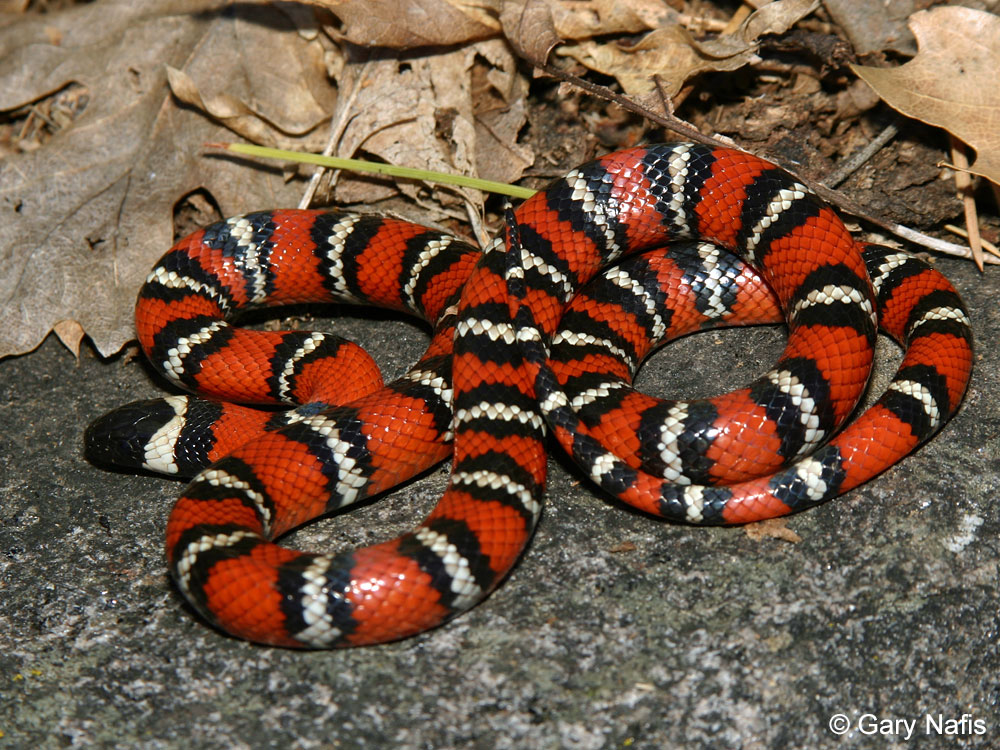
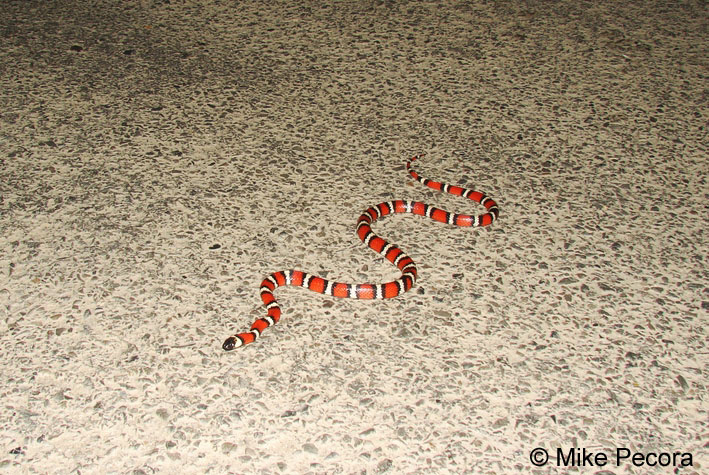
Lampropeltis zonata from Coastal Southern California formerly recoginzed as the subspecies Lampropeltis zonata pulchra - San Diego Mountain Kingsnake (Sometimes shown as a different species: Lampropeltis multifasciata - Coast Mountain Kingsnake) |
|
||||||||||||||||||||||||||||||||||||||||||||||||||
| Range: Purple Areas | |||||||||||||||||||||||||||||||||||||||||||||||||||
 |
|||||||||||||||||||||||||||||||||||||||||||||||||||
| Juvenile, San Diego County | |||||||||||||||||||||||||||||||||||||||||||||||||||
 |
 |
 |
 |
||||||||||||||||||||||||||||||||||||||||||||||||
| Juvenile, San Diego County | |||||||||||||||||||||||||||||||||||||||||||||||||||
 |
 |
 |
 |
||||||||||||||||||||||||||||||||||||||||||||||||
| Adult, San Diego County | Juvenile, San Diego County | Adult basking at the edge of a boulder crack, San Diego County | |||||||||||||||||||||||||||||||||||||||||||||||||
 |
 |
 |
 |
||||||||||||||||||||||||||||||||||||||||||||||||
| Adult, San Diego County | Adult, Orange County. © Mike Pecora | ||||||||||||||||||||||||||||||||||||||||||||||||||
 |
 |
 |
 |
||||||||||||||||||||||||||||||||||||||||||||||||
| Adult, Santa Monica Mountains, Los Angeles County © Colin Byrne | Juvenile observed crossing a road in August, San Diego County © Bill Bachman | ||||||||||||||||||||||||||||||||||||||||||||||||||
 |
 |
 |
 |
||||||||||||||||||||||||||||||||||||||||||||||||
| Adult, Santa Ana Mountains ,Riverside County © Nathan Ray | Adult, coastal Los Angeles County © Huck Triggs |
Adult, coastal Los Angeles County © Huck Triggs |
Adult, found in a creek in a rocky canyon in the Santa Monica Mountains, Los Angeles County © Huck Triggs |
||||||||||||||||||||||||||||||||||||||||||||||||
 |
 |
 |
 |
||||||||||||||||||||||||||||||||||||||||||||||||
| Adult, San Diego County © Marcus Rehrman | Adult, San Diego County © Kenny Elliott | ||||||||||||||||||||||||||||||||||||||||||||||||||
 |
|||||||||||||||||||||||||||||||||||||||||||||||||||
| Adult, Santa Ana Mountains, Riverside County © Nathan Ray | |||||||||||||||||||||||||||||||||||||||||||||||||||
 |
|||||||||||||||||||||||||||||||||||||||||||||||||||
| Adult, Santa Ana Mountains, Orange County © Tadd Kraft | |||||||||||||||||||||||||||||||||||||||||||||||||||
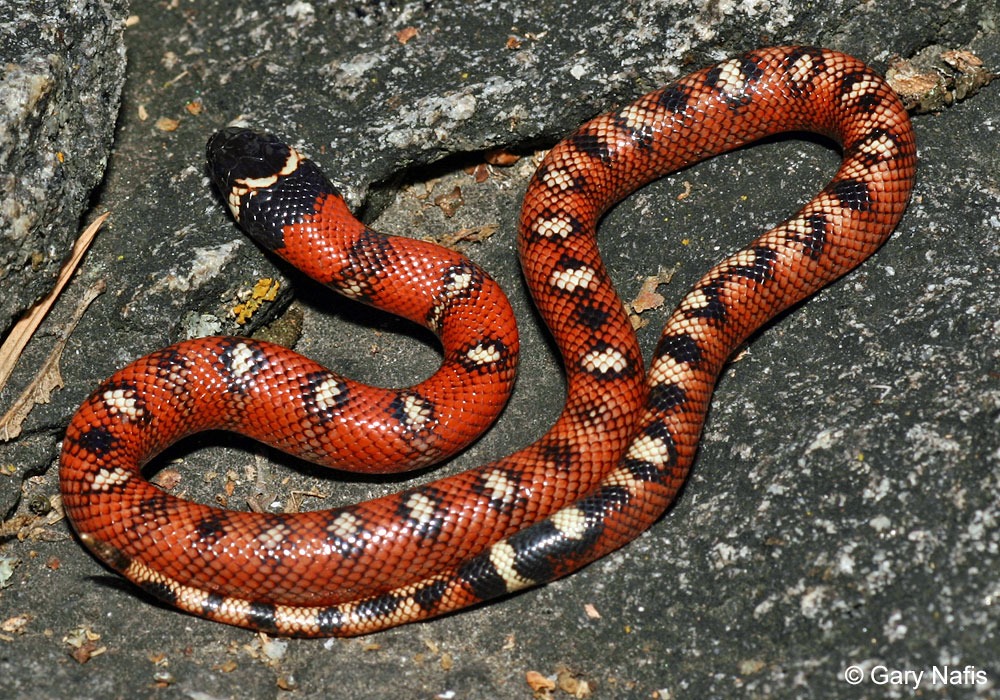
| Aberrant Pattern | |||||||||||||||||||||||||||||||||||||||||||||||||||
 |
 |
 |
|||||||||||||||||||||||||||||||||||||||||||||||||
| Aberrant juvenile, San Diego County | |||||||||||||||||||||||||||||||||||||||||||||||||||
 |
|||||||||||||||||||||||||||||||||||||||||||||||||||
| Underside of aberrant juvenile, San Diego County |
|||||||||||||||||||||||||||||||||||||||||||||||||||
| Habitat of the formerly-recognized subspecies Lampropeltis zonata pulchra - San Diego Mountain Kingsnake | |||||||||||||||||||||||||||||||||||||||||||||||||||
 |
 |
 |
 |
||||||||||||||||||||||||||||||||||||||||||||||||
| Habitat, 5,500 ft. San Diego County | Habitat, 6,000 ft., San Diego County | Manzanita and chaparral habitat, Laguna Mountans, San Diego County © Bill Bachman |
Habitat, 5,500 ft. San Diego County | ||||||||||||||||||||||||||||||||||||||||||||||||
 |
 |
 |
 |
||||||||||||||||||||||||||||||||||||||||||||||||
| Habitat, 6,000 ft., San Diego County | Habitat, 6,000 ft., San Diego County | Habitat, Santa Monica Mountain © Huck Triggs |
Habitat, Santa Monica Mountain © Huck Triggs |
||||||||||||||||||||||||||||||||||||||||||||||||
|
|
||||||||||||||||||||||||||||||||||||||||||||||||||
| Range: Red and Gray Areas | |||||||||||||||||||||||||||||||||||||||||||||||||||
 |
 |
||||||||||||||||||||||||||||||||||||||||||||||||||
| Adult, Napa County. Specimen courtesy of Mitch Mulks | Adult, Napa County. Specimen courtesy of Rick Staub | ||||||||||||||||||||||||||||||||||||||||||||||||||
 |
 |
 |
 |
||||||||||||||||||||||||||||||||||||||||||||||||
| Adult, Napa County. Specimen courtesy of Mitch Mulks | Adult, Napa County. Specimen courtesy of Rick Staub | ||||||||||||||||||||||||||||||||||||||||||||||||||
 |
|||||||||||||||||||||||||||||||||||||||||||||||||||
| Adult, Napa County. Specimen courtesy of Mitch Mulks |
|||||||||||||||||||||||||||||||||||||||||||||||||||
| Mountain kingsnakes from the intergrade zone of the subspecies L. z. zonata x L. z. multicincta | |||||||||||||||||||||||||||||||||||||||||||||||||||
 |
 |
 |
 |
||||||||||||||||||||||||||||||||||||||||||||||||
| Adult from Trinity County © Ben Witzke (Formerly recoginzed as an intergrade of L. z. zonata and L. z. multicincta) |
Young adult with a recent meal inside it, Siskiyou County © Gene Sederholm | Gravid adult female, Shasta County © Emile Bado |
|||||||||||||||||||||||||||||||||||||||||||||||||
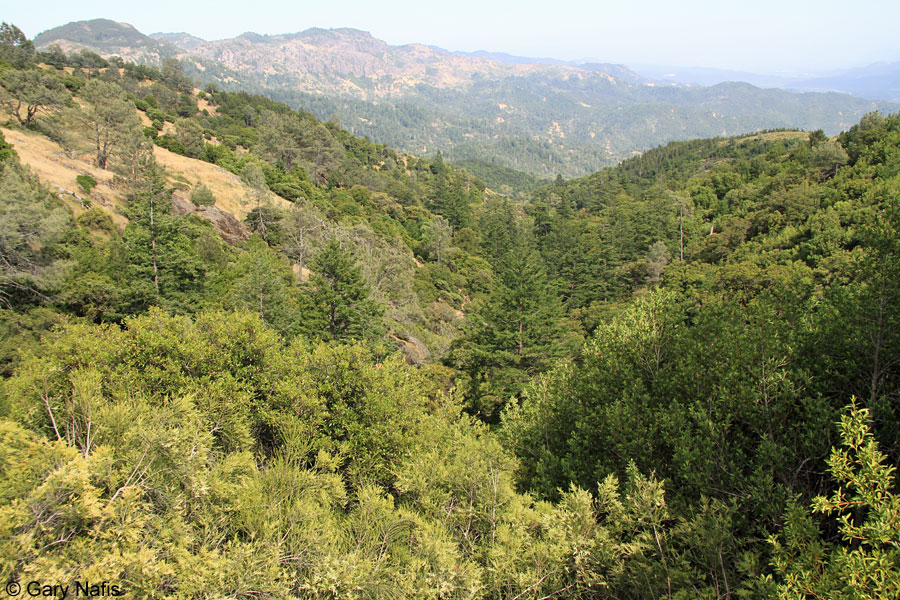
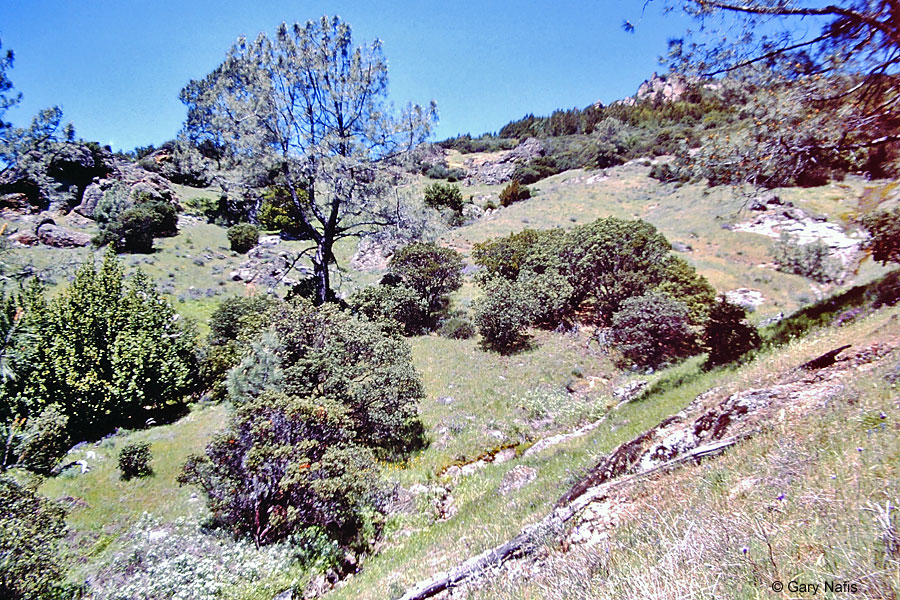
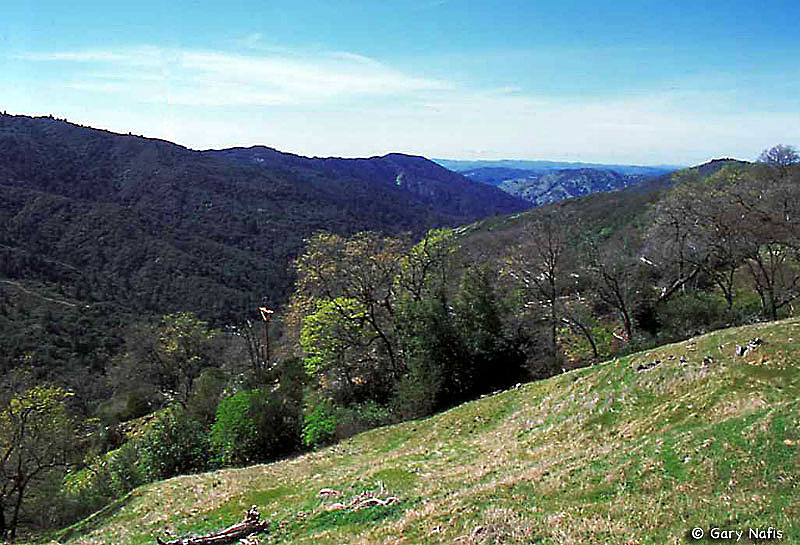
| Habitat of the formerly-recognized subspecies Lampropeltis zonata zonata - St. Helena Mountain Kingsnake | |||||||||||||||||||||||||||||||||||||||||||||||||||
 |
 |
 |
 |
||||||||||||||||||||||||||||||||||||||||||||||||
| Habitat, Napa County | Habitat, Napa County | Habitat, Napa County |
Habitat, Mayacamas Mountains, Sonoma County |
||||||||||||||||||||||||||||||||||||||||||||||||
 |
|||||||||||||||||||||||||||||||||||||||||||||||||||
| Habitat, Napa County | |||||||||||||||||||||||||||||||||||||||||||||||||||
Lampropeltis zonata from the Inner Coast Range formerly recognized as Intergrades of the subspecies L. z. zonata x L. z. multifasciata - Diablo Mountain Kingsnake (Sometimes shown as a different species: Lampropeltis multifasciata - Coast Mountain Kingsnake) |
|
||||||||||||||||||||||||||||||||||||||||||||||||||
| Range: Yellow Area | |||||||||||||||||||||||||||||||||||||||||||||||||||
 |
 |
 |
 |
||||||||||||||||||||||||||||||||||||||||||||||||
| Adult, Diablo Range, Santa Clara County © Gary Nafis. Specimen courtesy of Mitch Mulks |
Juvenile, found at about 3,000 ft. elevation in Santa Clara County © Jared Heald | ||||||||||||||||||||||||||||||||||||||||||||||||||
 |
 |
||||||||||||||||||||||||||||||||||||||||||||||||||
| Adult with 18 triads, Diablo Range, Santa Clara County © Faris K | |||||||||||||||||||||||||||||||||||||||||||||||||||
| California Mountain Kingsnakes Feeding | |||||||||||||||||||||||||||||||||||||||||||||||||||
 |
 |
 |
 |
||||||||||||||||||||||||||||||||||||||||||||||||
| An adult California Mountain Kingsnake eating a juvenile Northern Pacific Rattlesnake in Fresno County. © Patrick Briggs |
A captive juvenile California Mountain Kingsnake eating a hairless juvenile mouse. | ||||||||||||||||||||||||||||||||||||||||||||||||||
| Short Videos of California Mountain Kingsnakes | |||||||||||||||||||||||||||||||||||||||||||||||||||
 |
 |
 |
|||||||||||||||||||||||||||||||||||||||||||||||||
| A short look at a juvenile California Mountain Kingsnake found under a rock in San Diego County. | This California Mountain Kingsnake was found in the wild eating a Western Red-tailed Skink in Kern County. © Ryan Sikola |
This short video shows an adult California Mountain Kingsnake in a creek in a rocky canyon in the Santa Monica Mountains, Los Angeles County. © Huck Triggs |
|||||||||||||||||||||||||||||||||||||||||||||||||
|
|||||||||||||||||||||||||||||||||||||||||||||||||||
|
|||||||||||||||||||||||||||||||||||||||||||||||||||



|
The following conservation status listings for this animal are taken from the July 2025 State of California Special Animals List and the July 2025 Federally Listed Endangered and Threatened Animals of California list (unless indicated otherwise below.) Both lists are produced by multiple agencies every year, and sometimes more than once per year, so the conservation status listing information found below might not be from the most recent lists, but they don't change a great deal from year to year.. To make sure you are seeing the most recent listings, go to this California Department of Fish and Wildlife web page where you can search for and download both lists: https://www.wildlife.ca.gov/Data/CNDDB/Plants-and-Animals. A detailed explanation of the meaning of the status listing symbols can be found at the beginning of the two lists. For quick reference, I have included them on my Special Status Information page. If no status is listed here, the animal is not included on either list. This most likely indicates that there are no serious conservation concerns for the animal. To find out more about an animal's status you can also go to the NatureServe and IUCN websites to check their rankings. Check the current California Department of Fish and Wildlife sport fishing regulations to find out if this animal can be legally pursued and handled or collected with possession of a current fishing license. You can also look at the summary of the sport fishing regulations as they apply only to reptiles and amphibians that has been made for this website. The California Department of Fish and Wildlife affords protection to some populations of the species. The information below is about snakes that can be legally collected from the CDFW Sportfishing Regulations, which, unlike this web site, uses taxonomy that recognizes subspecies of L. zonata. Basically, L. zonata can be collected but the two southern California subspecies L. z. pulchra and L.z. parvirubra are protected, as well as all L. z. multifasciata found in Ventura County. OK to collect: "California mountain kingsnake (Lampropeltis zonata), except San Diego mountain kingsnake (Lampropeltis zonata pulchra) and San Bernardino mountain kingsnake (Lampropeltis zonata parvirubra): Limit: One (1). See Special Closure: (f) (9): (f) (9) No California mountain kingsnakes (Lampropeltis zonata) may be taken in Imperial, Los Angeles, Orange, Riverside, San Bernardino, San Diego, and Ventura counties." |
||
| Organization | Status Listing | Notes |
| NatureServe Global Ranking | None | |
| NatureServe State Ranking | None | |
| U.S. Endangered Species Act (ESA) | None | |
| California Endangered Species Act (CESA) | None | |
| California Department of Fish and Wildlife | None | |
| Bureau of Land Management | None | |
| USDA Forest Service | None | |
| IUCN | None | |
|
|
||
Return to the Top
© 2000 -