
A Guide to the Amphibians
and Reptiles of California
Click on a picture for a larger view
Ornate Tree Lizard - Urosaurus ornatus
Colorado River Tree Lizard -
Urosaurus ornatus symmetricus
(Baird, 1859 “1858”)
Description • Taxonomy • Species Description • Scientific Name • Alt. Names • Similar Herps • References • Conservation Status


 |
 |
 |
||||||||||||||||||||||||||||||||||||||||||||||||||||
| These apparent Colorado Tree Lizards were found in Barstow, San Bernardino County, in what must be an introduced location. © Jeff & Lynda Mintz | Adult female, Colorado River,Yuma County, Arizona | |||||||||||||||||||||||||||||||||||||||||||||||||||||
 |
 |
 |
||||||||||||||||||||||||||||||||||||||||||||||||||||
| Adult female, Colorado River,Yuma County, Arizona | Adult female, Colorado River,Yuma County, Arizona | Adult female, Colorado River,Yuma County, Arizona | ||||||||||||||||||||||||||||||||||||||||||||||||||||
 |
 |
 |
||||||||||||||||||||||||||||||||||||||||||||||||||||
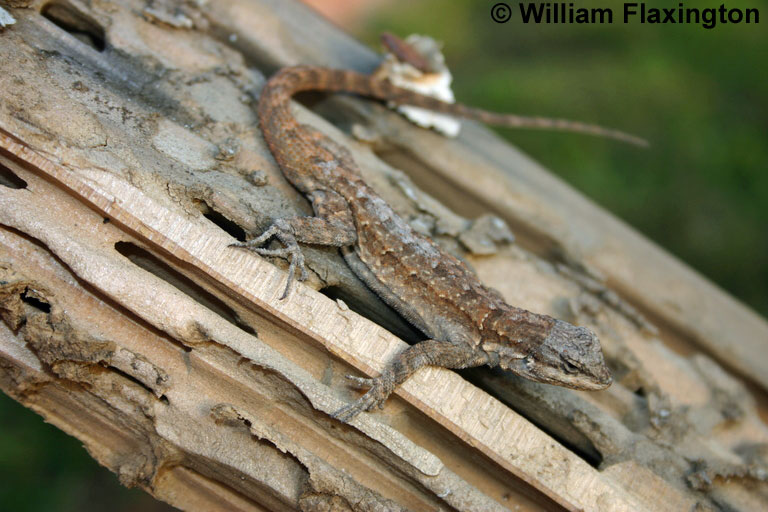
| Adult female, Colorado River, Yuma County, Arizona | Adult, Colorado River, Imperial County © William Flaxington |
Adult, Colorado River, Imperial County © William Flaxington |
||||||||||||||||||||||||||||||||||||||||||||||||||||
 |
 |
 |
||||||||||||||||||||||||||||||||||||||||||||||||||||
| Adult, with unshed tail, Yuma County, Arizona © Matt Dagrosa | Adult, introduced into San Bernardino County. © William Flaxington | Adult, introduced into San Bernardino County. © William Flaxington | ||||||||||||||||||||||||||||||||||||||||||||||||||||
 |
 |
 |
||||||||||||||||||||||||||||||||||||||||||||||||||||
| Adult, introduced into San Bernardino County. © Jonathan Hakkim | Adult, introduced into San Bernardino County. © Jonathan Hakkim | Adult, introduced into San Bernardino County. © Jonathan Hakkim | ||||||||||||||||||||||||||||||||||||||||||||||||||||
 |
 |
 |
||||||||||||||||||||||||||||||||||||||||||||||||||||
| Adult, El Centro, Imperial County © May 2013, Daniel Seung | ||||||||||||||||||||||||||||||||||||||||||||||||||||||
 |
 |
 |
||||||||||||||||||||||||||||||||||||||||||||||||||||
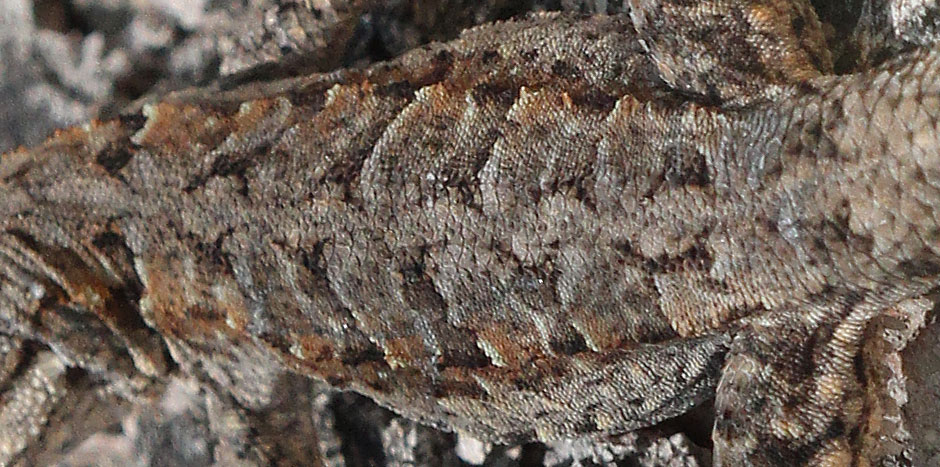
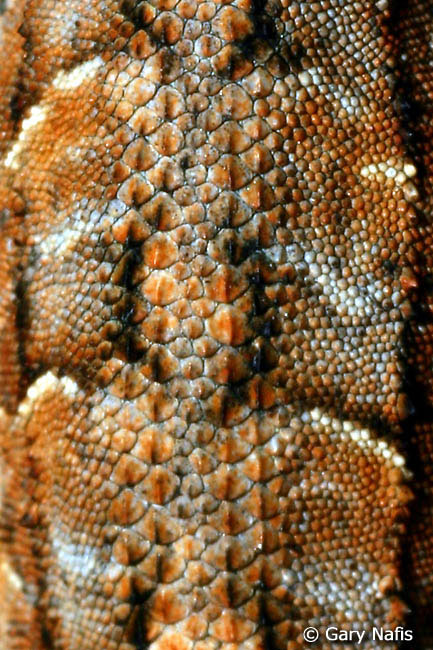
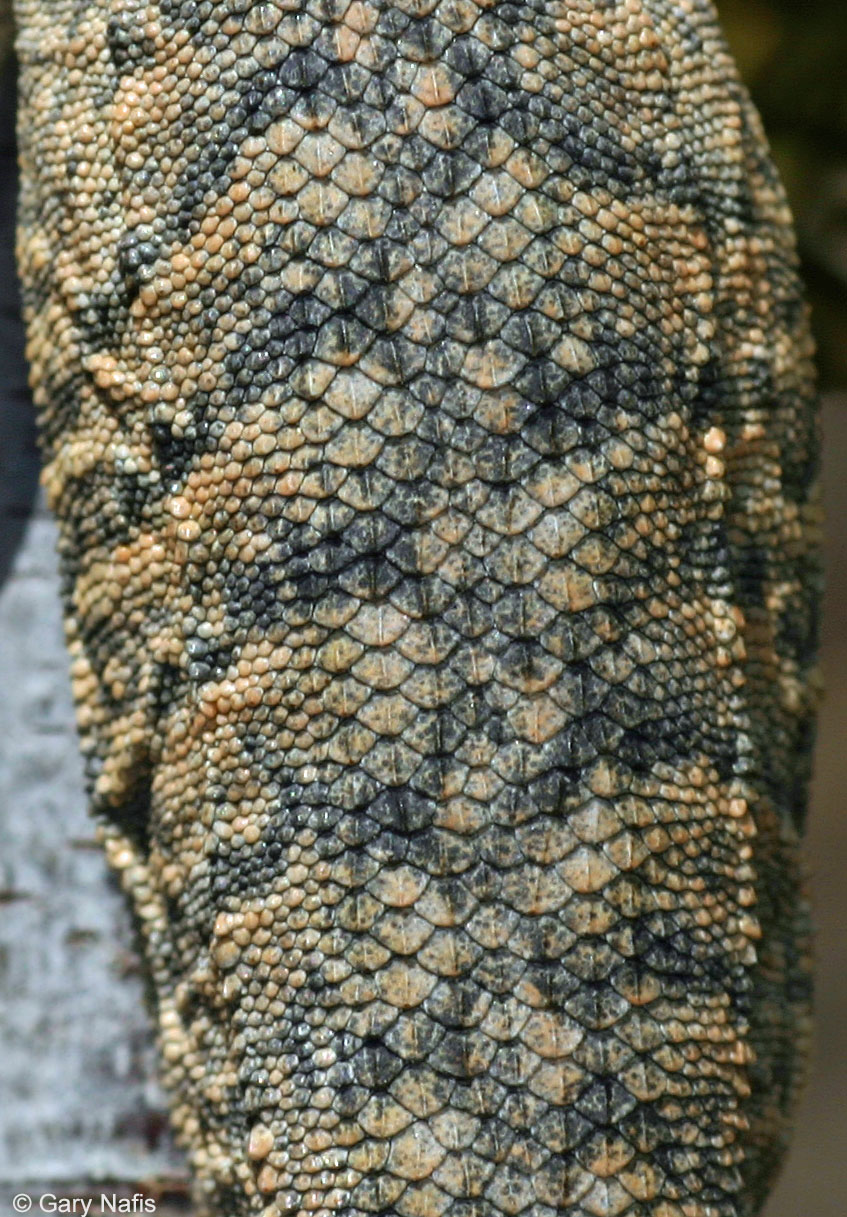
| Back scales of adult Tree Lizard from the Colorado River |
Back scales of adult Tree Lizard, introduced into San Bernardino County. © Jonathan Hakkim | The Tree Lizard has small granular scales with a wide band of larger weekly-keeled scales in the center of the back with smaller elarged scales in the center of the wide band. | ||||||||||||||||||||||||||||||||||||||||||||||||||||
| More Tree Lizards of the Same Species (Urosaurus ornatus) from Outside California | ||||||||||||||||||||||||||||||||||||||||||||||||||||||
 |
 |
 |
||||||||||||||||||||||||||||||||||||||||||||||||||||
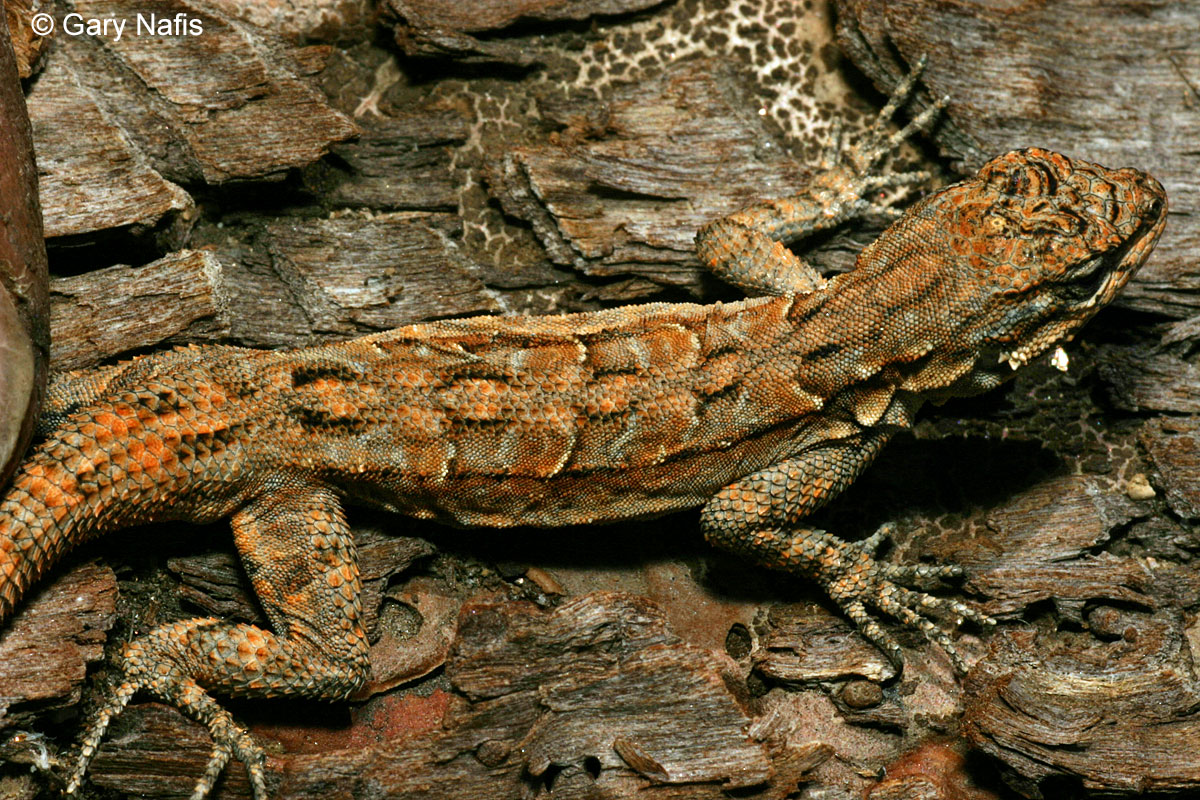
| Adult U. o. schottii, Coconino County, Arizona | Adult U. o. schottii, Coconino County, Arizona |
|||||||||||||||||||||||||||||||||||||||||||||||||||||
 |
 |
 |
||||||||||||||||||||||||||||||||||||||||||||||||||||
| Adult U. o. schottii, Coconino County, Arizona |
Adult U. o. schottii, Maricopa County, Arizona |
Adult U. o. schottii, Pima County, Arizona | ||||||||||||||||||||||||||||||||||||||||||||||||||||
 |
 |
 |
||||||||||||||||||||||||||||||||||||||||||||||||||||
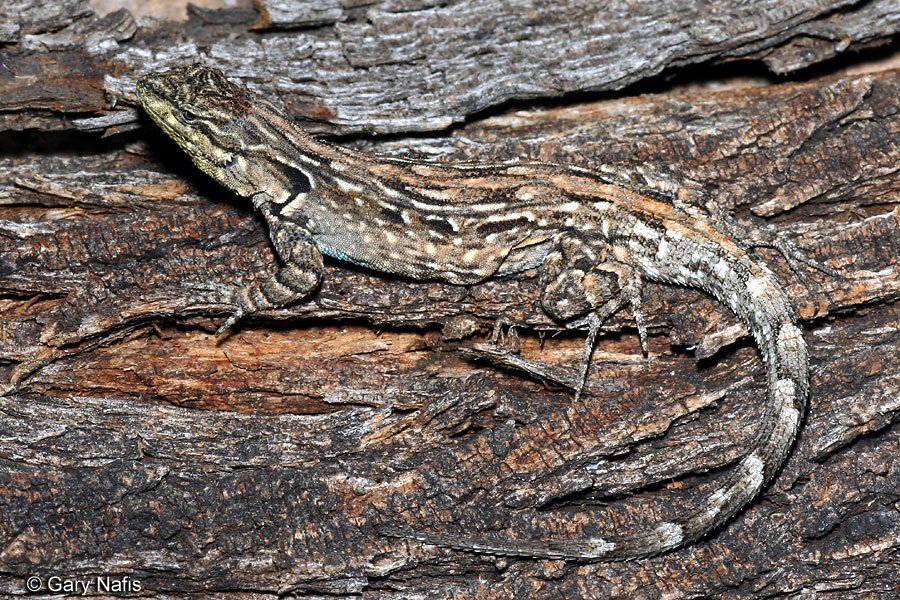
| Adult male U. o. schottii, Santa Cruz County, Arizona | Adult U. o. wrighti, San Juan County, Utah |
|||||||||||||||||||||||||||||||||||||||||||||||||||||
| Habitat | ||||||||||||||||||||||||||||||||||||||||||||||||||||||
 |
 |
 |
||||||||||||||||||||||||||||||||||||||||||||||||||||
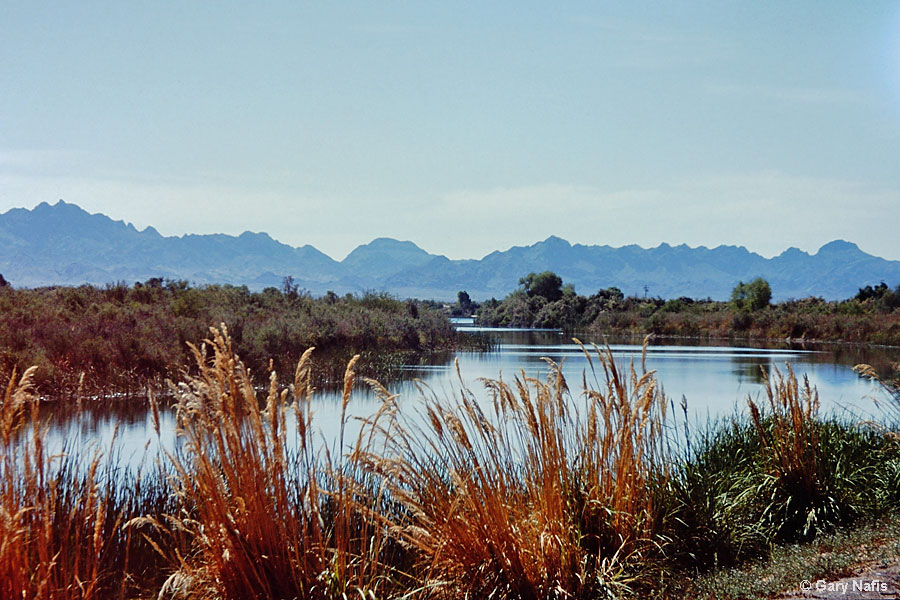
| Habitat next to Colorado River, Imperial County |
Habitat along Colorado River, Yuma County, Arizona |
Habitat along Colorado River, Yuma County, Arizona |
||||||||||||||||||||||||||||||||||||||||||||||||||||
 |
 |
 |
||||||||||||||||||||||||||||||||||||||||||||||||||||
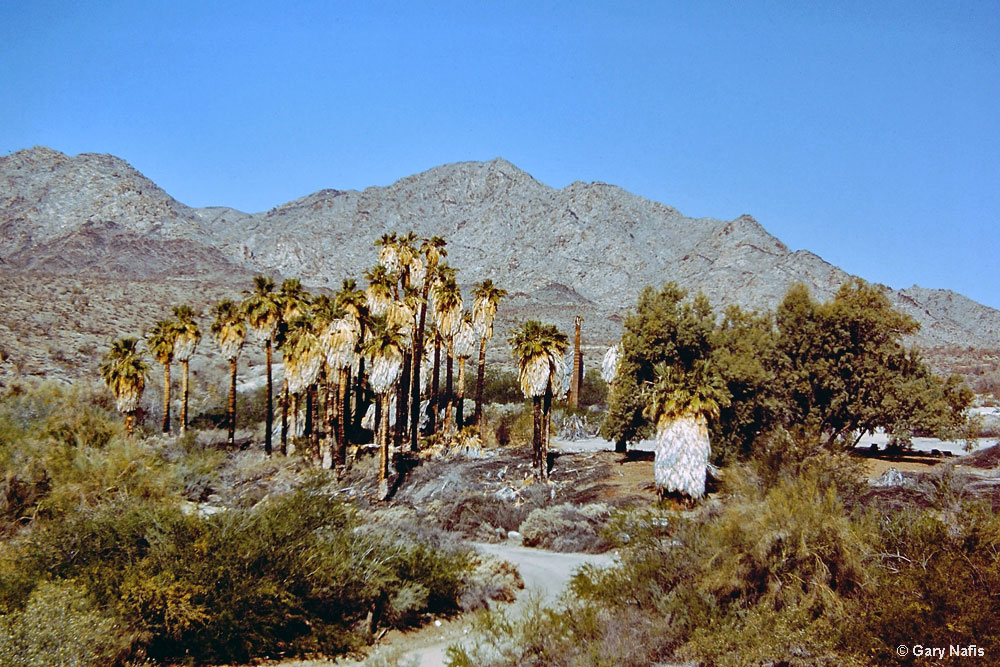
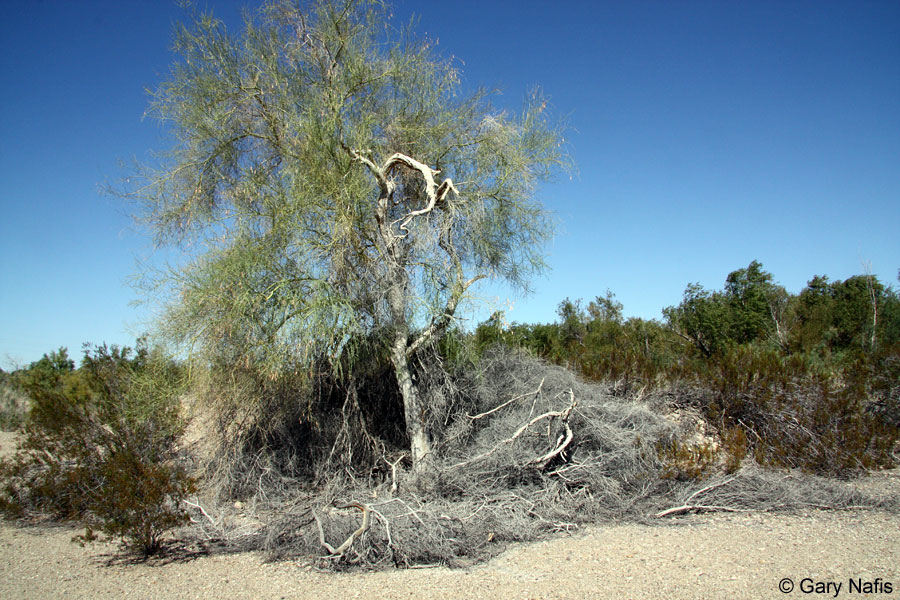
| Colorado River, Imperial County | Desert oasis habitat at Corn Springs, Riverside County | Habitat near Colorado River, Imperial County |
||||||||||||||||||||||||||||||||||||||||||||||||||||
 |
||||||||||||||||||||||||||||||||||||||||||||||||||||||
| Habitat next to Colorado River, Yuma County, Arizona |
||||||||||||||||||||||||||||||||||||||||||||||||||||||
| Comparison with Similar Sympatric Species | ||||||||||||||||||||||||||||||||||||||||||||||||||||||
| There is one other similar species of lizard found in California that shares the range of the Colorado River Tree Lizard - the Western Long-tailed Brush Lizard. It has a longer tail, but since the tail is easily lost and re-grown that characteristic is not always reliable. The two species can be separated best by looking at the wide band of enlarged scales on the middle of the back that is found on each species. |
||||||||||||||||||||||||||||||||||||||||||||||||||||||
 |
 |
 |
||||||||||||||||||||||||||||||||||||||||||||||||||||
| Tree Lizard - Urosaurus ornatus This tree lizard appears to be U. o. symmetricus. It was found in Barstow, outside of the known range of this subspecies, but the scales on the back show wide scales on the back that are split in the center by a larger band of smaller scales than is present on the tree lizard subspecies shown on the right. Another example can be seen here: H.E.R.P. Database |
Tree Lizard - Urosaurus ornatus The band of wide scales on the back of a tree lizard is split in the center by a band of smaller scales. The tree lizard shown above is U. o. schottii, which is different from the subspecies found in California - U. o. symmetricus, which has a wider band of small scales splitting the band of wide scales on the back. |
Western Long-tailed Brush Lizard - Urosaurus graciosus The band of wide scales on the back of the Western Long-tailed Brush Lizard is not split in the center by a band of smaller scales. |
||||||||||||||||||||||||||||||||||||||||||||||||||||
 |
 |
 |
||||||||||||||||||||||||||||||||||||||||||||||||||||
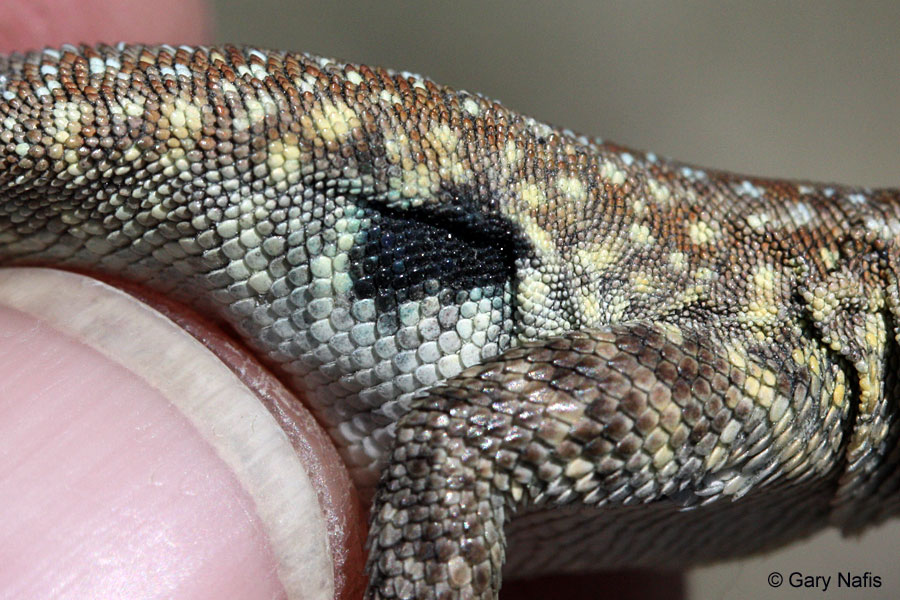
| Small-Scaled Lizard - Urosaurus microscutatus The Small-scaled Lizard has a band of slightly-enlarged scales on the middle of the back that are not split in the center by a band of smaller scales. These enlarged scales are smaller than those of the Western Long-tailed Brush Lizard. |
Western Side-blotched Lizard The Western Side-blotched Lizard - Uta stansburiana elegans - has small scales on the back with no band of enlarged scales in the middle, and typically has a large dark blotch on the sides behind the front legs. |
|||||||||||||||||||||||||||||||||||||||||||||||||||||
| Similar Tree Lizard Subspecies from Outside California | ||||||||||||||||||||||||||||||||||||||||||||||||||||||
| The pictures below show Urosaurus ornatus schottii - Schott's Tree Lizard, the subspecies found east of the range of the Colorado River Tree Lizard. Unless you examine them with a magnifying glass, the appearance is the same. Some researchers do not recognize any subspecies of tree lizard or any important differences between any these subspecies. | ||||||||||||||||||||||||||||||||||||||||||||||||||||||
|
|
|
||||||||||||||||||||||||||||||||||||||||||||||||||||
| Adult, Pima County, Arizona |
Adult male, Santa Cruz County, Arizona | |||||||||||||||||||||||||||||||||||||||||||||||||||||
|
|
 |
||||||||||||||||||||||||||||||||||||||||||||||||||||
| Adult, Coconino County, Arizona | Adult, Maricopa County, Arizona | Adult male, Pima County, Arizona | ||||||||||||||||||||||||||||||||||||||||||||||||||||
 |
 |
|||||||||||||||||||||||||||||||||||||||||||||||||||||
| Adult female, Cochise County, Arizona | ||||||||||||||||||||||||||||||||||||||||||||||||||||||
| Short Videos (Most are of different subspecies of Tree Lizards found outside California) |
||||||||||||||||||||||||||||||||||||||||||||||||||||||
 |
 |
 |
||||||||||||||||||||||||||||||||||||||||||||||||||||
| This is brief look at a Colorado River Tree Lizard that is well-camouflaged on a tree near the Colorado River in Arizona. | Tree Lizards beside a creek in Coconino County, Arizona. |
Tree Lizards in Coconino County, Arizona, doing territorial push-up displays. | ||||||||||||||||||||||||||||||||||||||||||||||||||||
 |
||||||||||||||||||||||||||||||||||||||||||||||||||||||
| Two tree lizards running around on buildings. The first in Coconino County, Arizona, the second in Pima County, Arizona. | ||||||||||||||||||||||||||||||||||||||||||||||||||||||
|
||||||||||||||||||||||||||||||||||||||||||||||||||||||
|
||||||||||||||||||||||||||||||||||||||||||||||||||||||
|
The following conservation status listings for this animal are taken from the July 2025 State of California Special Animals List and the July 2025 Federally Listed Endangered and Threatened Animals of California list (unless indicated otherwise below.) Both lists are produced by multiple agencies every year, and sometimes more than once per year, so the conservation status listing information found below might not be from the most recent lists, but they don't change a great deal from year to year.. To make sure you are seeing the most recent listings, go to this California Department of Fish and Wildlife web page where you can search for and download both lists: https://www.wildlife.ca.gov/Data/CNDDB/Plants-and-Animals. A detailed explanation of the meaning of the status listing symbols can be found at the beginning of the two lists. For quick reference, I have included them on my Special Status Information page. If no status is listed here, the animal is not included on either list. This most likely indicates that there are no serious conservation concerns for the animal. To find out more about an animal's status you can also go to the NatureServe and IUCN websites to check their rankings. Check the current California Department of Fish and Wildlife sport fishing regulations to find out if this animal can be legally pursued and handled or collected with possession of a current fishing license. You can also look at the summary of the sport fishing regulations as they apply only to reptiles and amphibians that has been made for this website. This animal is not included on the Special Animals List, which indicates that there are no significant conservation concerns for it in California. |
||
| Organization | Status Listing | Notes |
| NatureServe Global Ranking | ||
| NatureServe State Ranking | ||
| U.S. Endangered Species Act (ESA) | None | |
| California Endangered Species Act (CESA) | None | |
| California Department of Fish and Wildlife | None | |
| Bureau of Land Management | None | |
| USDA Forest Service | None | |
| IUCN | ||
|
|
||
Return to the Top
© 2000 -